Worksheets For Learning To Read
Learning to read is a fundamental skill that sets the stage for a child’s educational journey. Worksheets for Learning To Read provide structured activities that reinforce essential literacy skills in an engaging way. These resources are particularly valuable for teachers and parents looking to support early readers in a classroom or home setting.
Understanding Phonics and Sight Words
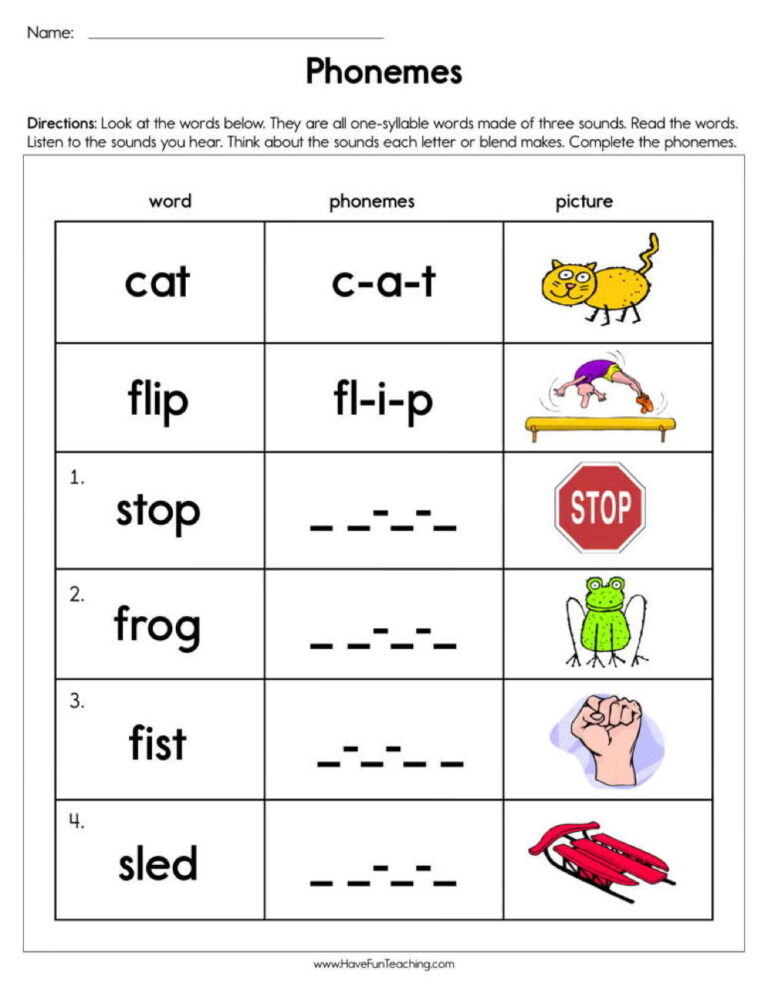
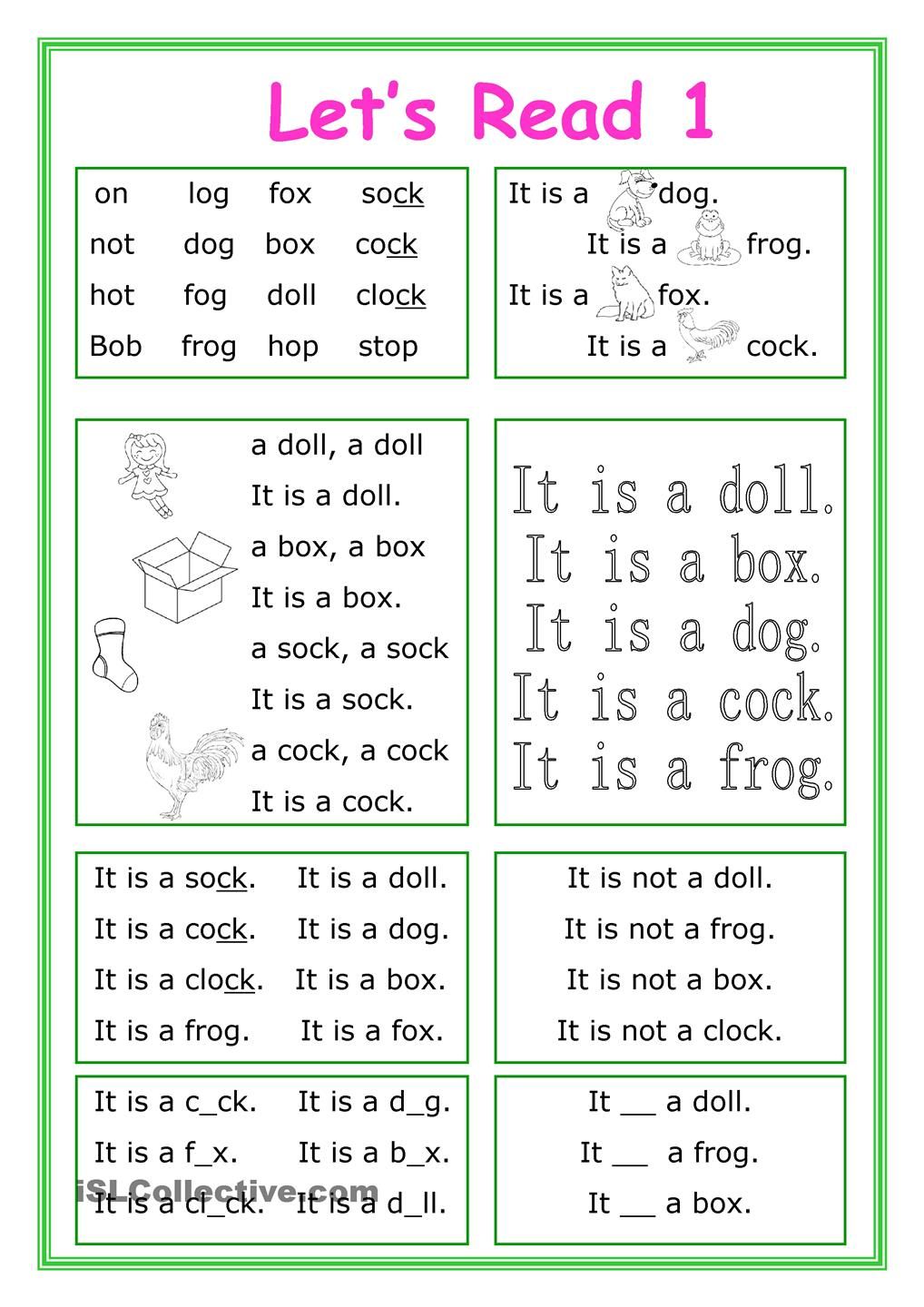
One of the key components of literacy development is phonics, the relationship between letters and sounds. Worksheets focusing on phonics help children decode words by associating sounds with letters. For example, a worksheet might include exercises where children match letters to pictures that start with those letters, allowing them to visualize the sounds.
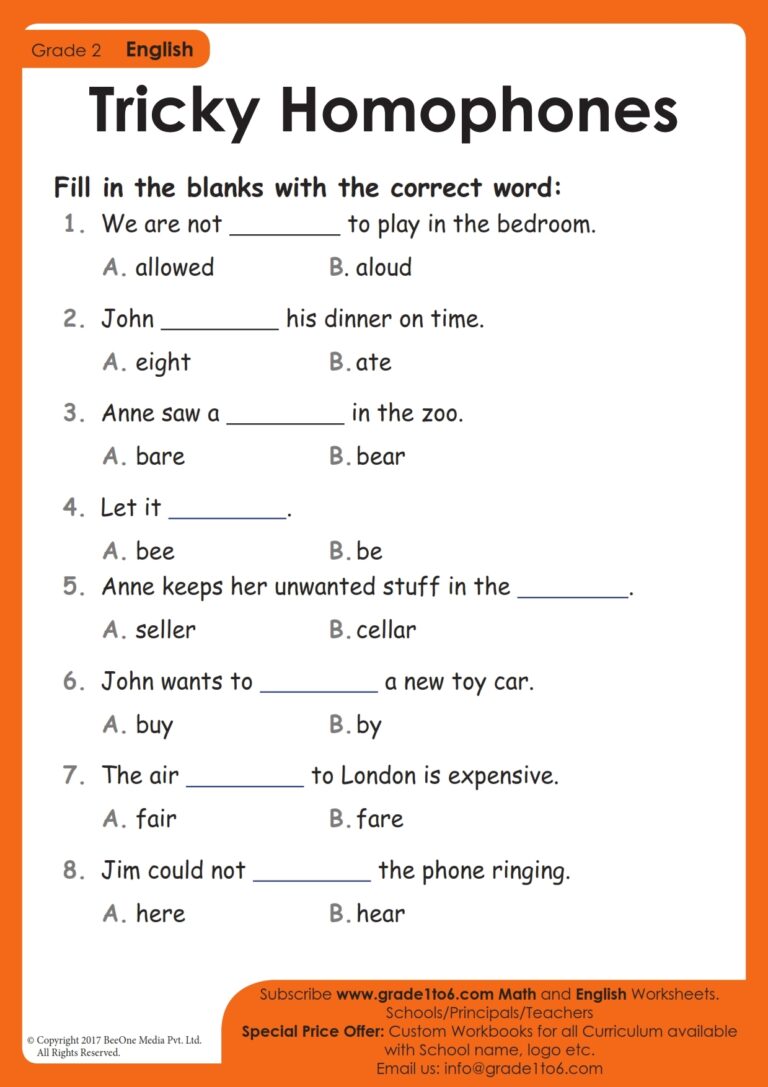
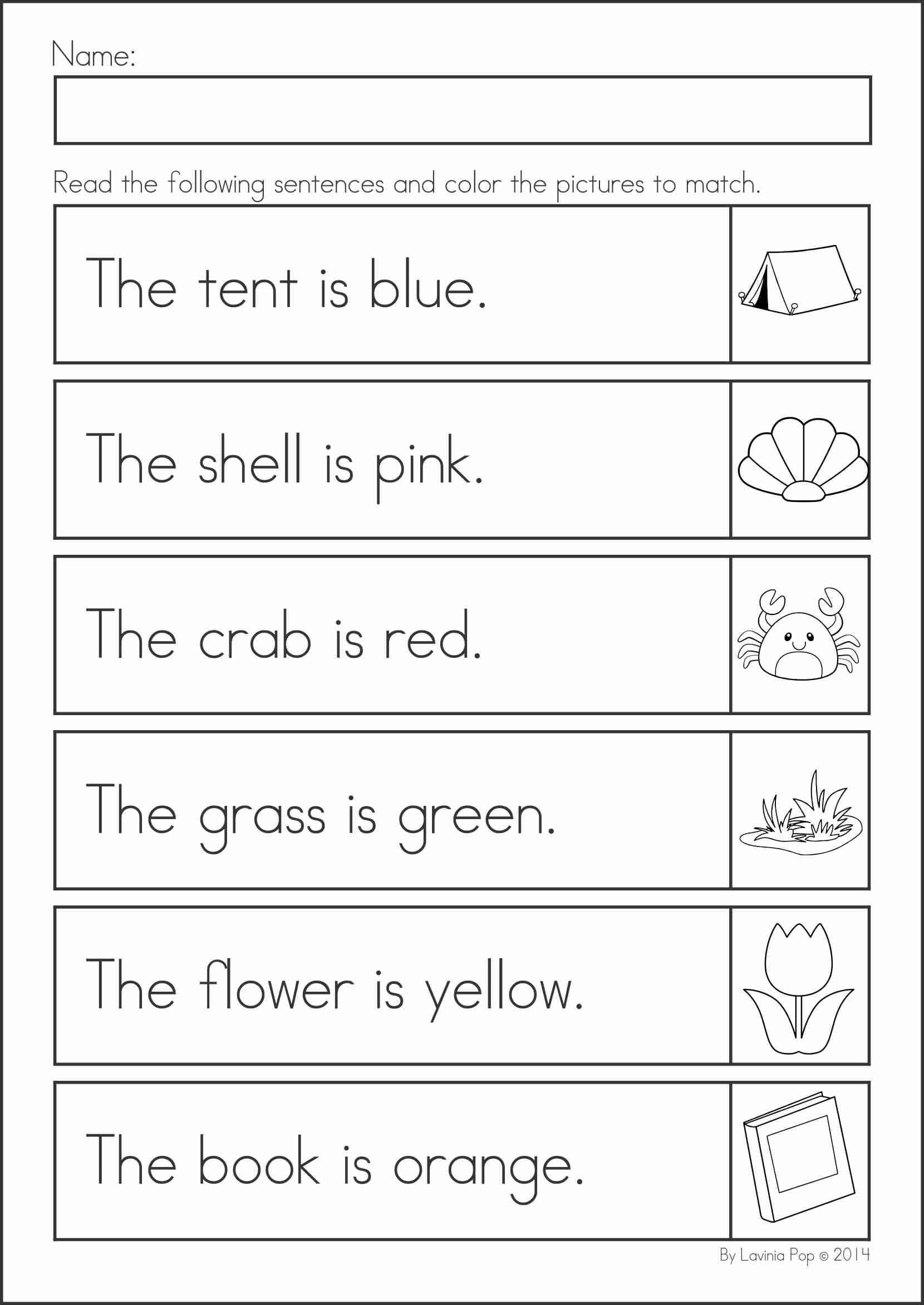
In addition to phonics, sight words are crucial for developing reading fluency. These are common words that children should recognize without needing to sound them out, such as “the,” “and,” and “is.” Worksheets that include sight word recognition activities, such as filling in blanks or matching words to pictures, can help reinforce these essential words. These activities are ideal for preschool and kindergarten students, typically aged 4-6.
Incorporating Reading Comprehension Activities
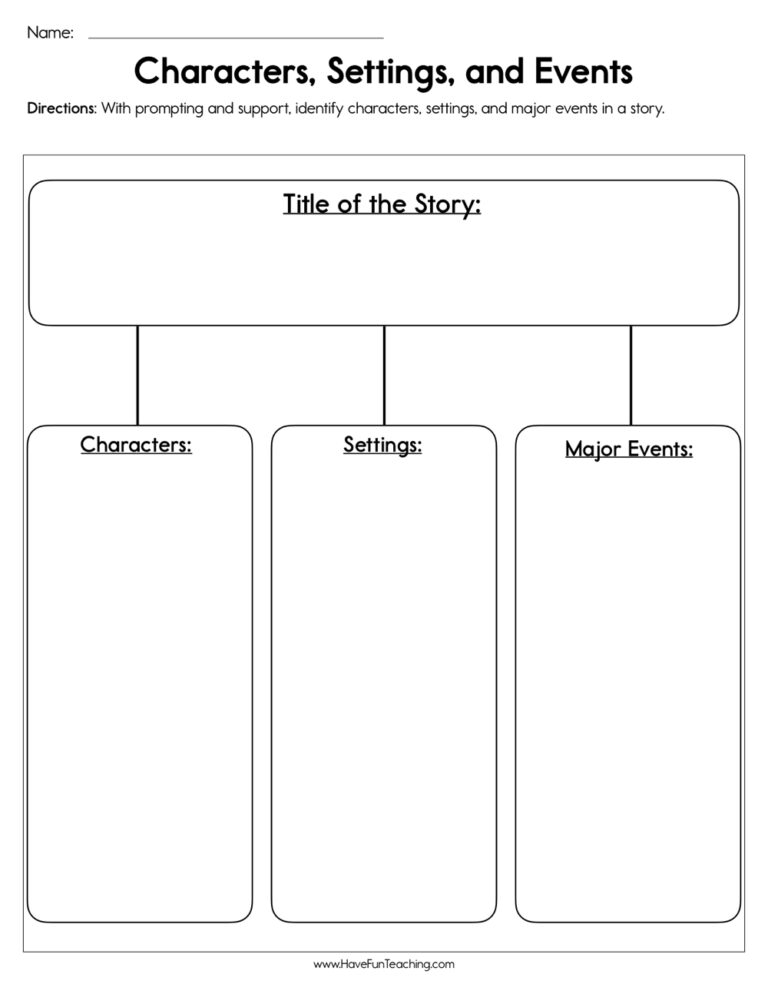
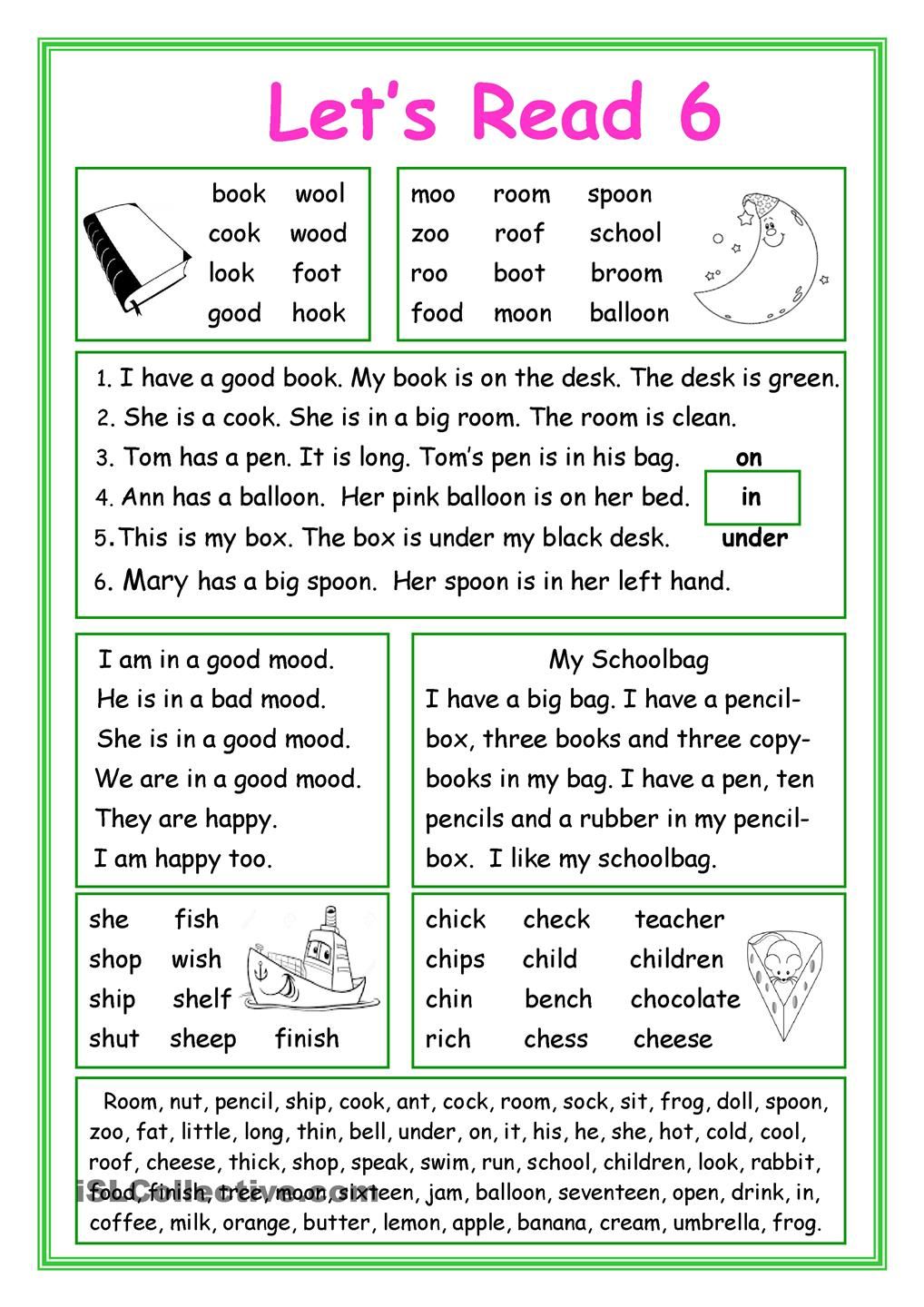
Worksheets for Learning To Read often include reading comprehension exercises that challenge children to think critically about what they’ve read. After reading a short passage, students might answer questions about the main idea, characters, or events. This not only improves their understanding but also enhances their ability to articulate thoughts about the text.
Creating a routine where children complete one reading comprehension worksheet a week can help build confidence and skills. For example, after reading a simple story, a teacher or parent can guide the child through the worksheet, discussing each question and encouraging them to express their thoughts. This method works well for first and second graders, typically aged 6-8.
Engaging Activities for Vocabulary Development
Vocabulary development is another crucial aspect of learning to read. Worksheets that focus on vocabulary can include word searches, crosswords, or matching exercises that introduce new words in a fun and interactive way. For instance, a word search centered around a specific theme, like animals or seasons, can make learning new vocabulary exciting.
Parents and teachers can easily integrate these worksheets into daily routines. Set aside a few minutes each day for children to work on vocabulary activities. This consistent practice not only helps with word recognition but also encourages children to use new words in their speech and writing, paving the way for better communication skills. These activities are suitable for children in grades 1-3, aged 6-9.
Creating a Balanced Reading Program
When selecting worksheets, it’s essential to ensure a balance between different skills. A comprehensive reading program should include phonics, sight words, reading comprehension, and vocabulary activities. This variety keeps children engaged and addresses multiple aspects of literacy development.
For example, a weekly lesson plan could include:
- Day 1: Phonics worksheet focusing on letter sounds
- Day 2: Sight word recognition activity
- Day 3: Reading comprehension exercise based on a short story
- Day 4: Vocabulary word search
- Day 5: Review of the week’s activities
By implementing this structured approach, teachers and parents can provide a well-rounded reading program that caters to the diverse needs of young readers.
Tips for Using Worksheets Effectively
To maximize the effectiveness of Worksheets for Learning To Read, consider the following tips:
- Print on Cardstock: For durability, especially if worksheets will be reused or completed with markers.
- Use Clear Instructions: Ensure that the worksheets come with straightforward instructions to minimize confusion.
- Incorporate Technology: If available, consider using digital versions of worksheets that allow for interactive learning.
- Set Realistic Goals: Tailor the number of worksheets to the child’s pace to avoid overwhelming them. Start with one or two worksheets per week and adjust as needed.
Engaging children with structured worksheets can significantly impact their reading skills. By incorporating a variety of activities and maintaining a balanced approach, parents and teachers can foster a love for reading that lasts a lifetime. One practical tip: keep a folder of completed worksheets for each child. This not only helps track progress but also provides a sense of accomplishment as they see their skills develop over time.