Kindergarten Skill Worksheets Covering Evaluating Algebraic Expressions
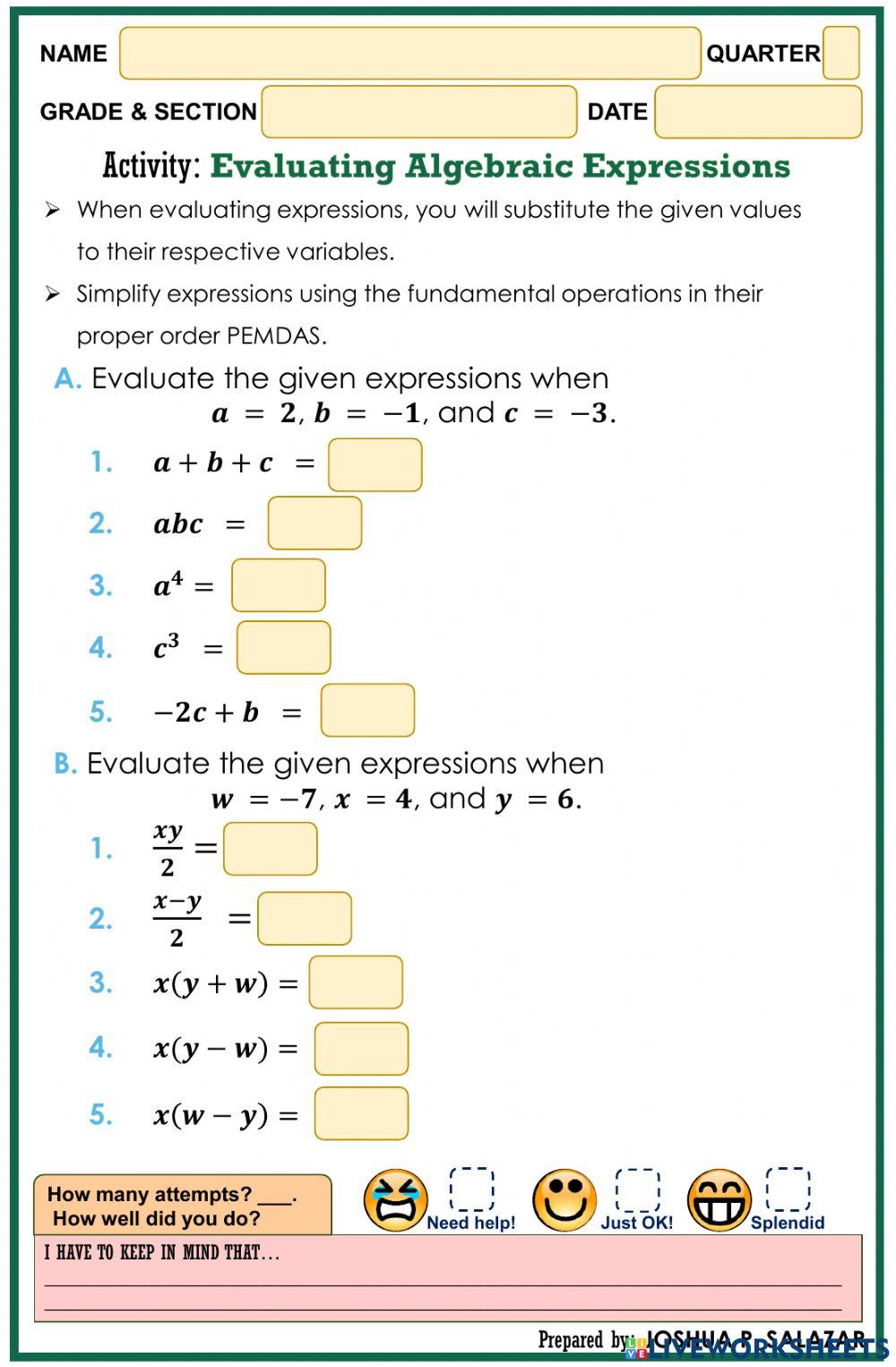
Incorporating algebraic expressions into early math education may seem daunting, but Kindergarten skill worksheets covering evaluating algebraic expressions can make this learning process engaging and accessible. These worksheets are designed to introduce young learners to basic algebraic concepts through fun and interactive activities, paving the way for more complex mathematical understanding in the future.
Understanding Algebraic Expressions for Kindergarten
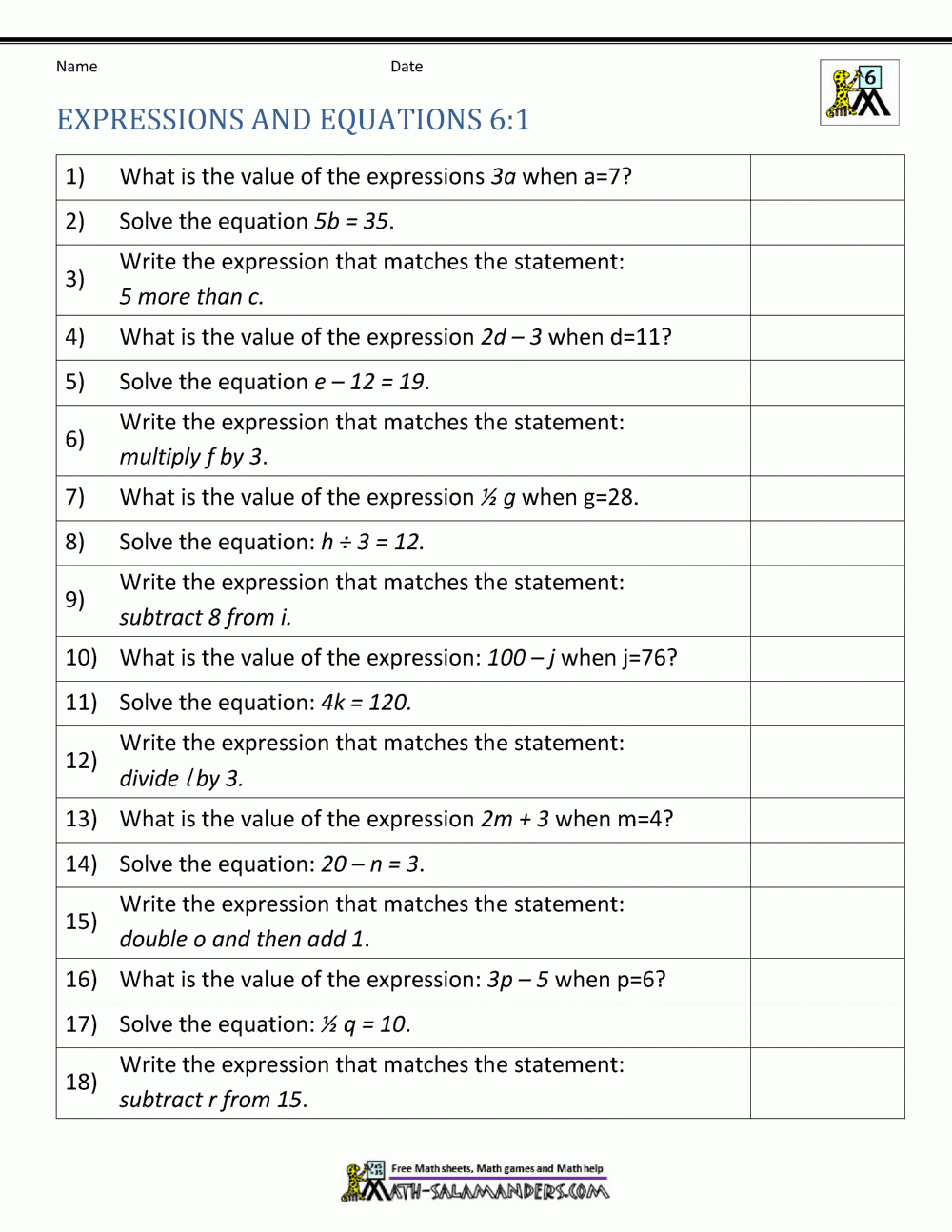
At its core, evaluating algebraic expressions involves understanding how to work with numbers and symbols to solve problems. For Kindergarten students, this means introducing concepts like variables and simple equations in a way that feels natural and intuitive. Worksheets can help students recognize patterns and relationships between numbers, which is foundational for their ongoing math education.
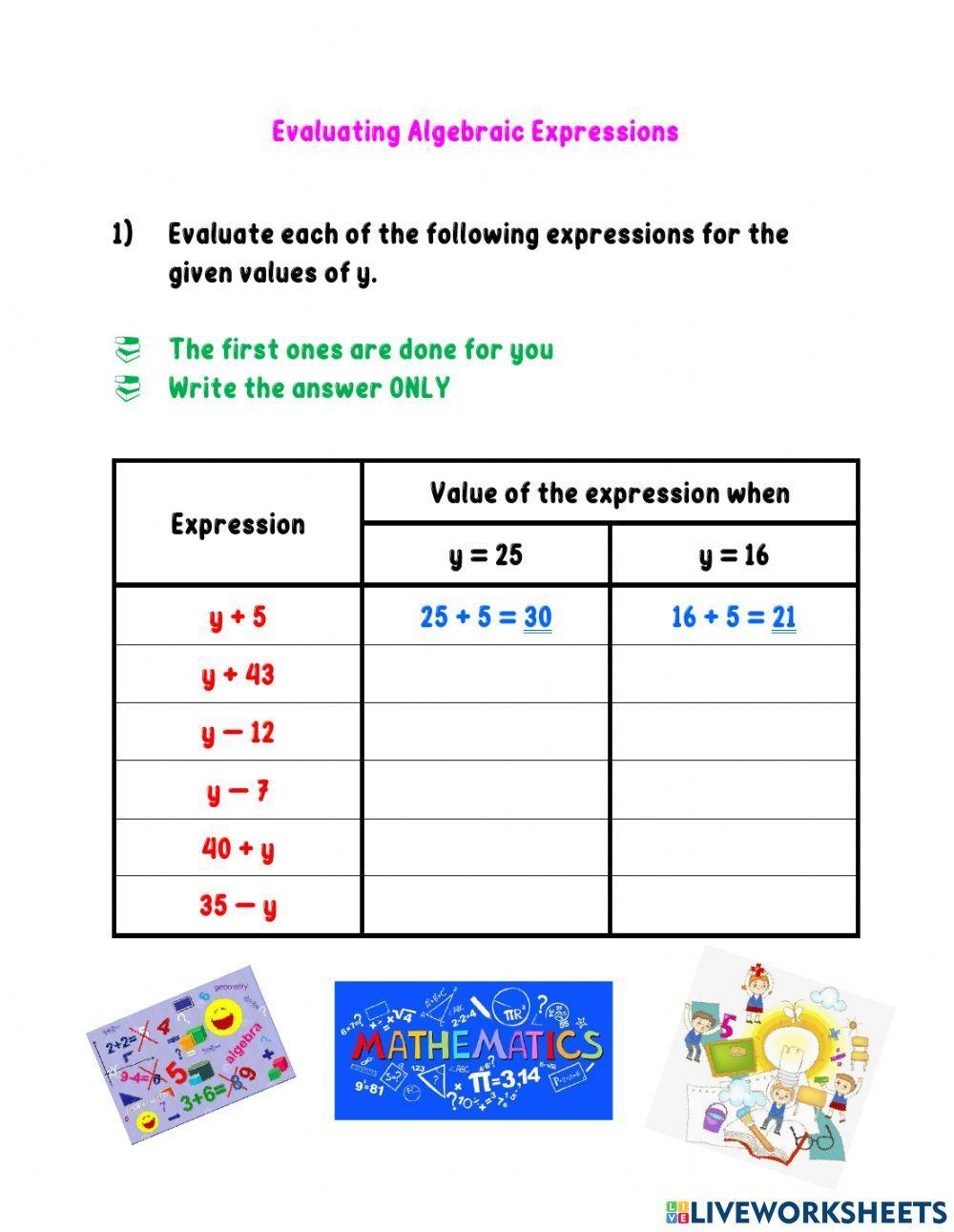
When selecting worksheets, look for those that incorporate visual aids, such as pictures or color-coded elements, to help students grasp the concepts more readily. These worksheets often include simple problems like “If x = 2, what is x + 3?” and use relatable scenarios, such as counting apples or toys, to illustrate the concepts.
Engaging Activities to Reinforce Learning
To maximize the effectiveness of Kindergarten skill worksheets covering evaluating algebraic expressions, consider integrating various engaging activities into your lessons. Here are some ideas to enhance the learning experience:
- Interactive Games: Create a game where students can physically manipulate objects to represent algebraic expressions. For instance, use blocks to visualize equations, allowing children to see the actual numbers they’re working with.
- Story Problems: Develop simple story problems that incorporate algebraic expressions. This will help students connect math to real-life situations, making it more relatable and easier to understand.
- Group Work: Encourage collaboration by having students work in pairs or small groups to solve worksheets. This fosters discussion and allows them to learn from one another.
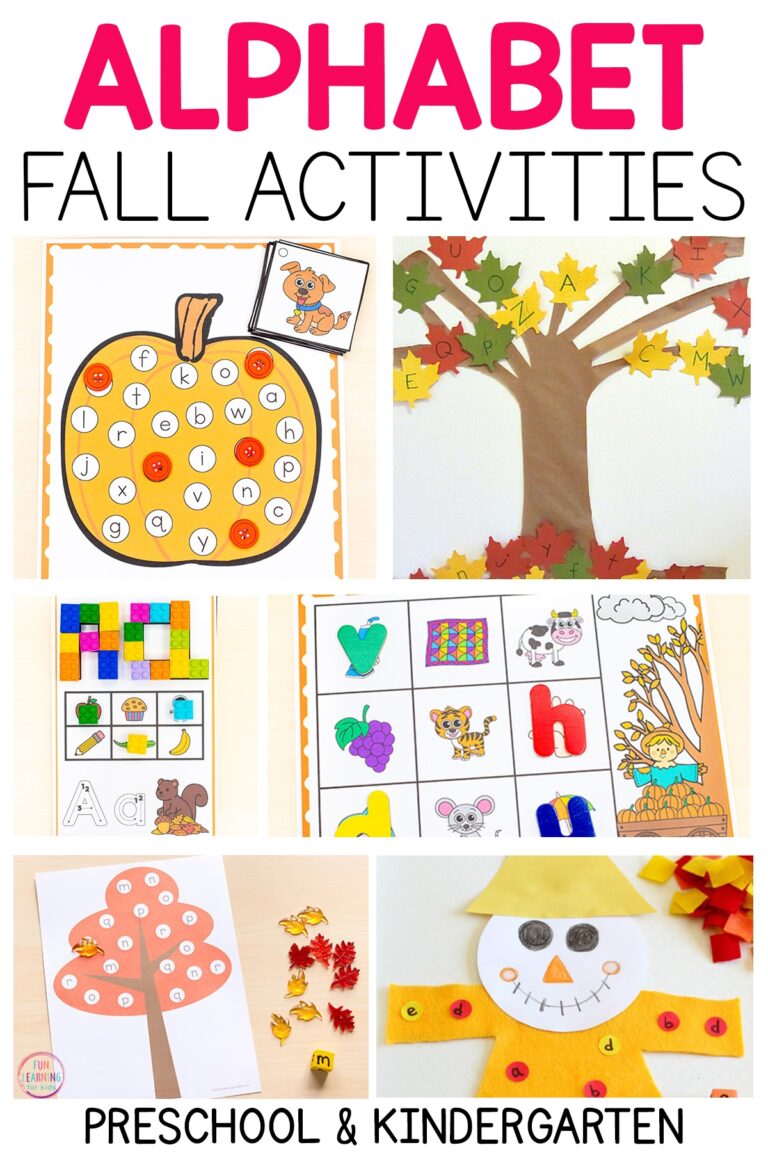
- Art Integration: Combine math with art. After completing a worksheet, students could draw their favorite problem or create a visual representation of an expression, reinforcing their understanding through creativity.
Selecting the Right Worksheets
When choosing Kindergarten skill worksheets covering evaluating algebraic expressions, consider the following factors:
- Clarity: Ensure that the problems are clearly stated and visually appealing. Children are more likely to engage with worksheets that are colorful and easy to read.
- Variety: Look for a mix of problem types, including equations, word problems, and visual aids. Variety keeps students interested and caters to different learning styles.
- Progressive Difficulty: Start with simple concepts and gradually increase complexity. This helps build confidence in young learners as they master each step before moving on to the next.
- Printable Format: Ensure that the worksheets are available in a printable format, preferably PDF, to avoid formatting issues during printing. This ensures a smooth experience when you’re ready to use them in class or at home.
Implementing Worksheets in the Classroom
Using Kindergarten skill worksheets covering evaluating algebraic expressions in your classroom can be straightforward with a few tips:
- Timing: Integrate these worksheets into your daily routine. Short, focused sessions of 15-20 minutes can be a perfect way to introduce the concepts without overwhelming young learners.
- Feedback: Provide immediate feedback as students work through the problems. This can help reinforce concepts and clarify any misunderstandings on the spot.
- Incorporate Technology: If possible, use digital versions of the worksheets during lessons. Interactive whiteboards or tablets can make the experience more engaging for students.
- Parent Involvement: Encourage parents to use these worksheets at home. Providing them with resources can reinforce learning and make algebraic concepts part of everyday conversations.
Additional Tips for Success
To ensure that your students get the most out of their worksheets, consider these practical tips:
- Use Familiar Contexts: Frame problems in familiar contexts, like using toys or everyday objects. This helps students relate to the material and makes learning more enjoyable.
- Celebrate Success: Recognize and celebrate students’ accomplishments, no matter how small. Positive reinforcement can motivate them to tackle more challenging problems in the future.
- Be Patient: Remember that every child learns at their own pace. Some may grasp concepts quickly, while others may need more time to understand. Flexibility in your teaching approach will lead to better outcomes.
- Follow Up: After students complete the worksheets, hold a discussion to review answers and clarify any misunderstandings. This helps solidify their learning and gives them a chance to ask questions.
Incorporating Kindergarten skill worksheets covering evaluating algebraic expressions into your teaching strategy can lay a strong foundation for young learners. By selecting engaging resources, implementing creative activities, and fostering a supportive learning environment, you can make algebraic concepts accessible and enjoyable for your students. Consider downloading a few worksheets today and start enriching your math lessons with these essential skills!