Sixth Grade Evaluating Algebraic Expressions Review Worksheets
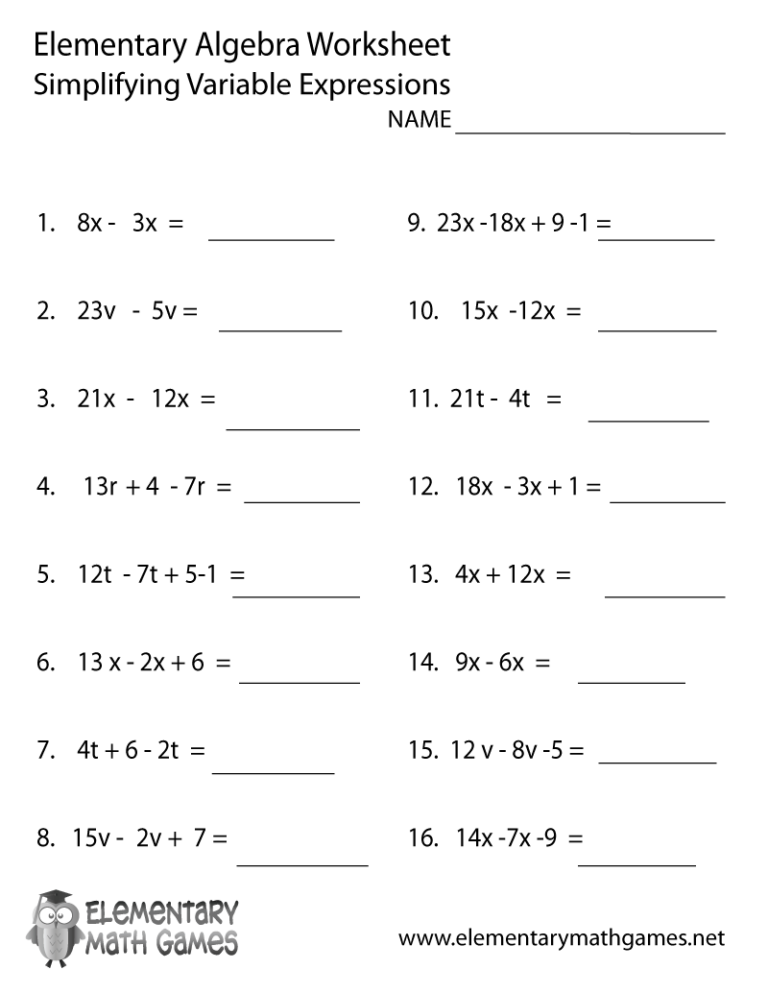
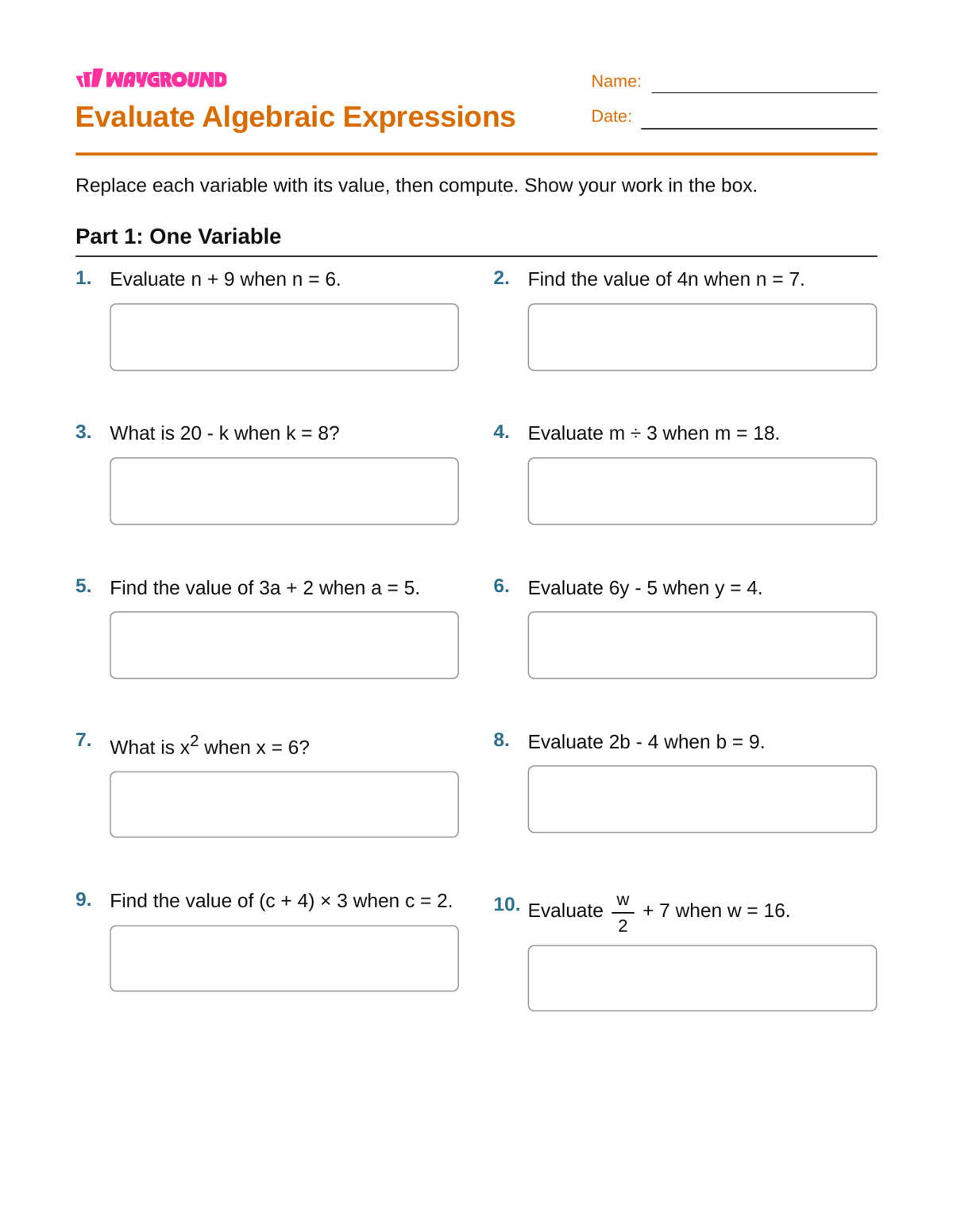
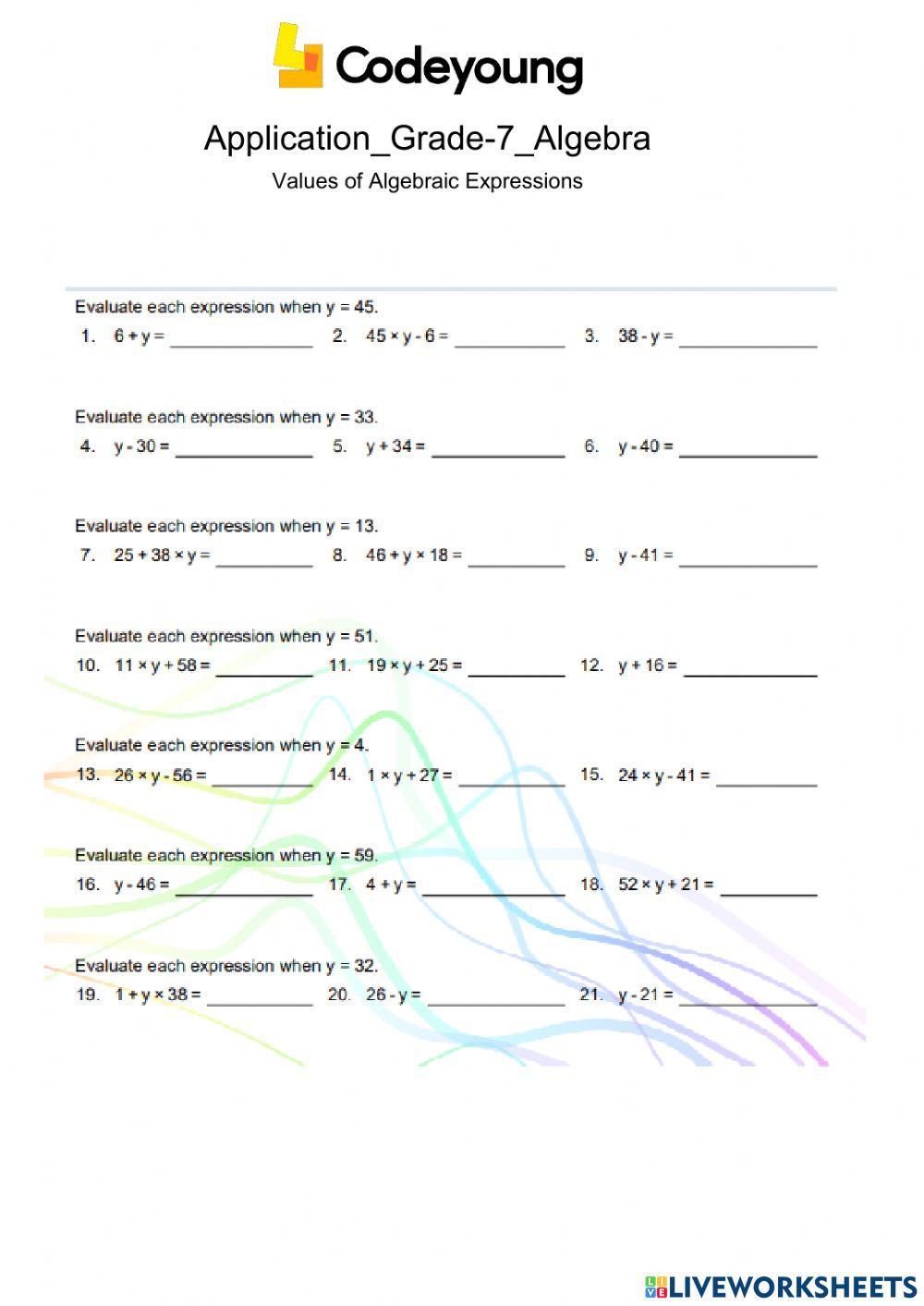
Evaluating algebraic expressions can be a challenging concept for sixth graders, but with the right resources, you can make this learning experience enjoyable and effective. Sixth Grade Evaluating Algebraic Expressions Review Worksheets are designed to reinforce students’ understanding of this essential math skill. These worksheets provide structured practice, ensuring that students grasp the foundational concepts necessary for more advanced algebra topics.
Understanding Algebraic Expressions
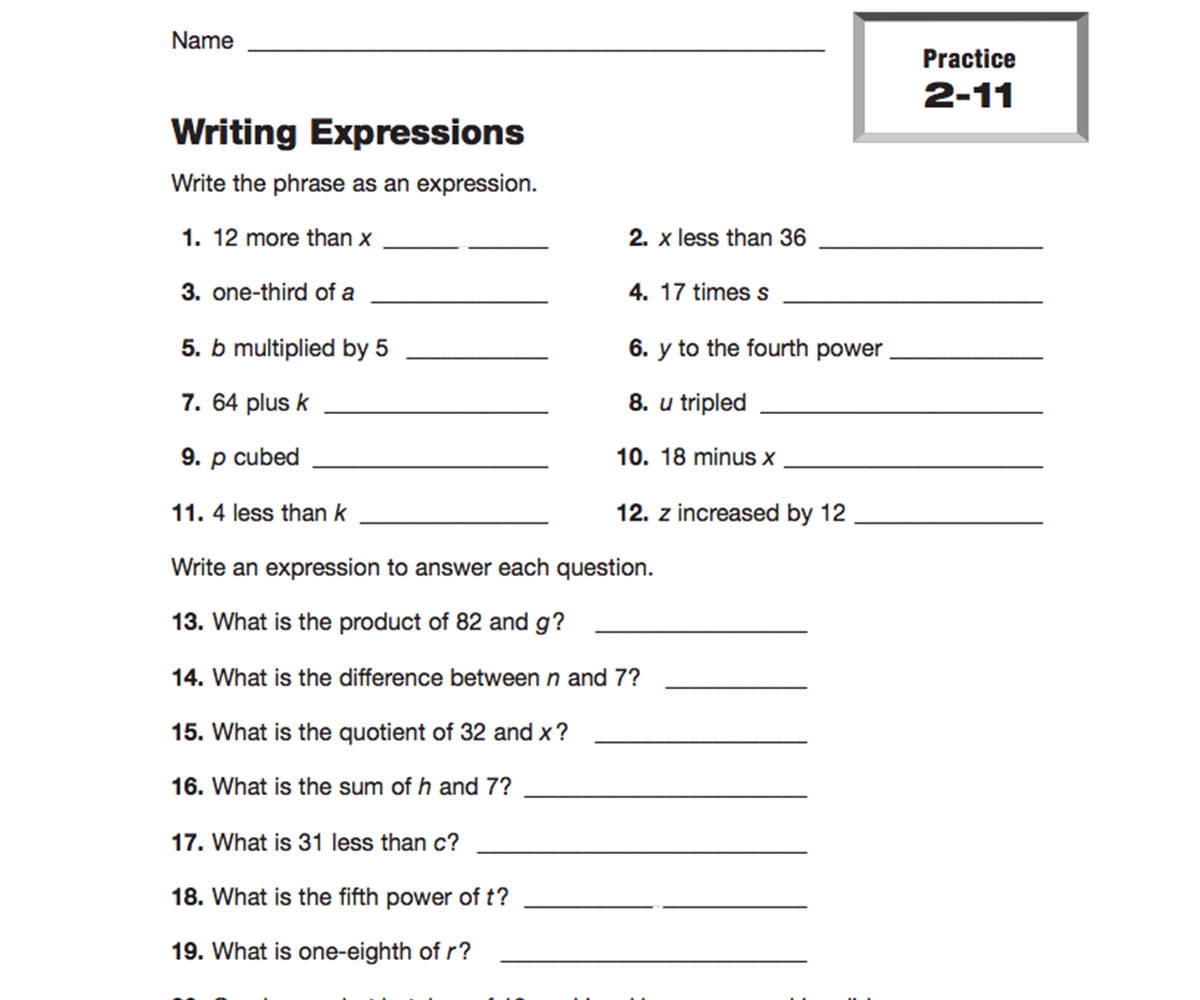
Before diving into the worksheets, it’s important to clarify what algebraic expressions are. In simple terms, they are mathematical phrases that can include numbers, variables (like x or y), and operations (such as addition or multiplication). For example, the expression 3x + 5 is an algebraic expression where 3 is multiplied by the variable x and then added to 5.
When teaching this concept, it’s helpful to start with concrete examples. Use real-life scenarios to connect with students. For instance, if you have 3 bags of apples and each bag has x apples, you can express the total number of apples as 3x. This way, students can see the practical application of algebraic expressions in everyday life.
How to Use the Review Worksheets Effectively
The Sixth Grade Evaluating Algebraic Expressions Review Worksheets can be used in various settings—classrooms, homeschooling, or even after-school tutoring. Here are some practical tips for using these worksheets effectively:
- Introduce the Concept: Before handing out the worksheets, introduce the concept of evaluating algebraic expressions. Use a whiteboard to demonstrate how to substitute values for variables and simplify expressions step-by-step.
- Group Work: Consider allowing students to work in pairs or small groups on the worksheets. This collaborative approach encourages discussion and helps students learn from each other. If they encounter difficulties, they can support one another in problem-solving.
- Timed Sessions: For a more dynamic classroom environment, conduct timed sessions where students race against the clock to complete the worksheets. This can add an element of excitement and urgency, making the learning experience more engaging.
- Provide Feedback: After the students complete the worksheets, review the answers together as a class. This is a crucial step where you can address common mistakes and clarify misunderstandings. Positive reinforcement for correct answers can boost confidence.
- Follow-Up Activities: To reinforce the skills learned through the worksheets, follow up with additional activities. You might include online math games, hands-on manipulatives, or even real-world problems that require evaluating algebraic expressions.
Key Features of the Worksheets
When selecting or creating Sixth Grade Evaluating Algebraic Expressions Review Worksheets, look for specific features that enhance learning:
- Varied Difficulty Levels: It’s essential to have worksheets that cater to different skill levels. Some students may need more basic problems, while others can tackle more complex expressions. Worksheets that gradually increase in difficulty can help all students progress at their own pace.
- Clear Instructions: Each worksheet should include clear instructions that guide students on how to complete the problems. Avoiding overly complex language ensures that students understand what is being asked of them.
- Answer Keys: Having an answer key available makes grading easier for teachers and allows students to self-check their work. This immediate feedback can help them understand their mistakes and learn from them.
- Real-World Applications: Incorporating word problems that relate to real-life situations can help students see the relevance of algebraic expressions. For example, a worksheet might include problems about calculating costs or distances based on variable inputs.
Printable Resources for Home and Classroom
One of the best aspects of using worksheets in your teaching is the ease of printing and distributing them. Here are a few tips for ensuring you make the most of these printable resources:
- Paper Quality: If you plan to use the worksheets multiple times, consider printing them on cardstock. This sturdier material holds up better, especially if students will be writing on them with markers or if they might be laminated for reuse.
- Portrait vs. Landscape: Depending on the layout of the worksheets, portrait layout tends to work best for most home printers. However, if the worksheets include larger tables or diagrams, landscape might be more appropriate.
- PDF Format: If available, opt for PDF versions of the worksheets. PDF files maintain formatting across different devices and printers, reducing the chances of any reformatting issues that might occur with image files.
Engaging Students With Algebra
As you introduce Sixth Grade Evaluating Algebraic Expressions Review Worksheets into your teaching, remember that engagement is key. Here are a couple of creative ways to enhance student interest:
- Interactive Games: Turn evaluating algebraic expressions into a game. You can create a quiz-style competition where students earn points for correct answers. This element of competition can motivate students to excel.
- Real-World Projects: Consider assigning projects where students must create their own algebraic expressions based on personal interests or hobbies. This not only reinforces their understanding but also allows them to express creativity in their learning.
Using Sixth Grade Evaluating Algebraic Expressions Review Worksheets effectively can make a significant difference in your students’ grasp of algebra. Incorporating varied strategies, maintaining engagement, and providing ample practice opportunities will ensure that your students are well-prepared for future math challenges. Whether in a classroom or at home, these worksheets can serve as a valuable resource for reinforcing essential algebra skills.