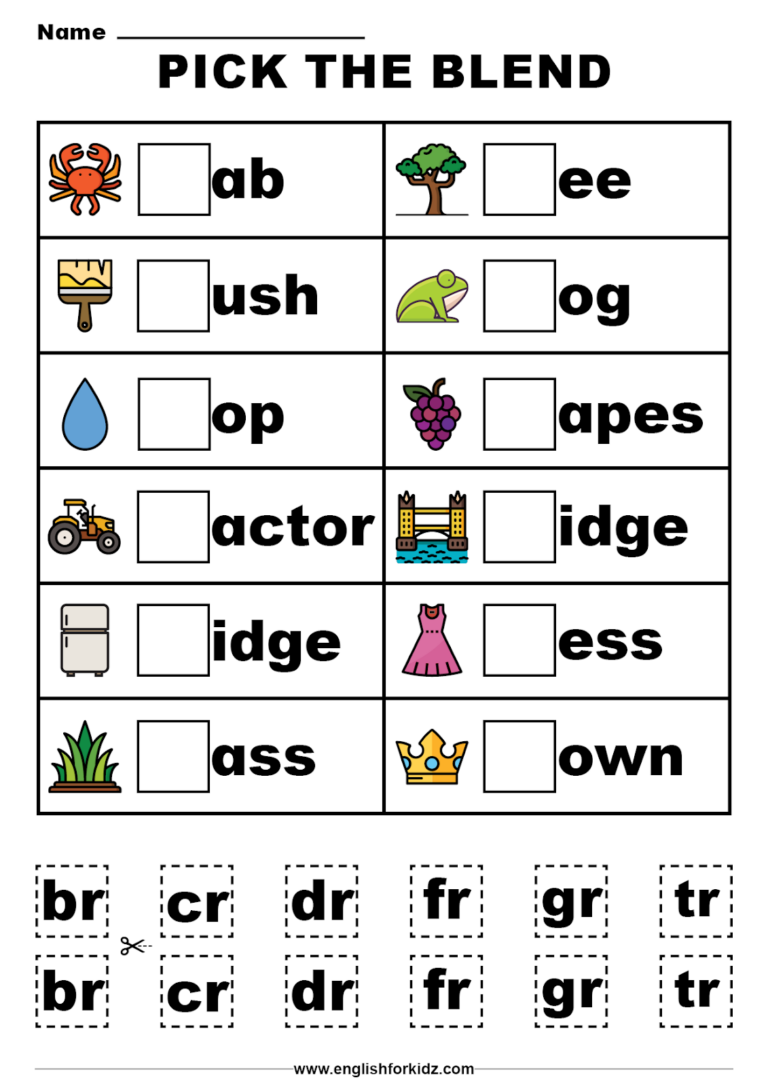
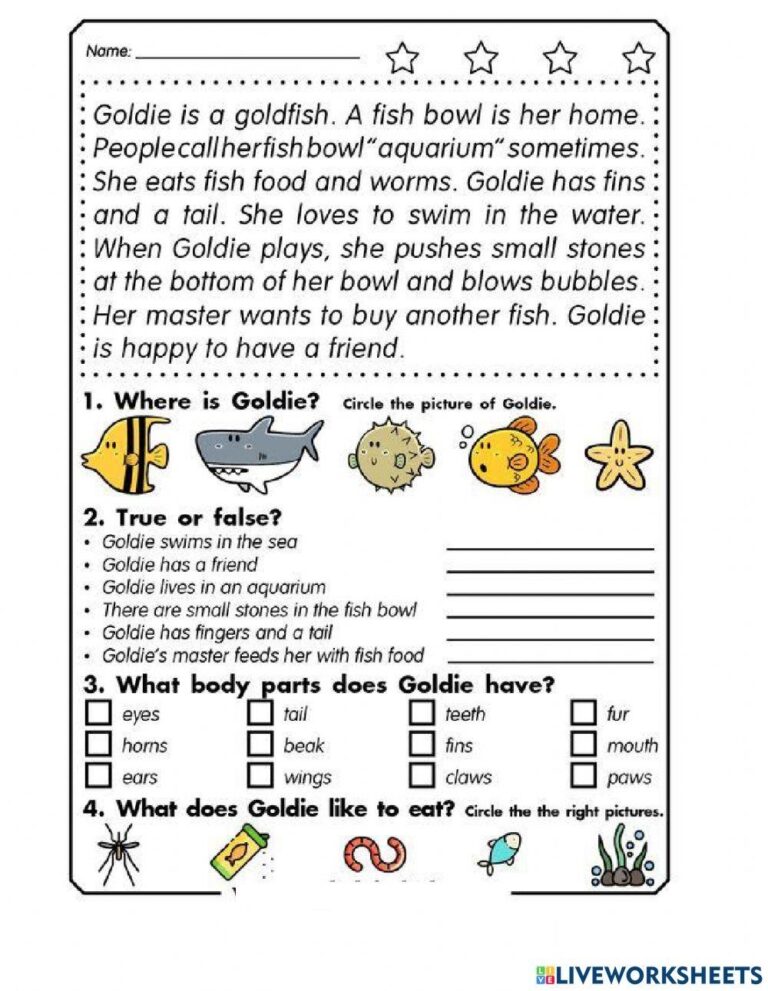
Printable Preschool Classroom Phoneme Counting Activities
Phoneme counting activities are essential in developing early literacy skills in preschoolers. These Printable Preschool Classroom Phoneme Counting Activities provide hands-on opportunities for children to learn about sounds in words, which is a crucial foundation for reading. By integrating fun and interactive worksheets, you can foster a love for learning while helping young learners master phonemic awareness.
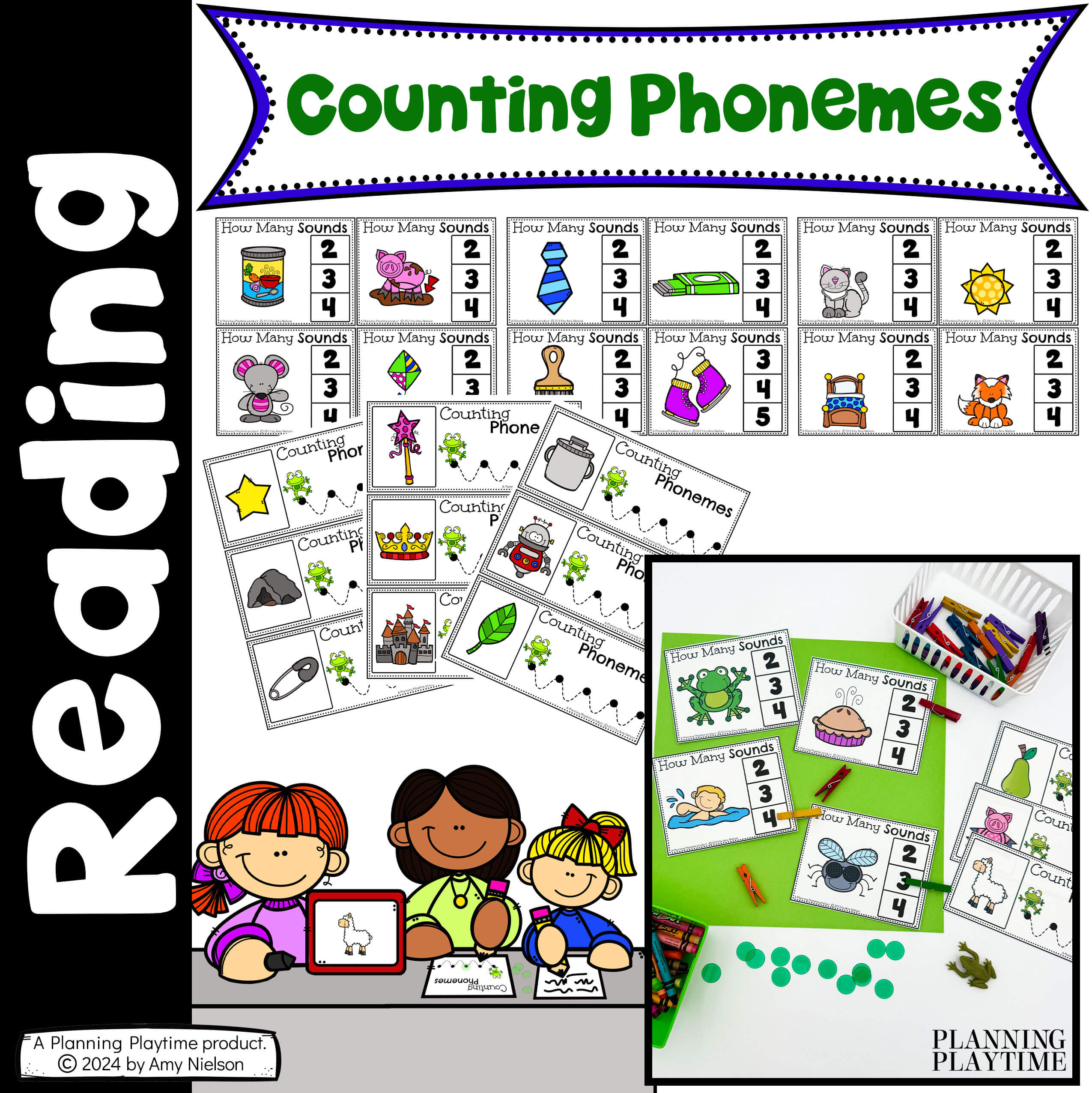
Understanding Phonemic Awareness and Its Importance
Phonemic awareness is the ability to hear, identify, and manipulate individual sounds in spoken words. This skill is vital for reading because it helps children connect sounds with letters, enabling them to decode words. When preschoolers engage in phoneme counting, they learn to break down words into their constituent sounds. This not only aids in reading but also enhances their spelling skills.
In practical terms, phoneme counting activities can be tailored to suit your classroom or home environment. If you are a teacher looking for structured lessons or a parent seeking fun activities, these resources are designed to support a variety of learning styles.
Key Features of Effective Phoneme Counting Worksheets
When selecting or creating printable phoneme counting activities, consider the following features that can enhance the learning experience:
- Clear Instructions: Worksheets should have simple, easy-to-follow directions. This ensures that children understand the task without frustration.
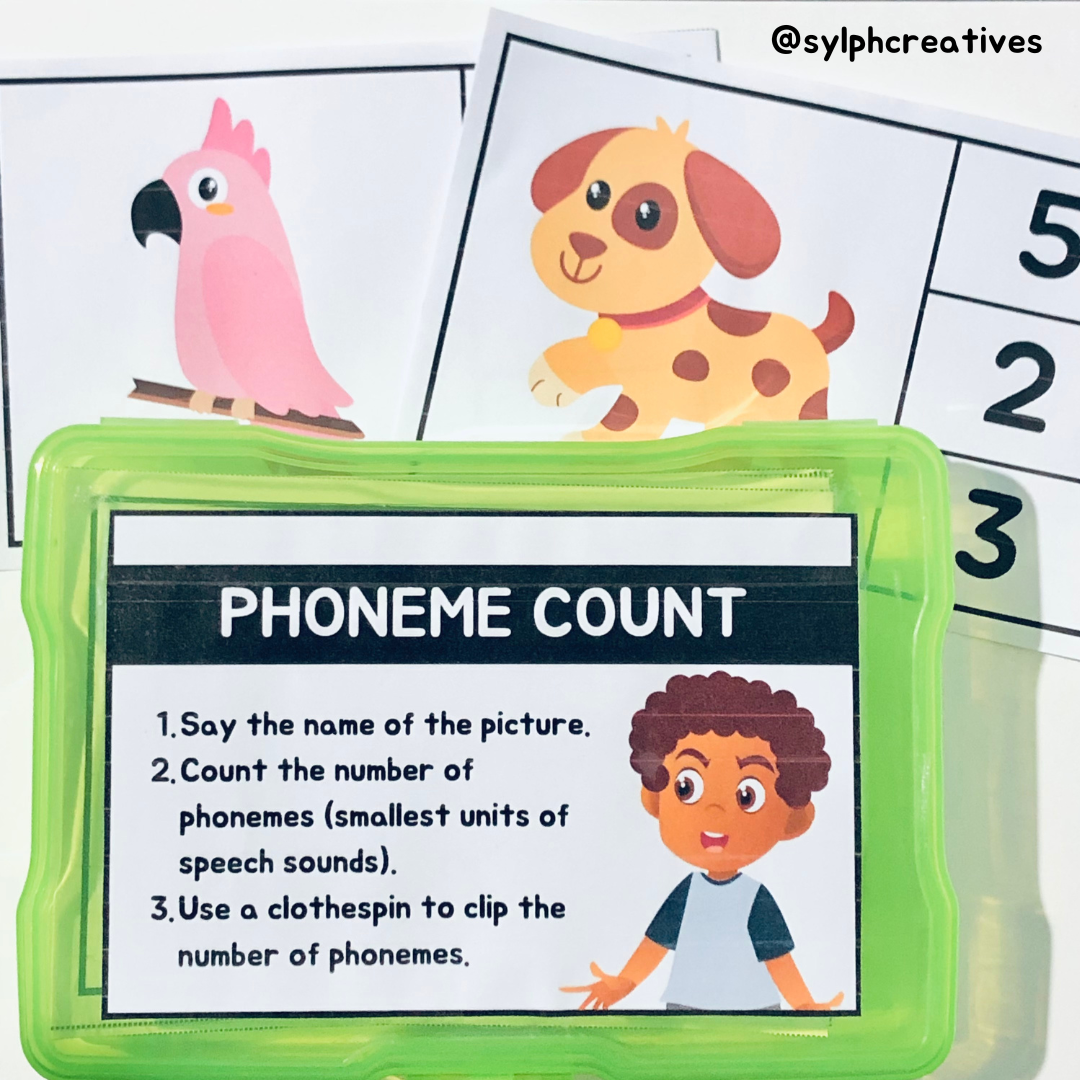
- Engaging Visuals: Incorporate colorful images or icons that relate to the sounds being taught. Engaging visuals can capture children’s attention and make the activity more enjoyable.
- Varied Difficulty Levels: Offer worksheets with different levels of complexity. For instance, start with two-phoneme words and gradually introduce three- and four-phoneme words as students become more confident.
- Interactive Elements: Include sections where children can draw or color to reinforce learning. For example, after counting phonemes, they might color pictures corresponding to the words they worked on.
Examples of Printable Preschool Classroom Phoneme Counting Activities
Here are some specific activities you can implement using printable resources:
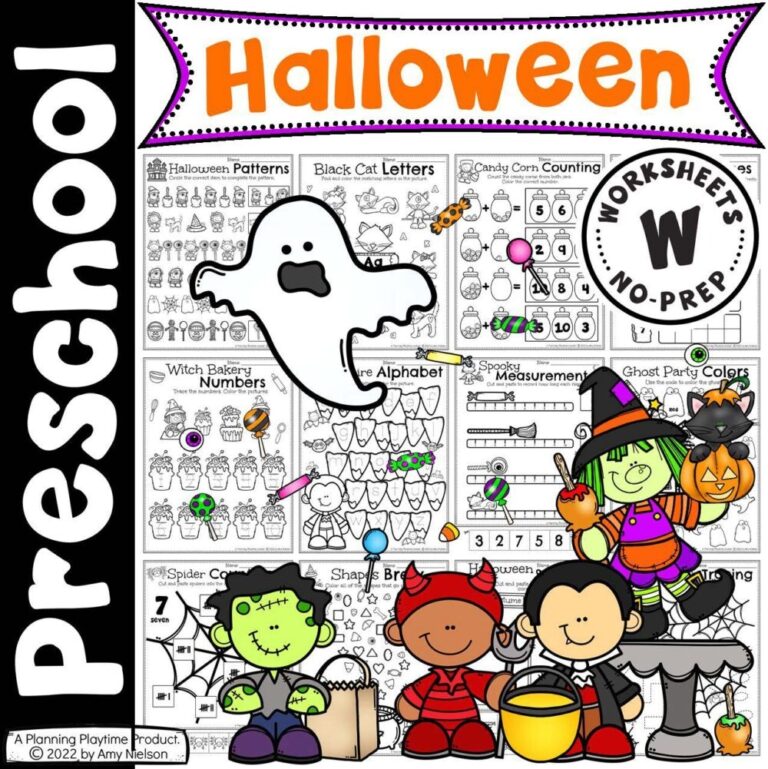
Phoneme Counting Worksheets
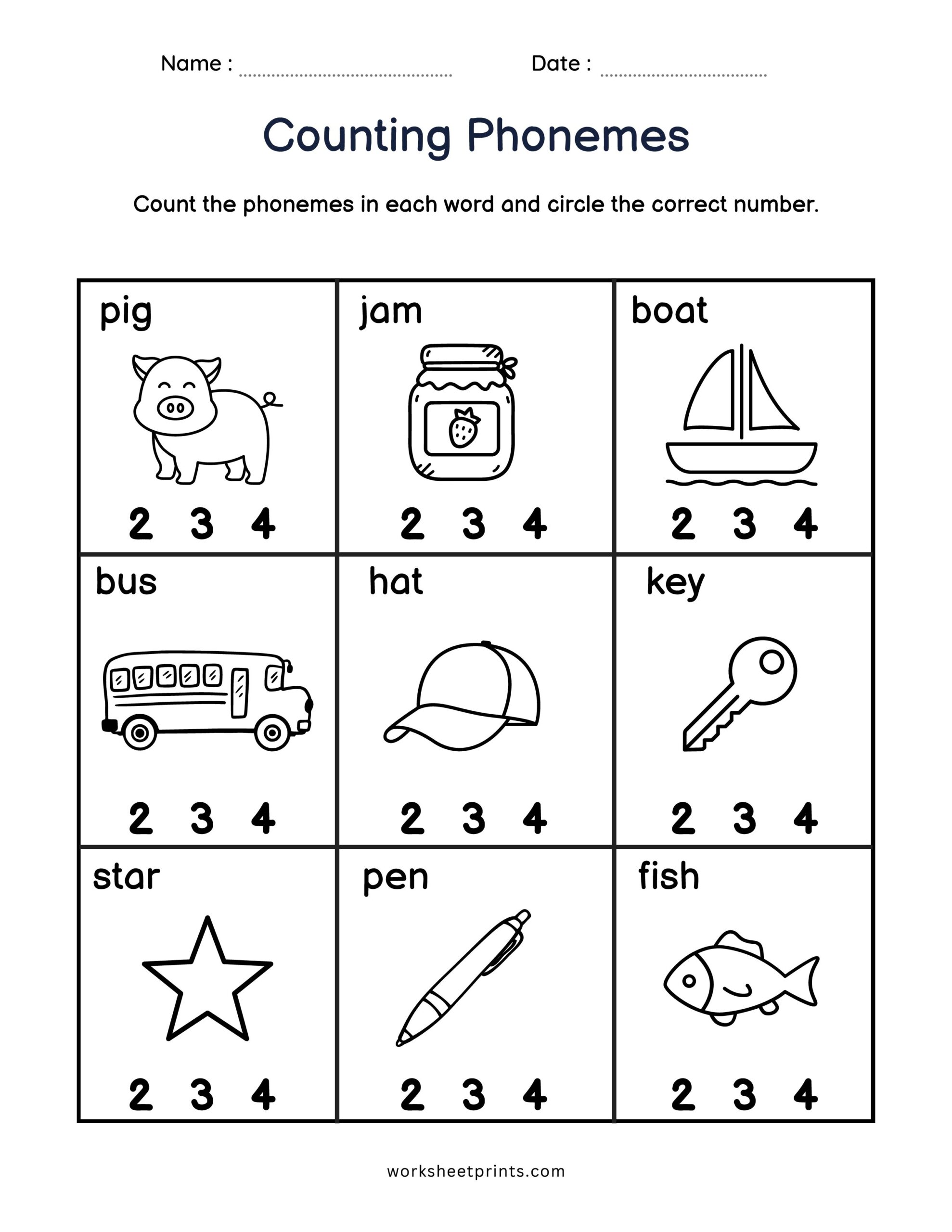
These worksheets typically present a series of pictures, each accompanied by a word. Children count the phonemes in each word and write the number in a designated box. For example, a picture of a “cat” would prompt students to count three sounds: /k/, /æ/, and /t/.
Sound Sorting Activities
Create worksheets that require children to sort words based on the number of phonemes. You can have columns for two, three, and four phoneme words. This helps reinforce their understanding of phoneme quantity and sound differentiation.
Interactive Phoneme Games
Printable game boards can make phoneme counting more dynamic. For instance, a game where children spin a wheel and land on a word to count its phonemes can add an element of fun. This can be easily printed and used in small groups or one-on-one sessions.
Rhyming Phoneme Activities
Incorporate rhyming activities where children identify and count phonemes in rhyming pairs. This not only builds phonemic awareness but also introduces them to phonological awareness, enhancing their overall literacy skills.
Tips for Using Printable Phoneme Counting Activities
To maximize the effectiveness of these printable resources, consider the following tips:
- Preparation: Print multiple copies of worksheets to accommodate different learners and keep them accessible for future use. Using cardstock can increase durability, especially in active classroom settings.
- Group Dynamics: Use these activities in small groups to encourage collaboration. Children can work together to count phonemes, helping each other along the way.
- Assessment: Monitor progress by checking completed worksheets. Look for mastery in counting phonemes; if a child consistently struggles, consider additional practice or one-on-one support.
Tracking Progress With Phoneme Counting Activities
To assess mastery of phonemic awareness through these activities, observe how children engage with the worksheets. Here are some indicators of progress:
- Accuracy in Counting: Children should be able to accurately count and write the number of phonemes in various words. Consistent mistakes may indicate a need for further practice.
- Engagement Level: Take note of how excited and engaged children are during these activities. Increased interest often correlates with better understanding.
- Confidence in Participation: Children who are mastering phoneme counting will likely express more confidence in sharing their answers and participating in discussions.
By incorporating these Printable Preschool Classroom Phoneme Counting Activities into your curriculum or home learning, you can effectively support young learners in developing crucial phonemic awareness skills. The right resources, combined with engaging activities, will foster a solid foundation in literacy that can benefit children as they progress in their education.