Phoneme Counting Practice Worksheets For Preschool Learners
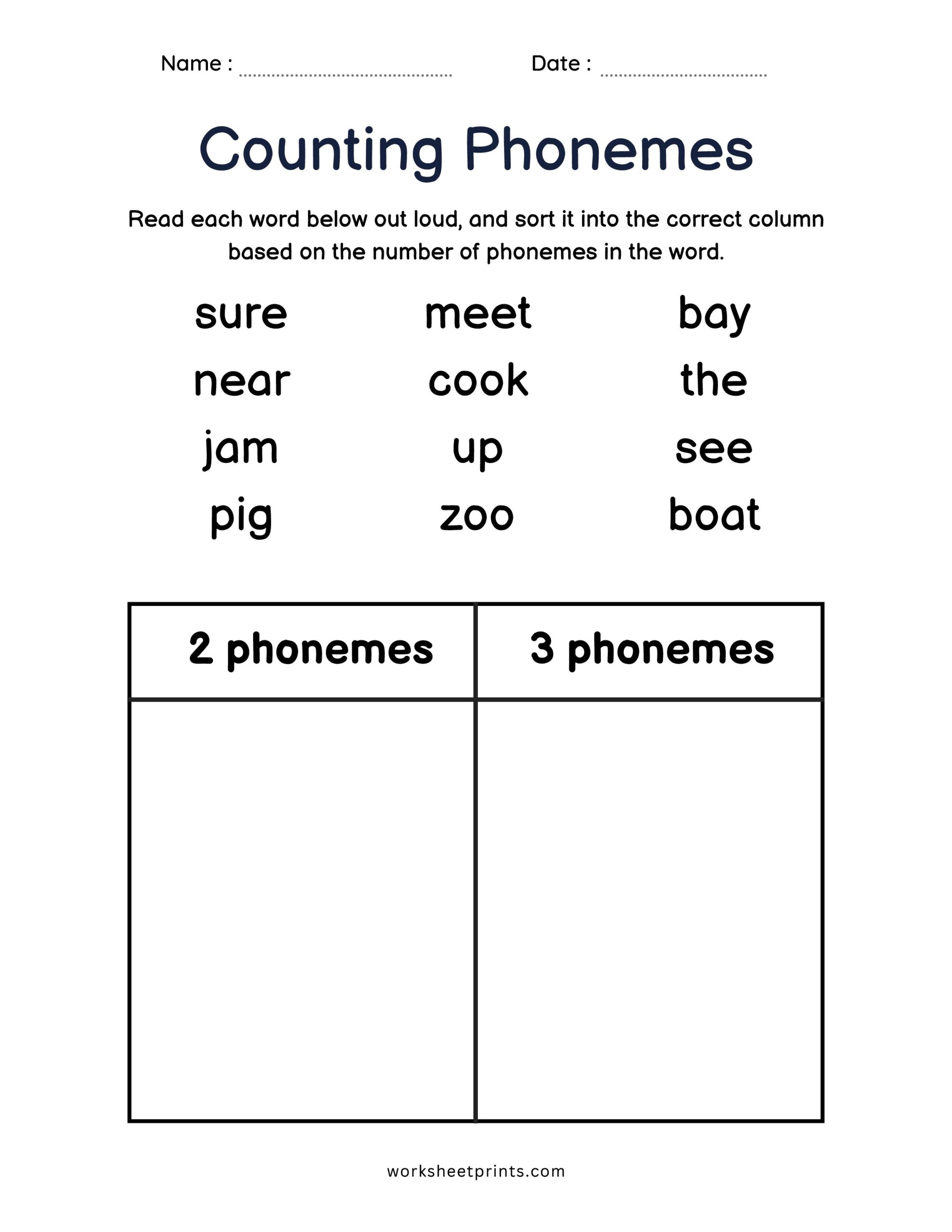
Phoneme counting practice worksheets for preschool learners are essential tools for developing foundational literacy skills. These worksheets help young children recognize and count phonemes, which are the individual sounds in words. Understanding phonemes is crucial for reading and spelling, making these worksheets a valuable resource for teachers and parents alike.
Understanding Phoneme Counting
Phoneme counting is the process of identifying and counting the distinct sounds in a word. For instance, the word “cat” has three phonemes: /k/, /æ/, and /t/. Teaching preschool learners to count these sounds helps them grasp the concept of language structure, paving the way for future reading success.
When introducing phoneme counting, it’s important to begin with simple words that contain a clear number of phonemes. This approach allows children to engage with the material without feeling overwhelmed.
Benefits of Phoneme Counting Practice Worksheets
Using phoneme counting practice worksheets offers several benefits:
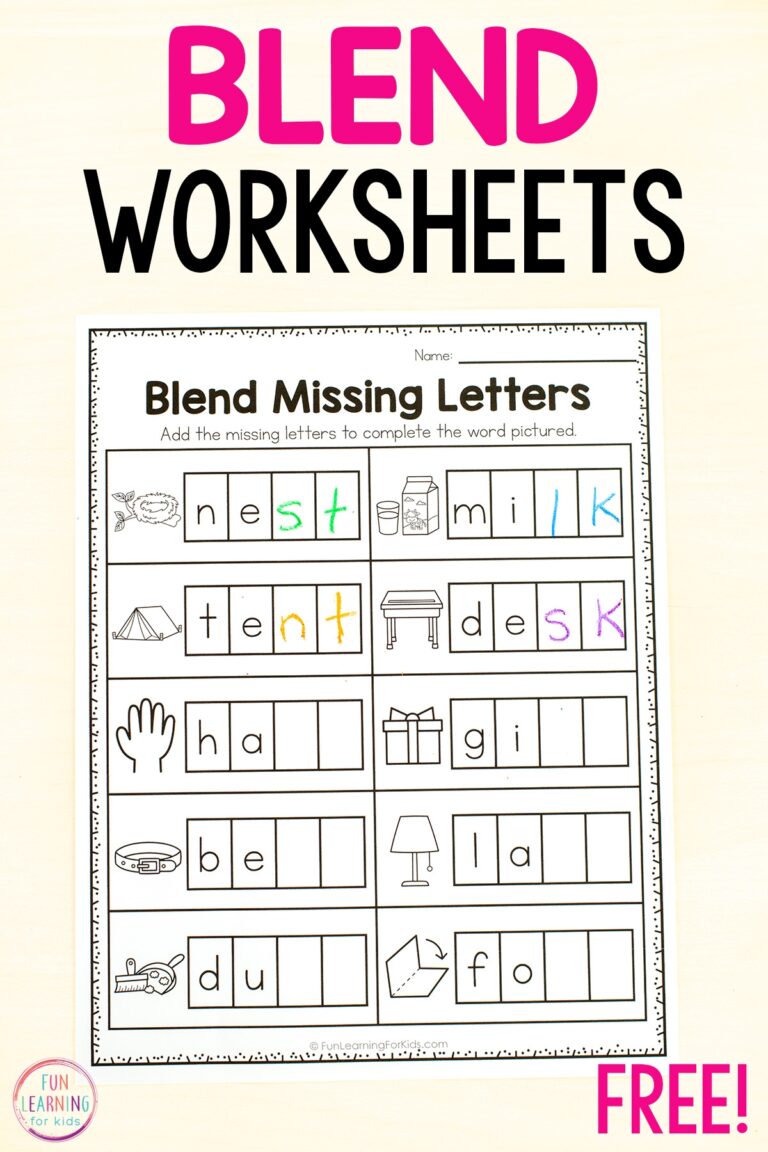
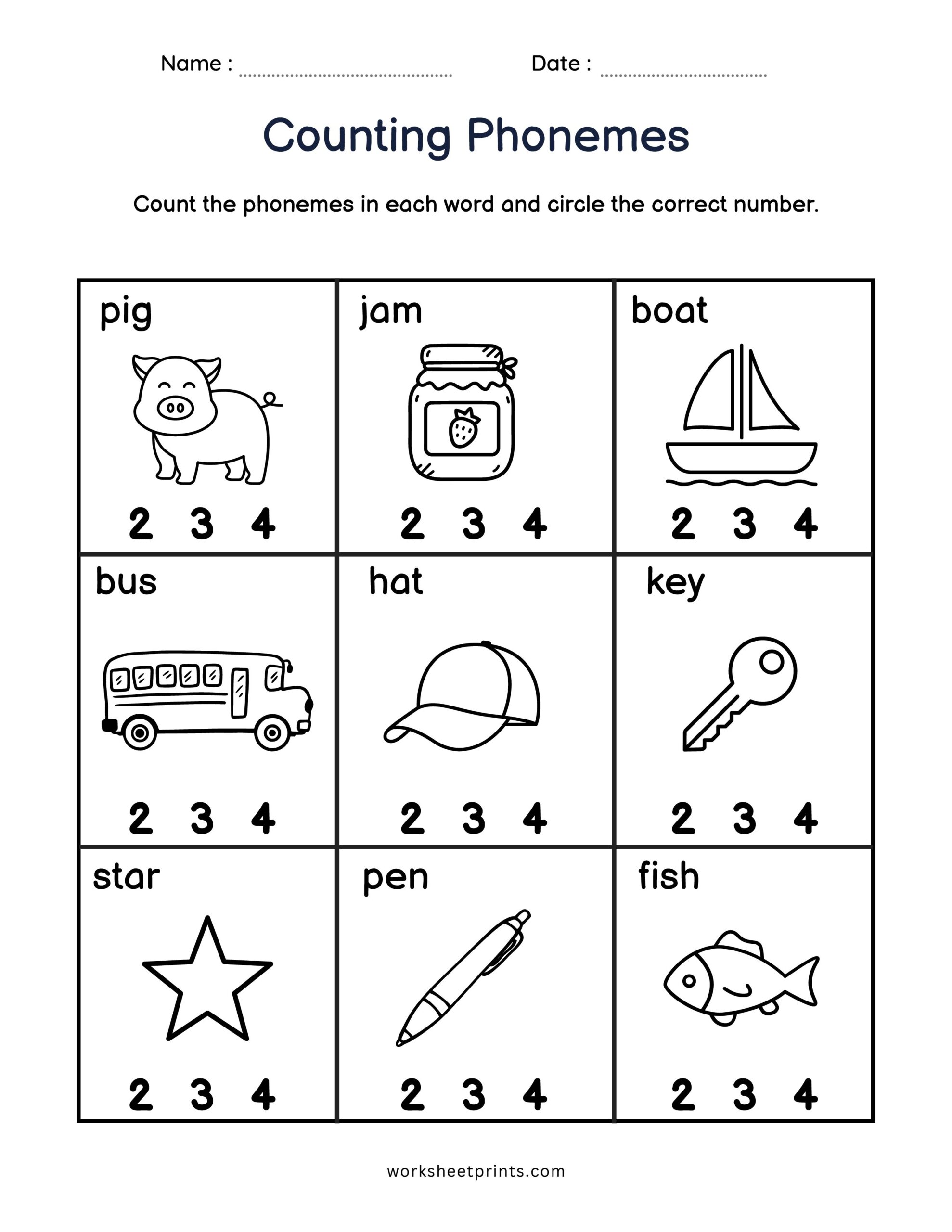
- Visual Learning: Worksheets provide a visual aid for learners, making abstract concepts more concrete. Children can see the words and physically count the sounds.
- Reinforcement of Skills: Regular practice through worksheets reinforces phonemic awareness, helping children become more confident in their reading abilities.
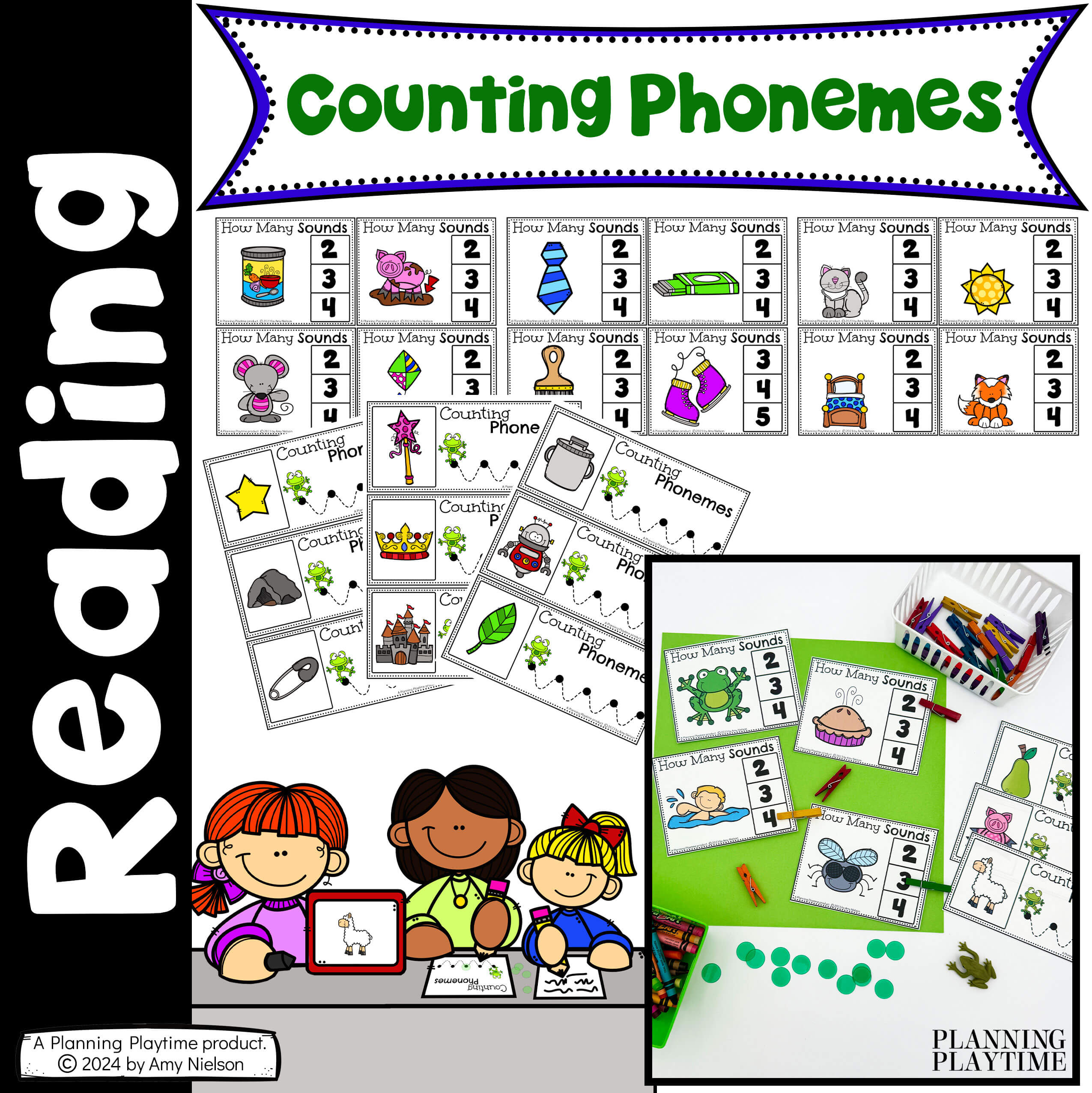
- Engagement: Worksheets often include fun illustrations and activities that keep children engaged while they learn.
By incorporating phoneme counting worksheets into your teaching strategy, you can provide a structured yet enjoyable learning experience.
Choosing the Right Worksheets
When selecting phoneme counting practice worksheets for preschool learners, consider the following factors:
- Age Appropriateness: Ensure that the worksheets are designed for preschool learners, typically ages 3-5. Look for materials that match their developmental stage.
- Content Variety: Choose worksheets that cover a range of words, including both simple CVC (consonant-vowel-consonant) words and slightly more complex ones. This variety keeps practice interesting and challenging.
- Interactive Elements: Some worksheets include coloring activities or matching games that make learning more interactive. These elements can help maintain engagement and motivation.
You can often find phoneme counting worksheets available for download online, which can be printed easily for classroom or home use.
Printing and Preparing Worksheets
Once you’ve chosen your worksheets, it’s time to prepare them for use. Here are some practical tips:
- Paper Type: For durability, consider printing on cardstock rather than regular printer paper. This is especially useful if you plan to laminate the worksheets for repeated use.
- Print Settings: Set your printer to portrait layout to ensure that the worksheets fit well on standard letter-sized paper (8.5 x 11 inches). Check your printer settings to avoid any unexpected formatting issues.
- Bulk Printing: If you’re teaching a class, print multiple copies of each worksheet to save time and effort. This way, every student can have their own worksheet during the lesson.
Having a well-organized stack of worksheets ready to go can streamline your lesson planning and execution.
How to Use Phoneme Counting Worksheets in Practice
Using phoneme counting practice worksheets effectively involves more than just handing them out. Here’s a step-by-step approach:
- Introduction: Begin by introducing the concept of phonemes to your students. You might say something like, “Today, we’re going to learn about the sounds in words. Let’s count how many sounds we can hear!”
- Model the Process: Take a word and model how to count the phonemes. For example, say the word “dog” slowly and count the sounds: /d/, /ɔ/, /g/.
- Guided Practice: Hand out the worksheets and go through a few examples together as a class. Encourage students to say the words aloud and count the sounds with you.
- Independent Practice: Allow children to work on the worksheets independently. Circulate around the room to offer guidance and support as needed.
- Review: After the worksheets are completed, review the answers as a class. Discuss any challenges students faced and clarify any misunderstandings.
This structured approach ensures that students not only understand how to count phonemes but also why it matters.
Incorporating Phoneme Counting Into Daily Activities
To reinforce phoneme counting skills, consider integrating this practice into daily classroom activities:
- Phoneme Games: Create simple games that involve sound counting, such as “Phoneme Bingo,” where students match words with a specific number of sounds.
- Storytime Activities: During storytime, pause to identify and count the phonemes in key words. This can make phoneme counting feel relevant and fun.
- Home Connections: Encourage parents to engage in phoneme counting at home by asking them to practice with everyday words. Provide a simple guide or handout to help them understand how to support their child’s learning.
By embedding phoneme counting into various activities, you help solidify the skill in a fun and engaging way.
Final Considerations for Effective Teaching
When teaching phoneme counting, remember that patience and encouragement go a long way. Each child learns at their own pace, and some may take longer to grasp the concept than others. Celebrate small victories and provide positive reinforcement to keep students motivated.
Additionally, consider keeping an answer key for your worksheets. This will streamline the grading process and allow for quick feedback.
Lastly, don’t forget to adapt worksheets based on the needs of your learners. Some children may benefit from additional support, such as pairing them with a buddy or providing one-on-one assistance.
In essence, phoneme counting practice worksheets for preschool learners are not just about completing a task; they are stepping stones to building essential literacy skills that will serve children throughout their educational journey.