Printable Kindergarten Classroom Phoneme Addition Deletion Activities
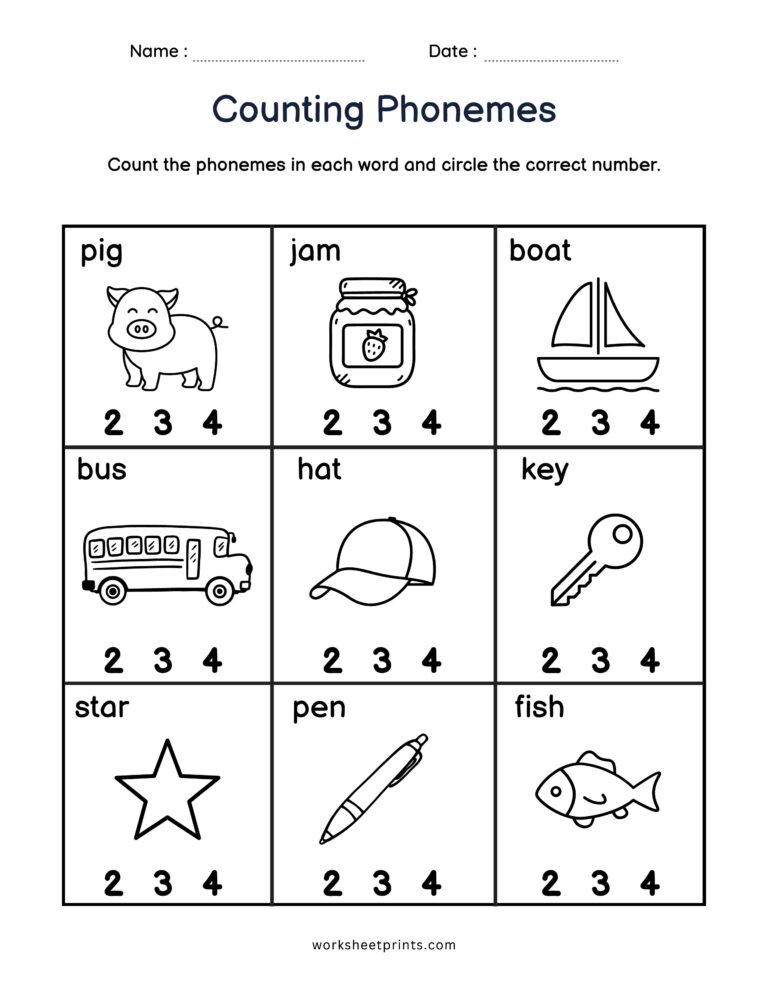
In teaching young children, phonemic awareness is a fundamental skill that lays the groundwork for reading success. Printable Kindergarten Classroom Phoneme Addition Deletion Activities are an excellent way to make this learning process engaging and effective. These activities help children understand how sounds function in words, which is crucial for developing their reading and spelling skills.
Understanding Phoneme Addition and Deletion
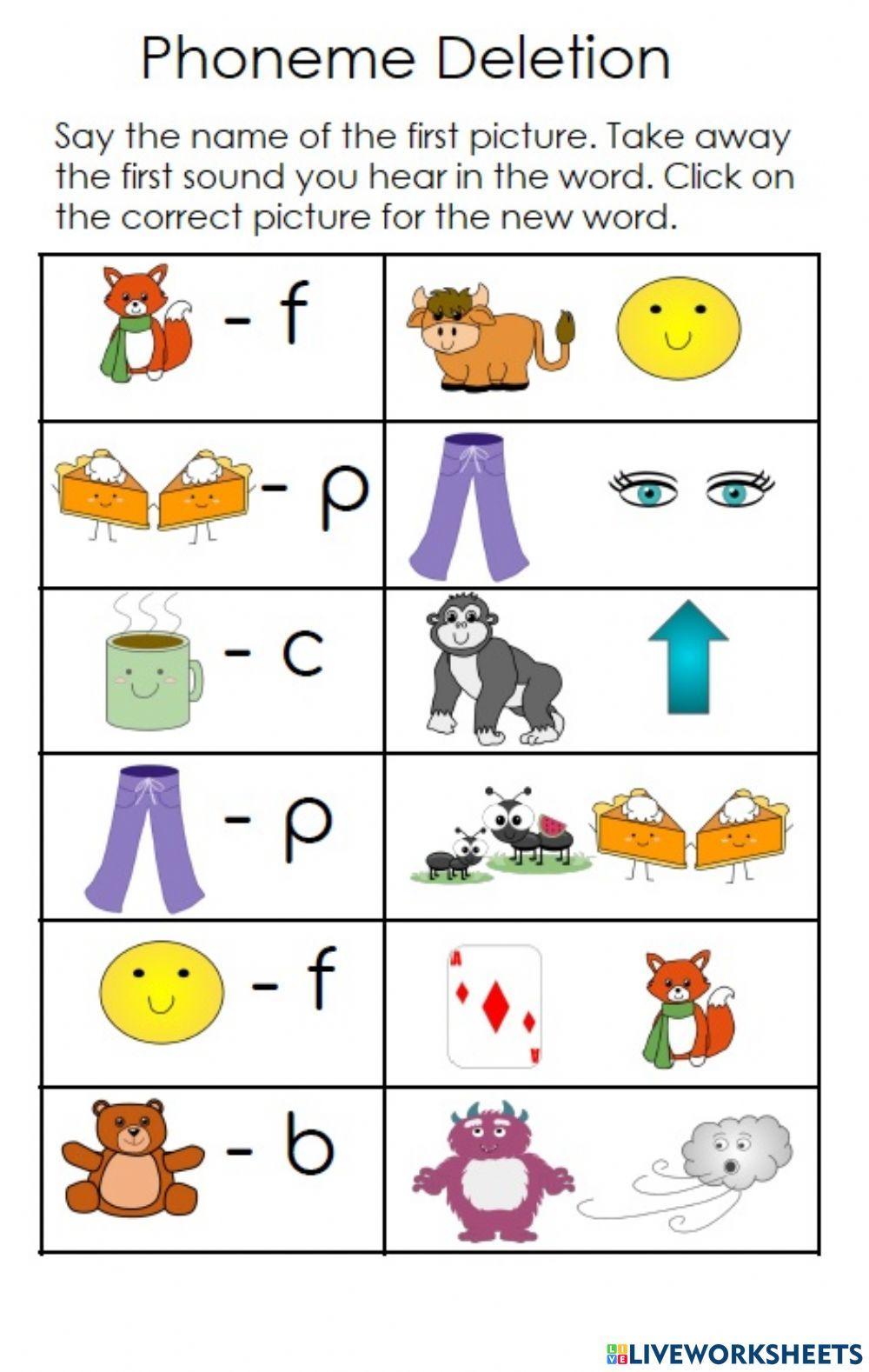
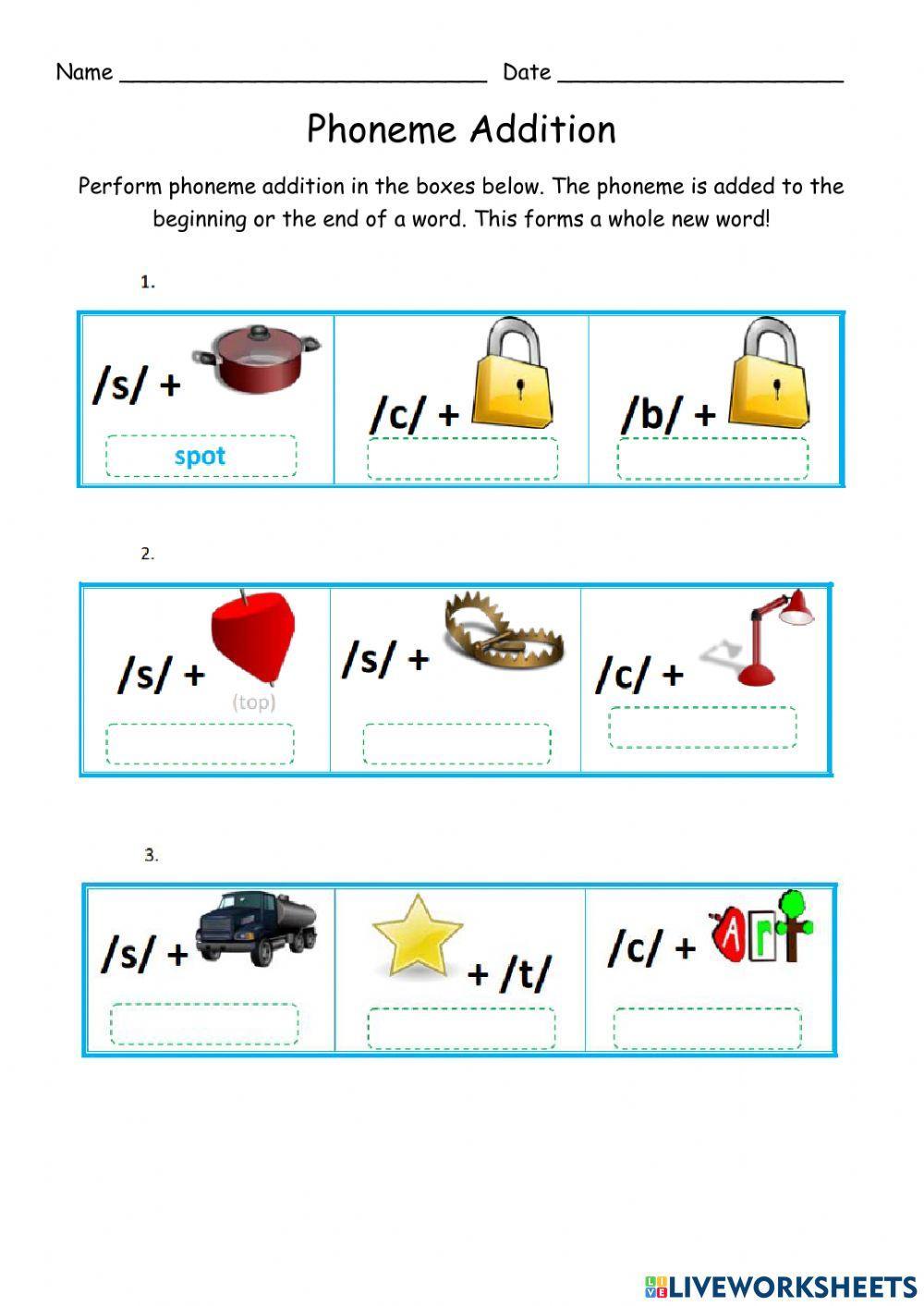
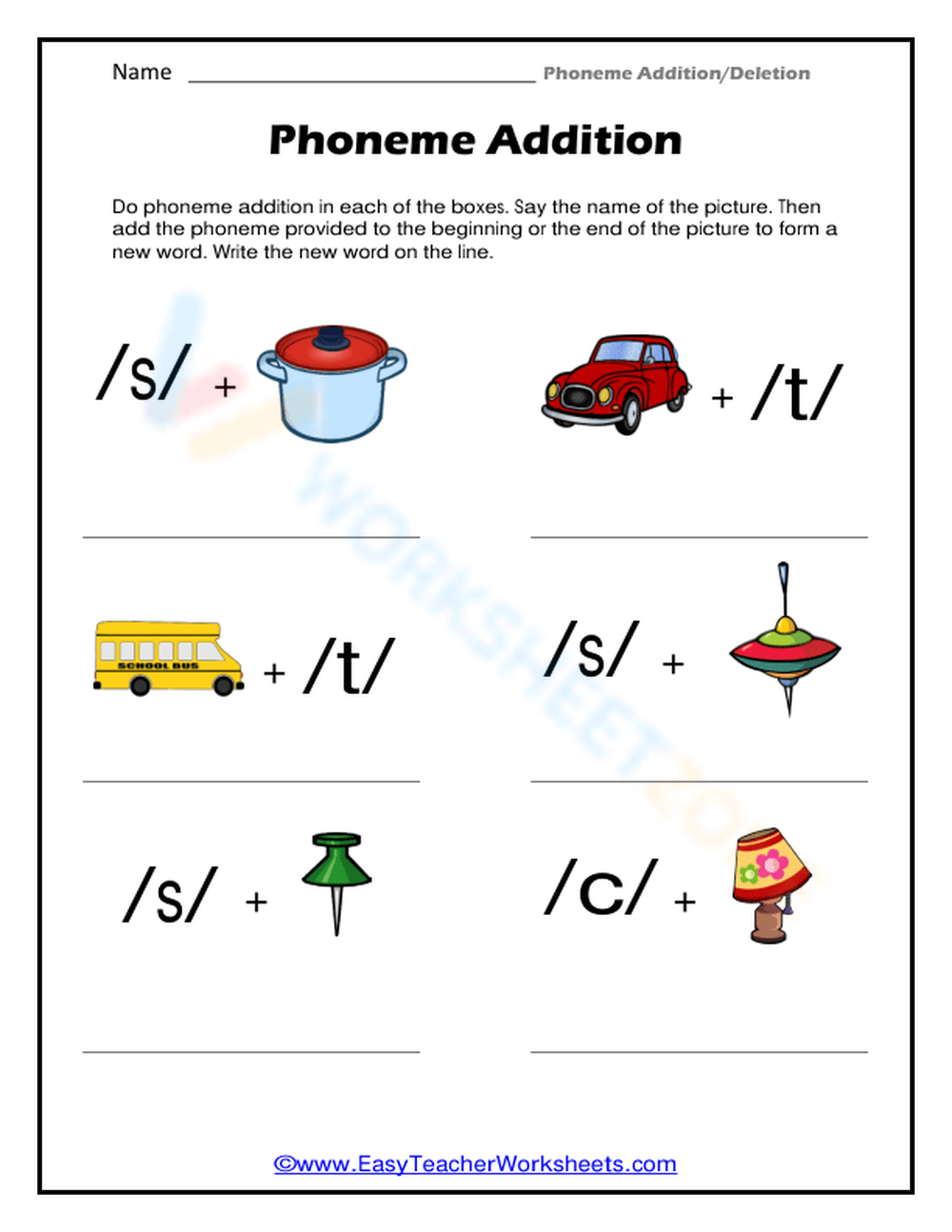
Phoneme addition and deletion activities involve manipulating sounds within words. For example, when a child adds a sound to a word, they might change “at” to “bat” by adding the /b/ sound. In contrast, deletion involves removing a sound, such as changing “spot” to “pot” by taking away the initial /s/ sound. These exercises are designed to strengthen children’s ability to hear, identify, and work with individual sounds in spoken words, which is essential for reading proficiency.
Understanding these concepts will help you implement the activities effectively. You’ll notice that children who practice phoneme manipulation can decode words more easily and gain confidence in their reading abilities.
Selecting the Right Printable Activities
When choosing printable Kindergarten Classroom Phoneme Addition Deletion Activities, consider the following:
- Age Appropriateness: Ensure the activities are suitable for kindergarteners, typically ages 5-6. They should be engaging and visually appealing to this age group.
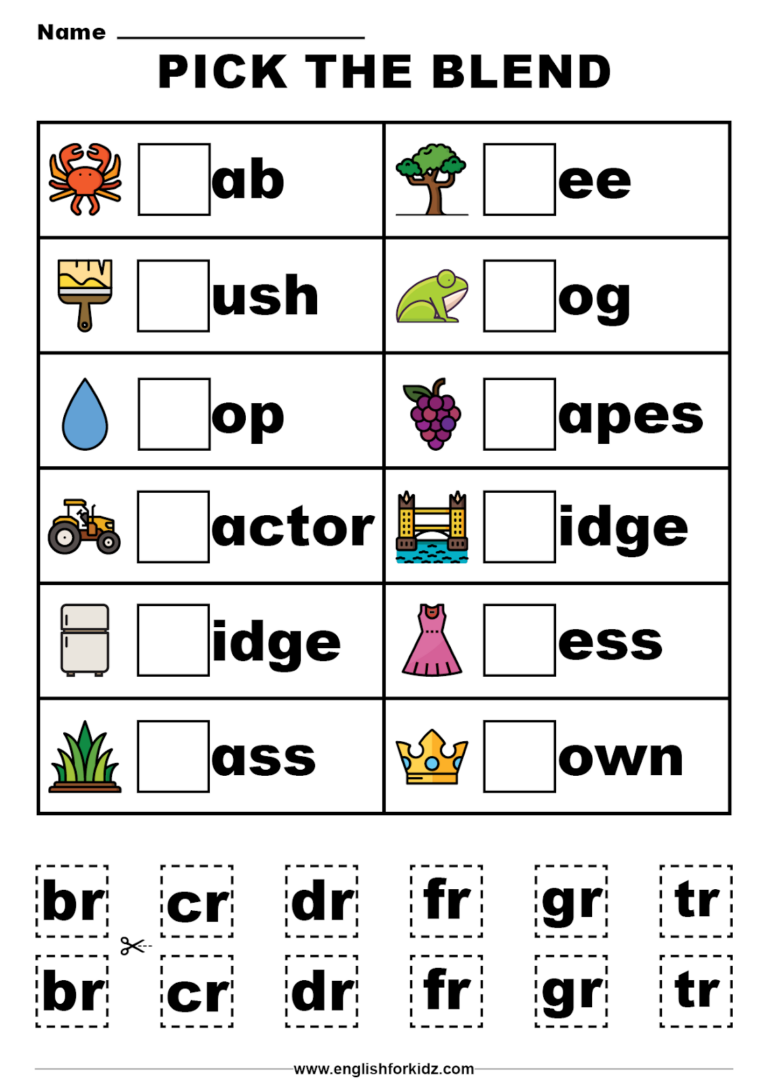
- Variety of Formats: Look for worksheets that include various formats, such as matching games, fill-in-the-blank exercises, or interactive activities that involve cutting and pasting sounds.
- Clear Instructions: Each activity should have straightforward directions to facilitate independent work. This allows kids to practice without needing constant guidance.
You can find many templates online, often in PDF format, which makes printing easy and convenient.
Setting Up Your Activities
Once you’ve selected your printable activities, it’s time to prepare them for use. Here’s a step-by-step guide:
- Download the Materials: Make sure to download the activities from a reputable source. Check that the files are in PDF format to avoid formatting issues when printing.
- Print the Worksheets: Use standard letter-sized paper (8.5 x 11 inches) for most activities. If you prefer durability, consider printing on cardstock. This is especially useful if you plan to laminate the sheets for repeated use.
- Organize the Activities: Group similar activities together. For instance, you might have a section for phoneme addition activities and another for deletion activities. This organization helps streamline your lessons.
- Gather Necessary Supplies: Depending on the activities, you might need scissors, glue sticks, crayons, or markers. Having everything ready will make the activity run smoothly.
Implementing the Activities in the Classroom
Integrating these phoneme activities into your classroom schedule can be both fun and educational. Here are steps to make the most of them:
- Daily Practice: Incorporate one or two phoneme activities into your daily routine. Consistent practice is key to reinforcing these skills. Spacing the activities throughout the week helps to prevent overwhelming the children.
- Small Group Work: Consider forming small groups during phonemic exercises. This approach allows for more personalized attention and encourages peer learning. Children can help each other and share their thought processes as they work through the activities.
- Use Visual Aids: Accompany the worksheets with visual aids such as flashcards or sound charts. These can be helpful reminders for students as they practice manipulating sounds.
- Engage with Songs and Rhymes: Phonemic awareness can also be reinforced through music and rhymes. Incorporate songs that emphasize phonemes to make learning more enjoyable.
Assessing Progress
As you implement these activities, it’s essential to assess your students’ understanding and progress. Here are some methods to do this:
- Observation: Watch how students engage with the activities. Are they able to manipulate sounds with ease? Do they show excitement during the lessons?
- Informal Assessments: Use simple assessments like asking students to orally manipulate sounds or complete a worksheet in front of you. This will help you gauge their understanding without the pressure of formal testing.
- Feedback: Provide immediate feedback as they work through the activities. Praise their efforts and gently correct mistakes to guide their learning.
By regularly observing and assessing students, you’ll be able to tailor your instruction to meet their needs effectively.
Reinforcing Skills at Home
Encouraging phonemic awareness doesn’t have to stop at school. Here are ways parents can reinforce these skills at home:
- Home Activities: Share printable activities with parents for home practice. Encourage them to work with their children on phoneme addition and deletion during playtime.
- Reading Together: Suggest reading books that emphasize phonemic sounds. Ask questions about the sounds in words to engage children further.
- Games: Recommend phoneme games that families can play together, such as “I Spy” with sounds or rhyming games.
By involving parents in the learning process, you create a supportive environment for their children to thrive in literacy.