Free Kindergarten Worksheets About Phoneme Counting
Sitting at a kitchen table, Mia, a bright-eyed kindergartener, eagerly points to her favorite worksheet laid out before her. Today, she’s diving into Free Kindergarten Worksheets About Phoneme Counting, a resource designed to make learning fun and interactive. As she circles sounds in her colorful worksheets, her mother, Sarah, is delighted to see how engaged Mia is while developing crucial phonemic awareness skills. guide you through using these worksheets effectively, ensuring that both teachers and parents can support young learners in a relaxed and enjoyable setting.
Understanding Phoneme Counting
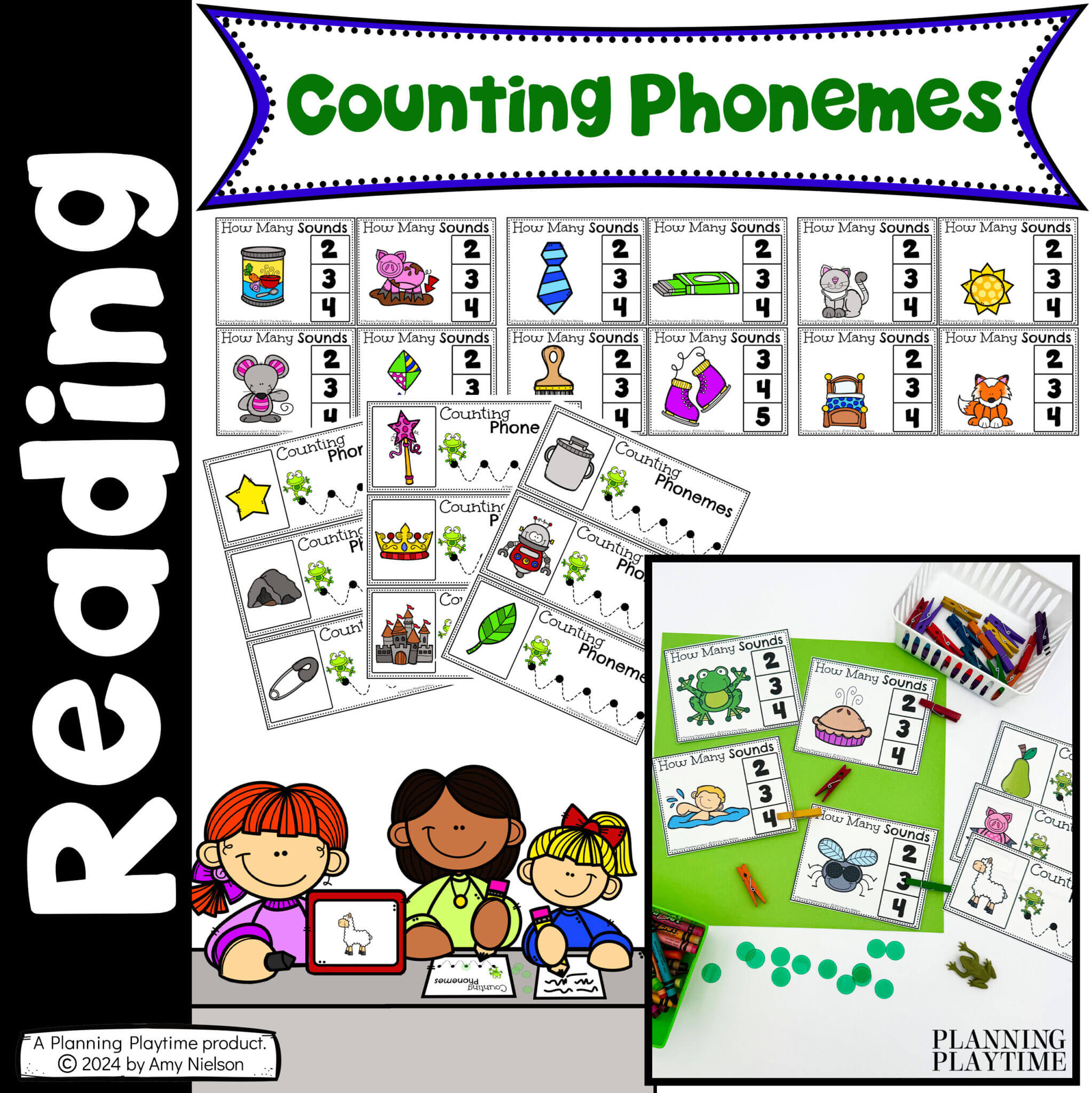
Phoneme counting is an essential skill in early literacy development. It helps children break down words into individual sounds, or phonemes, which is crucial for reading and spelling. For instance, the word “cat” consists of three phonemes: /k/, /æ/, and /t/. By mastering phoneme counting, children can improve their decoding skills, making it easier for them to read unfamiliar words.
For kindergarteners, engaging with phoneme counting worksheets can simplify this complex concept. These worksheets typically include activities that encourage children to listen for sounds, identify them in words, and practice counting them. The hands-on approach makes learning enjoyable and helps solidify their understanding of phonemic structures in a playful manner.
How to Use the Worksheets at Home
Incorporating Free Kindergarten Worksheets About Phoneme Counting into your daily routine can be straightforward and effective. Here are some practical steps to help you get started:
- Set a Routine: Choose a specific time each day for phoneme practice. This could be right after lunch or during a quiet moment in the afternoon. Consistency helps children know what to expect.
- Create a Comfortable Space: Designate a quiet area free from distractions where your child can work on their worksheets. A well-lit table with their favorite crayons or markers can make the experience more inviting.
- Engage in Discussion: Before starting the worksheets, have a brief conversation about phonemes. Ask questions like, “What sounds do you hear in the word ‘dog’?” This primes their minds for the activities ahead.
- Work Together: Initially, sit with your child as they complete the worksheets. Provide guidance and encouragement, helping them sound out words and count phonemes. This shared experience can strengthen your bond and make learning feel less daunting.
- Celebrate Progress: After completing a worksheet, celebrate their achievements, no matter how small. Praise their efforts and discuss what they found easy or challenging. This positive reinforcement will motivate them to keep learning.
Types of Activities Included in the Worksheets
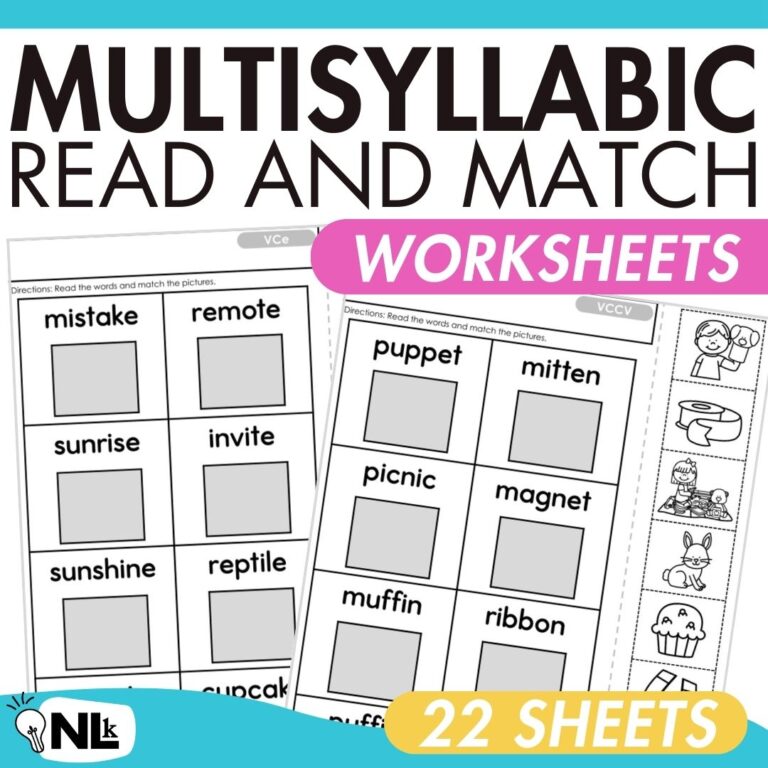
The Free Kindergarten Worksheets About Phoneme Counting often come with a variety of engaging activities that are designed to reinforce phonemic awareness. Here are some common types you might find:
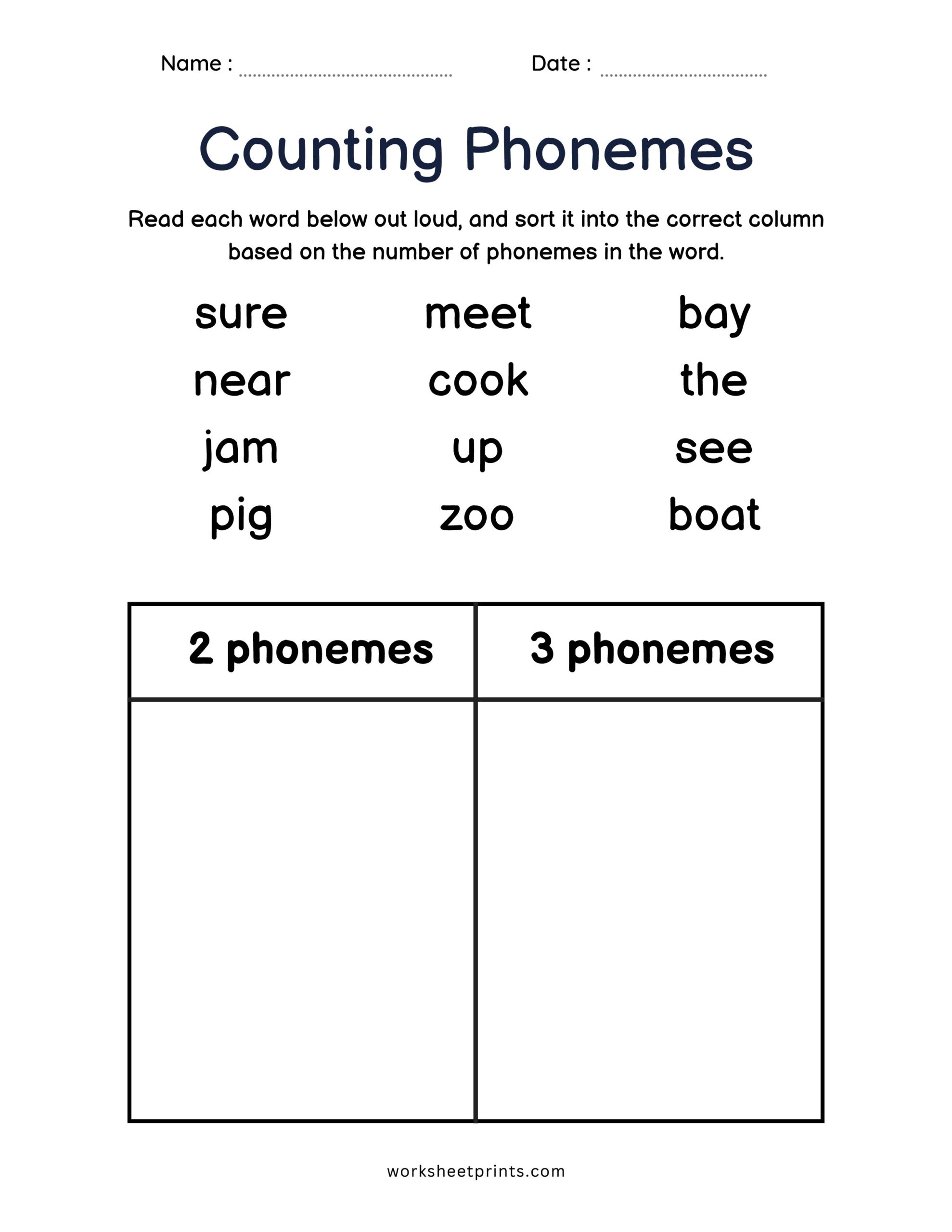
- Sound Sorting: Children are asked to sort pictures based on the initial sounds of words. For instance, they might group ‘cat’ and ‘car’ together because they both start with the /k/ sound.
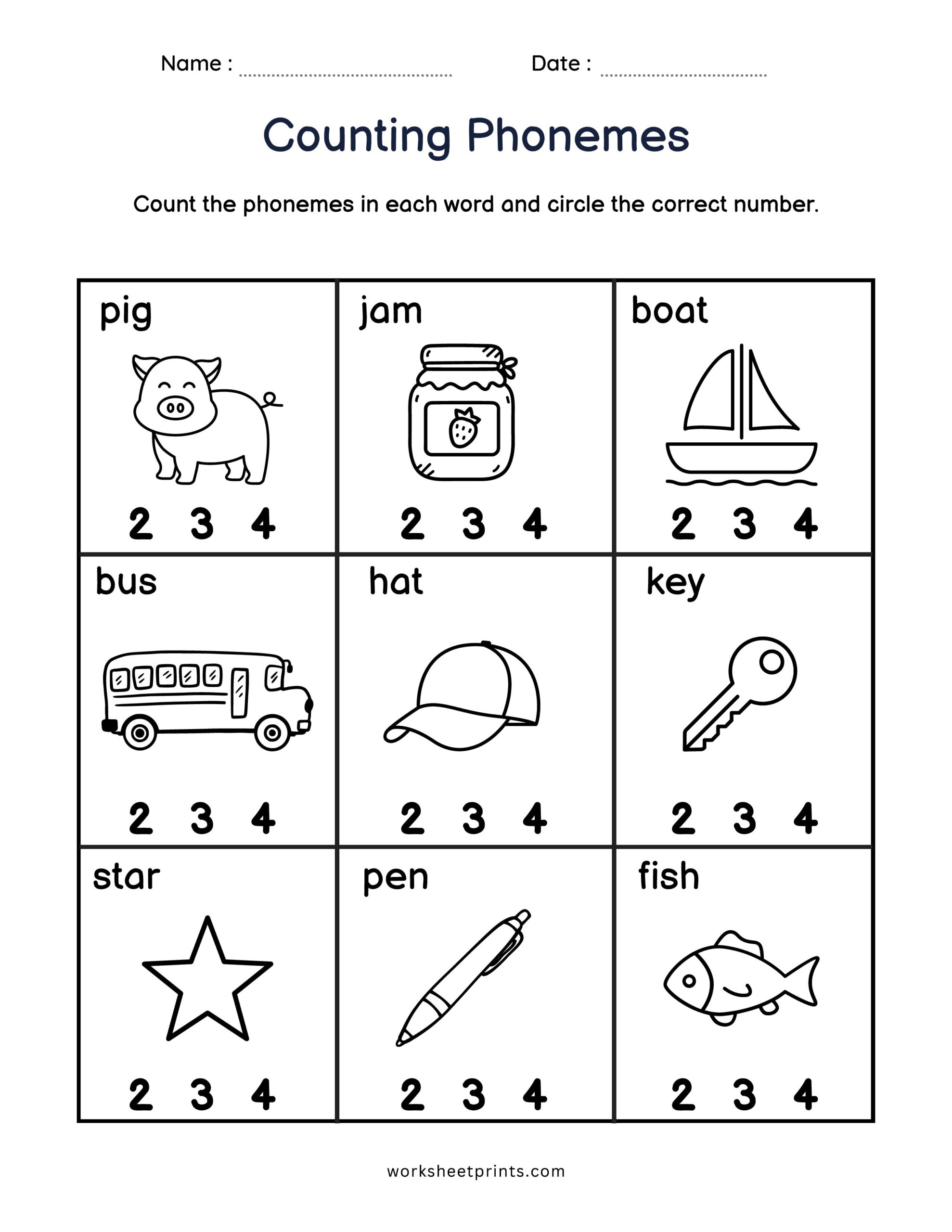
- Counting Phonemes: Worksheets may include exercises where children listen to a word and write down the number of phonemes they hear. This helps them practice their counting skills alongside phonemic awareness.
- Fill in the Blanks: Children might be asked to fill in missing letters in words based on phonemic clues. This encourages them to think critically about sounds and letters simultaneously.
- Coloring Activities: Some worksheets combine phoneme counting with coloring, where children color in pictures that correspond to specific sounds. This adds a creative element to their learning.
Tips for Maximizing Learning With Worksheets
While worksheets are an excellent resource, there are ways to enhance the learning experience further. Here are some tips you can implement:
- Use Real-World Examples: Encourage your child to find words around the house or in their environment that contain similar sounds. For example, point out objects like ‘lamp’ or ‘book’ and count the phonemes together.
- Incorporate Movement: Turn phoneme counting into a game. For instance, you could create a phoneme hopscotch where they jump on numbers representing the sounds in a word.
- Mix It Up: Don’t rely solely on worksheets. Incorporate phoneme counting games, songs, and rhymes to keep the learning experience fresh and engaging.
- Monitor Progress: Keep track of the worksheets your child completes. This will give you insights into their progress and areas that may need more practice.
- Adjust for Difficulty: If your child finds certain worksheets too easy or too challenging, don’t hesitate to adjust the difficulty level. Choose worksheets that match their current skill level to keep them motivated.
Resources for Finding Free Worksheets
If you’re looking for Free Kindergarten Worksheets About Phoneme Counting, there are several resources available online. Many educational websites offer free downloads and printable versions, ensuring you have plenty of options to choose from. Here are a few places to start:
- Educational Websites: Websites like Teachers Pay Teachers and Education.com often have free resources created by teachers.
- School District Resources: Check your local school district’s website for downloadable worksheets and resources tailored for kindergarten phonemic awareness.
- Printables Blogs: Many parenting and teaching blogs offer free printable worksheets, often themed to make learning more enjoyable.
- Library Resources: Don’t forget your local library! Many libraries offer free access to educational materials, including worksheets and activity books.
Incorporating Free Kindergarten Worksheets About Phoneme Counting into your routine can create a fun, interactive, and productive learning environment. By using these resources thoughtfully, you can help your child develop essential phonemic awareness skills that are foundational for their reading journey. So, gather your materials, set up a cozy learning space, and watch your young learner thrive as they explore the world of sounds!