Free Printable Preschool Syllable Types Identification Exercises
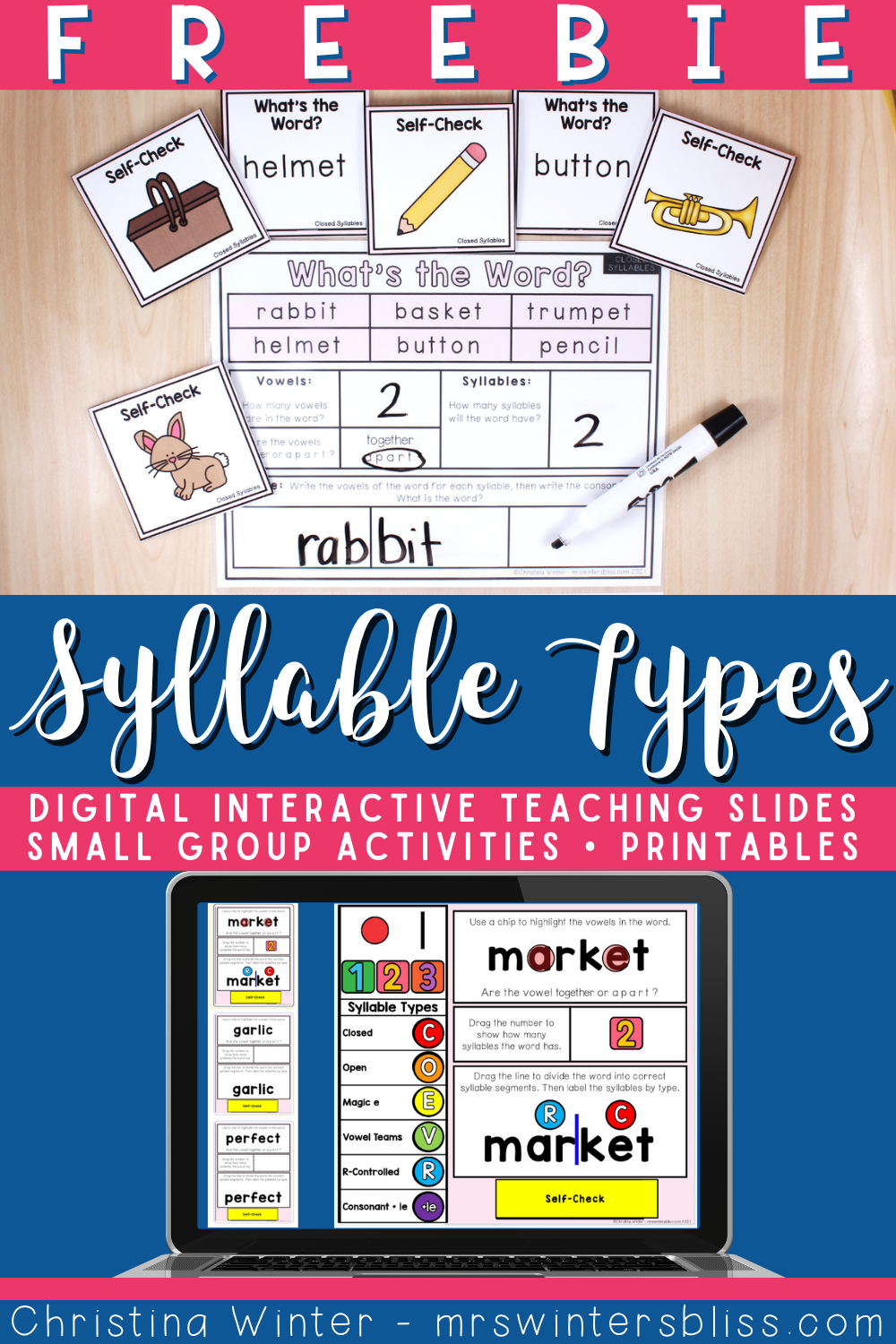
Identifying syllable types is a crucial skill for preschoolers as they embark on their literacy journey. These exercises not only make learning fun but also help children understand the different types of syllables—closed, open, silent e, and others. The Free Printable Preschool Syllable Types Identification Exercises are designed specifically for young learners, providing clear visual aids and interactive activities to enhance their understanding. Let’s explore how you can effectively use these resources in your classroom or at home.
Understanding Syllable Types
Before diving into the exercises, it’s essential to grasp what syllables are and why identifying their types matters. A syllable is a unit of sound in a word, and recognizing the different types helps children decode words, which is foundational for reading.
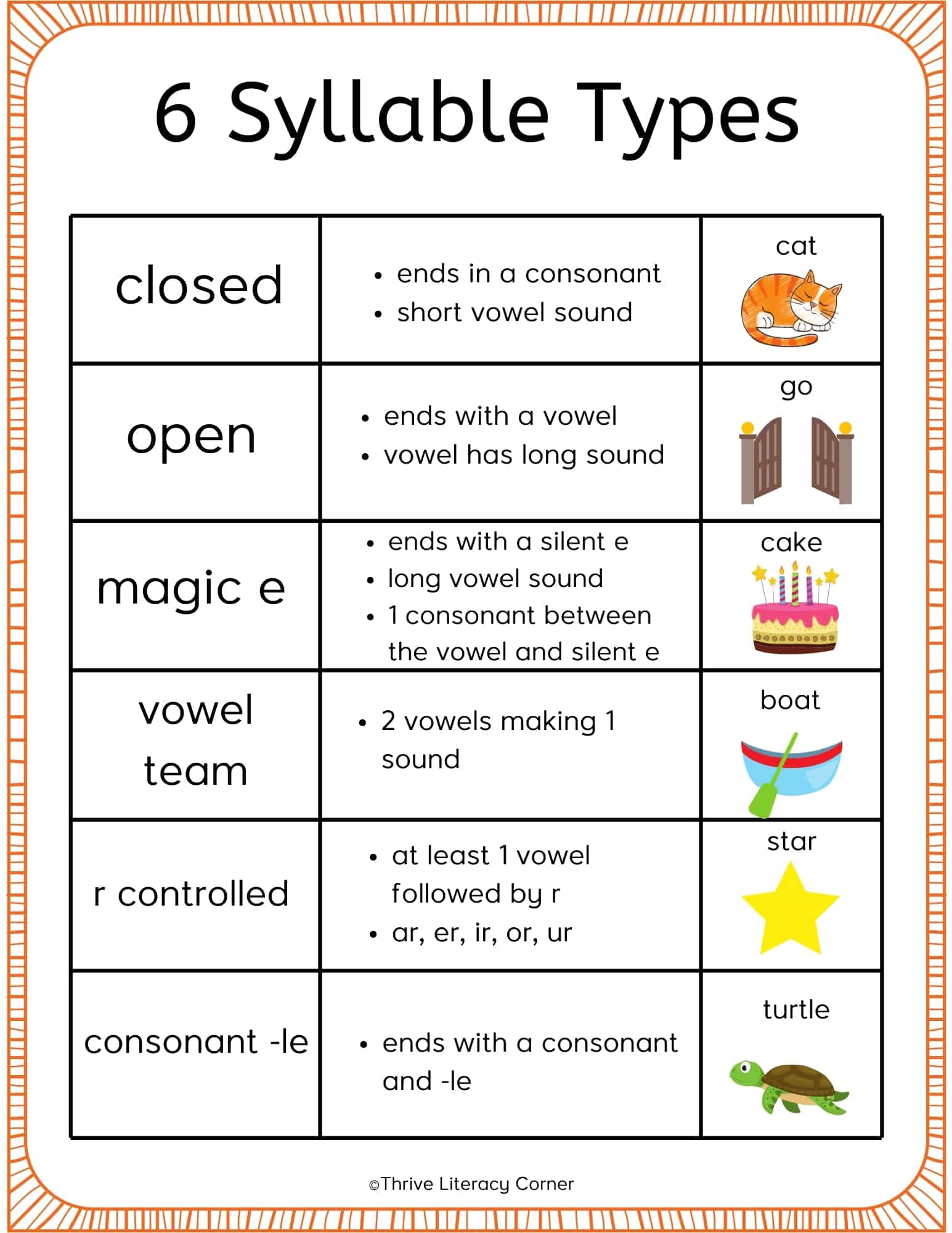
There are typically six types of syllables in English:
- Closed Syllable: Ends in a consonant (cat, dog).
- Open Syllable: Ends in a vowel (go, he).
- Silent e Syllable: Ends with a silent ‘e’ (cake, time).
- Vowel Team Syllable: Contains two vowels that make one sound (team, boat).
- R-controlled Syllable: Contains a vowel followed by ‘r’ (car, bird).
- Consonant-le Syllable: Ends with a consonant followed by ‘le’ (table, apple).
By understanding these types, preschoolers can develop better reading and spelling skills. The exercises you’ll find here target these specific syllable types, allowing children to practice identification and application.
Features of the Printable Exercises
The Free Printable Preschool Syllable Types Identification Exercises are crafted with teachers and young learners in mind. Here’s what you can expect from the layout and design:
- Visual Appeal: Each page is colorful and engaging, which captures the attention of preschoolers. Bright images and clear fonts make it easy for children to focus on the task at hand.
- Structured Sections: The worksheets are divided into sections for each syllable type. This structure helps children understand the differences clearly and focus on one type at a time.
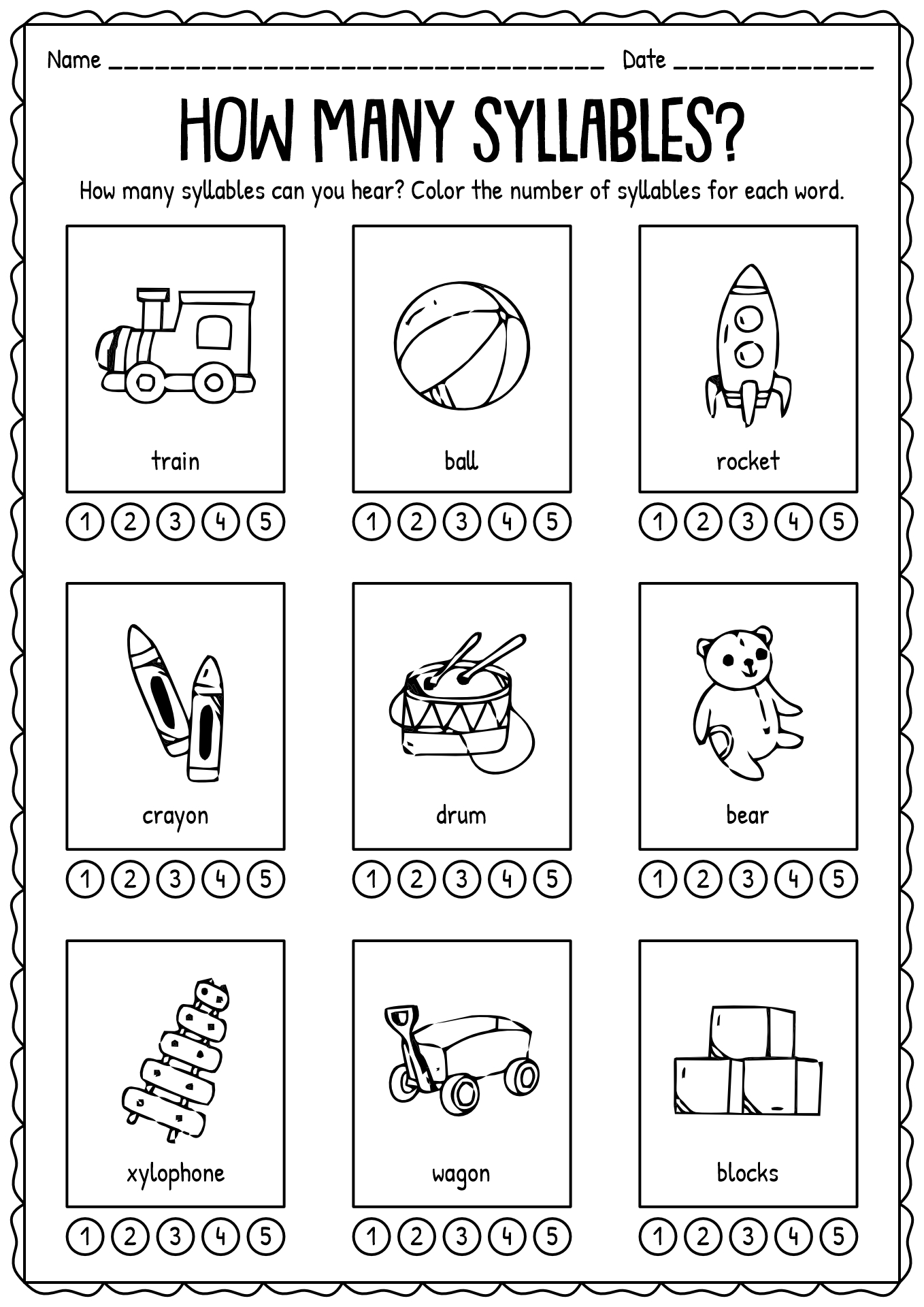
- Interactive Elements: Many exercises include activities like matching syllables to pictures or categorizing words. This interactivity fosters engagement and reinforces learning.
- Printable Format: Designed for easy printing, these worksheets can be printed in standard letter size (8.5 x 11 inches), making them suitable for home or classroom use.
How to Use the Exercises
Using these syllable identification exercises can be straightforward. Here’s a step-by-step guide to maximize their effectiveness:
- Introduce the Concept: Start by explaining what syllables are and why they are important. Use examples from familiar words to illustrate each type.
- Distribute the Worksheets: Hand out the printable exercises. You can choose to do this as a whole class, in small groups, or for individual practice at a learning station.
- Guide the Activity: As students work through the exercises, walk around to offer support. Encourage them to sound out the words and think about which syllable type they belong to.
- Review Together: Once everyone has completed the exercises, review the answers as a class. This is a crucial step as it allows for immediate feedback and reinforcement of their learning.
- Reinforce Learning: Consider creating additional activities or games based on the completed worksheets. For example, you could have students create their own syllable sorting games using words from their everyday vocabulary.
Checking Progress and Mastery
One of the most valuable aspects of these exercises is the ability to assess mastery. As students engage with the worksheets, look for the following indicators of understanding:
- Accuracy: Check how many syllables each student correctly identifies. This will give you a clear picture of their individual mastery levels.
- Engagement: Note which activities students enjoy most. High engagement often correlates with better retention of the concept.
- Ability to Explain: Encourage students to explain their choices. If they can articulate why a syllable fits a certain type, they have a deeper understanding.
For those who need extra practice, consider providing additional worksheets or creating personalized syllable cards. This way, you can adapt your instruction to meet individual needs.
Additional Tips for Effective Use
While the exercises themselves are a fantastic tool, here are some extra tips to ensure you and your students get the most out of them:
- Use a Variety of Resources: Complement the syllable exercises with other reading and phonics activities. This holistic approach reinforces learning across multiple contexts.
- Incorporate Technology: If you have access to tablets or computers, consider using educational apps that focus on phonics and syllable identification. This can provide a modern twist to your lessons and cater to different learning styles.
- Create a Word Wall: As students learn new syllable types, maintain a word wall featuring examples of each type. This visual aid can serve as a constant reminder and reference point.
With these strategies, the Free Printable Preschool Syllable Types Identification Exercises can become a cornerstone of your literacy instruction. Recognizing syllables is not just a task; it’s a stepping stone to becoming a confident reader.
Using these exercises effectively means you’ll be able to support your students in mastering a skill that will benefit them for years to come. One final detail that can enhance the experience is to encourage students to illustrate their favorite words from the exercises. This adds a creative element and helps cement their understanding of syllable types in a fun and memorable way.