Free Preschool Worksheets About Syllable Types Identification
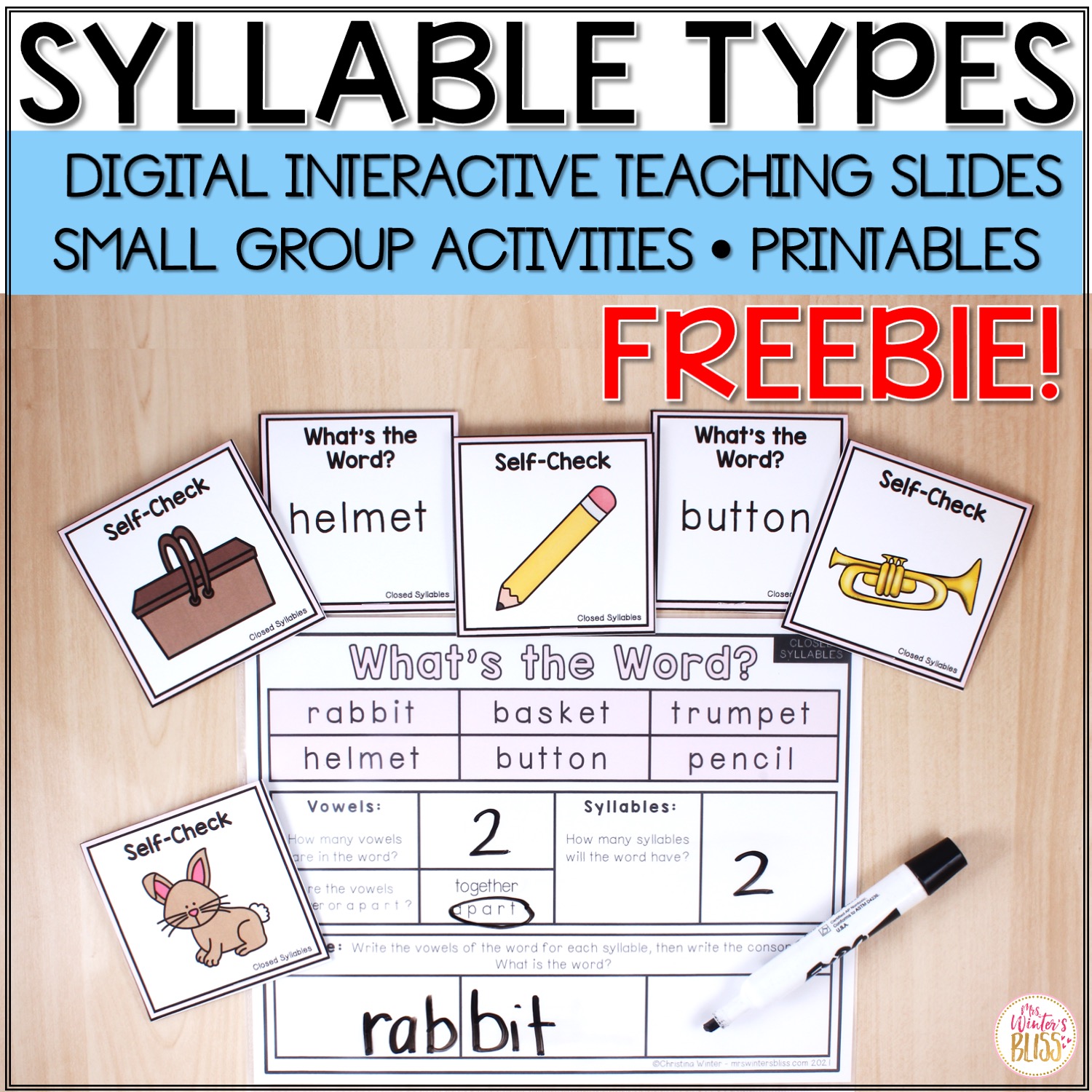
Identifying syllable types is an essential skill for preschoolers as they begin their journey into reading and writing. These skills lay the foundation for phonemic awareness, which is crucial for literacy development. Free preschool worksheets about syllable types identification are a practical resource for teachers, parents, and caregivers looking to engage young learners in this vital area.
Understanding Syllable Types
Syllables can be classified into several types, each playing a distinct role in word pronunciation. The most common types include:
- Closed Syllables: These end with a consonant and contain a short vowel sound (e.g., cat, dog).
- Open Syllables: These end with a vowel and typically have a long vowel sound (e.g., he, go).
- Vowel-Consonant-e Syllables: These include a silent ‘e’ at the end, making the vowel long (e.g., cake, bike).
- Vowel Team Syllables: These contain two vowels that make one sound (e.g., boat, team).
- R-controlled Syllables: These have a vowel followed by an ‘r’ that affects the vowel sound (e.g., car, her).
Familiarizing preschoolers with these syllable types through worksheets helps them recognize patterns in words, which is essential for reading fluency.
Using Worksheets Effectively
When using free preschool worksheets about syllable types identification, consider the following strategies to maximize their effectiveness:
1. Preparation and Setup
Before diving into the worksheets, ensure you have all necessary materials ready. You’ll need:
- A printer for hard copies (using portrait layout usually works best).
- Colored pencils or crayons for engaging activities.
- Space for children to spread out and work comfortably.
Print the worksheets in bulk if you’re teaching a class. This allows you to distribute them easily and ensures every child has their own copy.
2. Engaging Activities
Choose worksheets that incorporate various activities to keep students engaged. These may include:
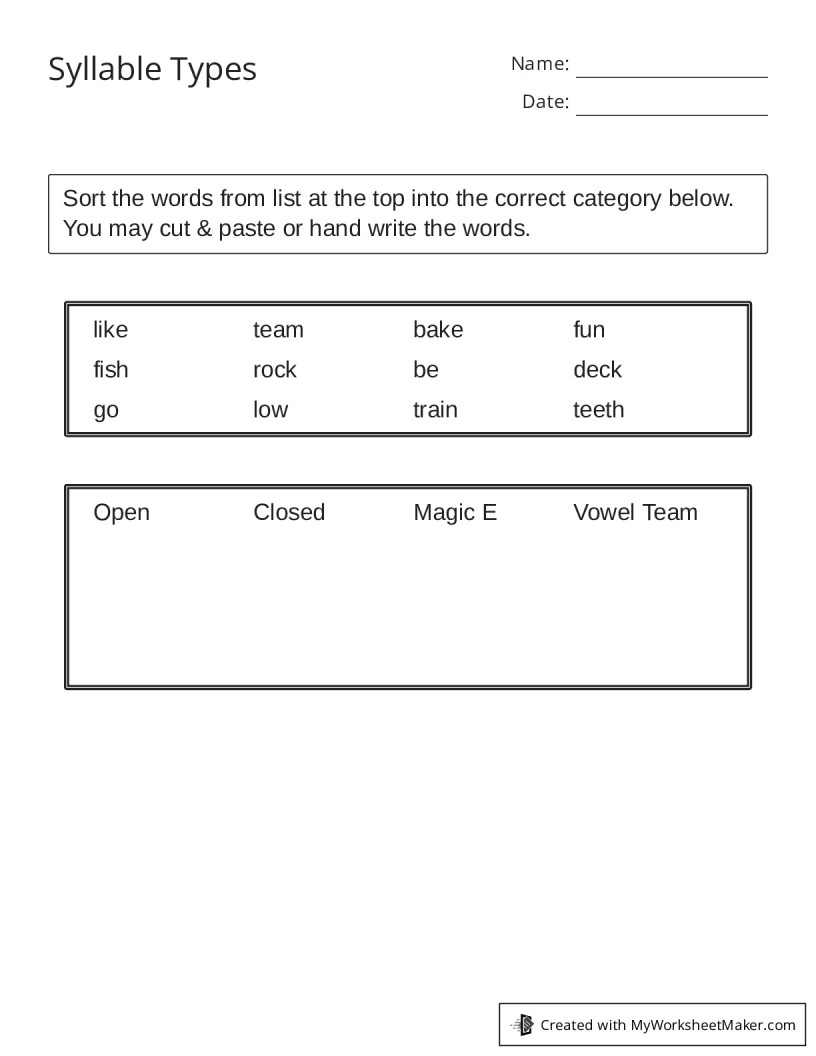
- Syllable Sorting: Have children sort words into categories based on their syllable types. This hands-on approach reinforces learning.
- Cut and Paste: Worksheets that involve cutting out words and pasting them under the correct syllable type offer a fun, tactile experience.
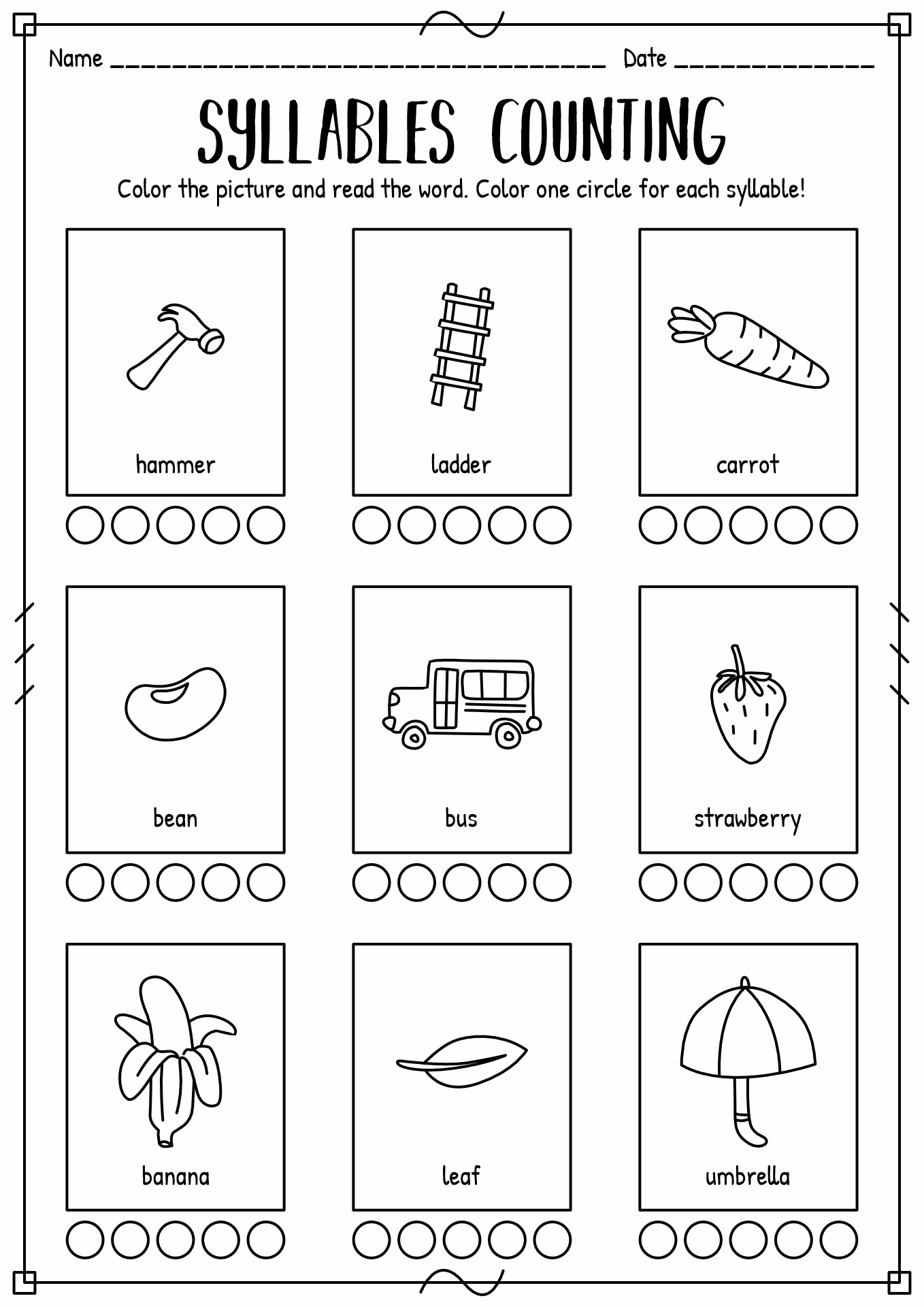
- Coloring Activities: Incorporate coloring pages that require children to identify syllable types while coloring. This can help maintain their interest.
3. Interactive Learning
Encourage interaction among students as they work on these worksheets. Pair them up for discussions about the words they’re identifying. This peer interaction can deepen understanding and retention.
You might also turn some of the activities into games. For example, set a timer and see which pair can identify the most syllables in a minute. Gamifying the learning experience can make it more enjoyable and memorable.
Tracking Progress
As students work through the free preschool worksheets about syllable types identification, tracking their progress is crucial. Here are some practical ways to do that:
1. Assessment Checklists
Create a simple checklist to mark off which syllable types each student can identify correctly. This checklist can include:
- Closed syllables
- Open syllables
- Vowel-consonant-e syllables
- Vowel team syllables
- R-controlled syllables
Regularly reviewing this checklist can help you identify areas where students may need additional support.
2. Feedback Sessions
Hold brief feedback sessions after completing worksheets. Ask students to share their favorite words from the activities or any syllable types they found challenging. This not only provides insights into their understanding but also encourages them to articulate their learning.
3. Parent Involvement
Consider sending some worksheets home for parents to use with their children. This reinforces learning outside the classroom and gives parents a chance to engage in their child’s education. Provide a brief guide for parents on how to help their child identify syllable types.
Making the Most of Resources
To enhance the learning experience, pair the worksheets with other resources. Consider the following:
- Interactive Games: Use online resources or educational apps that focus on syllable identification. These can be great supplements for visual and auditory learners.
- Storybooks: Select books that emphasize different syllable types. Reading together can help reinforce what students learn on the worksheets.
Final Tips for Success
When implementing free preschool worksheets about syllable types identification, remember these key tips for success:
- Keep sessions short and focused; preschoolers have limited attention spans.
- Be patient and encouraging, celebrating small victories to build confidence in your students.
- Regularly revisit syllable types to reinforce learning. Consistency is key in early education.
By integrating these worksheets into your teaching strategy, you can significantly enhance your students’ phonemic awareness and prepare them for future reading success. Start with one worksheet today, and watch as your young learners begin to recognize and enjoy the rhythm of language!