First Grade Skill Worksheets Covering Solving Inequalities
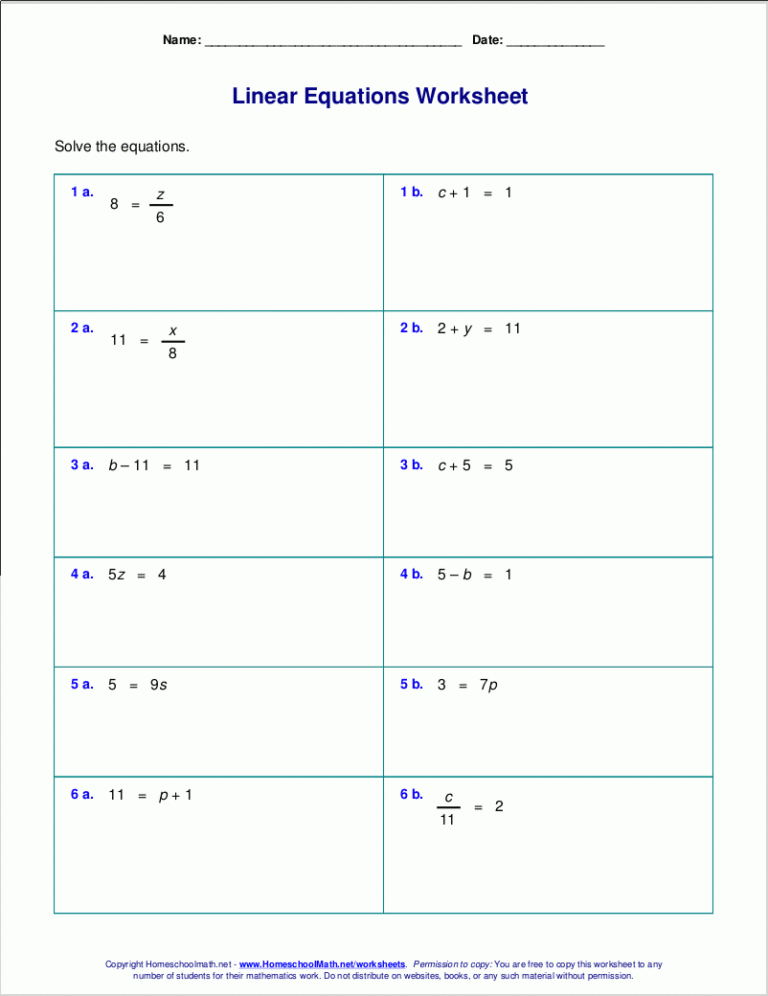
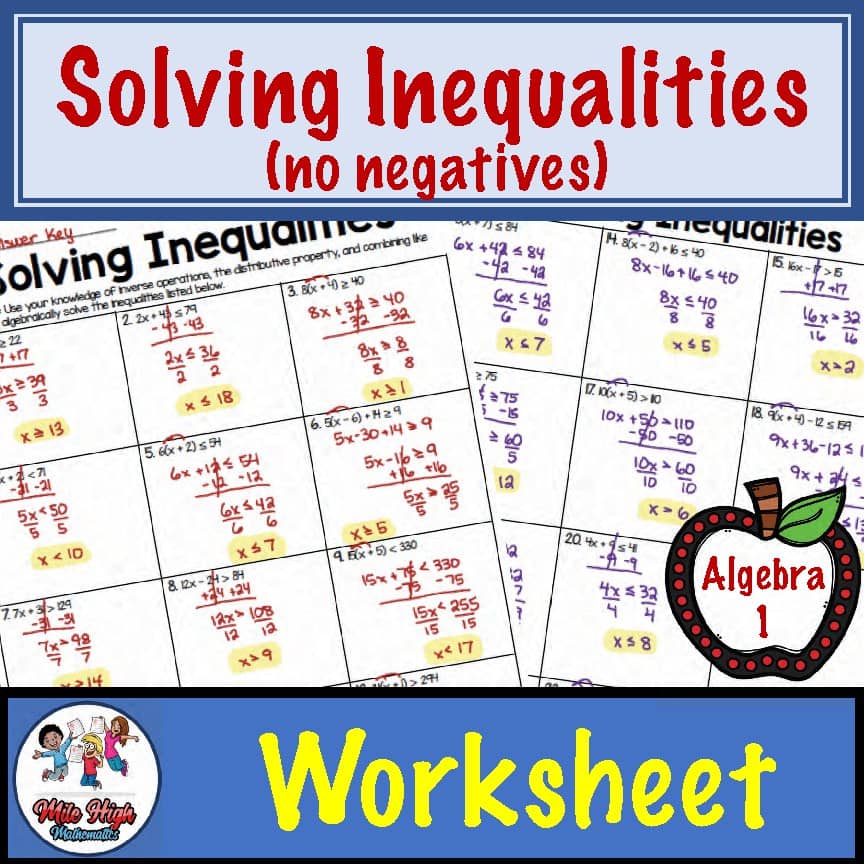
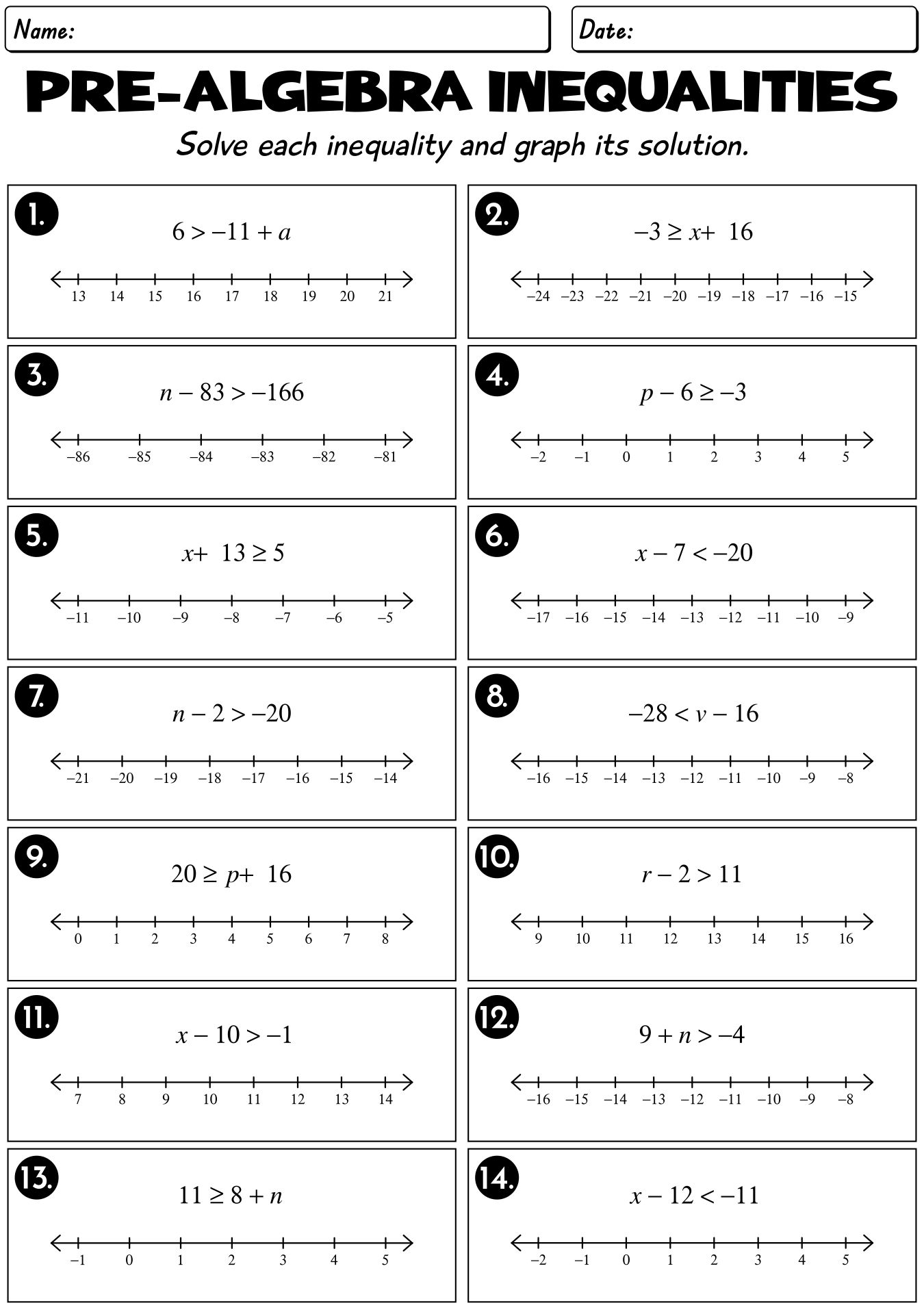
Understanding inequalities is a fundamental skill in mathematics that first graders can grasp with the right resources. First Grade Skill Worksheets Covering Solving Inequalities are designed to introduce young learners to the concept of inequalities in a fun and engaging way. These worksheets can help students differentiate between greater than, less than, and equal to, using visual aids and simple examples that make the learning process enjoyable.
What Are Inequalities?
Inequalities are mathematical expressions that show the relationship between two values that are not equal. For first graders, this means understanding symbols like > (greater than), < (less than), and = (equal to). Introducing these concepts early lays the foundation for more complex mathematical ideas later on. By using First Grade Skill Worksheets Covering Solving Inequalities, you can facilitate this understanding through visually appealing formats that capture young students' attention.
Setting Up the Worksheets in Your Classroom
When incorporating these worksheets into your teaching routine, consider how you’ll present them to your students. Printing in bulk is often a practical choice, especially if you have a full class. Using standard letter-sized paper (8.5 x 11 inches) is ideal for most classroom printers. Here are a few tips for an effective setup:
- Print on cardstock: If possible, use cardstock for durability, especially if the worksheets will be handled frequently.
- Use color printing: Color can enhance engagement. Worksheets with colorful graphics can help students better understand the concepts.
- Keep a key on hand: If the worksheets come with an answer key, ensure you have it accessible for quick reference when grading or providing feedback.
Engaging Activities to Enhance Learning
To make the most of the First Grade Skill Worksheets Covering Solving Inequalities, pair them with engaging activities that reinforce the concepts. Here are a few ideas:
1. Interactive Games
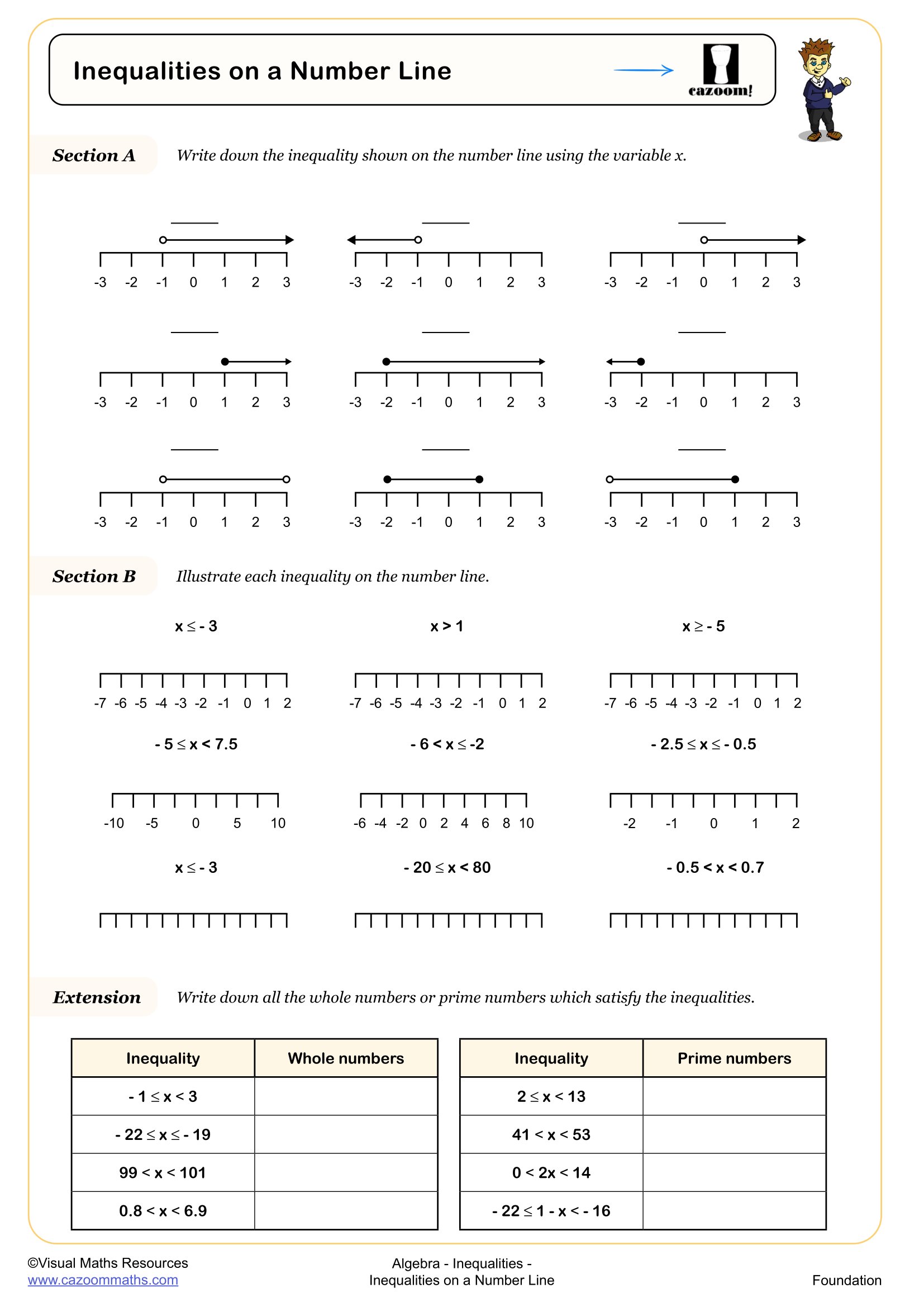
Turn the learning process into a game. Use the inequalities worksheets as a basis for a matching game where students match phrases with the correct symbols. This adds a dynamic element to the learning experience and encourages collaboration among students.
2. Visual Aids
Incorporate visual aids like number lines or inequality charts alongside the worksheets. This helps students visualize the relationships between numbers, making abstract concepts more concrete. You can easily create these aids on a whiteboard or poster board.
Assessing Understanding
Once students have completed the worksheets, it’s essential to assess their understanding of inequalities. Here are a few strategies to consider:
- Group Discussions: Have students discuss their answers in small groups. This encourages peer learning and allows them to articulate their understanding of inequalities.
- Exit Tickets: Use exit tickets where students write one thing they learned about inequalities before leaving class. This gives you insight into their grasp of the material.
- Follow-Up Worksheets: After reviewing the initial worksheets, consider providing follow-up worksheets that present slightly more challenging problems. This will help reinforce their learning and provide a measure of progress.
Tips for Home Use
If you’re a parent or caregiver looking to help your child with their understanding of inequalities, these worksheets are also a fantastic resource at home. Here are some tips for making the most of them in a home setting:
- Create a Routine: Set aside a regular time each week for your child to work on these worksheets. Consistency helps reinforce learning.
- Use Real-Life Examples: Relate inequalities to everyday situations, such as comparing the number of toys or snacks. This practical application can make the concept more relatable and easier to understand.
- Encourage Creativity: Allow your child to create their own inequalities. For instance, they could draw scenarios where they have to compare amounts, which can further enhance their understanding.
By utilizing First Grade Skill Worksheets Covering Solving Inequalities, teachers, parents, and caregivers can provide meaningful math experiences that resonate with young learners. Whether in a classroom or at home, these resources will help develop foundational math skills in an engaging way.