Second Grade Solving Inequalities Review Worksheets
As Mrs. Thompson prepared her classroom for the day, she noticed several students struggling with the concept of inequalities. To help them master this important math skill, she decided to incorporate Second Grade Solving Inequalities Review Worksheets into her lesson plan. These worksheets serve as a valuable resource for teachers looking to reinforce students’ understanding of inequalities in a way that is both engaging and effective.
Understanding Inequalities in Second Grade
Before diving into the worksheets, it’s essential to understand what inequalities are. In simple terms, inequalities represent relationships between two values that are not equal. For second graders, this often involves using symbols like (greater than) to compare numbers. Introducing these concepts through relatable scenarios, such as comparing the number of apples in two baskets, helps students grasp the idea more easily.
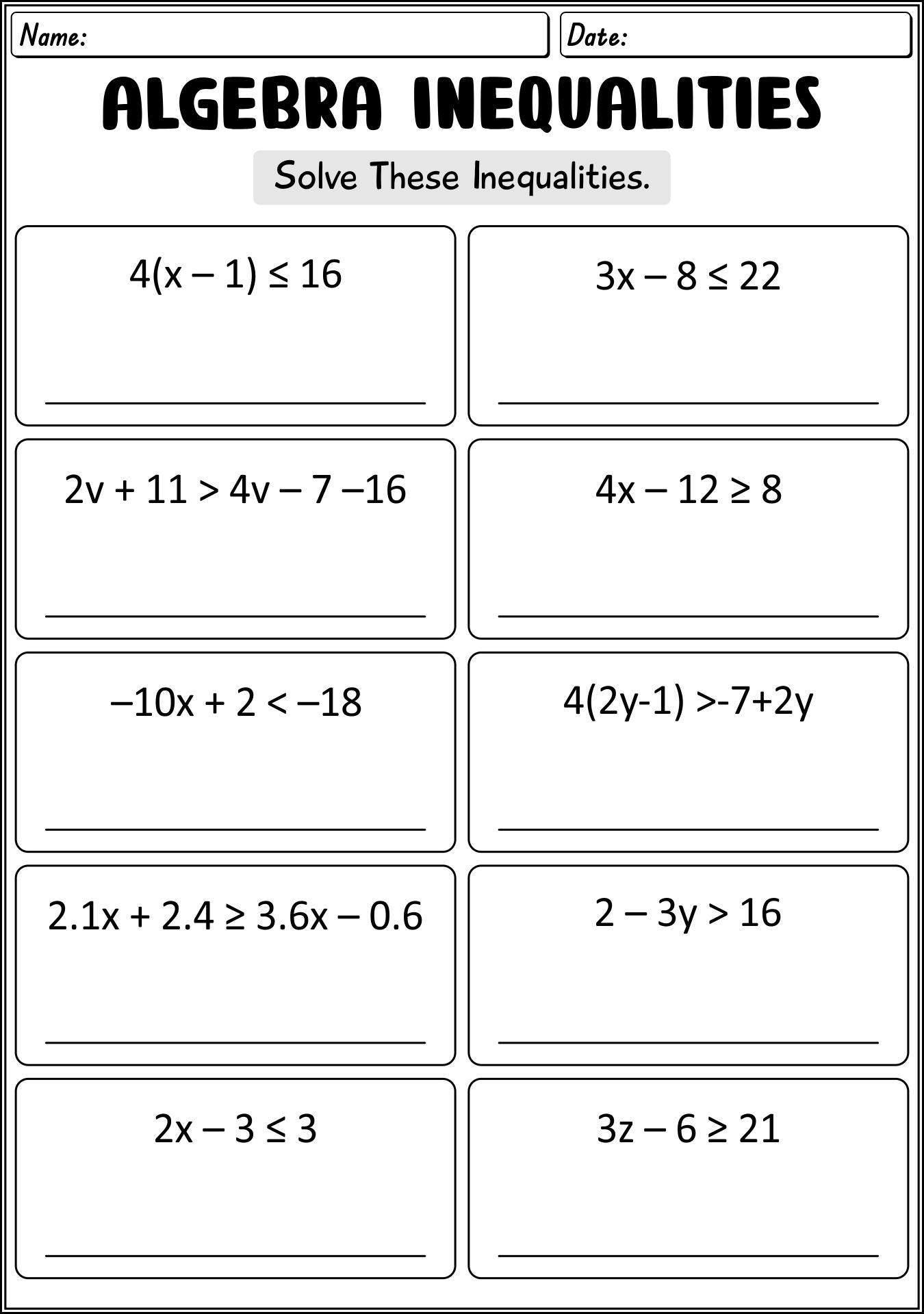
By integrating Second Grade Solving Inequalities Review Worksheets, teachers can provide students with structured practice that enhances their understanding of these fundamental concepts. The worksheets can include various exercises that require students to fill in the blanks, solve problems, or even create their own inequality statements.
Types of Worksheets and Activities
When selecting or creating worksheets, it’s important to choose a variety of activities that cater to different learning styles. Here are a few types of activities you might find useful:
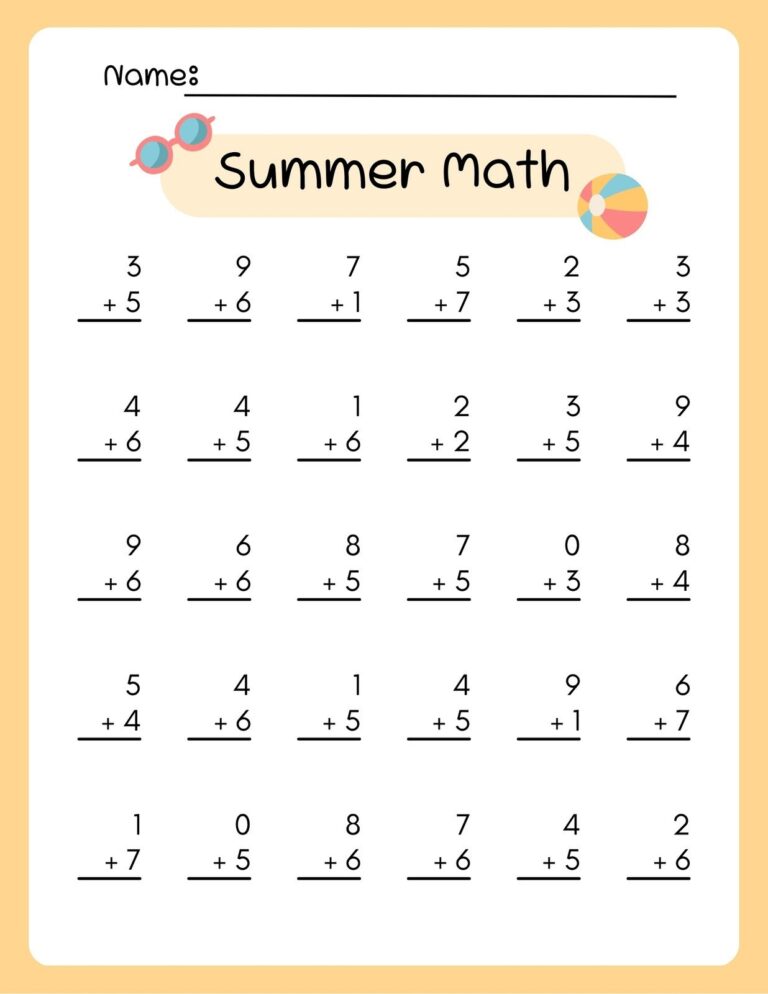
- Fill-in-the-Blank Problems: Students can complete sentences using the correct inequality symbols. For example, “5 ___ 8” encourages them to think critically about the relationship between the two numbers.
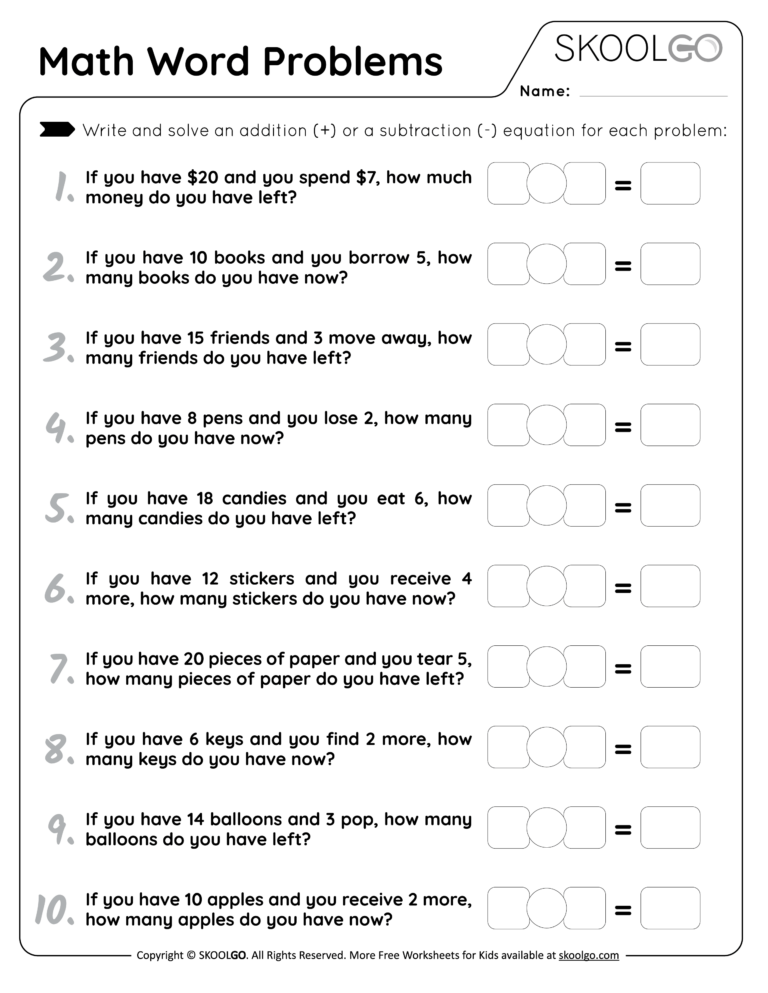
- Word Problems: Present scenarios that require students to formulate inequalities. For instance, “Jessica has 4 apples, and she wants to have more than 7. How many more apples does she need?” This type of problem encourages students to apply their knowledge in real-life situations.
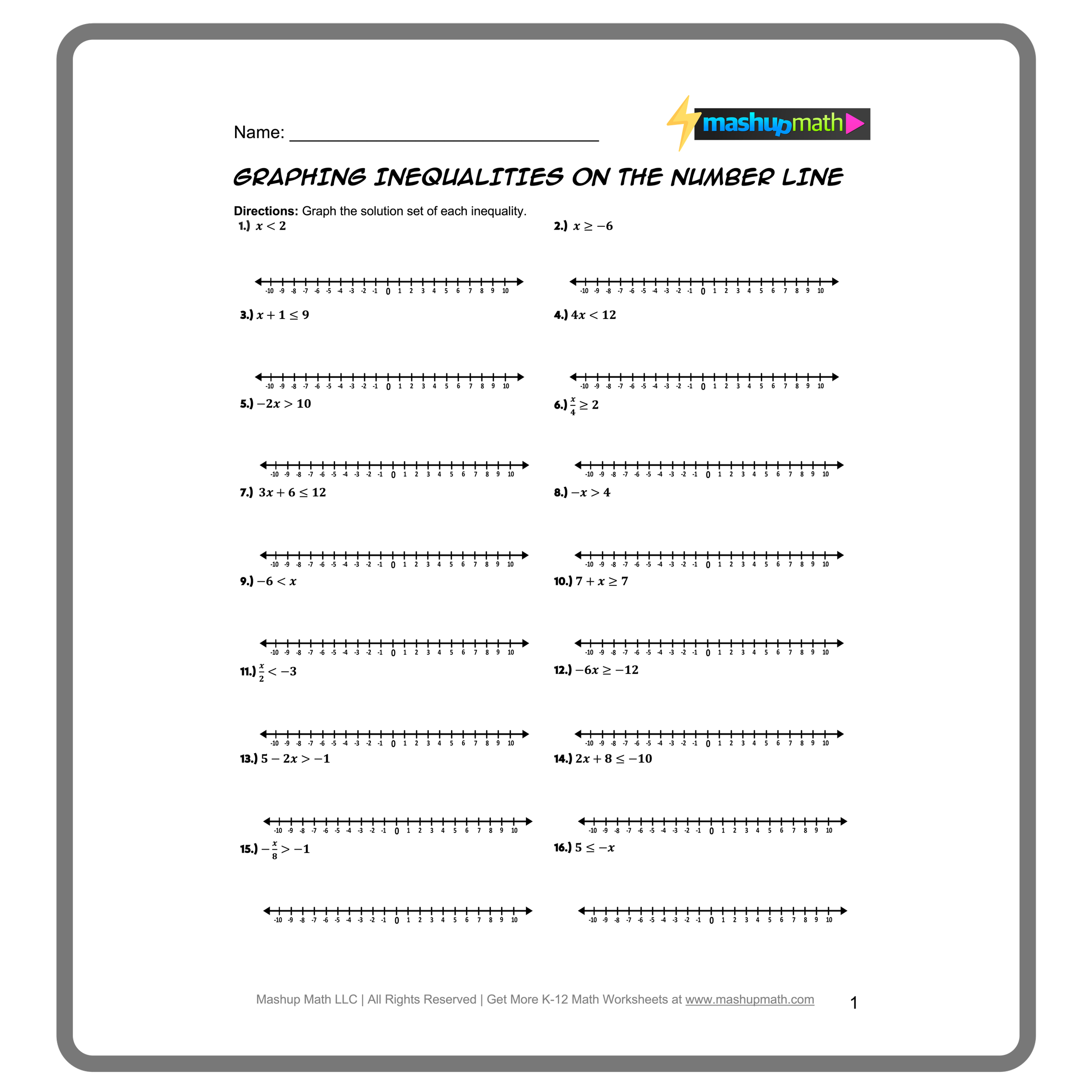
- Matching Games: Create a fun matching activity where students match inequality statements with their respective graphs or number lines. This reinforces visual learning and helps them understand inequalities better.
Incorporating diverse formats not only keeps students engaged but also allows them to practice inequalities in multiple ways, solidifying their understanding.
Spacing Practice Across the Week
One effective teaching strategy is to space out practice throughout the week rather than cramming it into one session. Here’s how you might structure it:
- Monday: Introduce the concept of inequalities with a short lesson and distribute the first worksheet focusing on fill-in-the-blank problems.
- Wednesday: Follow up with word problems that require students to think critically about the inequalities. This mid-week review helps reinforce learning.
- Friday: Use a matching game or a fun group activity to wrap up the week. This allows students to apply what they’ve learned in a relaxed environment.
By spacing out these activities, students have time to digest the information and come back to it with fresh eyes. This repetition is crucial for mastering the concept of inequalities.
Practical Tips for Using Worksheets
When using Second Grade Solving Inequalities Review Worksheets, consider these practical tips to make the most of the resource:
- Print on Cardstock: If you plan to reuse the worksheets, printing them on cardstock can improve durability. This way, you can use dry-erase markers to allow for multiple uses.
- Use Portrait Layout: Most home printers work better with a portrait layout, so check your settings before printing.
- Engage Parents: Encourage parents to support their children’s learning by sending home a worksheet for extra practice. This not only reinforces what they learned in class but also fosters a connection between home and school.
Incorporating these practical tips makes the process smoother and more effective, ensuring that both students and teachers benefit from the worksheets.
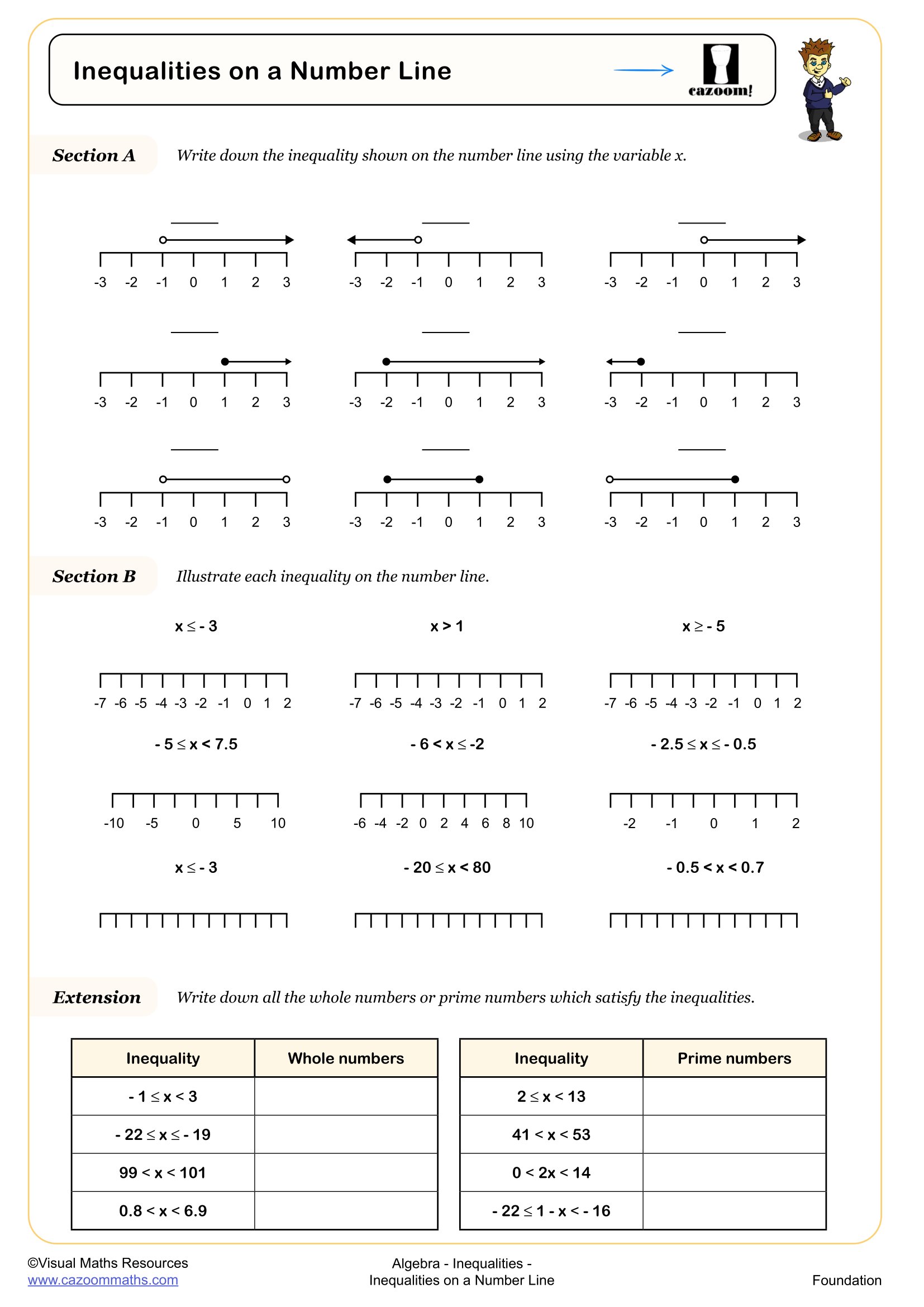
Assessing Student Understanding
After implementing the worksheets, it’s important to assess student understanding. This can be done through informal assessments, such as observing students during group activities, or through more formal methods, like quizzes or tests that include inequality problems.
You might also consider having students explain their reasoning for their answers. This verbal assessment can provide insights into their thought processes and help identify any lingering misconceptions.
Regular assessment allows you to tailor future lessons based on the students’ needs, ensuring that everyone keeps progressing.
Using Second Grade Solving Inequalities Review Worksheets can significantly enhance your teaching toolkit. By offering varied activities, spacing practice throughout the week, and implementing practical strategies, you can create a supportive learning environment that fosters student success in understanding inequalities. Try starting with one worksheet this week to see how your students respond and adjust your approach as needed.