– Sections: Each Worksheet Often Includes Multiple Sections, Each With a Specific Focus, Such As:
[Fifth Grade Evaluating Algebraic Expressions Review Worksheets]
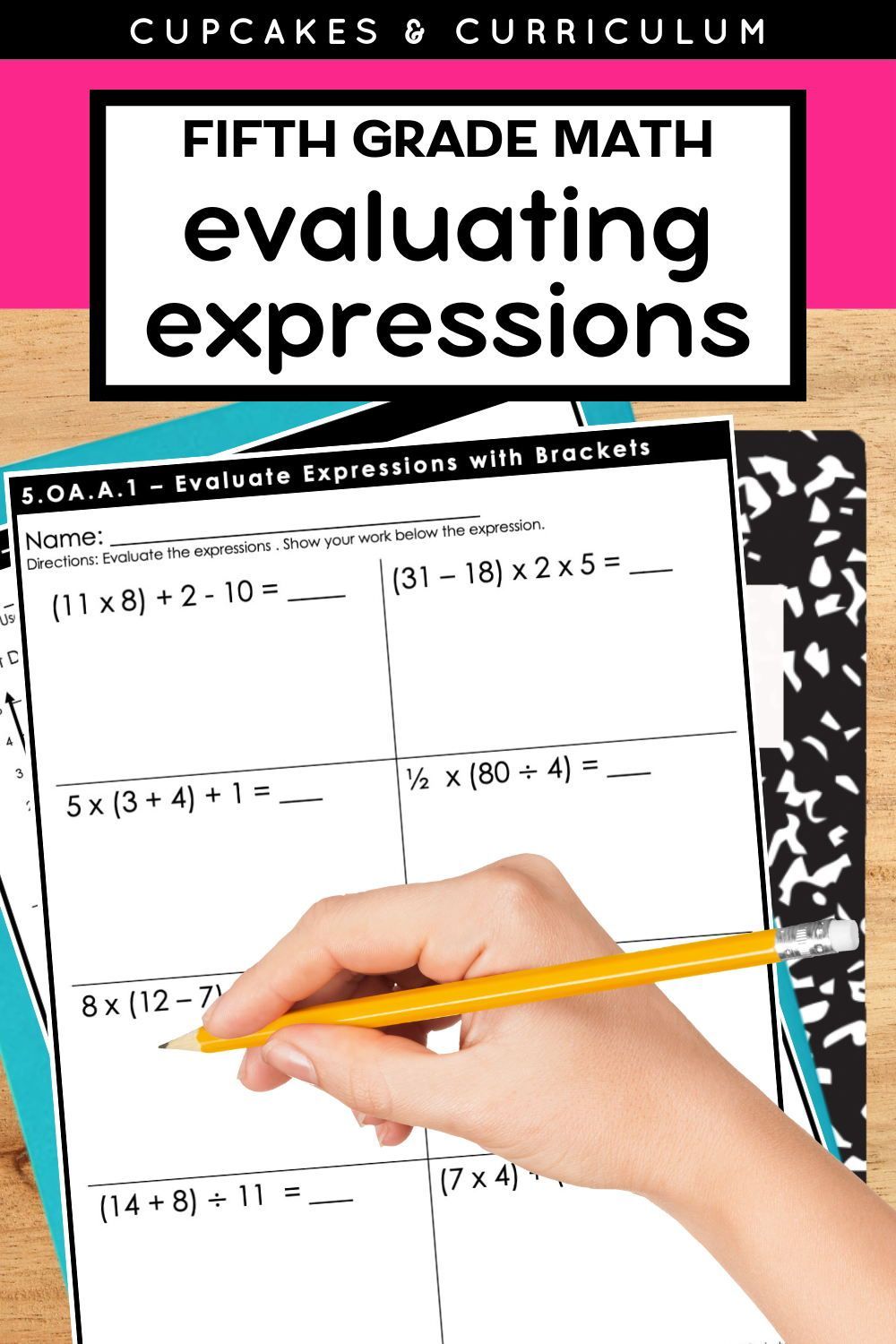
In the world of teaching fifth graders, finding effective resources can make all the difference. The Fifth Grade Evaluating Algebraic Expressions Review Worksheets stand out because they provide a structured approach to help students practice and master evaluating algebraic expressions. These worksheets are tailored to address the specific learning needs of fifth-grade students, focusing on both comprehension and application of algebraic concepts.
Understanding Algebraic Expressions
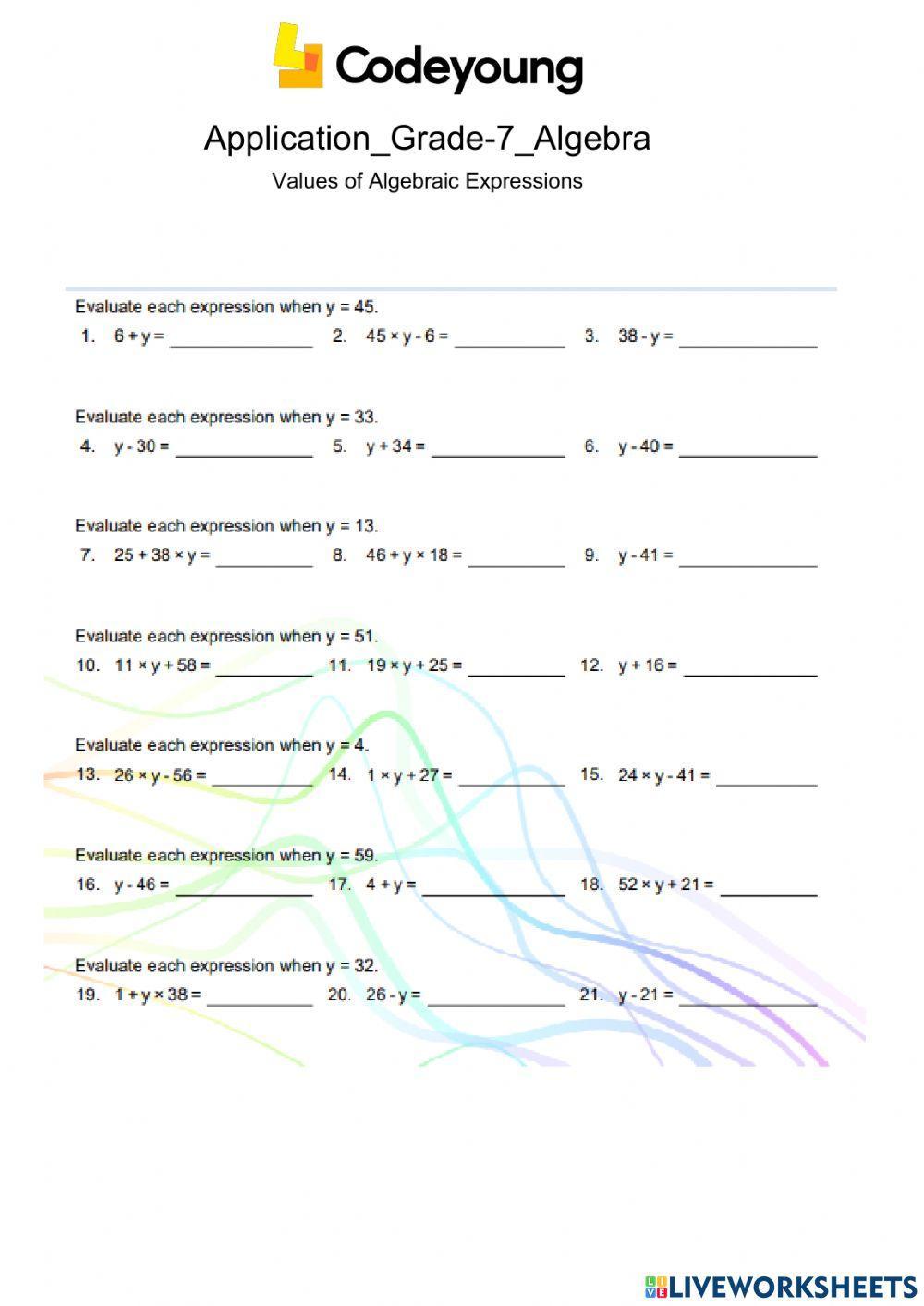
Algebraic expressions are foundational in mathematics, and understanding how to evaluate them is crucial for students at this level. The worksheets introduce key concepts, including variables, constants, coefficients, and operations. You’ll notice that the problems vary in complexity, allowing students to gradually build their skills.
For instance, some questions may require students to substitute numbers for variables and perform operations, while others might involve simplifying expressions. This variety not only keeps students engaged but also provides opportunities for differentiated instruction. If a student struggles with straightforward problems, they can focus on simpler tasks before tackling more challenging ones.
Layout and Design of the Worksheets
The design of the Fifth Grade Evaluating Algebraic Expressions Review Worksheets is intentional and user-friendly. Each worksheet typically features clear headings, instructions, and ample space for students to show their work. This layout is beneficial for teachers who want to encourage neatness and organization in students’ problem-solving methods.
- Sections: Each worksheet often includes multiple sections, each with a specific focus, such as:
- Evaluating expressions with one variable.
- Combining like terms.
- Real-world application problems.
- Visual Elements: Diagrams or visual aids are sometimes included to help students visualize the problems. For instance, a word problem about a garden can help students relate algebra to real-life scenarios, making the material more relevant and exciting.
- Answer Space: There’s plenty of space for calculations, which is essential for fifth graders who are still developing their mathematical writing skills. Some worksheets may even include tips or reminders about the order of operations, which can be a helpful reference.
Checking Progress and Mastery
One of the most significant benefits of using these review worksheets is the ability to assess student understanding and progress. By observing how students approach the problems, you can gauge whether they’ve grasped the concept of evaluating algebraic expressions.
When reviewing completed worksheets, look for:
- Accuracy: Are students correctly evaluating expressions? This indicates they understand the underlying concept.
- Methods: Are they using appropriate strategies to solve the problems? For instance, are they applying the order of operations correctly?
- Engagement: Are students taking their time to show their work, or are they rushing through the problems? Engaged students are more likely to retain the material.
By analyzing these aspects, you can identify students who may need additional support or enrichment. This targeted feedback allows you to tailor your instruction to meet the diverse needs of your classroom.
Practical Applications for Home and Classroom
The Fifth Grade Evaluating Algebraic Expressions Review Worksheets are versatile enough for both classroom and home use. Teachers can incorporate them into lesson plans or assign them as homework. Parents looking to support their children’s learning at home can use these worksheets as additional practice.
- In the Classroom: Consider using the worksheets during math centers or as part of a larger unit on algebra. You could group students based on their proficiency levels, allowing them to work on worksheets that match their current understanding.
- At Home: Encourage parents to engage with their children by working through the worksheets together. This collaborative approach not only reinforces the concepts but also fosters a positive attitude towards math. Parents can ask guiding questions to help their children think critically about each problem.
Different Formats for Use
These worksheets usually come in PDF format, making them easy to print and distribute. Here are a couple of options for using them effectively:
- Standard Paper Size: Most worksheets are designed for standard letter size (8.5” x 11”). This format is compatible with most printers and allows for easy handling by students.
- Laminating for Reuse: If you want to make the worksheets reusable, consider laminating them. This way, students can use dry-erase markers to solve problems, allowing for multiple uses without wasting paper.
By choosing the right format for your teaching environment, you can enhance the learning experience for your students.