Free Preschool Worksheets About Evaluating Algebraic Expressions
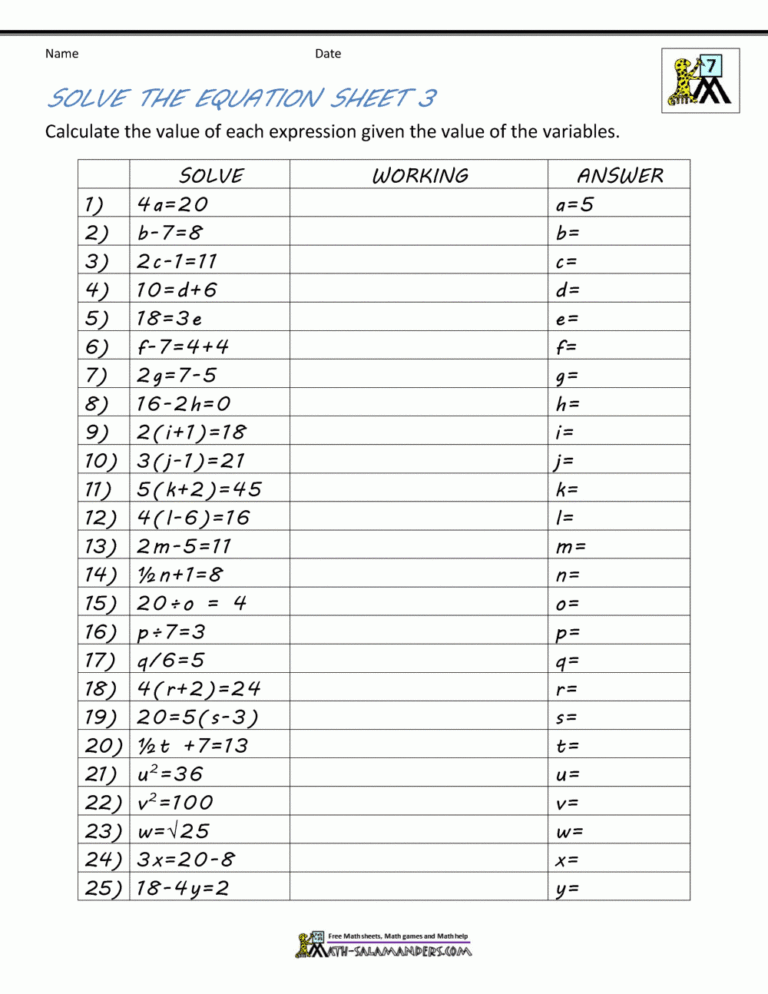
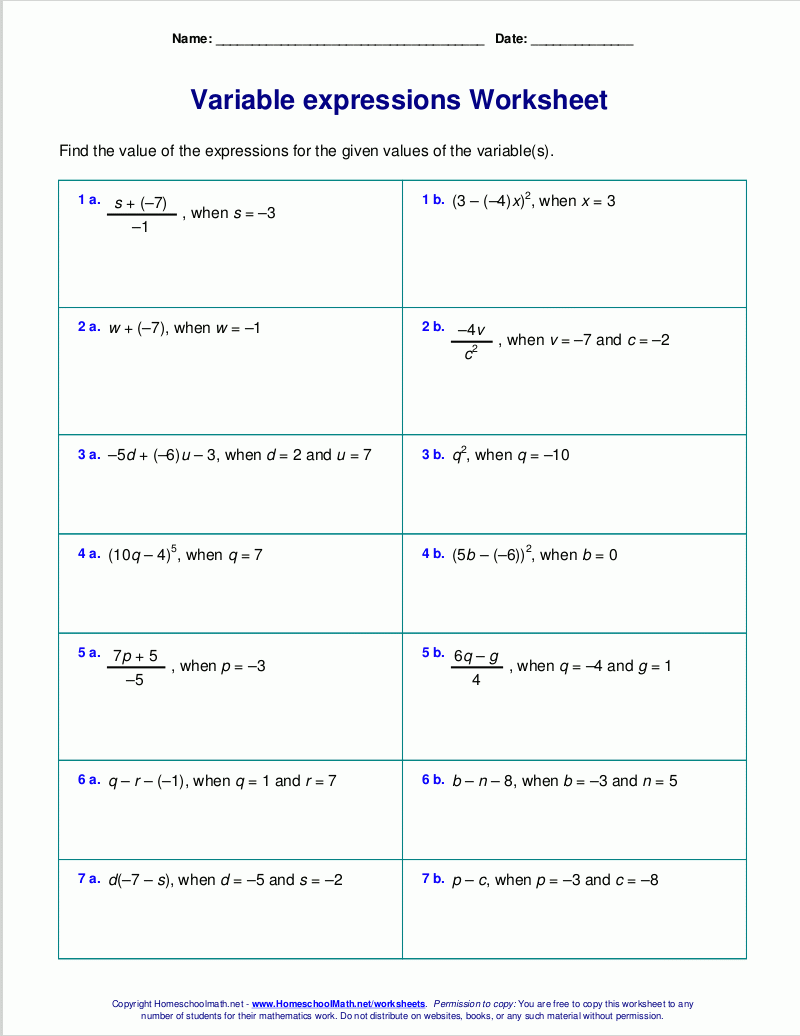
Introducing young learners to algebraic expressions can be a challenging yet rewarding task. Free Preschool Worksheets About Evaluating Algebraic Expressions can serve as a valuable resource for teachers and parents alike. These worksheets are designed to help preschoolers begin to understand basic mathematical concepts, setting a solid foundation for future learning.
Understanding Algebraic Expressions for Preschoolers
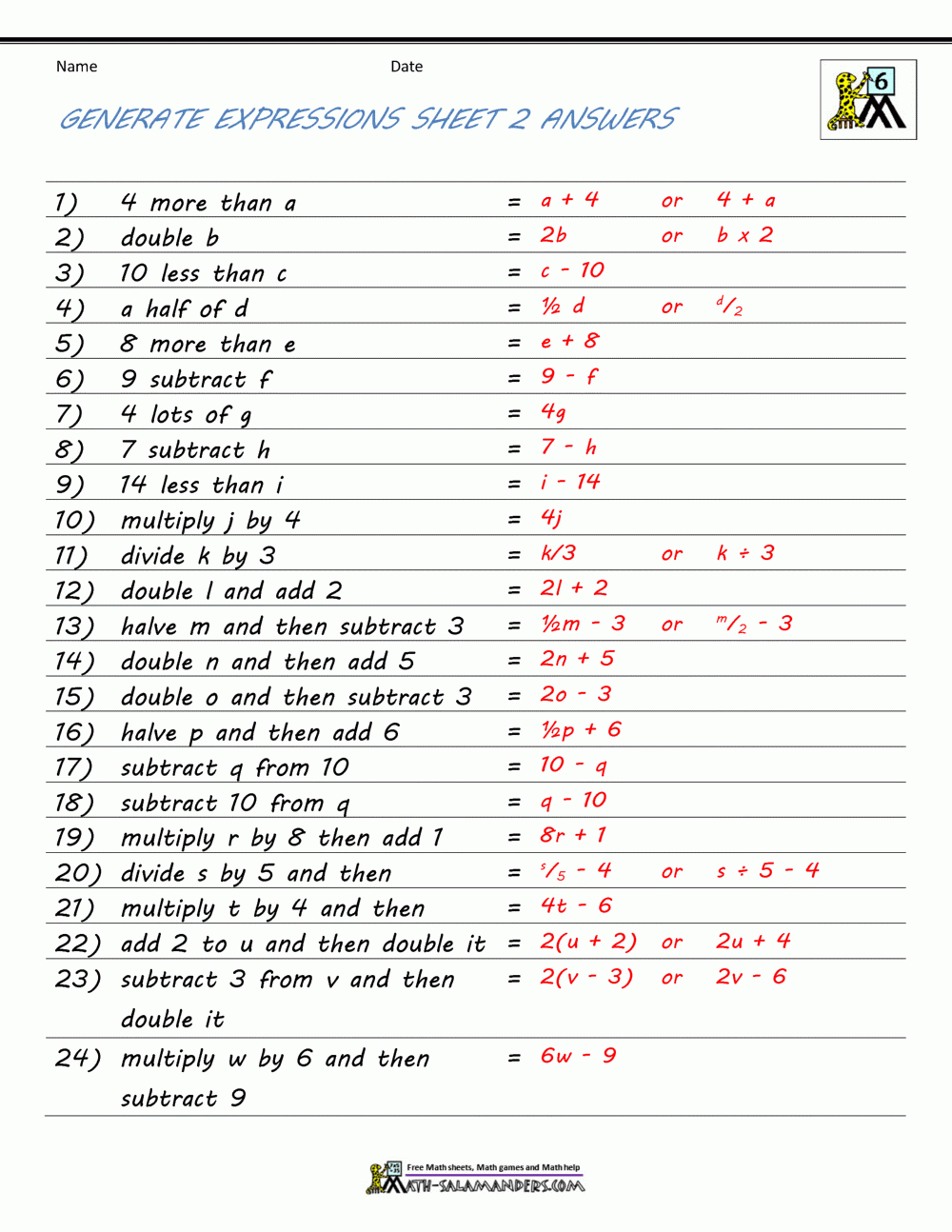
At the preschool level, algebraic expressions are introduced in a simplified manner. Instead of diving into complex equations, worksheets focus on fundamental concepts like recognizing patterns, understanding variables, and basic operations. For example, rather than solving for x, children may be asked to identify shapes or colors that represent different values.
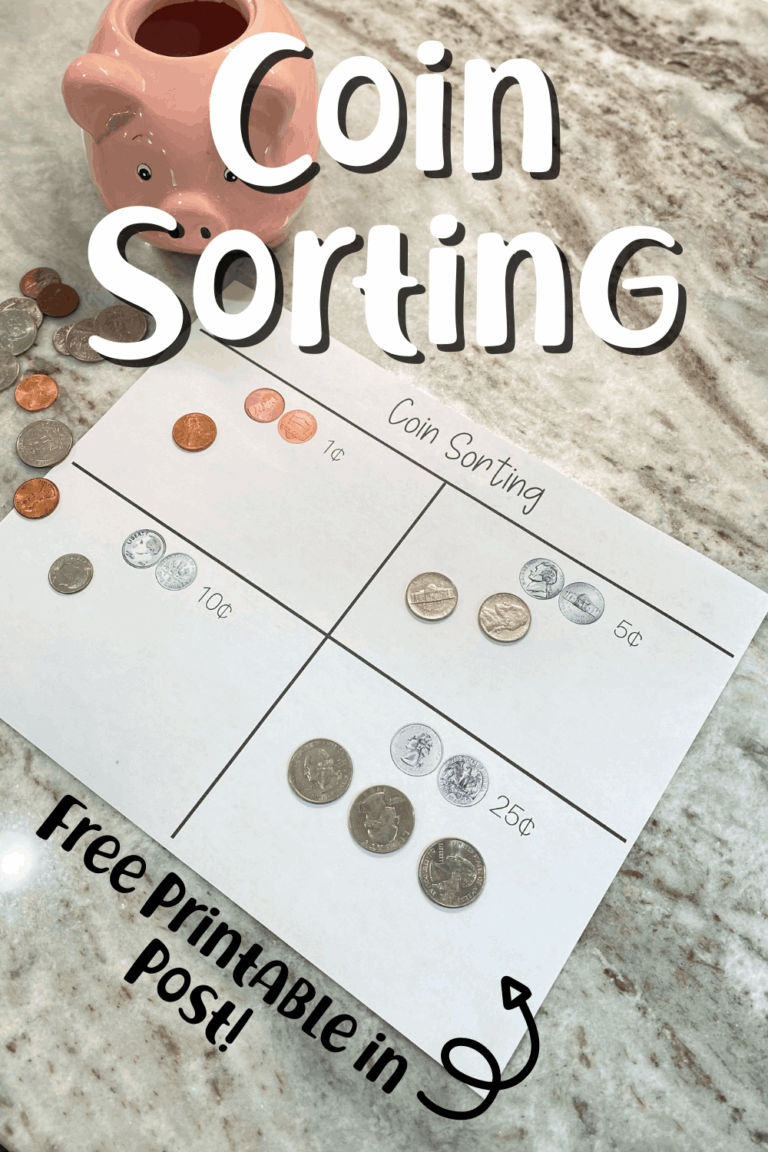
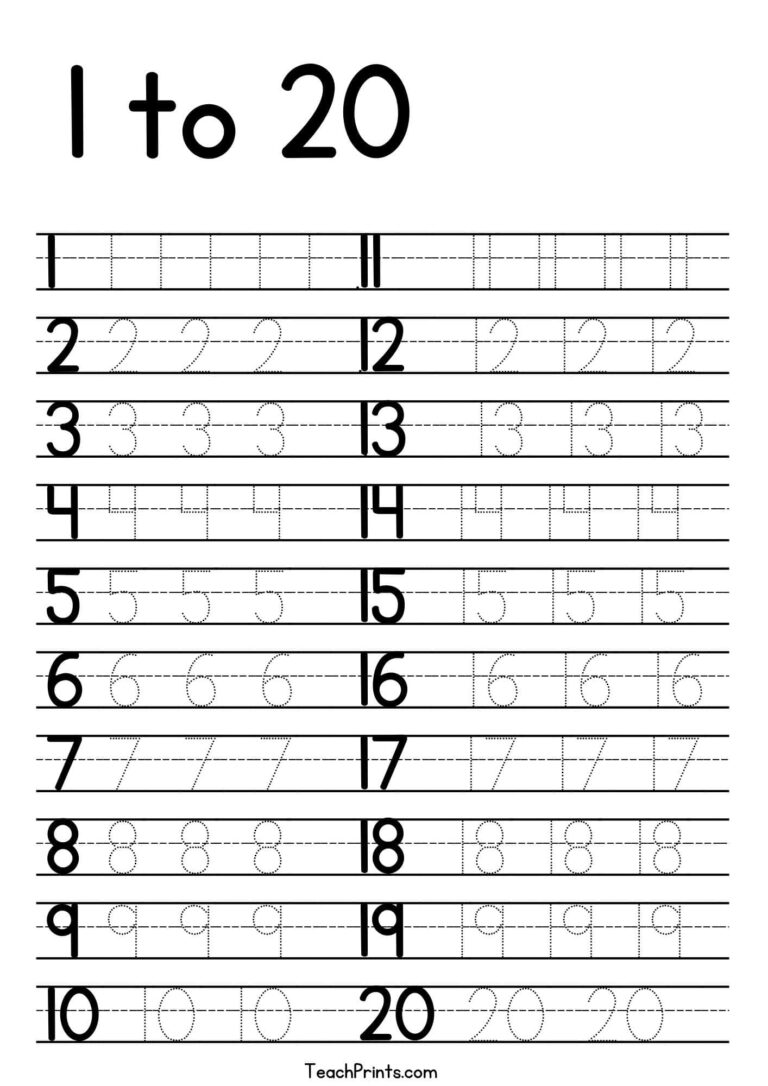
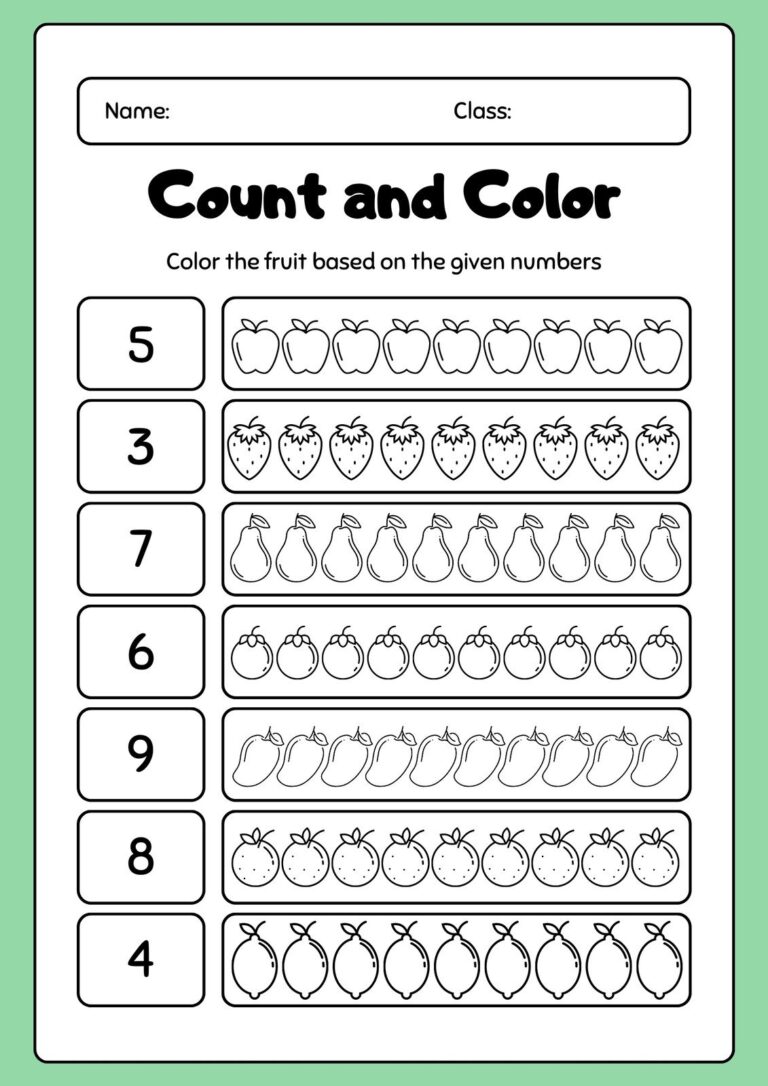
These worksheets can engage preschoolers through fun activities that utilize visuals and hands-on learning. Incorporating elements like pictures and interactive tasks can make the learning process enjoyable and effective. When designing lessons around these worksheets, aim to create an environment that fosters curiosity and exploration.
How to Use Free Preschool Worksheets Effectively
When you download Free Preschool Worksheets About Evaluating Algebraic Expressions, consider how to integrate them into your lesson plans. Here are some practical suggestions:
- Start with a Warm-Up: Begin with a quick review of basic math concepts, such as counting or recognizing shapes. This will prepare students for the activities ahead.
- Introduce the Worksheet: Explain what an algebraic expression is in simple terms. Use examples that relate to their everyday experiences, like counting apples or toys.
- Hands-On Activities: Encourage kids to use manipulatives like blocks or counters to represent the problems in the worksheets. This tactile experience reinforces their understanding of the concepts.
- Group Work: If you’re in a classroom setting, have students work in pairs or small groups. Collaborative learning can enhance their understanding as they share ideas and solutions.
- Discussion and Feedback: After completing the worksheets, gather the students to discuss their answers. This encourages critical thinking and allows you to address any misconceptions.
Features of Printable Worksheets
These worksheets often come in various formats, which can be beneficial for different teaching settings. Here are some common features you might find:
- Colorful Graphics: Engaging visuals help capture children’s attention and make learning more enjoyable.
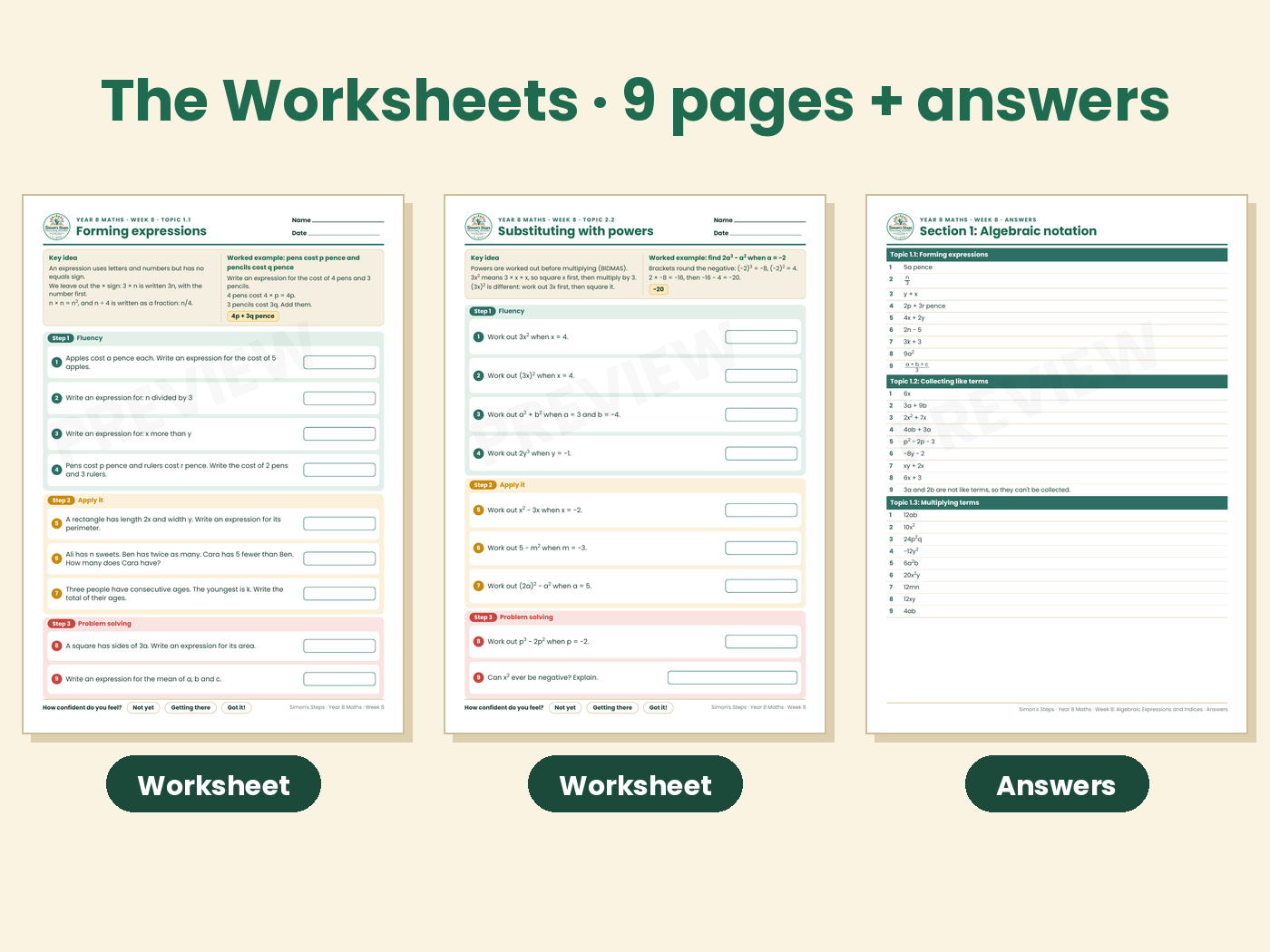
- Variety of Activities: Worksheets may include puzzles, matching games, or simple problems that require evaluating expressions.
- Adaptable Formats: You can usually find these resources in PDF format, making them easy to print and distribute. Consider printing on cardstock for durability, especially if you plan to use them multiple times.
Tips for Downloading and Printing Worksheets
When accessing Free Preschool Worksheets About Evaluating Algebraic Expressions, there are a few best practices to keep in mind to ensure a smooth experience:
- Check Printer Settings: Make sure your printer is set to the correct paper size, typically 8.5 x 11 inches for standard worksheets. Use portrait orientation for optimal layout.
- Quality Matters: If available, choose the PDF version of the worksheets. This format maintains the integrity of the design and prevents any reformatting issues that can occur with image files.
- Laminating for Longevity: If the worksheets will be used repeatedly, consider laminating them. This protects the paper and allows for dry-erase markers to be used, making them reusable.
Incorporating Worksheets Into a Broader Curriculum
To reinforce the concepts learned through the Free Preschool Worksheets About Evaluating Algebraic Expressions, consider integrating them into a larger math curriculum. Here’s how:
- Thematic Units: Create thematic units around math concepts that include stories, songs, and crafts that relate to algebraic thinking.
- Cross-Disciplinary Activities: Combine math with art by having students create their own algebraic expressions using drawings or crafts.
- Assessment Tools: Use the worksheets as informal assessments to gauge students’ understanding before moving on to more complex topics.
By using these worksheets effectively, you can help preschoolers develop a solid understanding of algebraic concepts, setting the stage for future success in mathematics.
To maximize engagement, always look for ways to relate the material to students’ interests. Whether it’s through games, stories, or hands-on activities, keeping learning fun is key.
As you explore these resources, remember to adapt your approach based on the unique needs of your students. Every child learns differently, and being flexible in your teaching methods can make a significant difference.
When planning your lessons, don’t forget to incorporate a variety of teaching methods and materials to keep your students motivated and excited about learning.