Preschool Evaluating Algebraic Expressions Review Worksheets
Understanding algebraic expressions can be a daunting task for preschoolers, but with the right resources, teaching this concept becomes more manageable. Utilizing Preschool Evaluating Algebraic Expressions Review Worksheets can help gauge young learners’ understanding in a fun and engaging manner. These worksheets not only reinforce foundational math skills but also allow teachers and parents to monitor progress effectively.
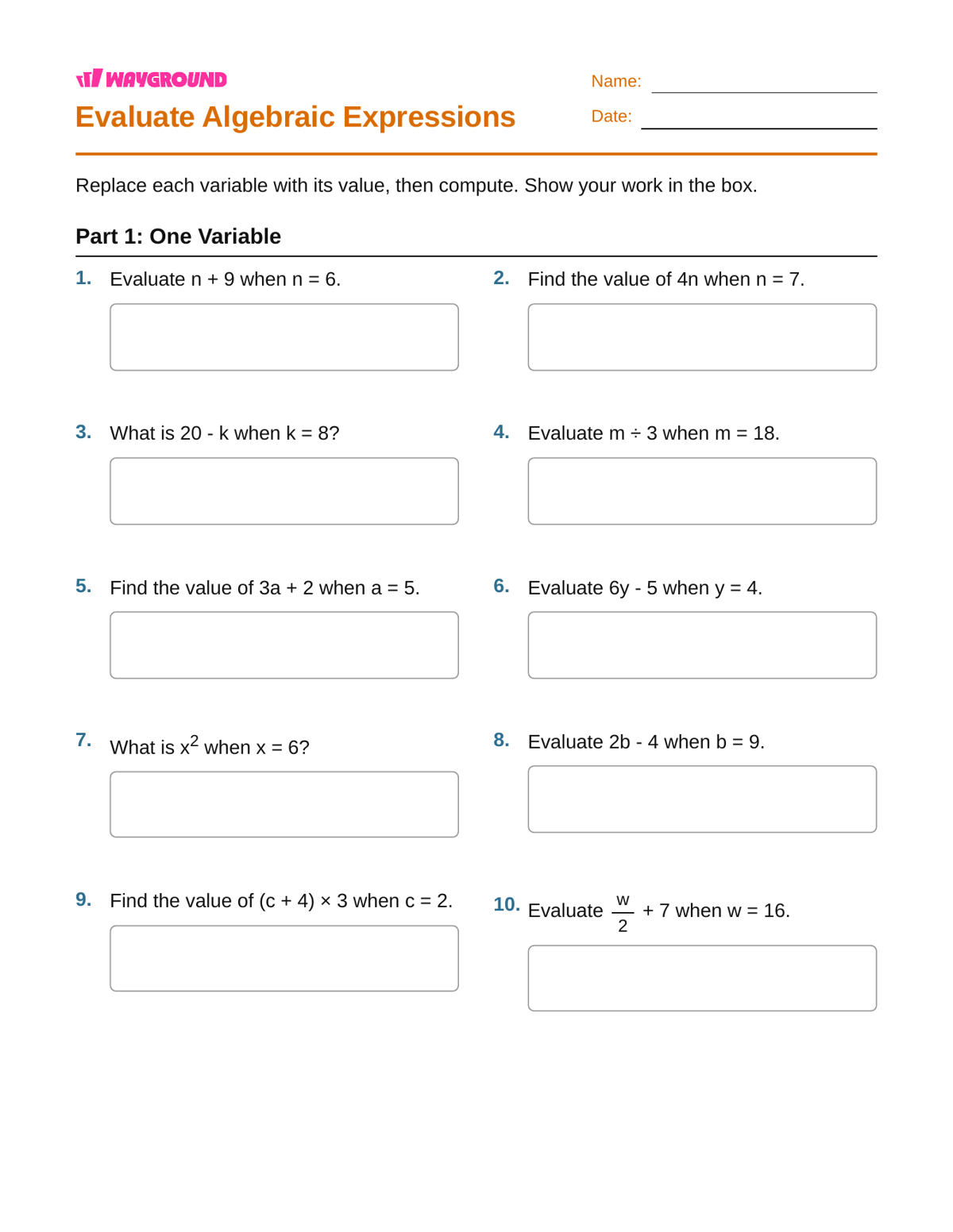
What Are Algebraic Expressions?
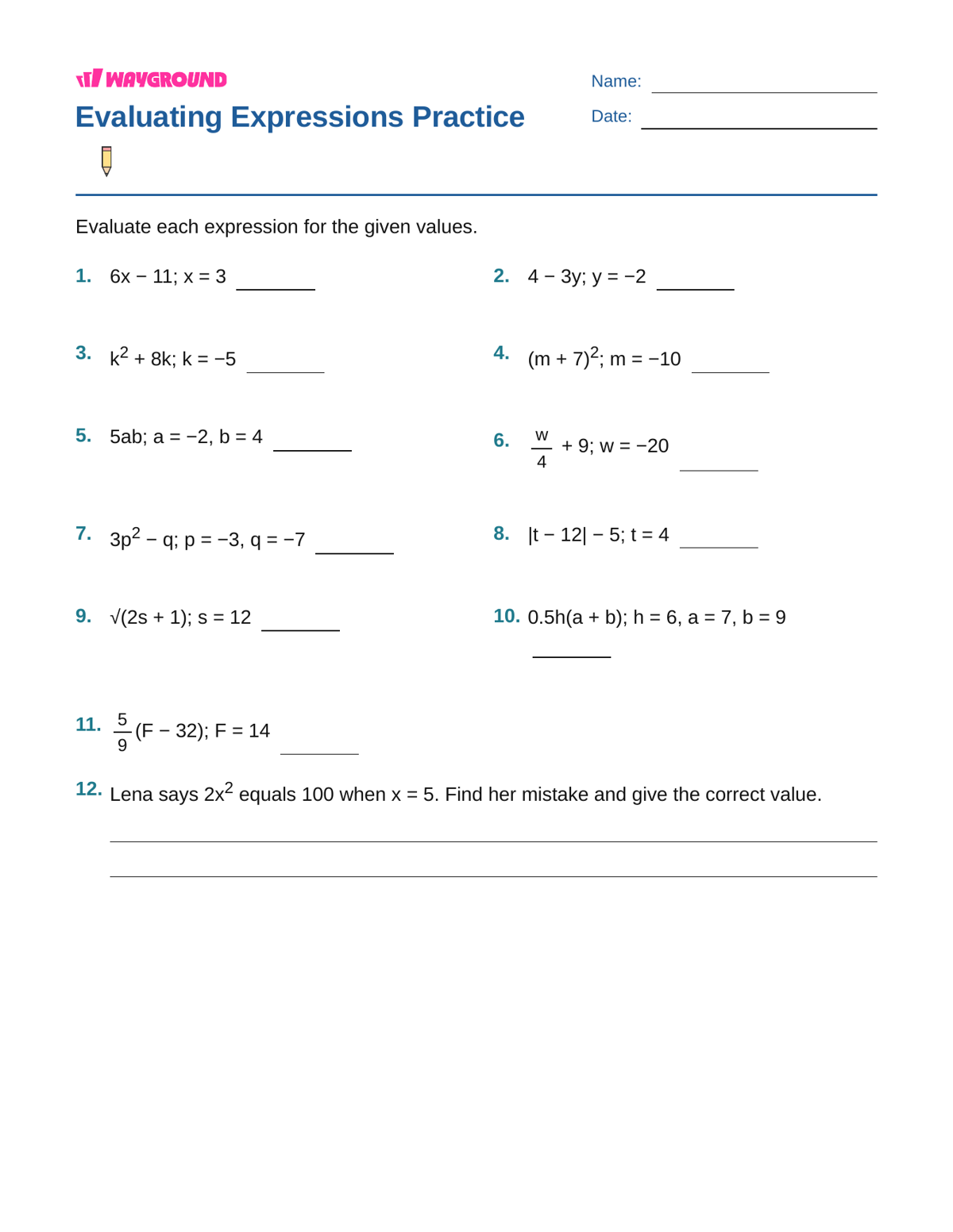
Before diving into the worksheets, it’s essential to clarify what algebraic expressions are. At the preschool level, children are introduced to basic mathematical concepts, often starting with numbers and simple operations. Algebraic expressions, in this context, may refer to simple equations or patterns that involve numbers and letters representing unknown values.
For example, you might use a worksheet that shows a picture of apples and asks children to determine how many apples are left if one is taken away. This lays the groundwork for understanding variables, which will be crucial as they progress in their math education. By using these worksheets, you can introduce the idea of algebraic thinking in a way that feels natural and applicable to their everyday experiences.
How to Use Preschool Evaluating Algebraic Expressions Review Worksheets
These worksheets are versatile and can be used in various settings—classrooms, homeschools, or even as supplemental activities at home. Here are some practical ways to implement them:
- Individual Practice: Distribute the worksheets to students during math centers or independent work time. This allows children to explore the concepts at their own pace.
- Group Activities: Use the worksheets as a base for group discussions. Children can work together to solve problems, share their thought processes, and learn from one another.
- Homework Assignments: Send the worksheets home for parents to engage with their children. This fosters a collaborative learning environment and reinforces the concepts taught in class.
- Assessment Tools: These worksheets can serve as informal assessments to check how well students understand algebraic expressions. After completion, review their answers to identify areas needing additional focus.
Key Features of the Worksheets
When selecting Preschool Evaluating Algebraic Expressions Review Worksheets, look for the following features to ensure they meet your teaching needs:
- Age-Appropriate Content: Worksheets should be designed for preschoolers, using simple language and relatable scenarios.
- Visual Aids: Incorporating images and colorful designs can help maintain young learners’ interest and make the learning experience enjoyable.
- Variety of Activities: Look for worksheets that include various types of problems, such as fill-in-the-blank equations, multiple-choice questions, and matching activities. This variety keeps students engaged and caters to different learning styles.
- Clear Instructions: Ensure that each worksheet includes straightforward instructions that children can easily understand.
Monitoring Progress With the Worksheets
One of the most significant advantages of using these review worksheets is the ability to monitor student progress. After students complete the worksheets, you can assess their understanding of algebraic expressions by looking for:
- Accuracy: Are they solving problems correctly? This will give you a direct indication of their grasp of the concept.
- Problem-Solving Strategies: Pay attention to how they approach the problems. Are they using logical reasoning, or do they seem confused? This insight can help tailor your teaching approach.
- Engagement Levels: Observe how students interact with the worksheets. Are they excited to complete them, or do they seem disinterested? Engaged learners are more likely to retain information.
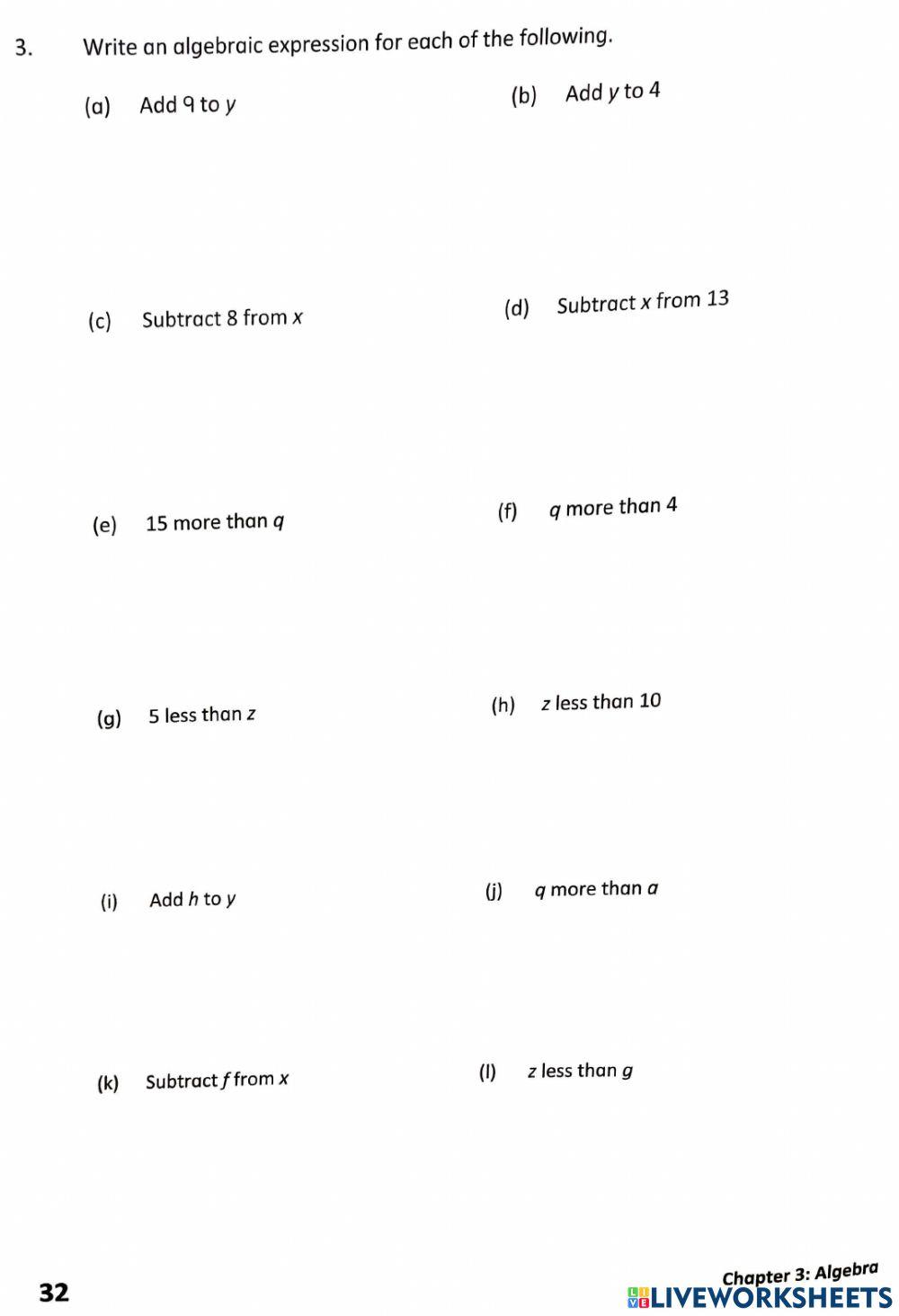
Tips for Effective Use of Worksheets
To maximize the effectiveness of the Preschool Evaluating Algebraic Expressions Review Worksheets, consider the following tips:
- Create a Routine: Incorporate the worksheets into a regular math routine. Consistency helps reinforce concepts and builds confidence in young learners.
- Provide Feedback: After reviewing the worksheets, offer constructive feedback. Praise their efforts and guide them through mistakes to foster a growth mindset.
- Customize Worksheets: If possible, modify the worksheets to suit your students’ needs. This can include adjusting the difficulty level or adding personalized elements related to their interests.
- Incorporate Technology: If you have access to tablets or computers, consider using digital versions of the worksheets. Interactive elements can further engage students and enhance learning.
By effectively using Preschool Evaluating Algebraic Expressions Review Worksheets, you can create an engaging learning environment that nurtures young mathematicians. These resources not only help assess understanding but also serve as a springboard for deeper exploration of algebraic concepts in the future. Whether in a classroom or at home, these worksheets will be a valuable addition to your teaching toolkit.
You can print the worksheets on standard letter-sized paper (8.5 x 11 inches) for ease of use. Also, consider using cardstock for durability, especially if the worksheets will be reused. Overall, these worksheets provide a practical approach to introducing algebraic expressions in a way that is both fun and educational.