First Grade Unit Rate Calculations Review Worksheets
In the educational landscape, worksheets are vital resources that can reinforce key concepts in a fun and engaging way. The First Grade Unit Rate Calculations Review Worksheets are designed specifically to help young learners grasp the essential idea of unit rates, a foundational math skill that sets the stage for more complex problem-solving in later grades. These worksheets typically come in PDF format for easy downloading and printing, making them highly accessible for teachers and parents alike.
Understanding Unit Rates in First Grade
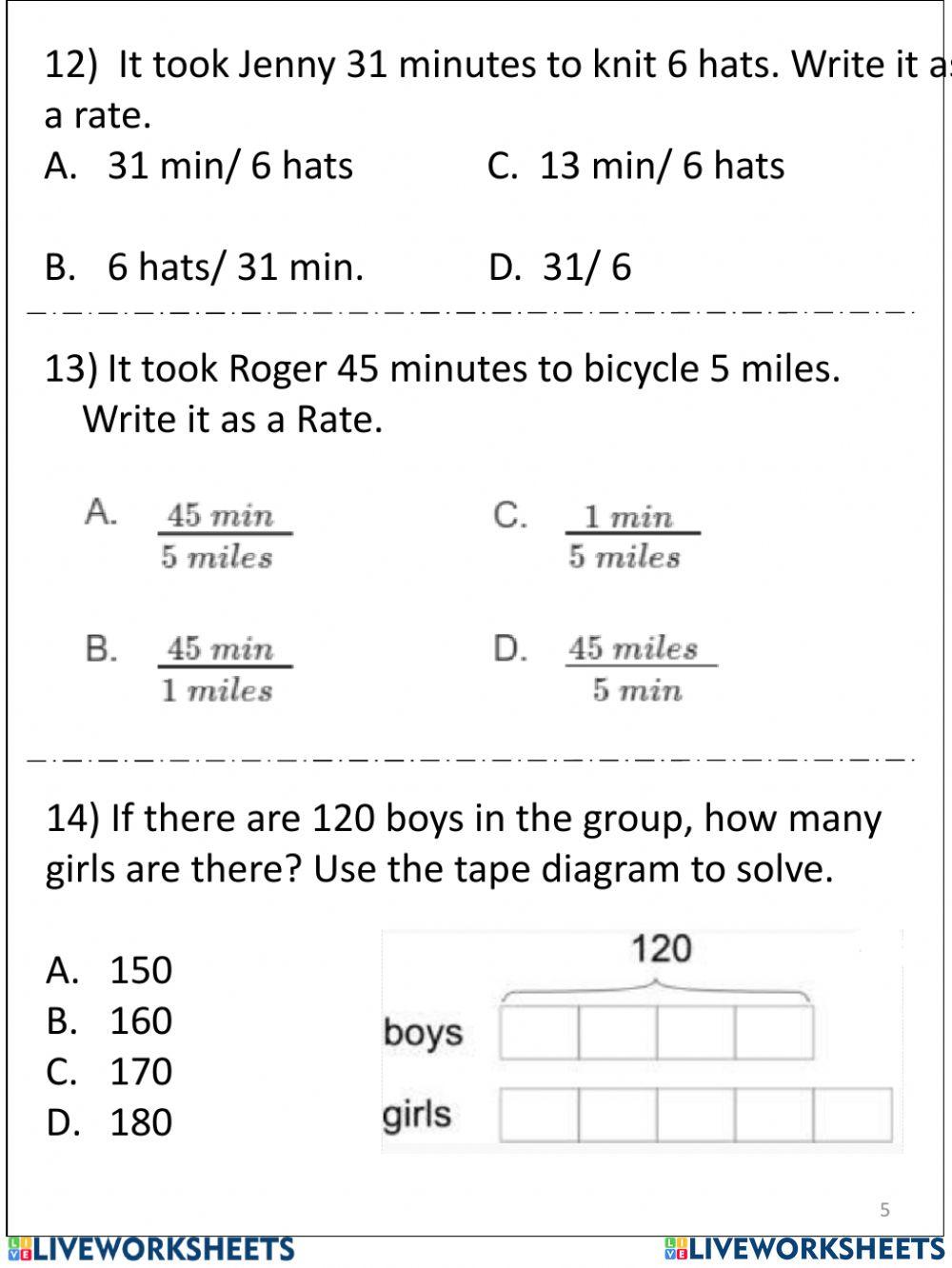
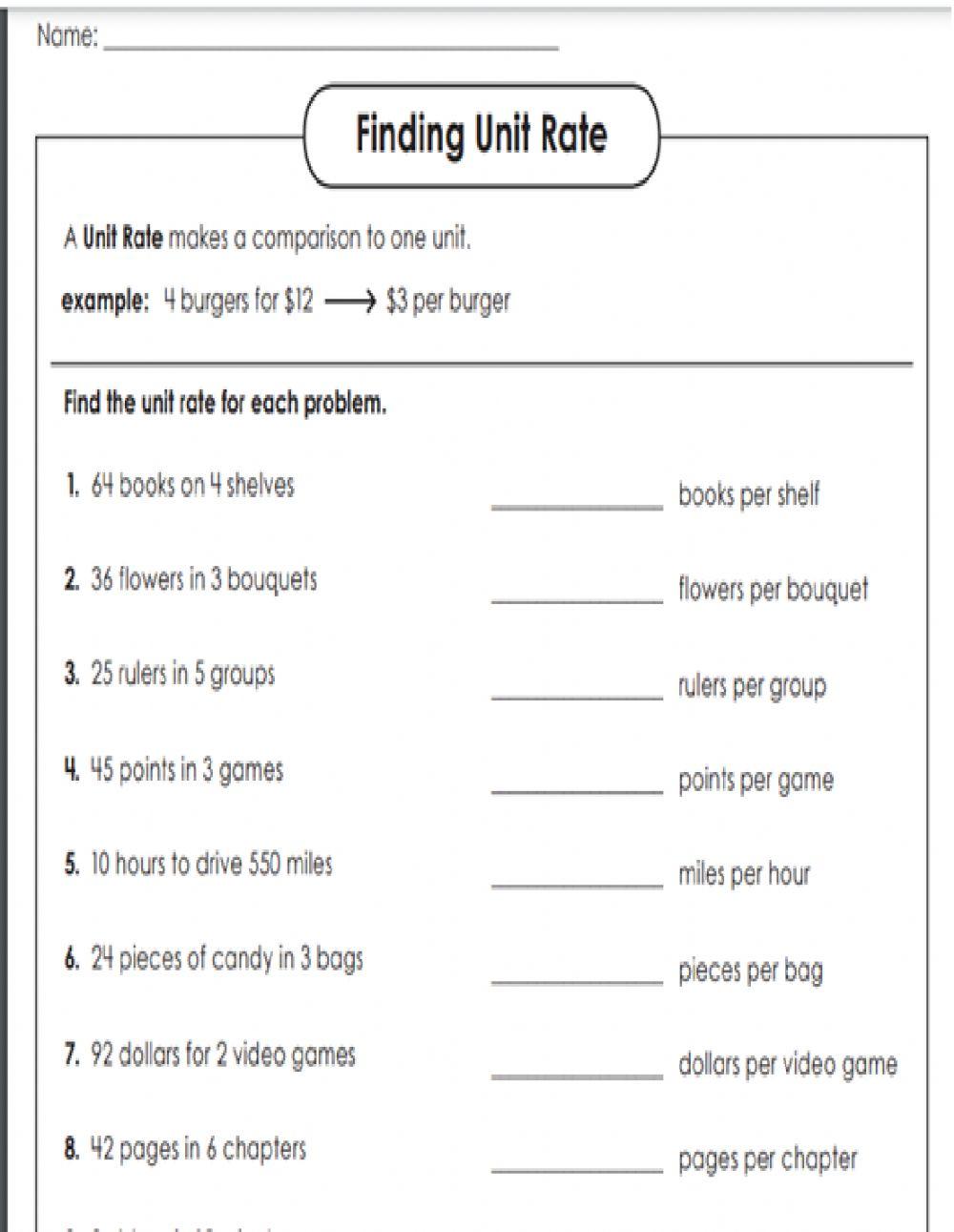
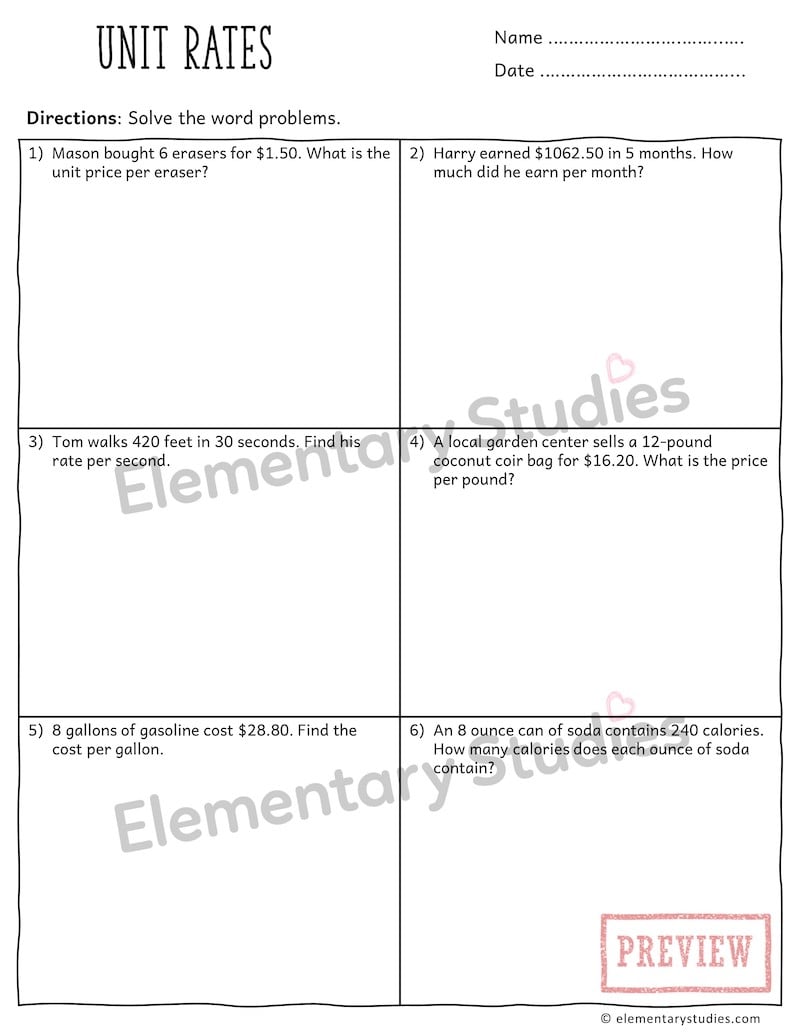
Unit rates are a way to compare two quantities by showing how much of one unit corresponds to a single unit of another. For first graders, introducing this concept involves using relatable examples, such as comparing items in a grocery store or counting objects in the classroom. The First Grade Unit Rate Calculations Review Worksheets provide a structured approach to understanding these comparisons, often featuring problems that ask students to calculate how much one item costs when given the total price for multiple items.
In the classroom, you can use these worksheets as part of a broader lesson plan. Begin with a hands-on activity where students can see unit rates in action, such as dividing a number of apples into bags and calculating how many apples are in each bag. This tangible experience can make the worksheets more meaningful when students sit down to complete them.
Layout and Structure of the Worksheets
The design of the First Grade Unit Rate Calculations Review Worksheets is crucial for maintaining student engagement and facilitating understanding. Typically, these worksheets include:
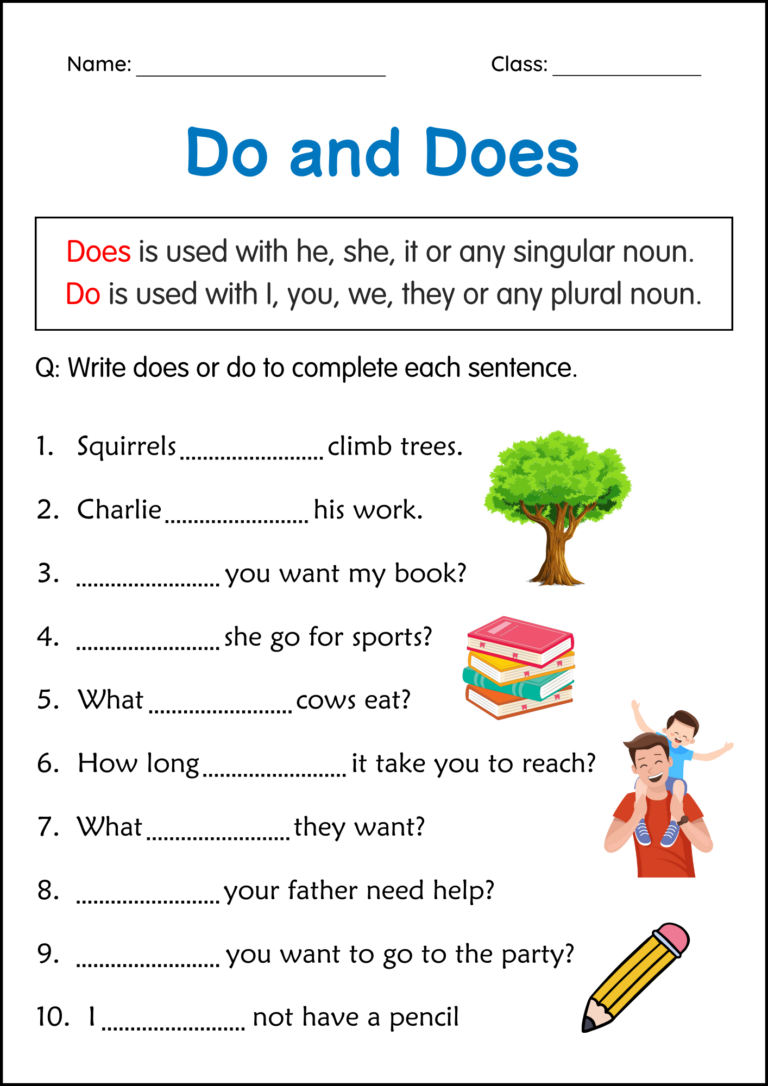
- Clear Instructions: Each worksheet starts with straightforward instructions that guide students on what to do. This clarity is essential for first graders, who may require additional support in following directions.
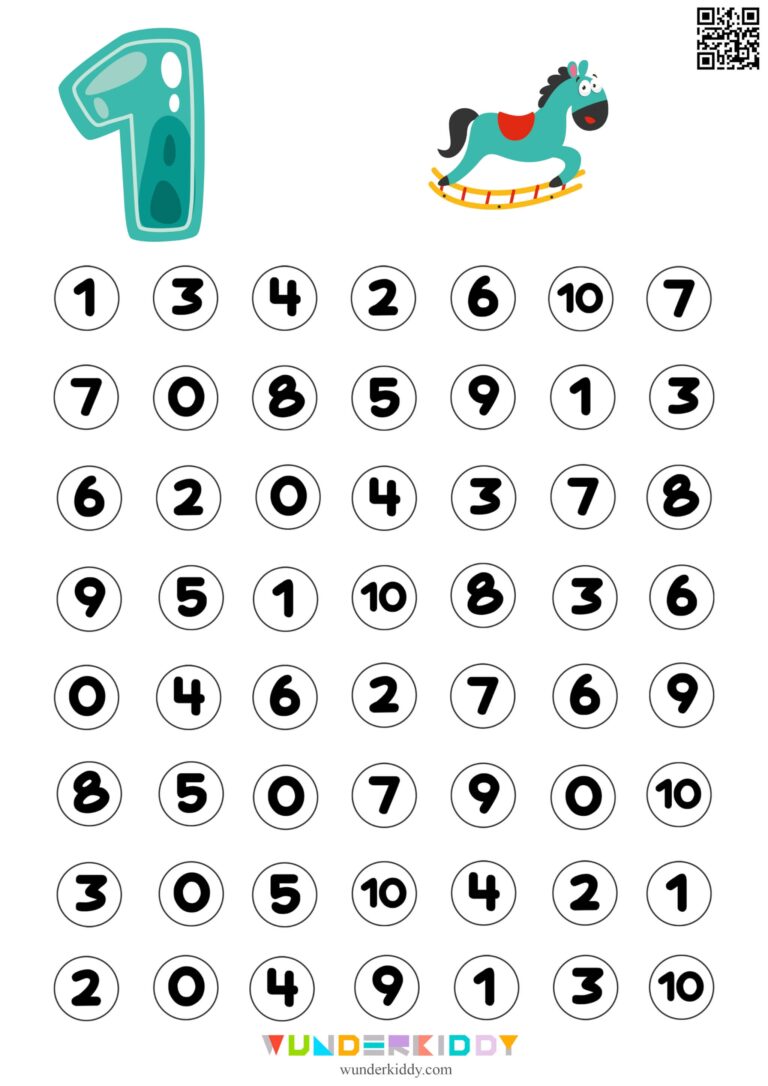
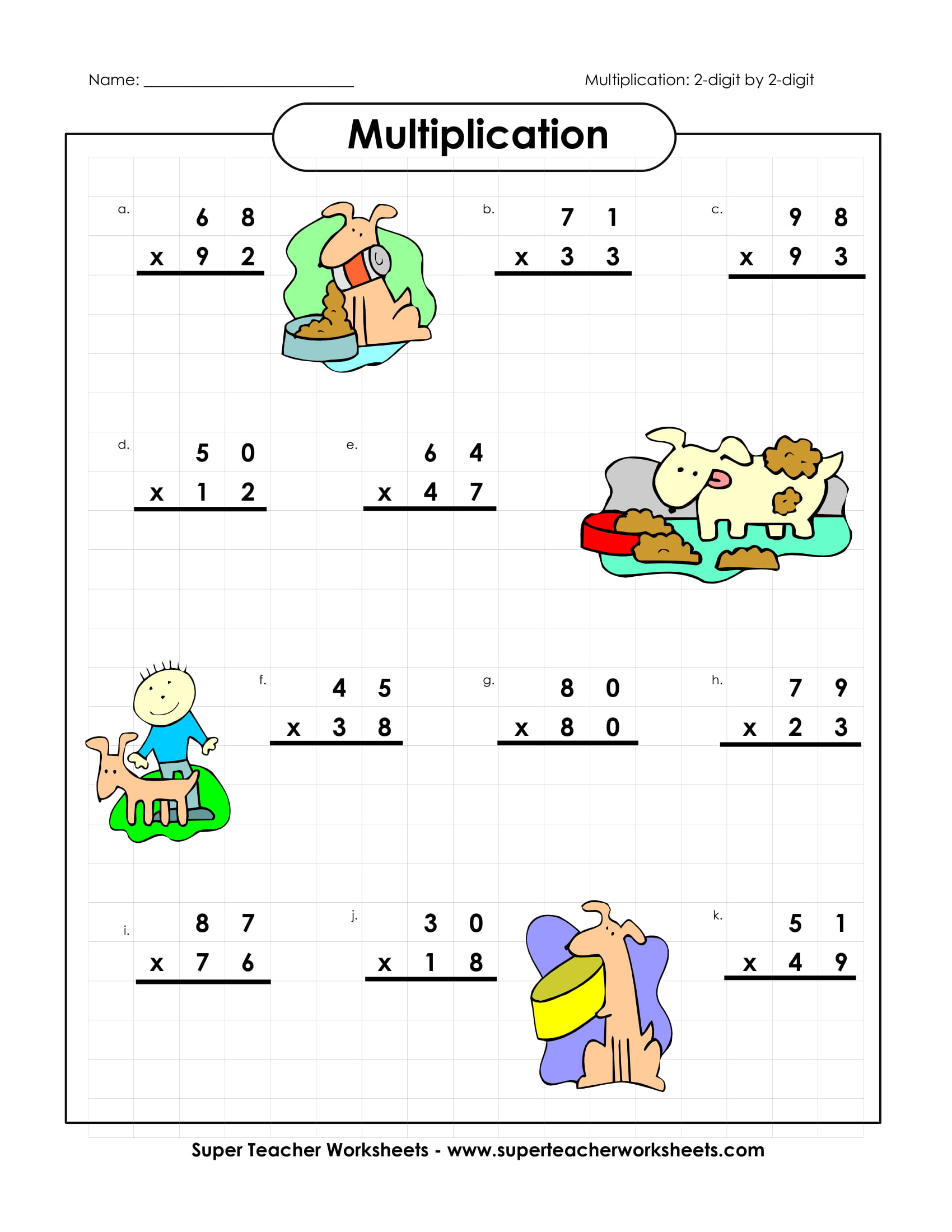
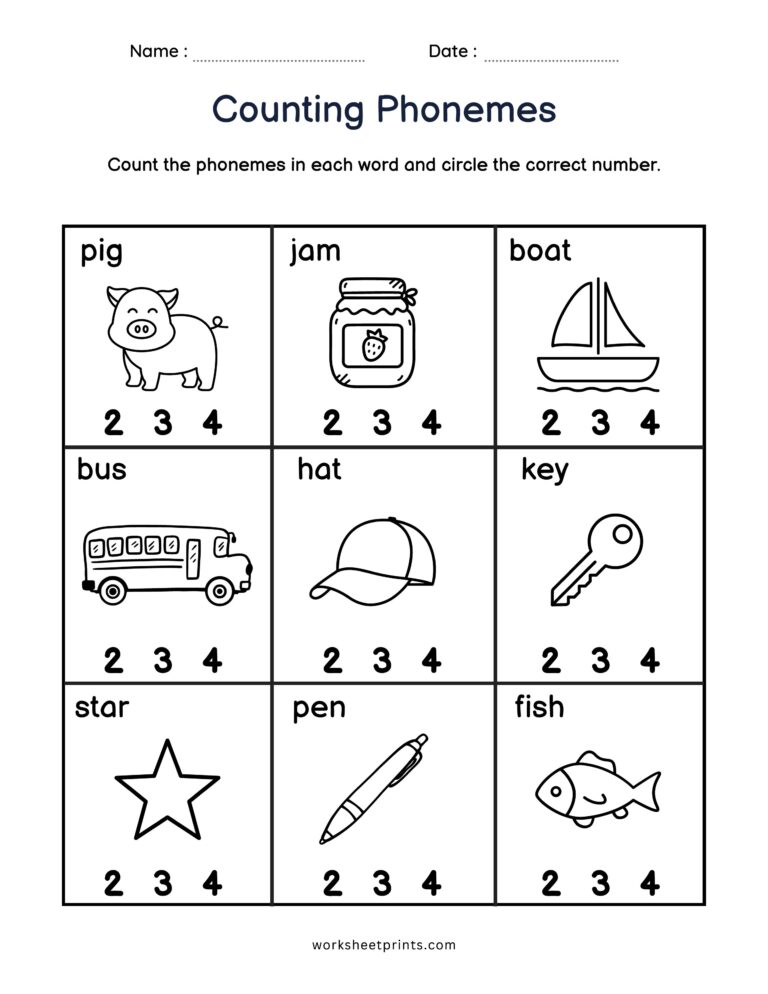
- Visual Aids: Many worksheets incorporate images or charts to help illustrate the problems. Visual aids can significantly enhance comprehension, especially for young learners who benefit from seeing the concepts in action.
- Variety of Problems: The worksheets usually contain a mix of multiple-choice questions, fill-in-the-blank exercises, and practical word problems. This variety keeps students interested and allows for different learning styles to be accommodated.
When printing these worksheets, portrait orientation generally works best for standard classroom printers, ensuring that all content fits neatly on the page. Use standard letter-size paper (8.5 x 11 inches) for easy handling and distribution.
Spacing Practice Across the Week
An effective way to use the First Grade Unit Rate Calculations Review Worksheets is to space the practice out across the week. Instead of assigning a large number of problems at once, consider breaking it down into smaller, manageable sections. For example, you might assign one worksheet each day, allowing students to focus on a few problems at a time. This method helps reinforce learning by providing repeated exposure to the material without overwhelming the students.
Incorporate discussions around the worksheets after each session. Ask students to share their thought processes and the strategies they used to arrive at their answers. This peer interaction not only solidifies their understanding but also builds communication skills.
Practical Tips for Implementing the Worksheets
To maximize the effectiveness of the First Grade Unit Rate Calculations Review Worksheets, consider the following practical tips:
- Use Real-Life Examples: Relate the problems on the worksheets to scenarios that are familiar to students, such as shopping for snacks or sharing toys. This relevance can make the math feel more applicable and engaging.
- Encourage Group Work: Allow students to work in pairs or small groups to solve the worksheets. Collaborative learning can foster a supportive atmosphere where students feel comfortable discussing their ideas and questions.
- Frequent Review: Integrate brief review sessions at the end of each week to revisit the concepts learned through the worksheets. This reinforcement is essential for long-term retention and understanding.
By incorporating these strategies into your lesson plans, you can create a dynamic learning environment that encourages first graders to engage with unit rates in a meaningful way.