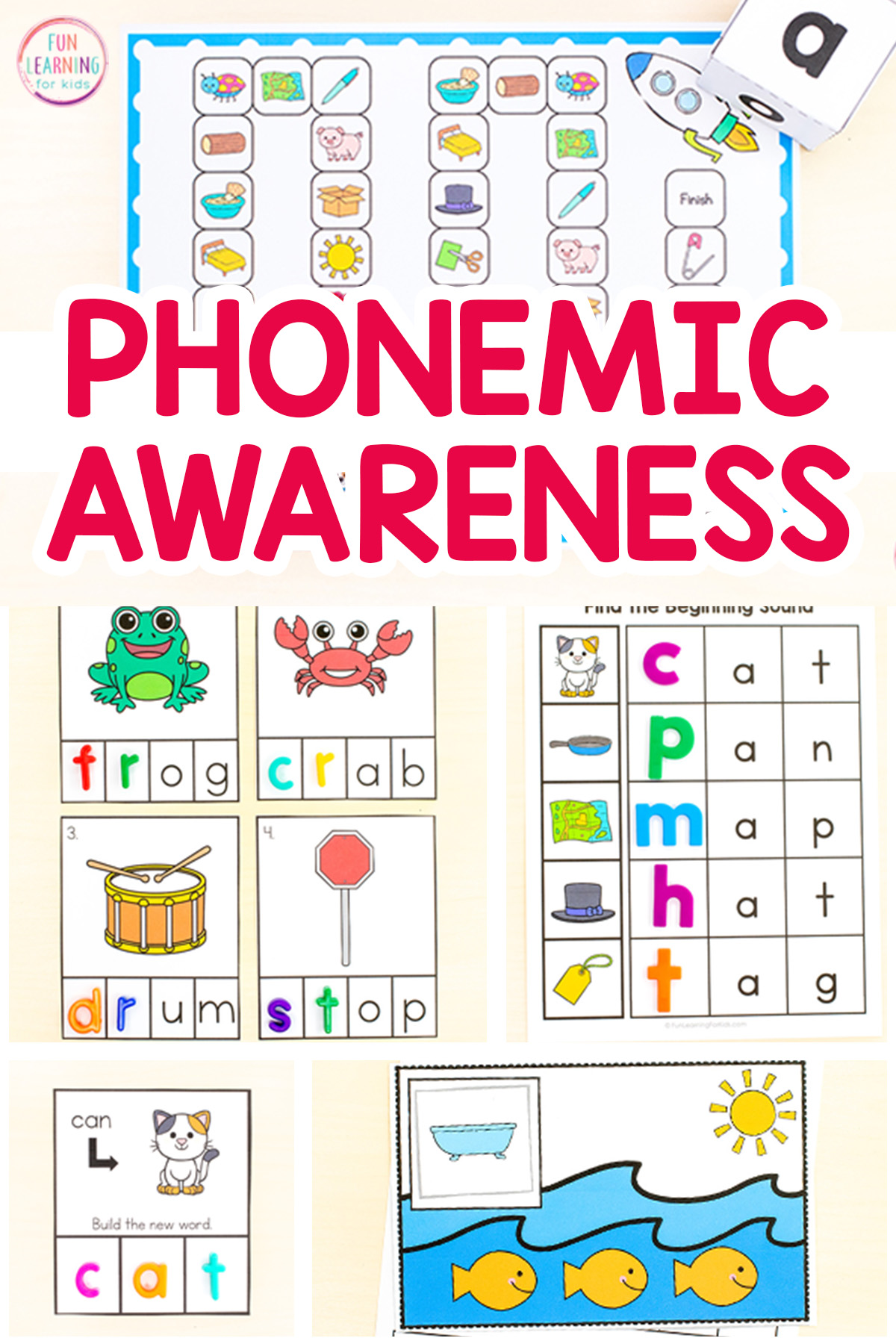
Free Printable Preschool Phoneme Counting Exercises
In a cozy classroom filled with colorful posters and eager little faces, Ms. Thompson noticed her students struggling to grasp the concept of phoneme counting. As she flipped through her resources, she realized that introducing fun and engaging activities could make a significant difference. That’s when she came across the Free Printable Preschool Phoneme Counting Exercises, a resource designed to help young learners develop their phonemic awareness in an enjoyable way.
Phoneme counting is an essential skill that lays the groundwork for reading and writing. By helping preschoolers understand that words are made up of individual sounds, or phonemes, we not only enhance their ability to decode words but also improve their spelling skills. These printable exercises are crafted to be straightforward and engaging, making it easy for both teachers and parents to implement them in their daily routines.
Understanding Phoneme Counting
Phoneme counting involves identifying and counting the individual sounds in a word. For example, the word “cat” has three phonemes: /k/, /æ/, and /t/. In contrast, “dog” has three phonemes as well: /d/, /ɔ/, and /g/. Teaching preschoolers to recognize and count these sounds is an important step in their literacy journey.
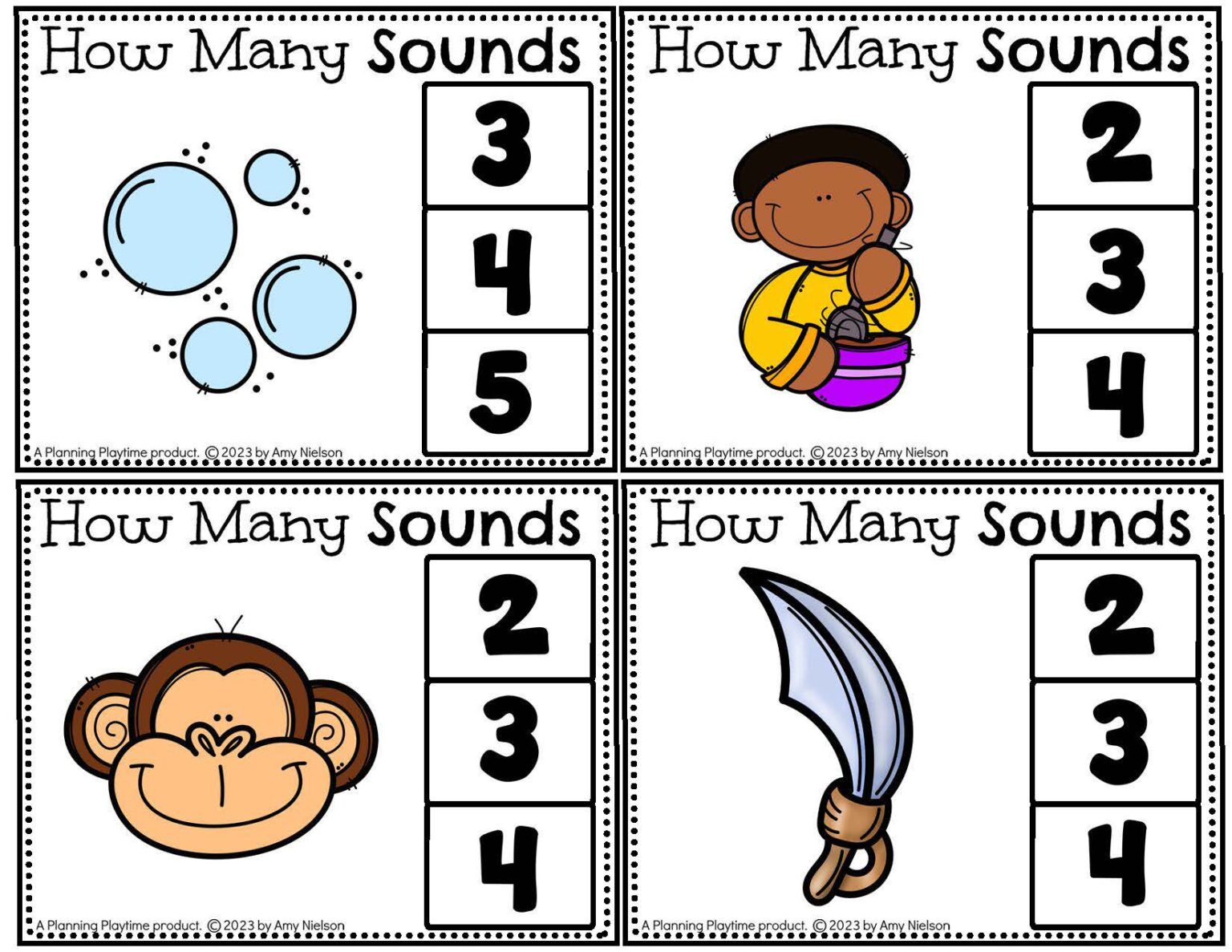
The Free Printable Preschool Phoneme Counting Exercises are designed for children aged 4-5 years, making them perfect for preschool classrooms or at-home learning. These exercises encourage independent practice, allowing children to work on their phonemic awareness with minimal supervision.
How to Use the Phoneme Counting Exercises
Using these printable exercises is simple and straightforward. Here’s how you can integrate them into your teaching or home learning environment:
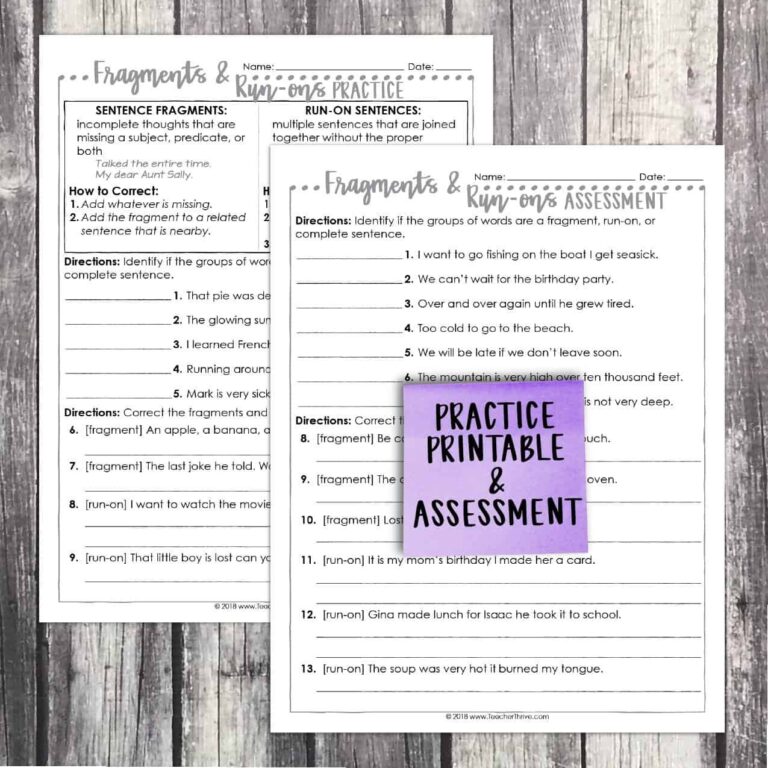
- Print the Worksheets: Download and print the exercises from the resource website. Choose the portrait layout for easier handling, as it tends to work better for most home printers.
- Gather Supplies: You’ll need crayons or markers for children to color in the worksheets. If you want the sheets to last longer, consider printing them on cardstock or laminating them.
- Introduce the Concept: Start by explaining what phonemes are and why they are important. Use everyday words to demonstrate counting phonemes. For example, say a simple word like “bat” and clap for each phoneme as you say it.
- Guide the Children: As they begin the exercises, encourage them to say the words aloud and count the sounds. You can help by segmenting the sounds for them initially and then allowing them to try on their own.
- Encourage Repetition: Phoneme counting is a skill that improves with practice. Set aside time each week for the children to revisit these exercises, which can reinforce their learning and confidence.
Engaging Activities to Reinforce Learning
In addition to the Free Printable Preschool Phoneme Counting Exercises, integrating other activities can further enhance phonemic awareness:
Sound Sorting Games
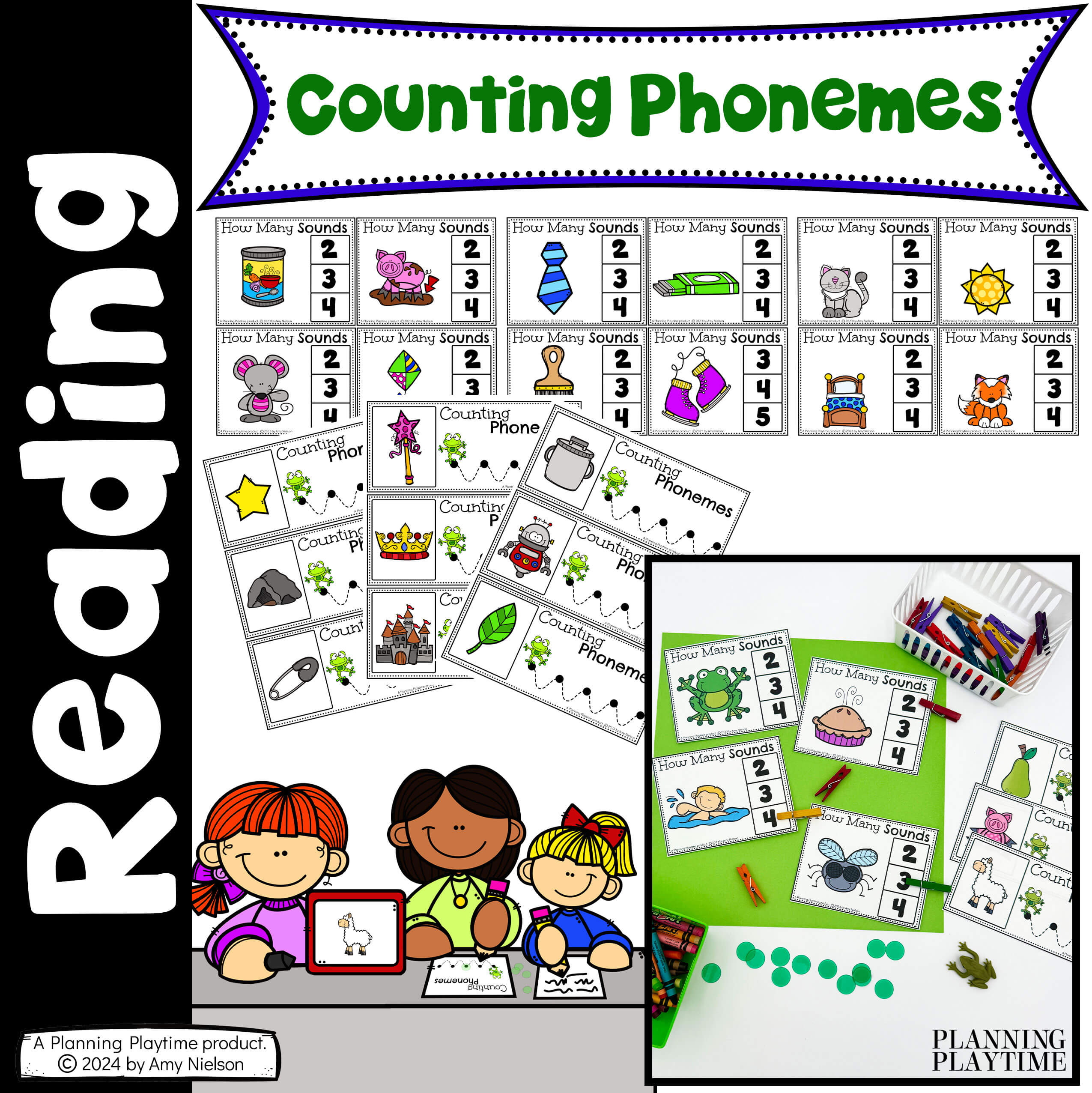
Create a sound sorting game where children can categorize pictures or objects based on their initial phonemes. For example, have images of a cat, car, and cow and ask children to group them together under the /k/ sound.
Phoneme Counting Songs
Introduce songs that emphasize phoneme counting. Songs with repetitive phrases and clear articulation can help children pick up on sounds in a fun and engaging way.
Interactive Storytime
During storytime, pause and ask children to identify and count the phonemes in simple words. This not only reinforces the concept but also keeps them actively engaged in the story.
Tips for Success With Phoneme Counting
To ensure that your phoneme counting activities are effective, consider these practical tips:
- Keep it Fun: Incorporate games and playful activities to maintain interest and enthusiasm. The more enjoyable the process, the more likely children will want to participate.
- Use Visual Aids: Utilize pictures and visual representations of words to help children connect sounds with their corresponding letters.
- Be Patient: Phoneme counting can be challenging for some children. Offering encouragement and being patient as they learn will help build their confidence.
- Track Progress: Keep a record of each child’s progress with phoneme counting. This will help you identify areas where they may need additional support and allow you to celebrate their successes.