Third Grade Skill Worksheets Covering Phoneme Counting
In the quest to develop foundational literacy skills, phoneme counting is a critical area of focus for third graders. These skills not only pave the way for reading fluency but also enhance overall language comprehension. When using Third Grade Skill Worksheets Covering Phoneme Counting, teachers can strategically guide students through engaging activities designed to improve their ability to identify and manipulate phonemes.
Understanding Phoneme Counting
Phoneme counting refers to the ability to hear and identify the individual sounds in words. For example, the word “cat” has three phonemes: /k/, /æ/, and /t/. This skill is essential as it helps students decode words and enhances their spelling capabilities. In third grade, students are typically expected to develop a stronger understanding of phoneme segmentation and blending, which are vital for improving reading skills.
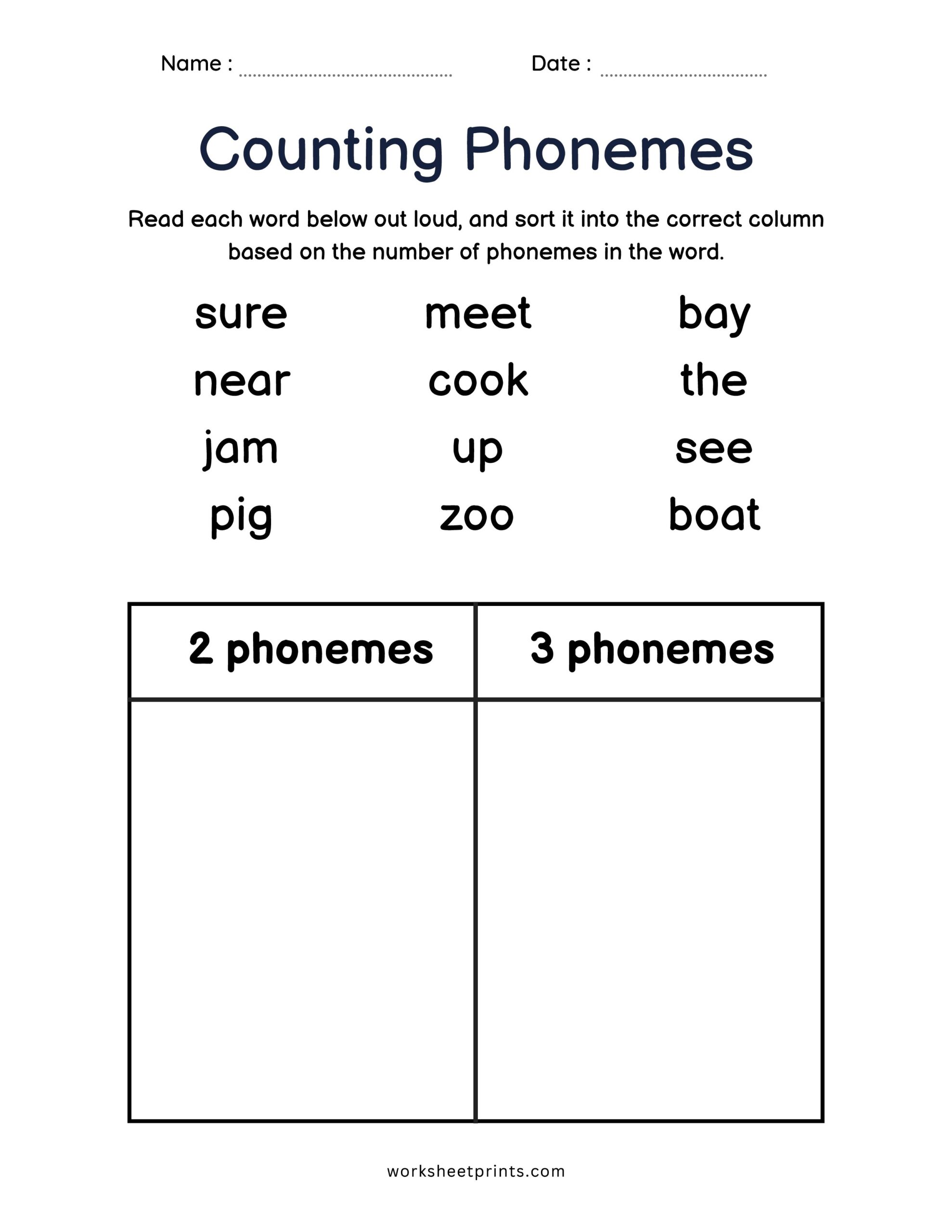
Worksheets that focus on phoneme counting can help students practice these skills in a structured manner. By engaging students with a variety of exercises that challenge them to break down words into their constituent sounds, educators can reinforce their learning and build confidence.
Features of Effective Worksheets
When selecting or creating Third Grade Skill Worksheets Covering Phoneme Counting, consider the following features to ensure they meet educational standards and are effective for your students:
- Clear Layout: Worksheets should have a clean and organized layout. Use large fonts and plenty of white space to make it easy for students to read and follow instructions. This is especially important for young learners who may struggle with visual clutter.
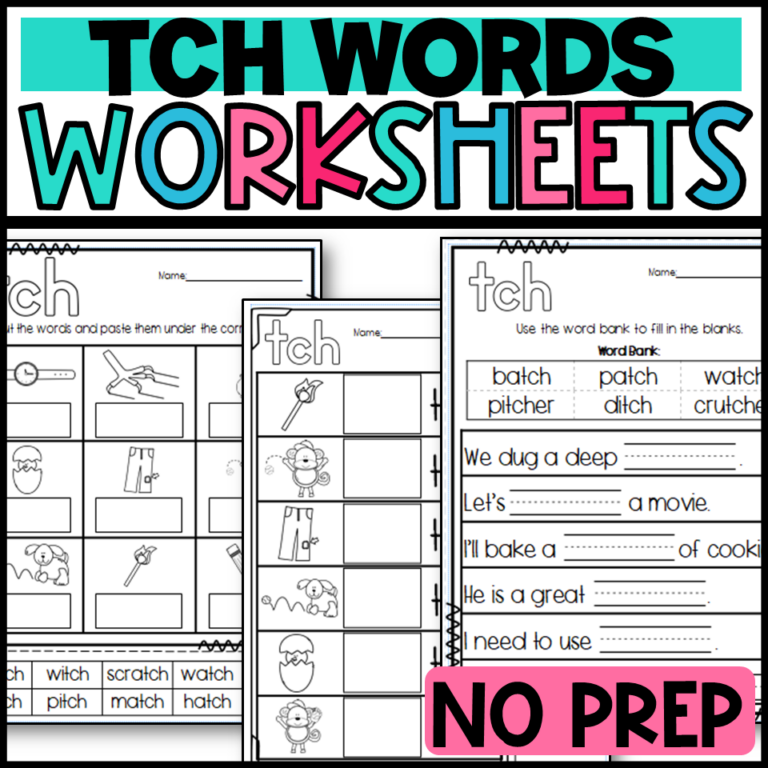
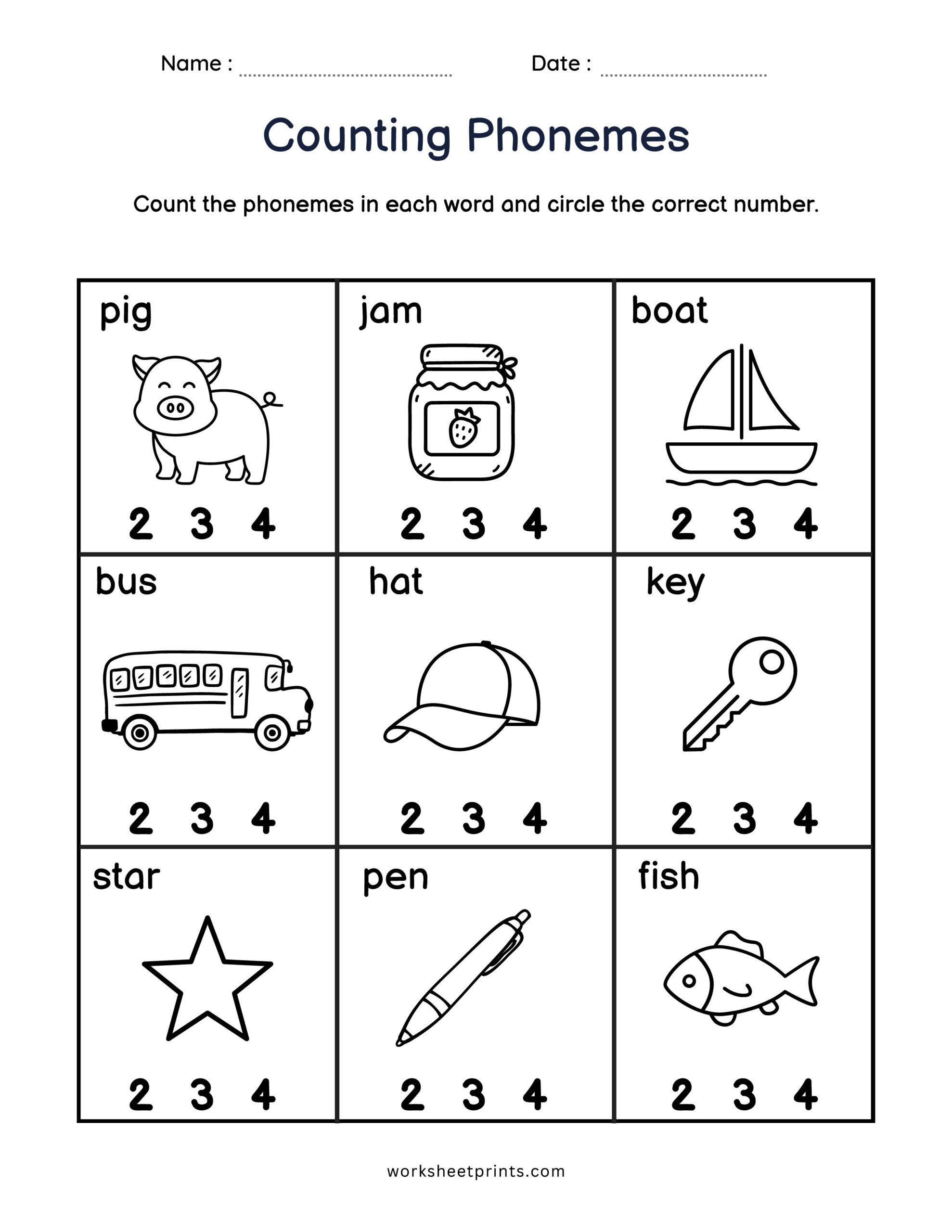
- Engaging Activities: Incorporate various activities like matching phonemes to pictures, filling in missing sounds, or counting phonemes in different words. This variety keeps students engaged and caters to different learning styles.
- Progressive Difficulty: Begin with simpler tasks and gradually increase the complexity. For instance, start with two-phoneme words (e.g., “at”) before moving to three-phoneme words (e.g., “cat”) and beyond. This scaffolding approach helps build confidence and mastery.
- Visual Aids: Include illustrations or images that correspond with the words used in exercises. Visuals can aid in comprehension and retention, making the learning experience more enjoyable.
- Answer Keys: Providing an answer key for teachers can save time and ensure that they can quickly give feedback to students.
Integrating Worksheets Into Daily Lessons
To maximize the effectiveness of Third Grade Skill Worksheets Covering Phoneme Counting, integrate them into daily lesson plans. Here’s how you can structure your week around phoneme practice:
- Monday: Introduce phoneme counting with a short lesson explaining the concept, followed by a worksheet focusing on two-phoneme words.
- Tuesday: Use a phoneme counting game in pairs to reinforce learning, allowing students to practice verbally.
- Wednesday: Distribute worksheets with three-phoneme words, making sure students work individually or in small groups to encourage collaboration.
- Thursday: Review the previous day’s worksheet, discussing common errors and successful strategies. This reflection helps solidify learning.
- Friday: Incorporate a fun phoneme counting activity, such as a phoneme scavenger hunt, where students find objects around the classroom that match a given phoneme.
Spreading these activities across the week helps reinforce the skills without overwhelming the students. Consistent practice is vital, as repeated exposure to phoneme counting will help solidify their understanding.
Customizing Worksheets for Diverse Learners
Every classroom is filled with a diverse group of learners, and differentiating instruction is key. Here are some strategies to customize Third Grade Skill Worksheets Covering Phoneme Counting for various needs:
- For Struggling Learners: Provide worksheets with phoneme counting that includes visual cues or phonics support. Consider using color-coded phonemes to help students visually differentiate sounds.
- For Advanced Learners: Challenge these students with worksheets that include multi-syllable words or require them to create sentences using targeted phonemes. You can also encourage them to design their own worksheets for peers.
- For English Language Learners (ELLs): Use worksheets that incorporate bilingual support. Including translations or phonetic spellings can help ELL students connect with the material more effectively.
Evaluating Progress
Tracking student progress in phoneme counting is essential for understanding their mastery of the skill. Use the following methods to assess their development:
- Regular Quizzes: Incorporate short phoneme counting quizzes at the end of each week. This can help gauge understanding and retention.
- Observation: Take notes during group activities or individual work to identify students who might be struggling or excelling. This qualitative data can inform future lesson planning.
- Portfolio Creation: Encourage students to maintain a portfolio of their completed worksheets. This not only showcases their progress but also fosters a sense of accomplishment as they see their growth over time.
By regularly assessing students and adapting your teaching strategies accordingly, you can ensure that each child receives the support they need to succeed.