Sixth Grade Syllable Types Identification Review Worksheets
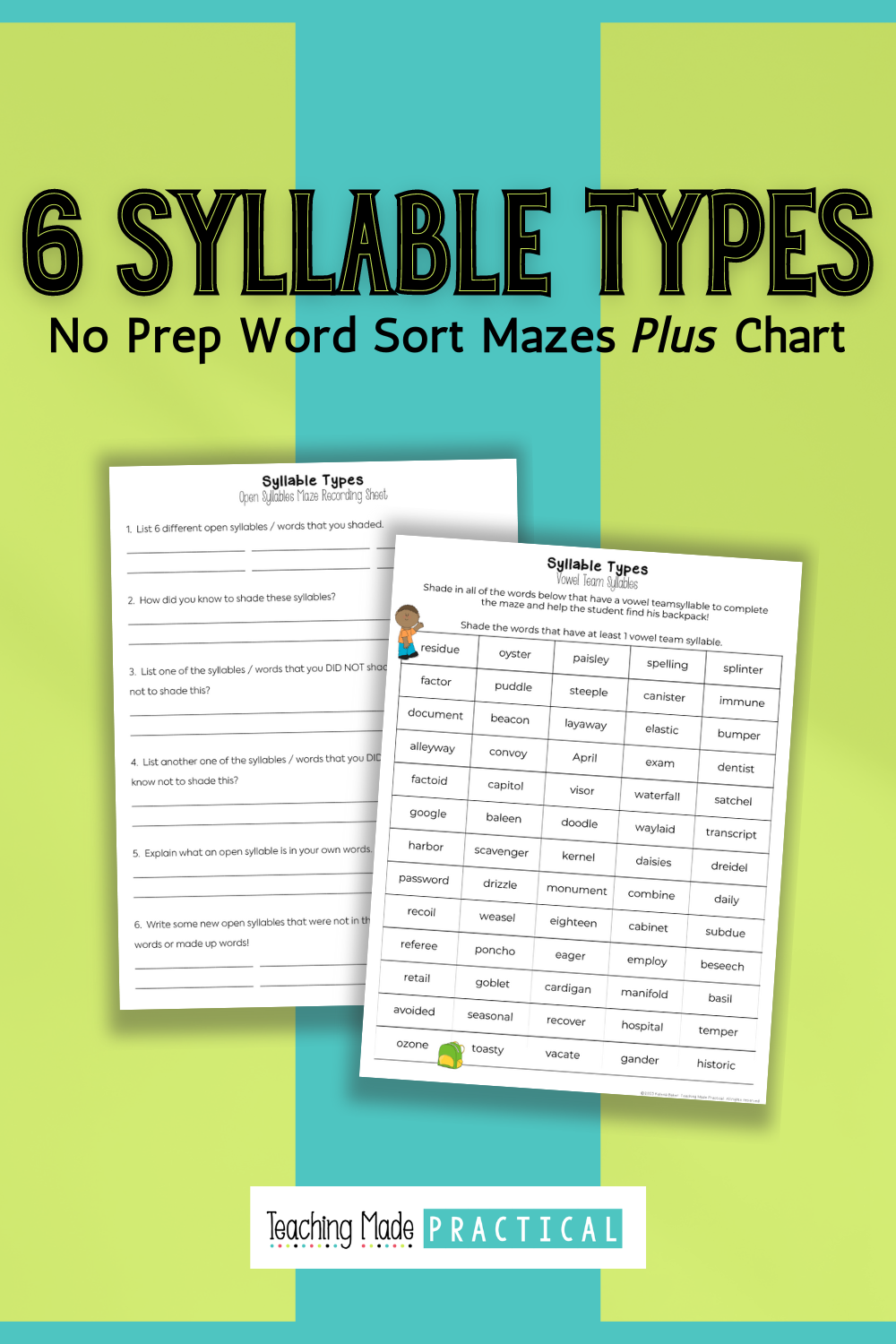
In a quiet classroom, Ms. Thompson watched as her sixth graders tackled their latest reading assignment. Some were effortlessly identifying words, while others struggled with syllables. This is a common scene in many classrooms, where understanding syllable types can significantly impact a student’s reading fluency and comprehension. To support her students, Ms. Thompson decided to incorporate Sixth Grade Syllable Types Identification Review Worksheets into her lesson plan. These worksheets are designed to reinforce the understanding of different syllable types, ensuring that all students have the tools they need to succeed.
Understanding Syllable Types
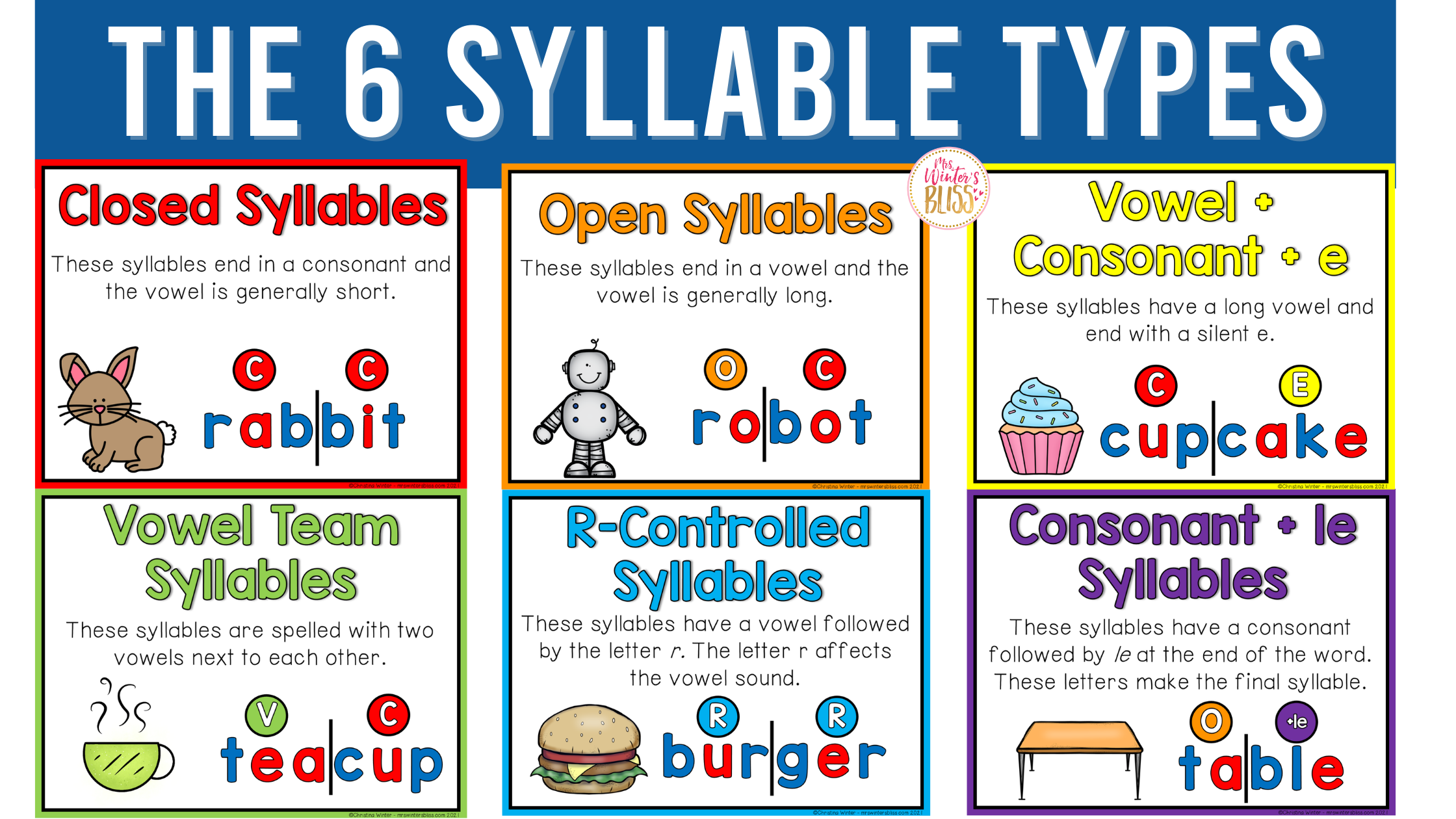
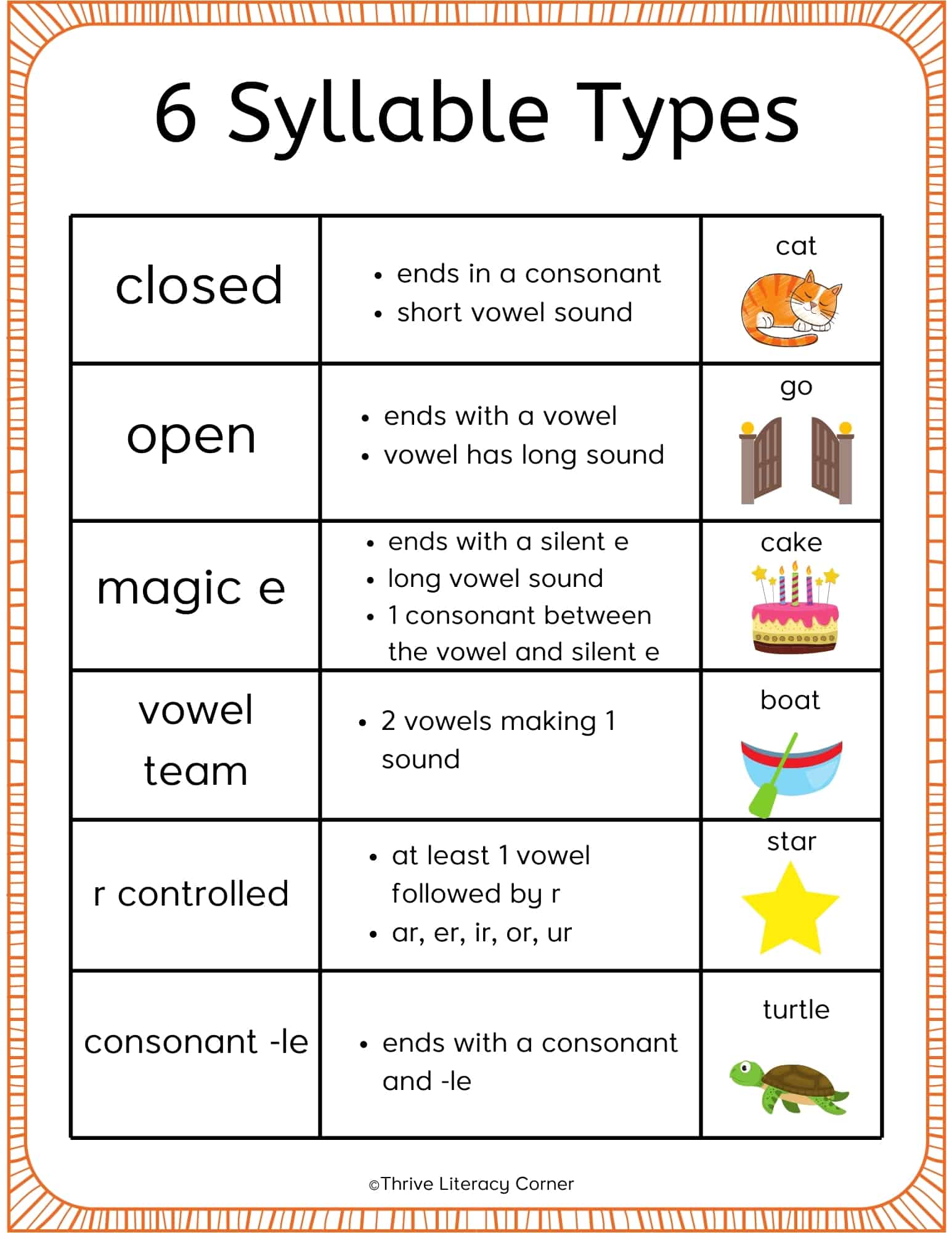
Before diving into the worksheets, it’s essential to understand the six types of syllables that are typically taught in sixth grade:
- Closed Syllable: A syllable that ends in a consonant, like “cat.”
- Open Syllable: A syllable that ends in a vowel, such as “go.”
- Silent E Syllable: A syllable with a silent “e” at the end, like “cake.”
- Vowel Team Syllable: A syllable containing two vowels that work together to make one sound, such as “team.”
- R-controlled Syllable: A syllable where the vowel is followed by an “r” that alters its sound, like “car.”
- Consonant-le Syllable: A syllable that ends with a consonant followed by “le,” such as “table.”
These types form the foundation of many words, and understanding them is crucial for sixth graders as they advance in their reading skills. The worksheets can help students practice identifying these syllable types through a variety of engaging activities.
Using the Worksheets Effectively
When using Sixth Grade Syllable Types Identification Review Worksheets, consider spreading the practice over several days. This approach allows students to absorb and apply the concepts without feeling overwhelmed. Here’s a practical plan:
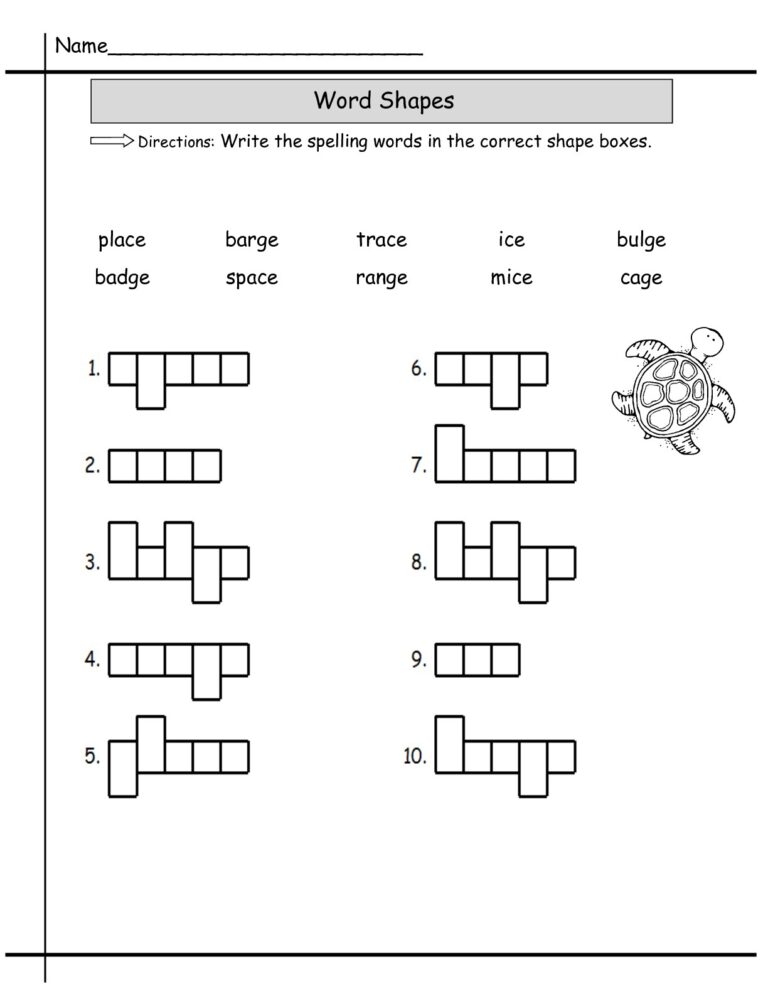
- Day 1: Introduce the concept of syllable types. Use a brief lesson to explain each type and provide examples. Distribute worksheets that require students to match words with their corresponding syllable types. This initial exposure helps activate prior knowledge and sets the stage for deeper learning.
- Day 2: Review the previous day’s lesson. Then, hand out a new worksheet that includes a syllable type sorting activity. Students can work in pairs to discuss and categorize words based on the syllable types they learned. This collaborative approach fosters communication skills and allows for peer learning.
- Day 3: Provide a worksheet focused on identifying syllable types in sentences. Students will read through sentences and underline words, then identify the syllable types. This exercise not only reinforces their understanding but also improves their reading comprehension.
- Day 4: Conduct a fun, competitive game using the worksheets. For instance, create a “Syllable Types Challenge” where students race against the clock to complete as many worksheets as possible within a set time. This adds an element of excitement and helps solidify their learning.
- Day 5: Wrap up the week with a review session. Use a worksheet that combines elements from the previous days, allowing students to demonstrate their understanding of all six syllable types. This cumulative assessment can help you gauge their progress and identify any areas that may need additional attention.
Tailoring Worksheets for Diverse Learners
In any classroom, you’ll find students with varying levels of understanding and skill. When using the Sixth Grade Syllable Types Identification Review Worksheets, it’s crucial to tailor your approach to meet the needs of all learners. Here are some strategies to consider:
- For Struggling Readers: Provide extra support by pairing them with a buddy who can help explain the concepts. Use worksheets that focus on fewer syllable types at first, allowing them to build confidence before tackling more complex tasks.
- For Advanced Learners: Challenge these students with worksheets that include multisyllabic words and require them to identify the syllable types within longer words. You might also encourage them to create their own sentences using specific syllable types.
- For English Language Learners (ELLs): Incorporate visual aids and examples in their native language if possible. Provide worksheets with pictures that correspond to the syllables, helping them connect the concepts through visual learning.
Incorporating Technology
In today’s digital age, integrating technology can enhance the learning experience. Consider using online platforms that offer interactive syllable type activities. Many educational websites provide engaging games and quizzes that reinforce the same concepts covered in the worksheets. This not only makes learning fun but also encourages independent practice outside the classroom.
For instance, after completing the worksheets, direct your students to an online quiz where they can test their knowledge on syllable types. This immediate feedback can be beneficial for reinforcing their learning.