Sixth Grade Equivalent Fraction Models Review Worksheets
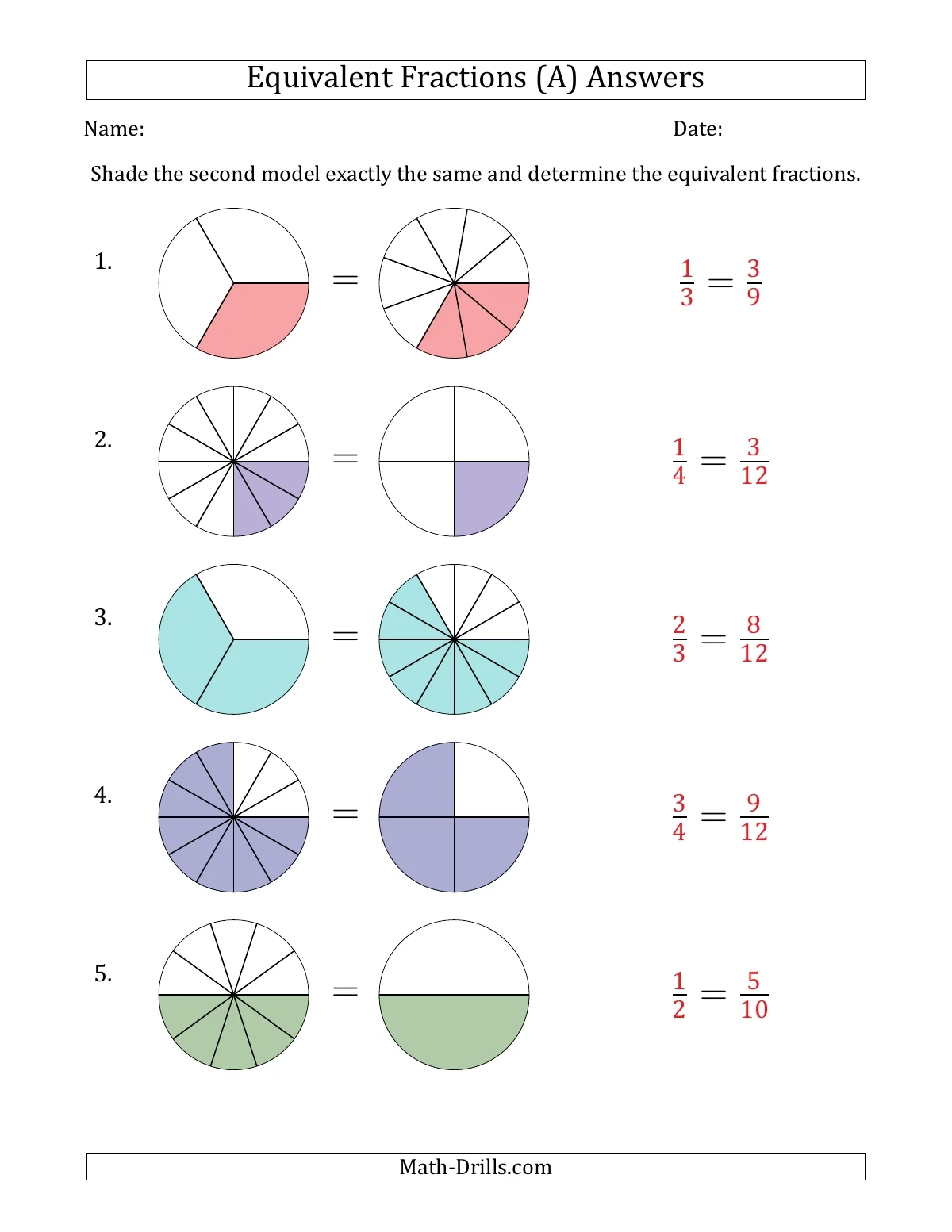
Understanding equivalent fractions is essential for sixth graders, as it lays the groundwork for more complex mathematical concepts. The Sixth Grade Equivalent Fraction Models Review Worksheets are designed to help students grasp this important topic through hands-on practice. These worksheets provide a variety of models, including visual representations and numerical exercises, making them a versatile resource for teachers and parents.
The Importance of Understanding Equivalent Fractions
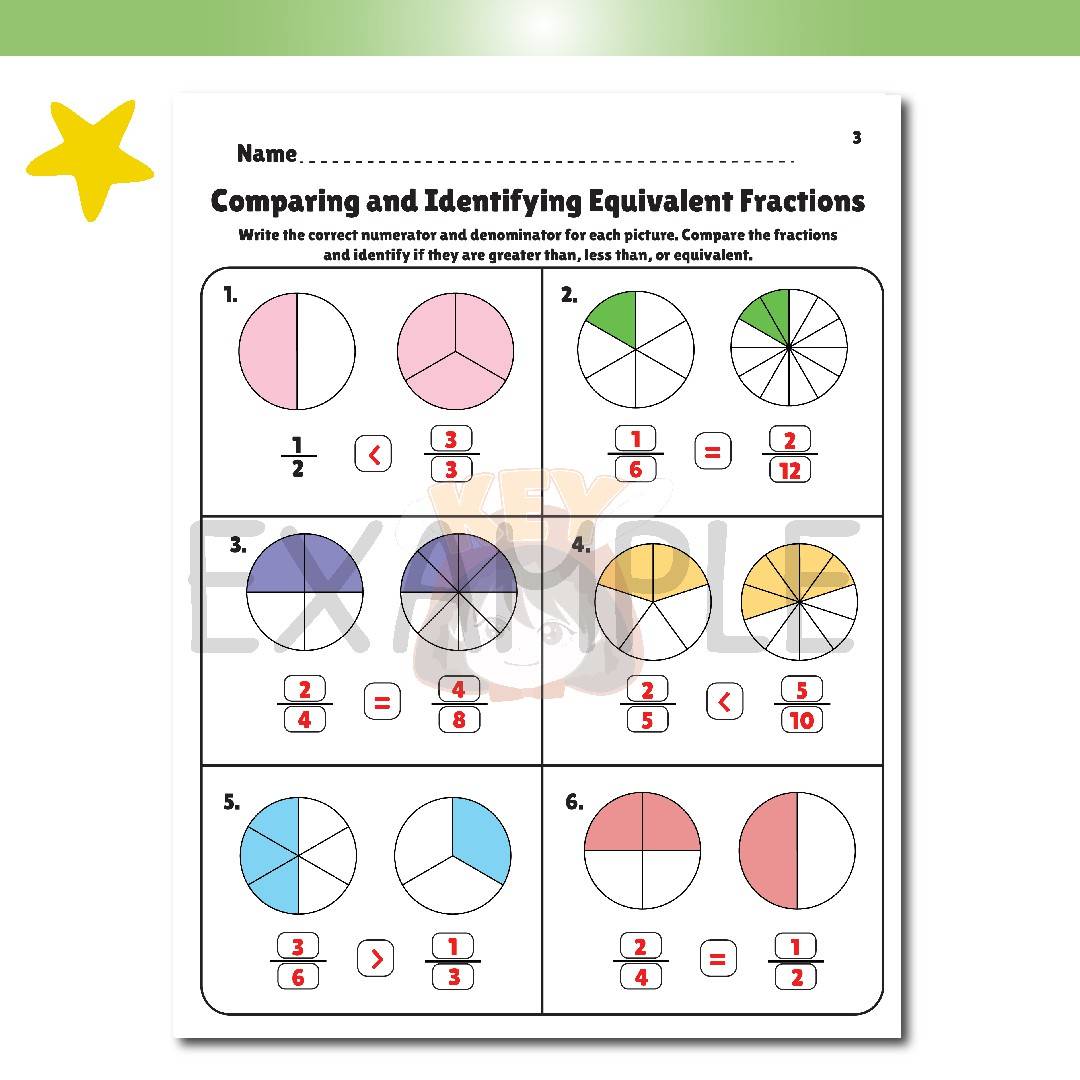
In sixth grade, students often encounter fractions in various contexts, including problem-solving and real-life applications. Understanding equivalent fractions is crucial, as it helps students compare, add, and subtract fractions effectively. By using the equivalent fraction models review worksheets, students can visualize how different fractions represent the same value. This visual learning approach is particularly beneficial for students who may struggle with abstract concepts.
Features of the Equivalent Fraction Models Review Worksheets
These worksheets come packed with features that make them an effective teaching tool:
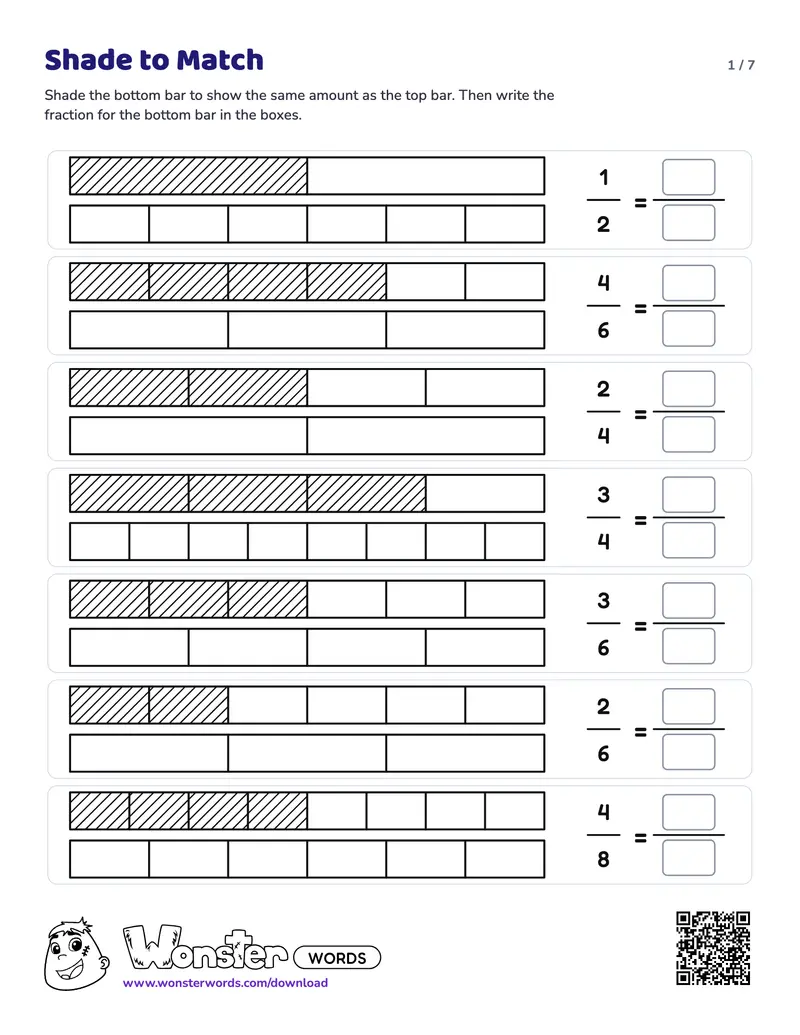
- Variety of Models: The worksheets include different models such as number lines, pie charts, and bar models. This variety helps cater to different learning styles.
- Progressive Difficulty: The activities range from basic to more challenging problems, allowing teachers to differentiate instruction based on student needs.
- Engaging Activities: Tasks often include coloring, matching, and filling in blanks, which keeps students engaged and reinforces their learning.
- Printable Format: Available in PDF format, these worksheets are easy to download and print, ensuring immediate access for classroom or home use.
How to Use the Worksheets in Your Lessons
When integrating the Sixth Grade Equivalent Fraction Models Review Worksheets into your lessons, consider the following tips:
- Introduce Equivalent Fractions: Start with a lesson that explains what equivalent fractions are. Use real-world examples, such as slicing a pizza or dividing a chocolate bar, to demonstrate the concept.
- Model with Visuals: Before handing out the worksheets, show students how to use different models to represent equivalent fractions. This could be done using a whiteboard or interactive math tools.
- Guided Practice: Walk students through a few examples together. This could be done as a class or in small groups. Encourage discussion and questions to ensure understanding.
- Independent Work: Once students feel comfortable, let them work independently on the worksheets. This practice solidifies their understanding and allows you to identify areas where they may need more support.
- Review and Reflect: After completing the worksheets, hold a review session. Discuss the answers as a class, and address any misconceptions. This reflective practice reinforces learning.
Tips for Effective Printing and Usage
To get the most out of the worksheets, keep these practical considerations in mind:
- Paper Choice: For durability, especially if you plan to reuse the worksheets, print on cardstock. This material can withstand handling better than regular printer paper.
- Color Printing: If the worksheets include colored sections, use a color printer. This helps maintain the visual appeal and effectiveness of the models.
- Layout Settings: Check your printer settings before printing. A portrait layout typically works best for worksheets, but landscape might be better for models that are wider.
Additional Resources for Teaching Equivalent Fractions
While the Sixth Grade Equivalent Fraction Models Review Worksheets are comprehensive, consider supplementing them with additional materials. Here are some suggestions:
- Online Games: Many educational websites offer interactive games focused on fractions. These can reinforce concepts in a fun way.
- Manipulatives: Use physical objects like fraction circles or tiles to provide a hands-on experience. This tactile approach can enhance understanding.
- Group Activities: Organize group work where students create their fraction models or games. This promotes collaboration and deeper engagement.
Using the Sixth Grade Equivalent Fraction Models Review Worksheets effectively can significantly enhance student understanding of fractions. By implementing structured lessons, providing engaging activities, and offering a variety of resources, you can create a supportive learning environment that fosters mathematical confidence.
To enhance the learning experience, always be ready to adapt your teaching methods based on student feedback. This responsiveness will help ensure that your lessons are both effective and enjoyable.