Seventh Grade Percent Fraction Conversions Review Worksheets
Understanding how to convert between percents and fractions is crucial for seventh graders as they build foundational math skills. The Seventh Grade Percent Fraction Conversions Review Worksheets offer a structured way to reinforce these concepts through independent practice. Each worksheet is designed to be user-friendly, ensuring students can navigate the exercises without requiring constant teacher supervision.
Layout and Design of the Worksheets
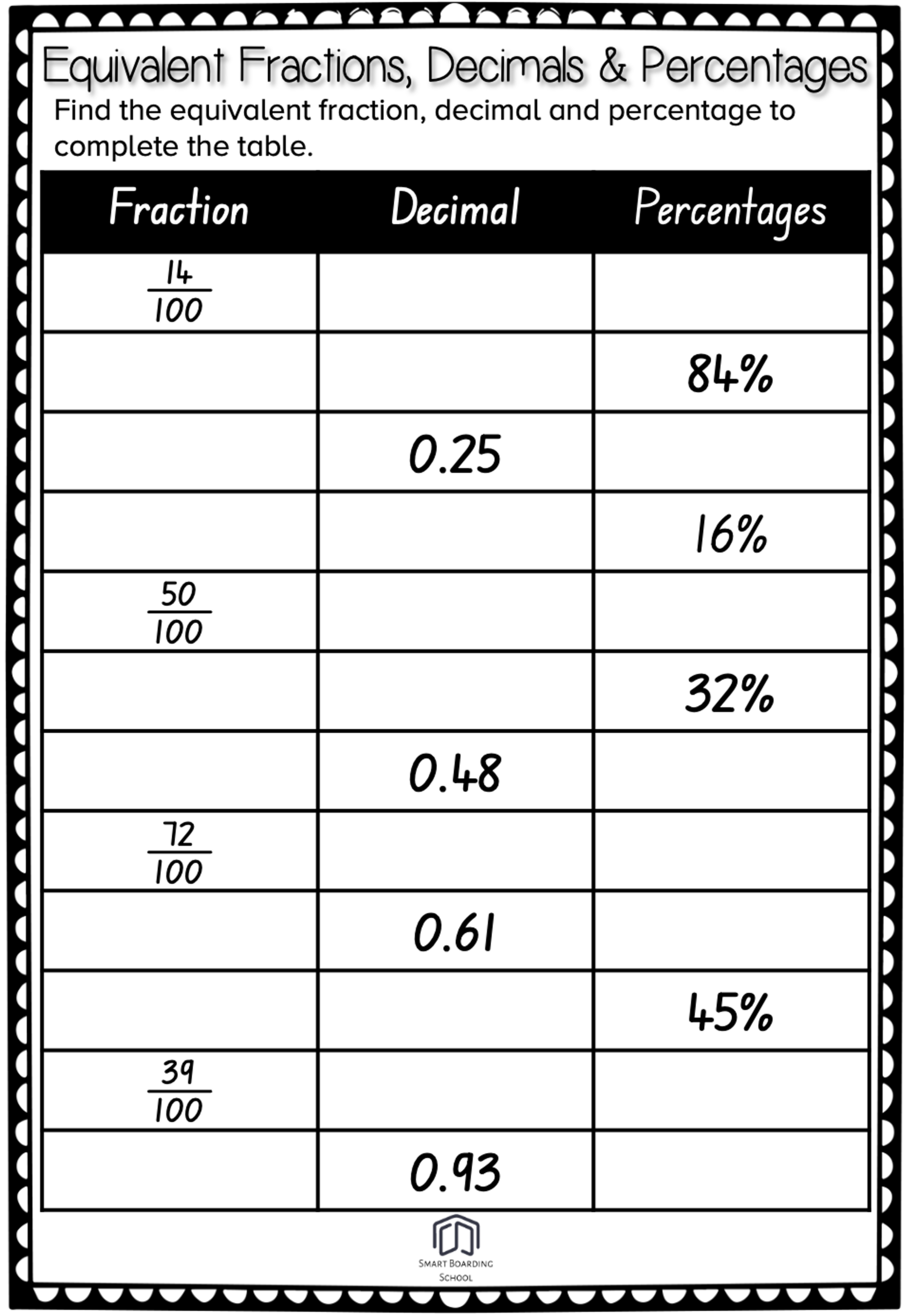
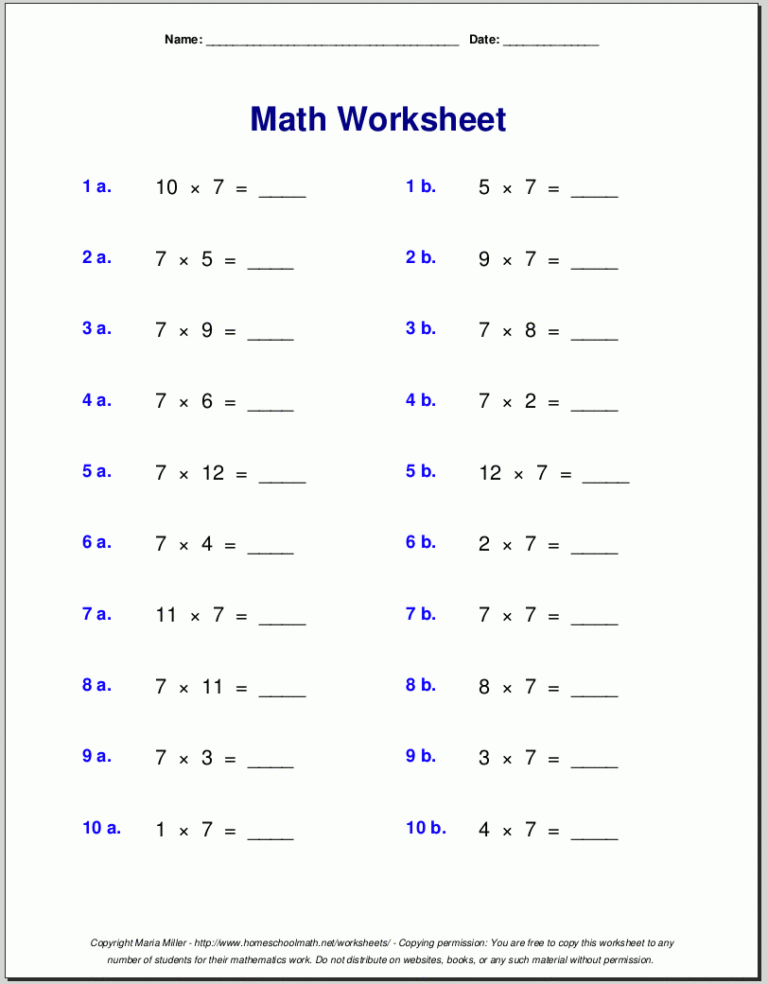
These worksheets typically come in a standard letter size (8.5 x 11 inches), making them easy to print and distribute. The layout is clean and organized, with ample white space to help students focus on the problems. Each sheet generally includes:
- A brief introduction to the topic
- Clear instructions for each exercise
- Varied problem types to cater to different learning styles
- Space for students to show their work
The design choices prioritize clarity, allowing students to engage with the material effectively. In a classroom setting, you can print these worksheets in portrait orientation for easy handling.
Types of Activities Included
The Seventh Grade Percent Fraction Conversions Review Worksheets feature a variety of activities aimed at reinforcing the conversion skills needed for this grade level. Here are some common types you might find:
- Conversion Problems: Students practice converting fractions to percents and vice versa, using both numerical and word problems.
- Real-Life Applications: Worksheets may include scenarios where students must apply their knowledge to everyday situations, such as calculating discounts or understanding statistics.
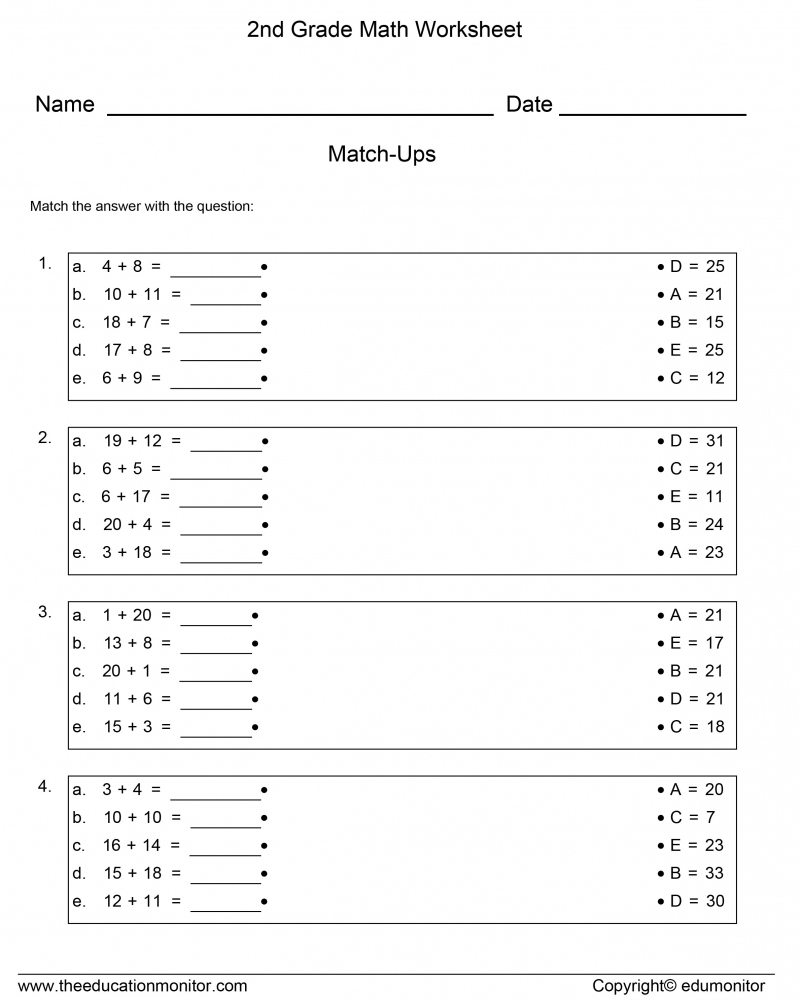
- Matching Exercises: Some worksheets might incorporate matching tasks where students connect fractions with their equivalent percent values.
These diverse activities help maintain student engagement and cater to different learning preferences, ensuring that all students can grasp the material.
Instructions for Use in the Classroom
To maximize the effectiveness of these worksheets, consider the following tips for classroom implementation:
- Introduction of Concepts: Before distributing the worksheets, take time to explain the relationship between fractions and percents. Visual aids, such as pie charts or number lines, can help clarify these concepts.
- Guided Practice: Work through a couple of examples as a class. This allows students to see how to approach the problems before they attempt them independently.
- Independent Work: After the guided practice, give students time to complete the worksheets on their own. Encourage them to show their work, as this will help them track their thought process.
- Review and Discuss: Once the worksheets are completed, review the answers as a class. This not only reinforces learning but also allows students to ask questions and clarify their understanding.
- Provide Additional Resources: For students who need extra practice, consider offering supplementary worksheets or online resources where they can further explore percent and fraction conversions.
Adaptations for Home Schooling and Individual Use
The Seventh Grade Percent Fraction Conversions Review Worksheets are also an excellent resource for homeschooling parents or for students working independently at home. Here’s how to tailor the use of these worksheets for individual learning:
- Pacing: Allow students to work through the worksheets at their own pace, which can help alleviate the pressure of completing them in a timed setting.
- Discussion: Encourage parents to engage with their children by discussing the problems. This interaction can enhance understanding and retention.
- Supplement with Real-Life Examples: Parents can incorporate everyday situations into the learning process. For example, when shopping, they can ask their child to calculate the discount on an item, reinforcing the concepts learned in the worksheets.