Reading Worksheets For 2nd Grade
Reading Worksheets For 2nd Grade offer a focused approach to improving literacy in young learners. These resources are tailored to the specific needs of 2nd graders, targeting skills like comprehension, vocabulary, and fluency. Unlike generic worksheets, these are designed with age-appropriate language and engaging formats that captivate children’s interest while also providing meaningful practice.
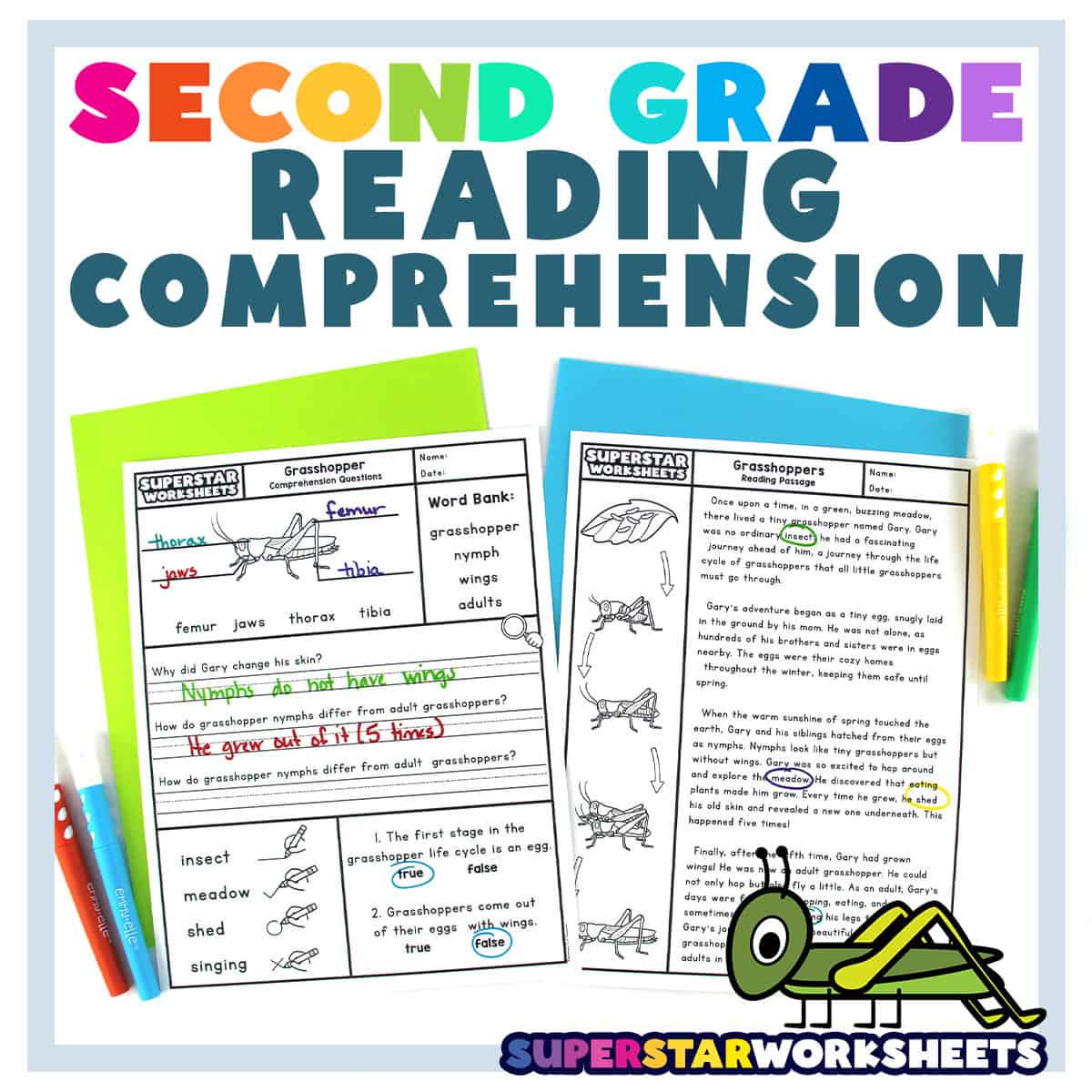
Understanding Reading Skills for 2nd Graders
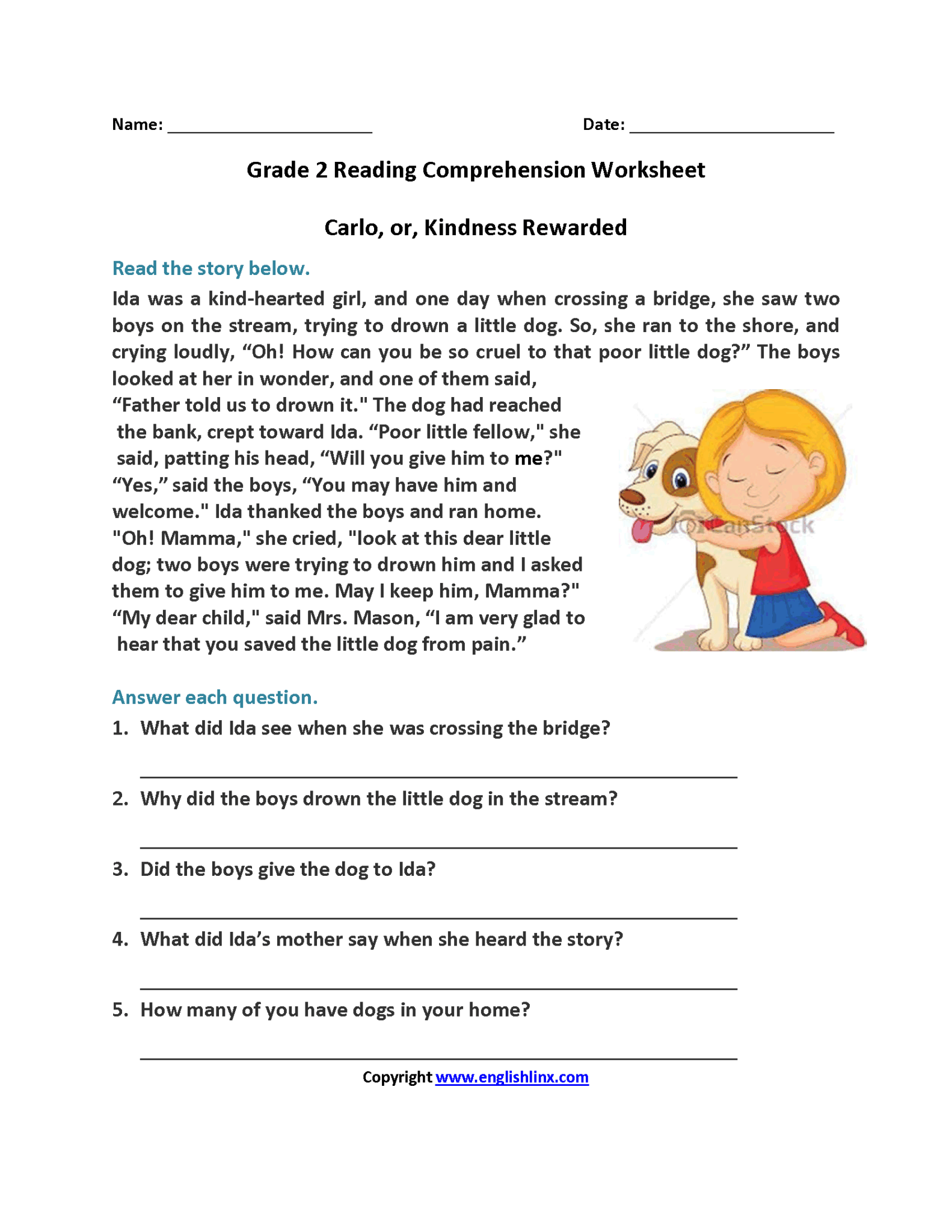
At this stage, children are transitioning from learning to read to reading to learn. What does this mean for you as a parent or educator? It means that they need worksheets that not only challenge their reading ability but also foster a love for reading. The ideal Reading Worksheets For 2nd Grade should include a variety of activities that promote different skills, such as identifying main ideas, summarizing stories, and making inferences.
When selecting worksheets, look for those that incorporate vibrant illustrations and relatable themes. This keeps students engaged and encourages them to think critically about the text. You’ll want to ensure that each worksheet has clear instructions and is visually appealing, as this can make a significant difference in how children interact with the material.
Layout and Design Features to Look For
A well-designed reading worksheet can significantly impact a child’s learning experience. Here are some key features to consider:
- Clear Sections: Each worksheet should have distinct sections for different activities, such as reading passages, questions, and vocabulary exercises. This organization helps children understand where to focus their attention.
- Age-Appropriate Fonts: The font should be easy to read, using larger sizes and simple styles. This minimizes confusion and aids in fluency.
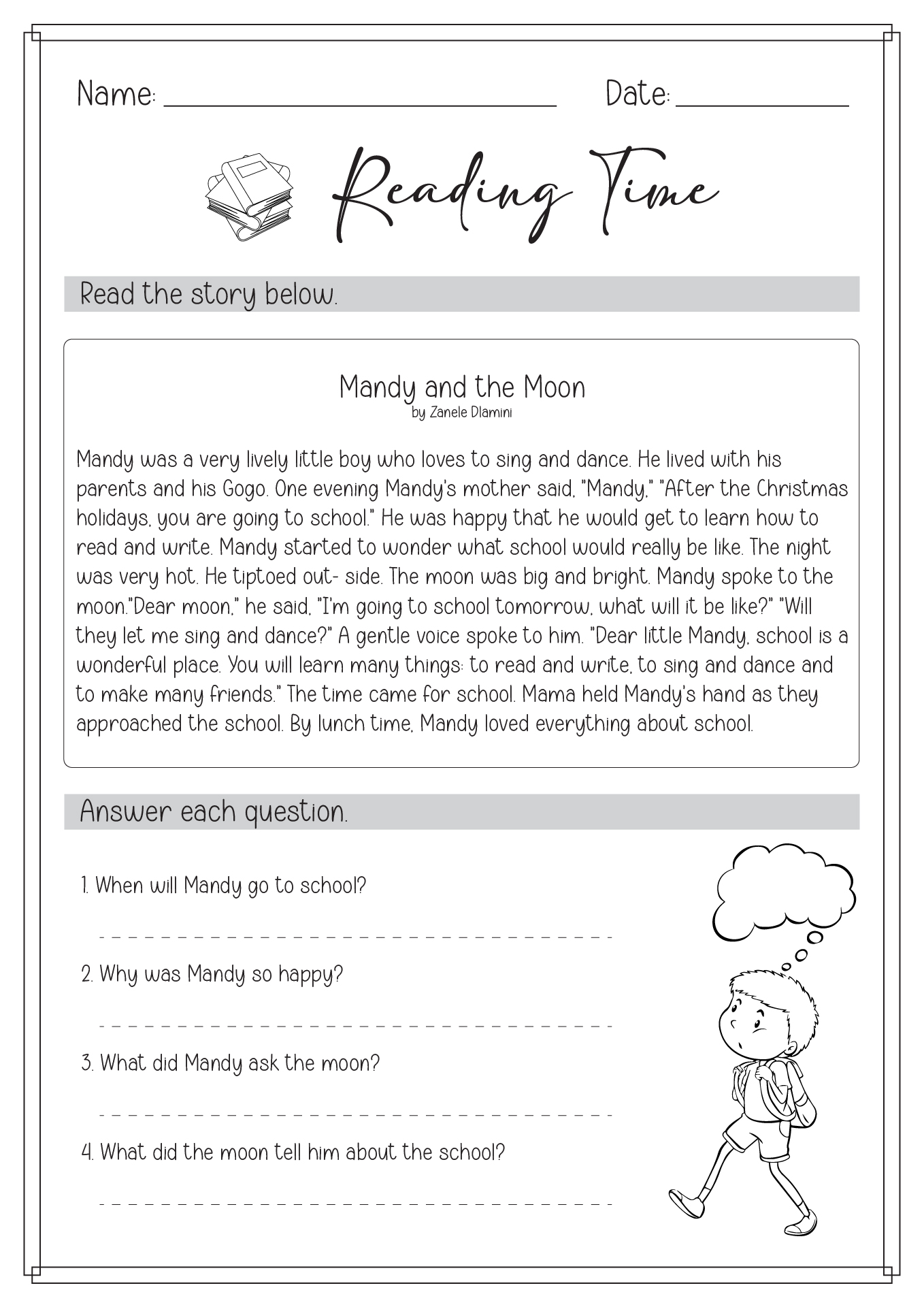
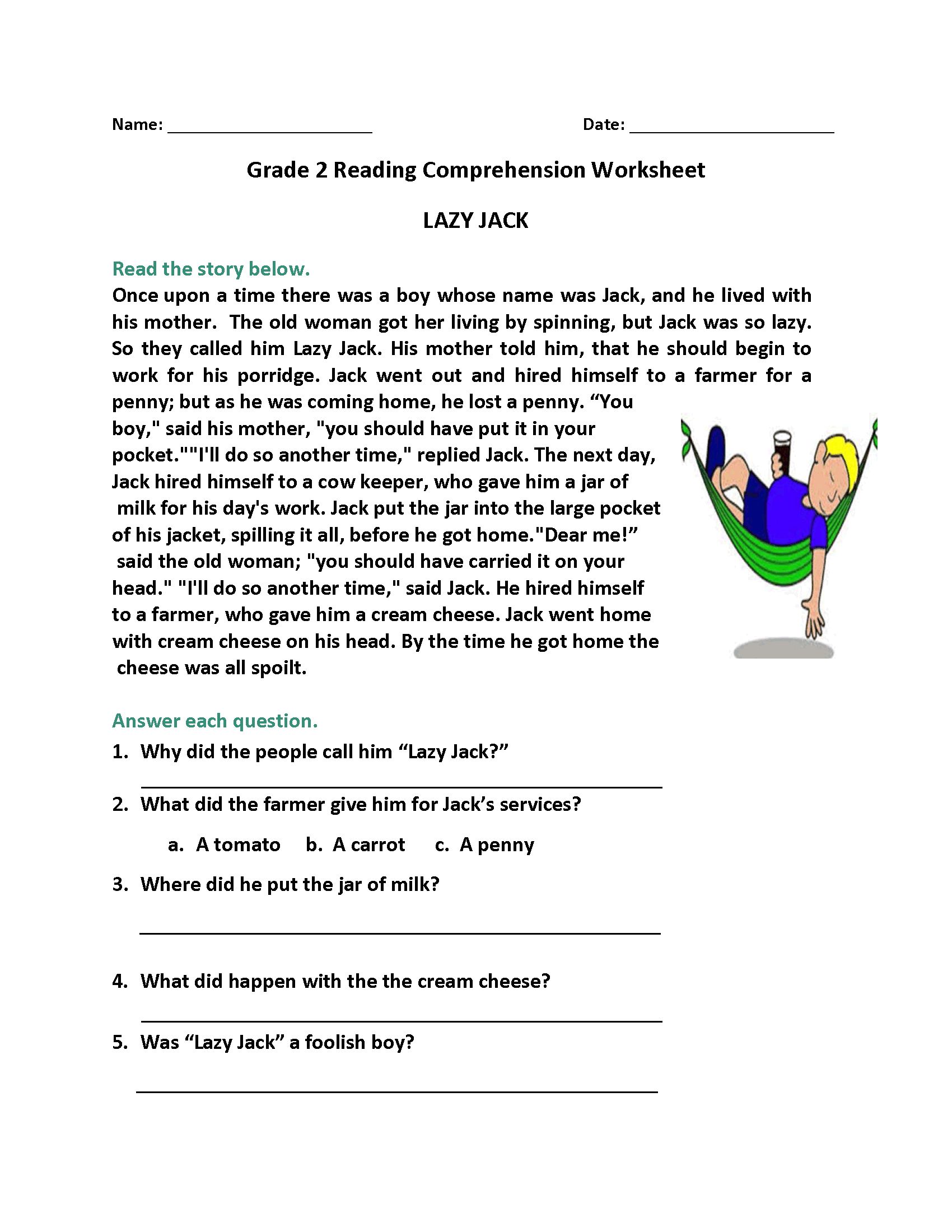
- Engaging Illustrations: Including images that relate to the text can help students visualize the story and enhance comprehension. Make sure the images are relevant and not overly distracting.
- Answer Spaces: Worksheets should provide ample space for students to write their answers. This encourages them to think critically and express their understanding without feeling cramped.
These design choices directly influence how effectively children interact with the material. It’s about creating a learning environment that feels accessible and enjoyable.
Types of Activities to Include
Reading worksheets for 2nd graders should be diverse. Here are some activity types you might find useful:
- Reading Comprehension Questions: After a short passage, include questions that test understanding. These can range from multiple choice to open-ended questions, allowing kids to express their thoughts in different ways.
- Vocabulary Builders: Introduce new words through context. Use fill-in-the-blank sentences or matching exercises to help children learn vocabulary in a fun, engaging manner.
- Story Sequencing: Activities that require children to put events in order can help them grasp narrative structure. This reinforces their understanding of how stories are structured.
- Creative Writing Prompts: Encourage children to write their own stories or endings. This not only fosters creativity but also helps them apply what they’ve learned through reading.
When selecting these activities, consider the varying levels of your students. Some may need more guided practice, while others can handle independent work. Adjusting the difficulty ensures that every child can learn effectively.
Tracking Progress With Worksheets
One of the most valuable aspects of using Reading Worksheets For 2nd Grade is the ability to track progress. You should look for worksheets that allow for easy assessment. This could be through a grading rubric or simply a checklist of skills being practiced. Here’s how to effectively monitor progress:
- Regular Review: Set aside time each week to review completed worksheets. This helps you identify areas where your child excels or needs additional support.
- Check for Mastery: You’ll want to assess whether students can consistently complete tasks correctly. For example, if they repeatedly struggle with comprehension questions, it may indicate a need for more foundational work.
- Feedback Opportunities: Provide constructive feedback on their worksheets. Instead of just marking answers right or wrong, take a moment to explain why an answer is correct or how they could improve.
Being proactive about tracking progress not only boosts your child’s confidence but also helps you tailor future lessons to their needs.
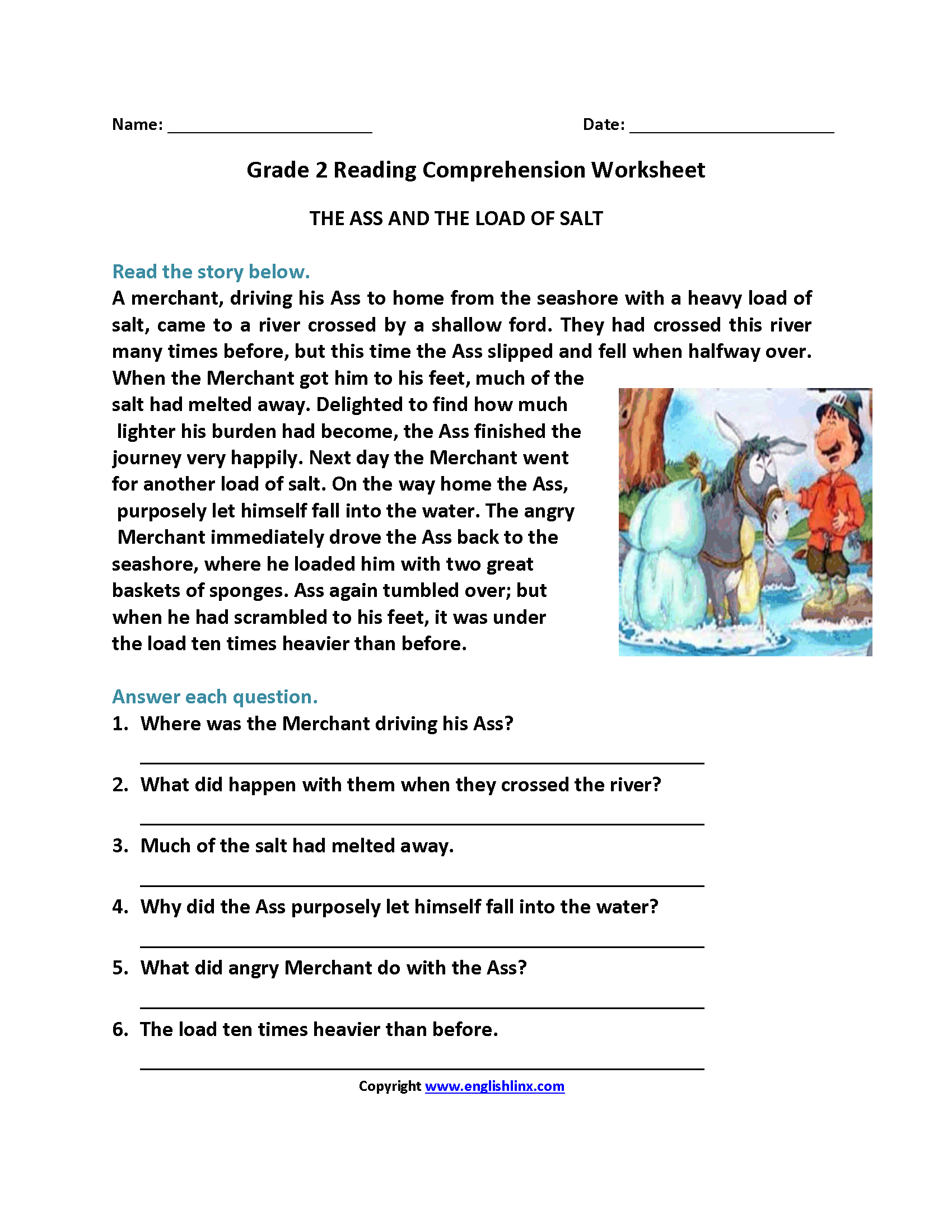
Printable Resources for Home and Classroom Use
Finding quality printable resources can be a game-changer. Many websites offer free or low-cost Reading Worksheets For 2nd Grade that you can easily download and print. Here are some tips for maximizing these resources:
- Choose PDF Format: Opt for downloadable PDFs for consistent formatting across different devices and printers. This avoids any reformatting issues that might arise with other file types.
- Laminating Options: If you plan to use worksheets multiple times, consider laminating them. This allows for dry-erase markers to be used, making them reusable and eco-friendly.
- Portrait Layout: Most home printers work best with portrait layout. Ensure your printer settings are adjusted accordingly to avoid cut-off text or images.
Utilizing these resources effectively not only saves time but also enhances the learning experience for your child.
In summary, when you’re looking for Reading Worksheets For 2nd Grade, focus on engaging designs, varied activities, and effective tracking methods. The right worksheets can make a big difference in your child’s reading journey, fostering both skills and a love for literature. A standout detail to remember: worksheets that incorporate fun themes and illustrations can significantly boost a child’s enthusiasm for reading.
Reading Worksheets For 2nd Grade Gallery