Reading Comprehension Worksheets Grade 6
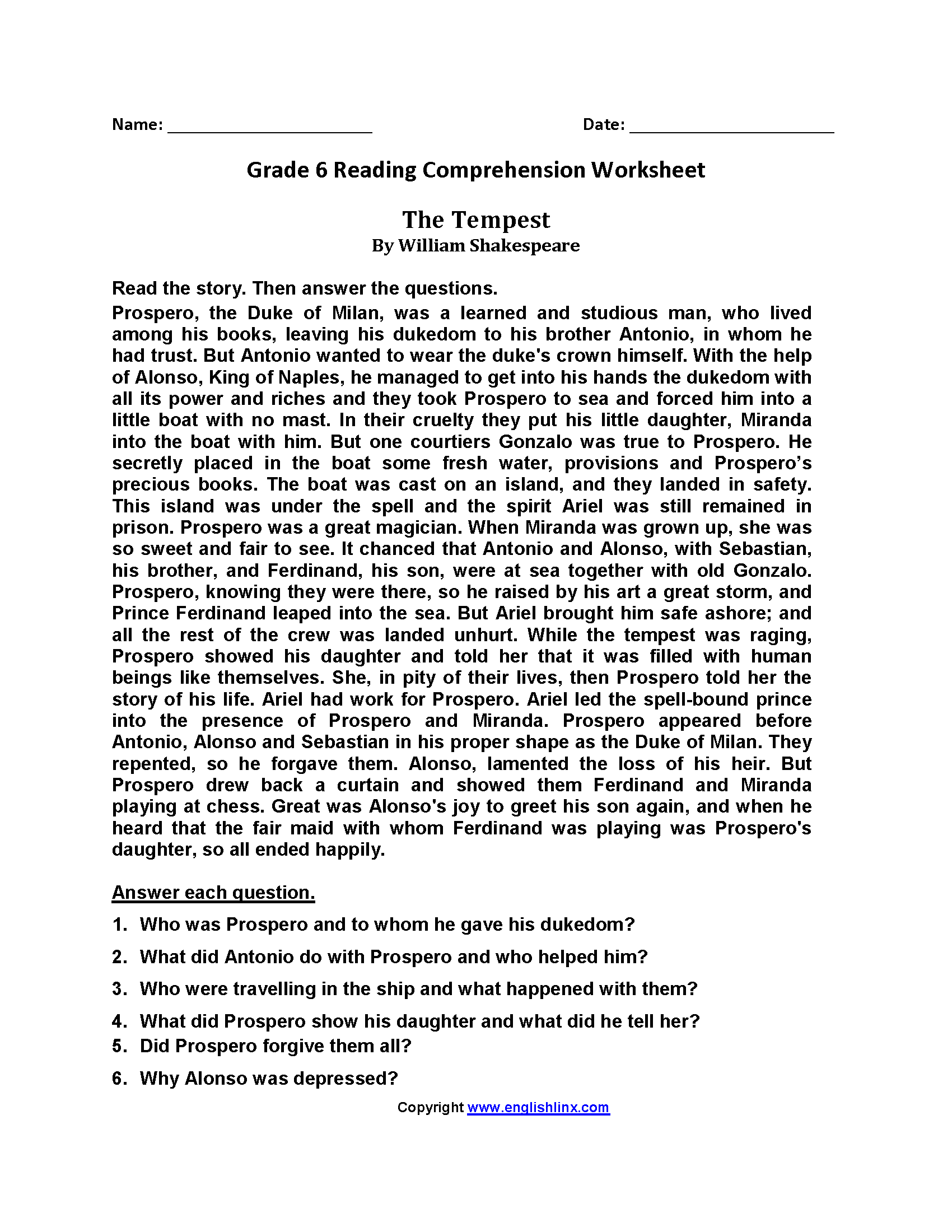
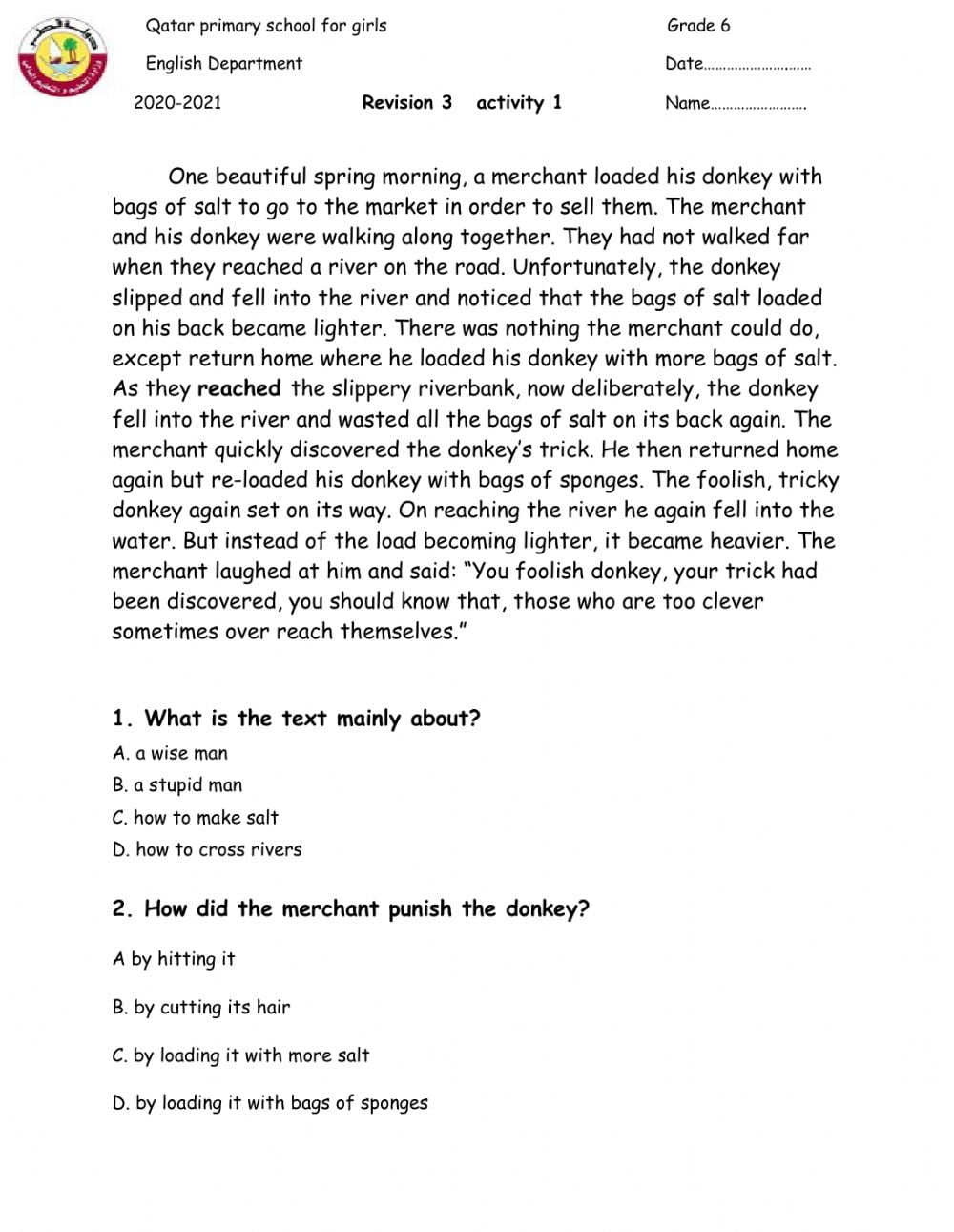
Reading comprehension is a crucial skill for sixth graders, and having access to high-quality worksheets can make a significant difference in their learning. Reading Comprehension Worksheets Grade 6 are designed to not only engage students but also to foster their understanding of various texts. In this article, I’ll guide you through how to choose, download, print, and effectively use these worksheets to support your child’s reading journey.
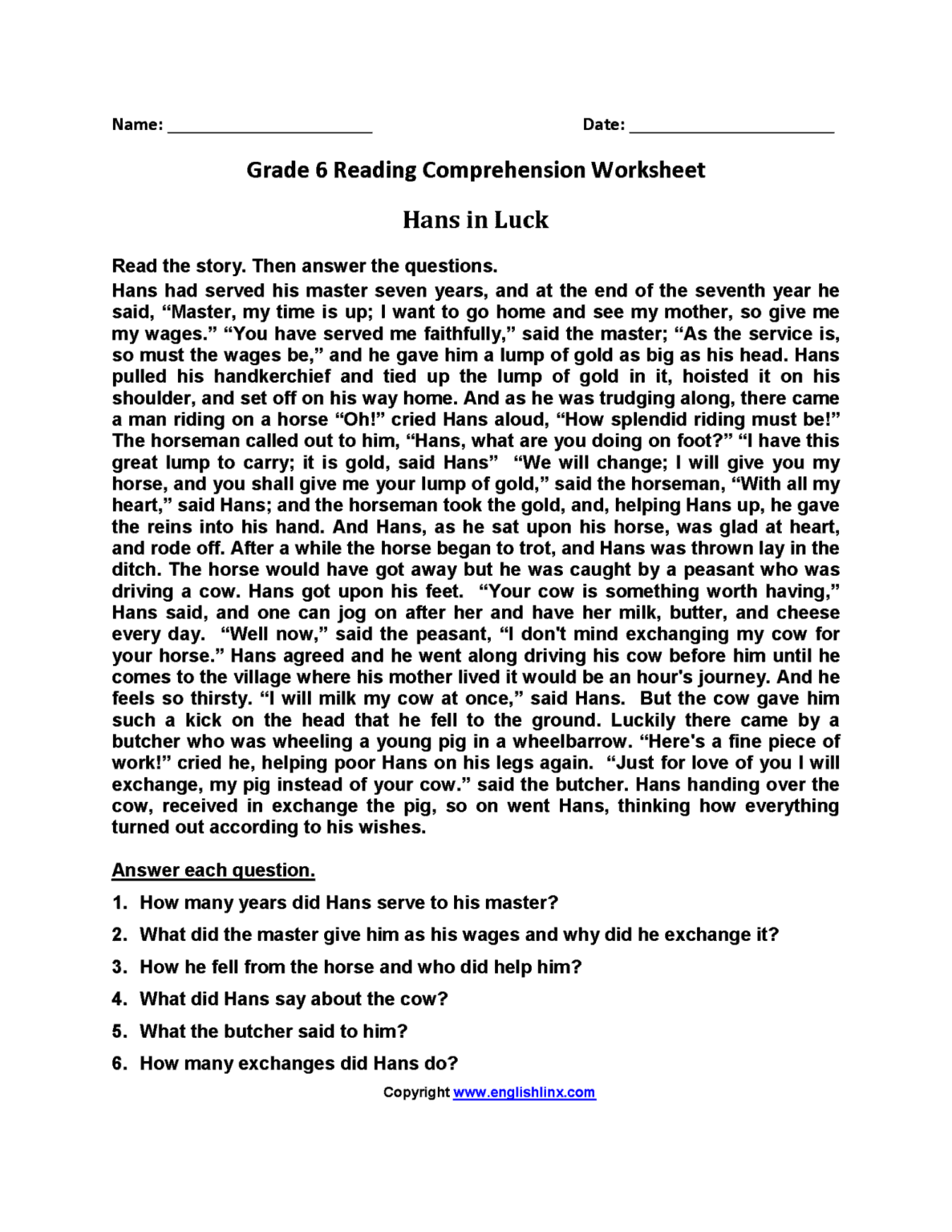
Understanding the Importance of Reading Comprehension Worksheets
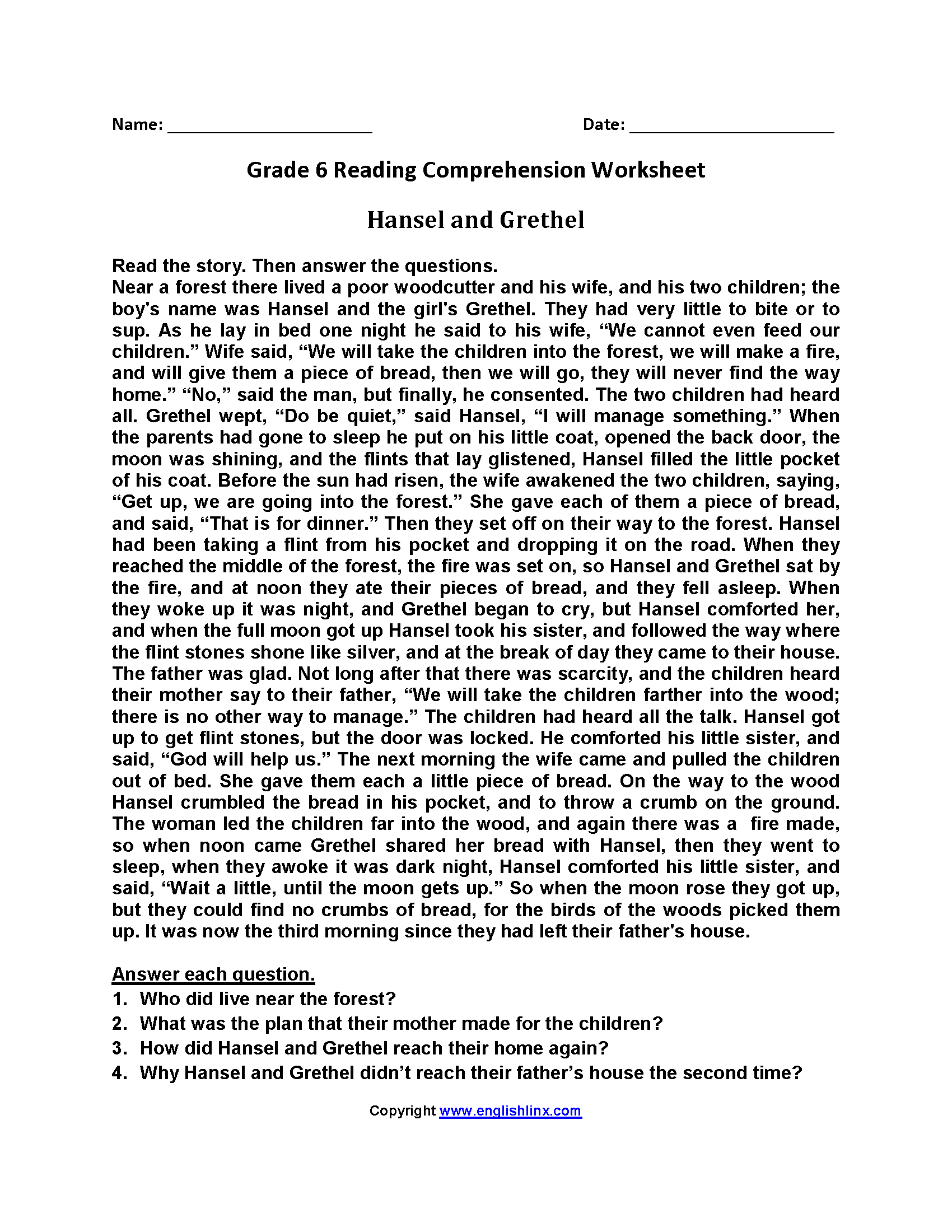
Reading comprehension worksheets serve as an essential tool for reinforcing skills learned in the classroom. At the sixth-grade level, students are expected to analyze texts, identify main ideas, and summarize information. These worksheets help bridge the gap between reading and understanding.
By using these resources, you can track your child’s progress and ensure they grasp the material. Each worksheet typically includes questions that require critical thinking, allowing students to engage with the text more deeply.
How to Choose the Right Worksheets
When selecting Reading Comprehension Worksheets Grade 6, consider the following factors:
- Content Variety: Look for worksheets that cover different genres, including fiction, nonfiction, poetry, and informational texts. This diversity helps students learn to navigate various writing styles.
- Skill Levels: Ensure that the worksheets match your child’s skill level. Some worksheets may focus on basic comprehension, while others may challenge students with higher-order thinking questions.
- Engagement: Choose worksheets that are visually appealing and interactive. Engaging layouts can motivate your child to complete the tasks.
- Aligned Standards: Ideally, the worksheets should align with your state’s educational standards. This ensures that the material is relevant and beneficial to what your child is learning in school.
Downloading and Printing the Worksheets
Once you’ve chosen the right worksheets, the next step is to download and print them. Here’s how to do it effectively:
- Format Selection: Most worksheets are available in PDF format, which is preferable because it preserves the formatting. This avoids any reformatting issues that may arise with image files.
- Printer Settings: For best results, use a standard letter-size paper (8.5 x 11 inches) for printing. Set your printer to a portrait layout, which usually works better for worksheets.
- Paper Quality: If you plan to laminate the worksheets for repeated use, consider printing on cardstock. It’s sturdier and holds up well over time.
- Double-Sided Printing: If your printer allows, print on both sides of the paper to save resources and maintain organization.
Setting Up a Productive Learning Environment
Creating an effective learning space can enhance your child’s focus and retention while working on reading comprehension worksheets. Here’s how to set it up:
- Quiet Area: Choose a quiet location with minimal distractions. This helps your child concentrate better on the tasks at hand.
- Supplies at Hand: Have pencils, erasers, and highlighters available. Your child may find it useful to underline key points or highlight important information in the texts.
- Routine Establishment: Set a consistent time for your child to work on these worksheets, making it a regular part of their homework routine. Consistency reinforces learning.
Using the Worksheets Effectively
After setting up the worksheets, it’s time to employ them in a way that maximizes their effectiveness:
- Read Aloud Together: If your child struggles with comprehension, take turns reading the text aloud. This encourages discussion and helps clarify any misunderstandings.
- Encourage Critical Thinking: After completing the questions, ask your child to explain their answers. This not only reinforces their understanding but also helps develop their reasoning skills.
- Track Progress: Keep a portfolio of completed worksheets to monitor your child’s progress. Look for patterns in their answers; this can help identify areas where they may need additional support.
- Supplement with Discussion: After completing a worksheet, engage your child in a discussion about what they read. Ask open-ended questions that encourage them to think critically about the material.
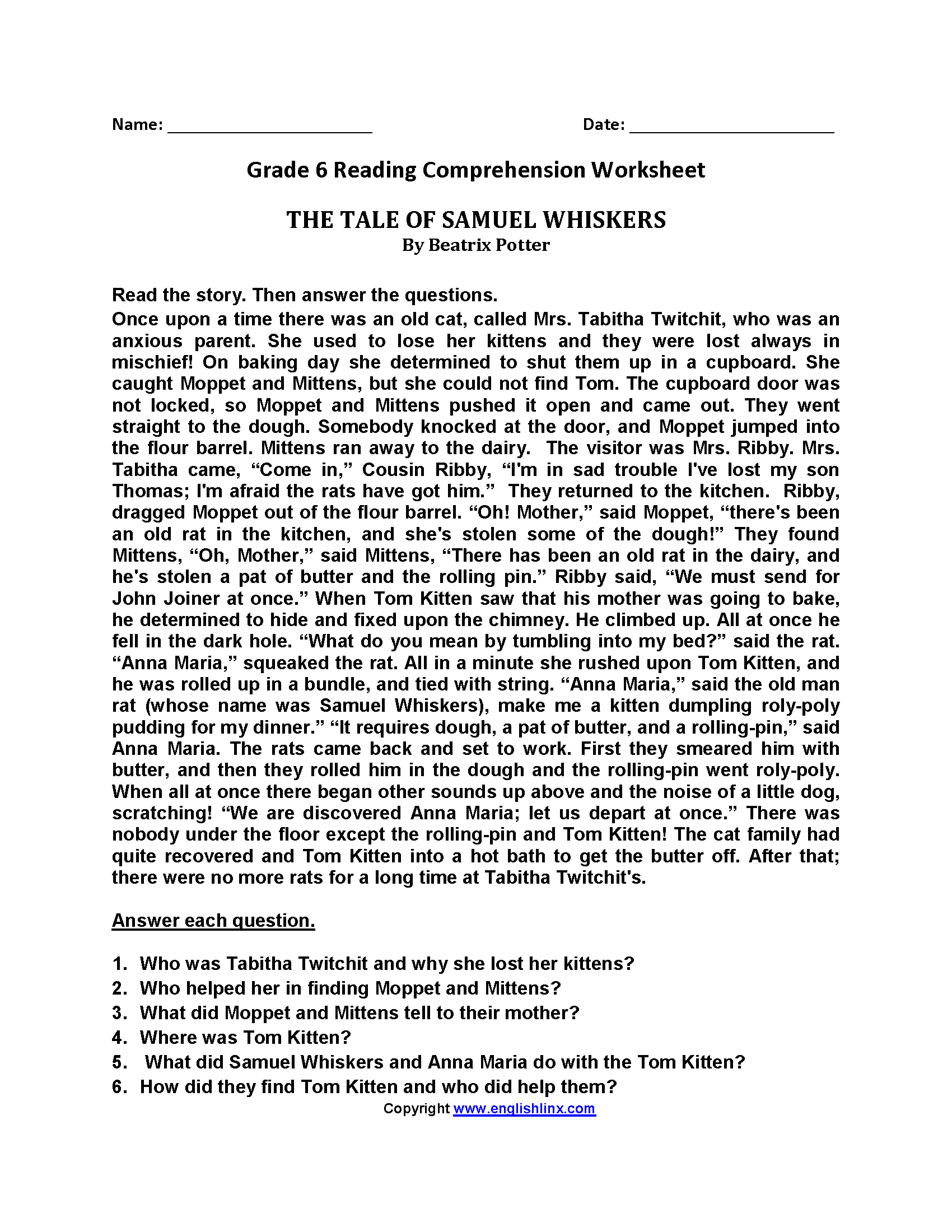
Recognizing Mastery and Areas for Improvement
As you and your child work through the Reading Comprehension Worksheets Grade 6, it’s essential to recognize when mastery has been achieved and when more practice is necessary. Here’s how to assess their understanding:
- Correct Answers: Pay attention to the accuracy of their answers. A high percentage of correct responses indicates a solid grasp of the material.
- Engagement Level: Notice your child’s engagement during the activity. If they are excited and eager to discuss the text, that’s a good sign they are connecting with the material.
- Feedback: Provide constructive feedback on their responses. If they struggle with specific questions, revisit those concepts in future worksheets or supplementary materials.
- Gradual Increase in Difficulty: Once your child shows proficiency, gradually introduce worksheets with more challenging texts and questions. This keeps them engaged and encourages continual growth.
There’s a wealth of resources available to support your child’s reading journey, but utilizing them effectively makes all the difference. By focusing on the right worksheets and employing strategies that foster understanding, you can help your sixth grader thrive in their reading comprehension skills.
One additional tip is to incorporate reading comprehension activities beyond worksheets, such as reading clubs or online resources that offer interactive reading exercises. These can enhance the overall learning experience and make reading a more enjoyable activity for your child.
Reading Comprehension Worksheets Grade 6 Gallery