Reading Comprehension Worksheets For 2nd Graders
Reading comprehension is a crucial skill for 2nd graders as they transition from learning to read to reading to learn. Reading Comprehension Worksheets For 2nd Graders are specifically designed to help children improve their understanding of texts while making learning enjoyable. These worksheets provide a structured approach to reading, allowing young learners to practice and develop their comprehension skills in a fun, engaging way.
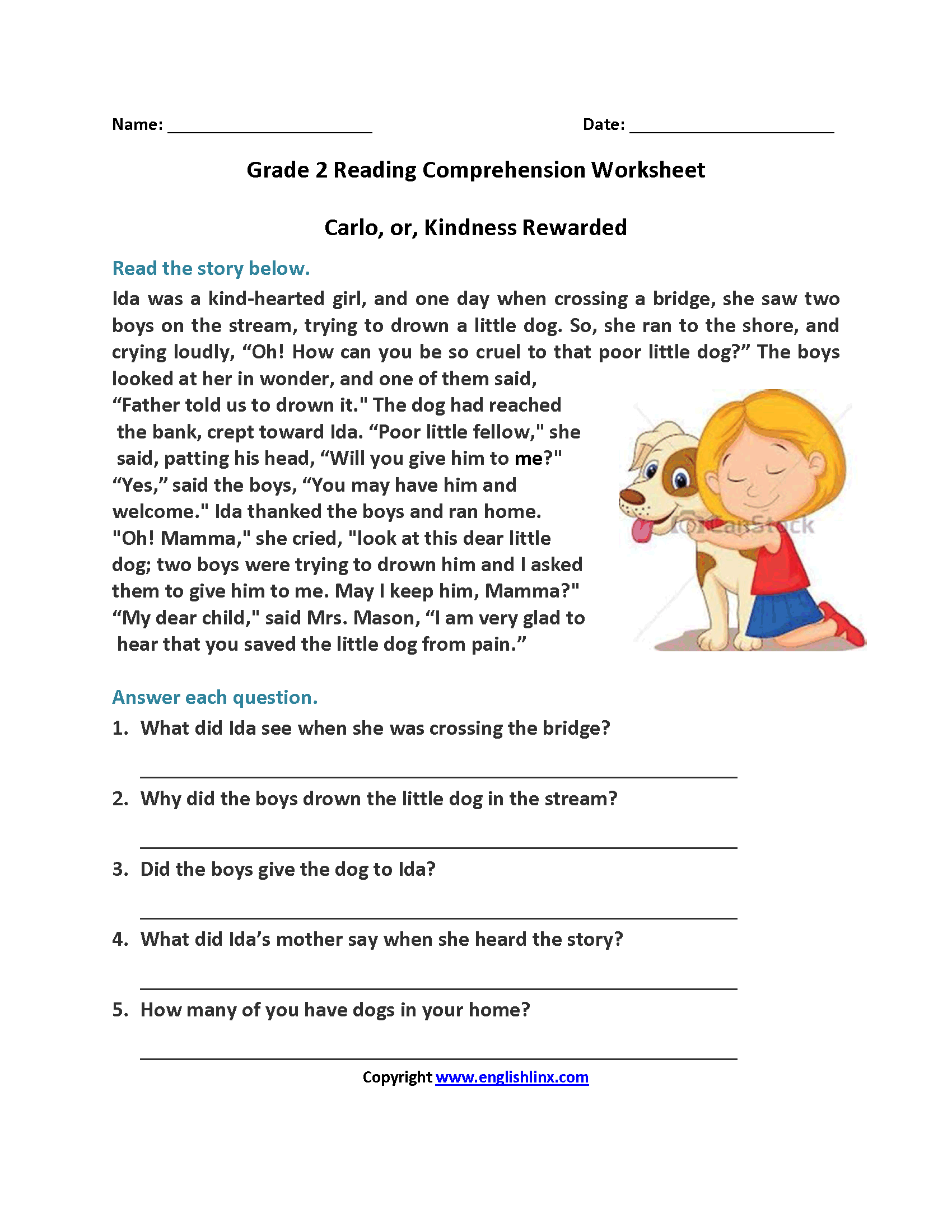
What to Expect From 2nd Grade Reading Comprehension Worksheets
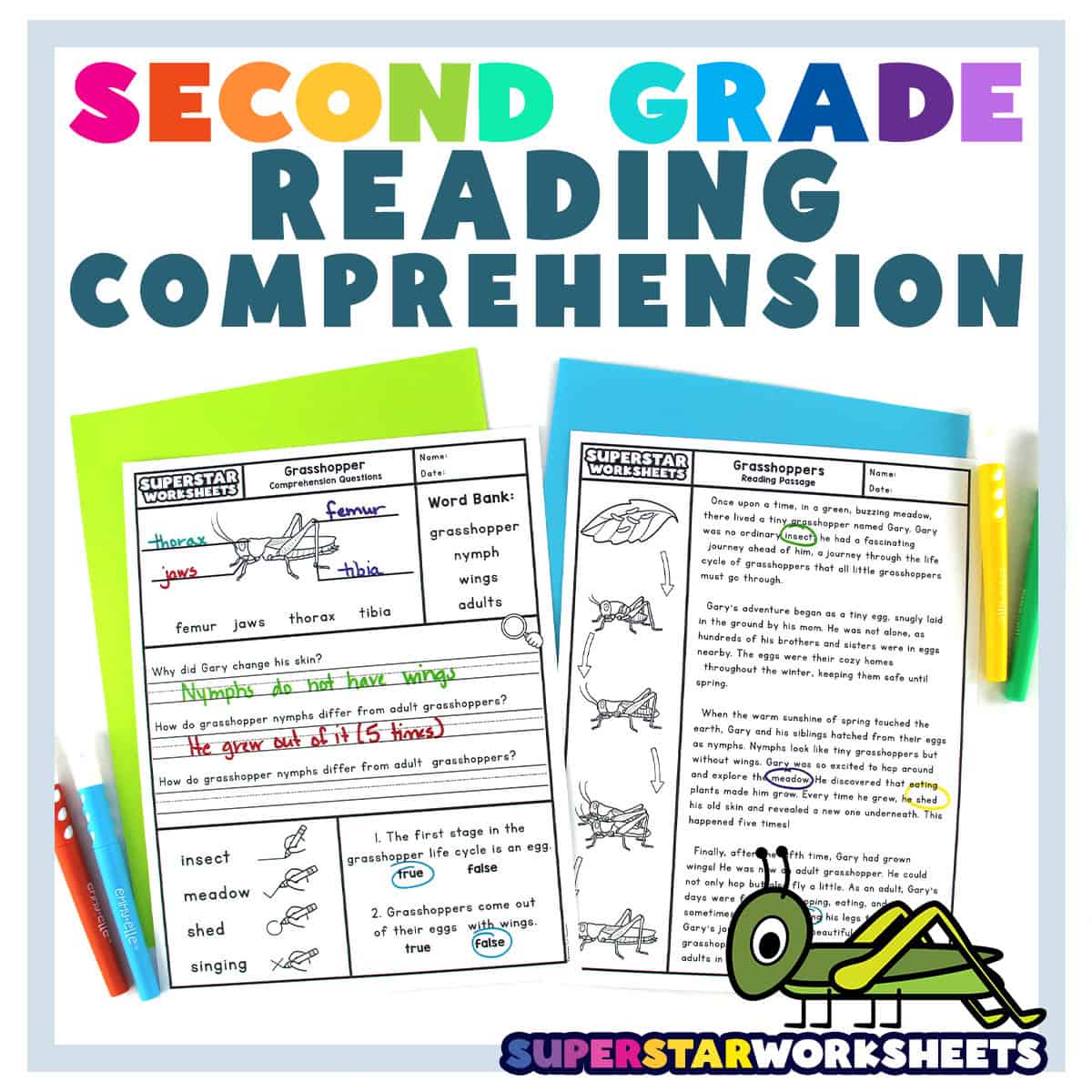
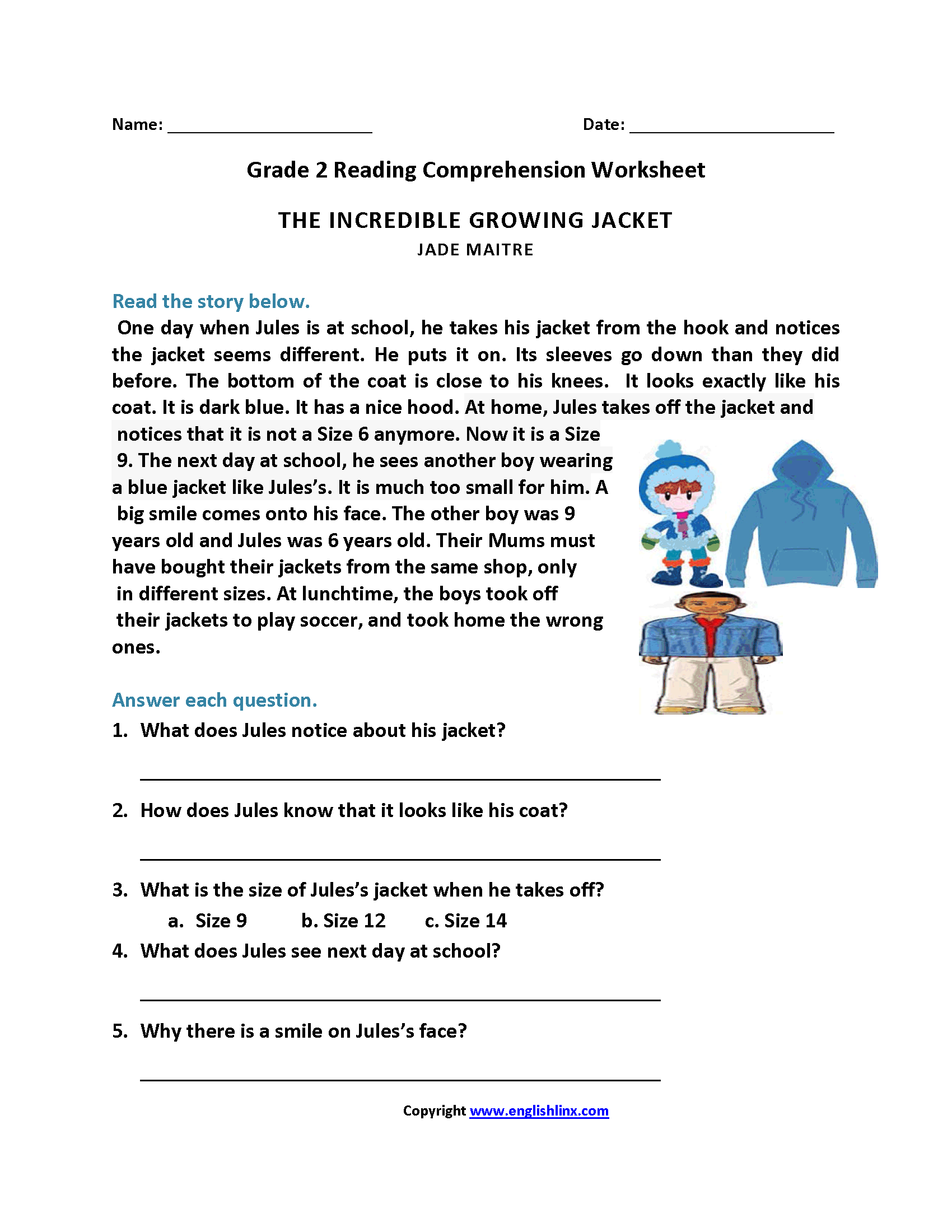
When you choose reading comprehension worksheets for 2nd graders, you’ll find a variety of formats and design choices tailored to keep young learners engaged. Most worksheets include short passages followed by questions that test their understanding of the text.
The layout typically features:
- A brief reading passage, often accompanied by illustrations to spark interest.
- Comprehension questions that may range from multiple choice to open-ended responses.
- Activities that encourage critical thinking, such as summarizing the passage or predicting what might happen next.
This clear organization helps children focus on the key elements of the text while ensuring that the worksheets remain visually appealing and easy to navigate.
How Reading Comprehension Worksheets Support Learning
These worksheets serve multiple purposes in both classroom and home settings. For teachers, they can be a handy tool for assessing students’ understanding of reading material. For parents, they provide an opportunity to reinforce skills outside of school.
Key Skills Developed
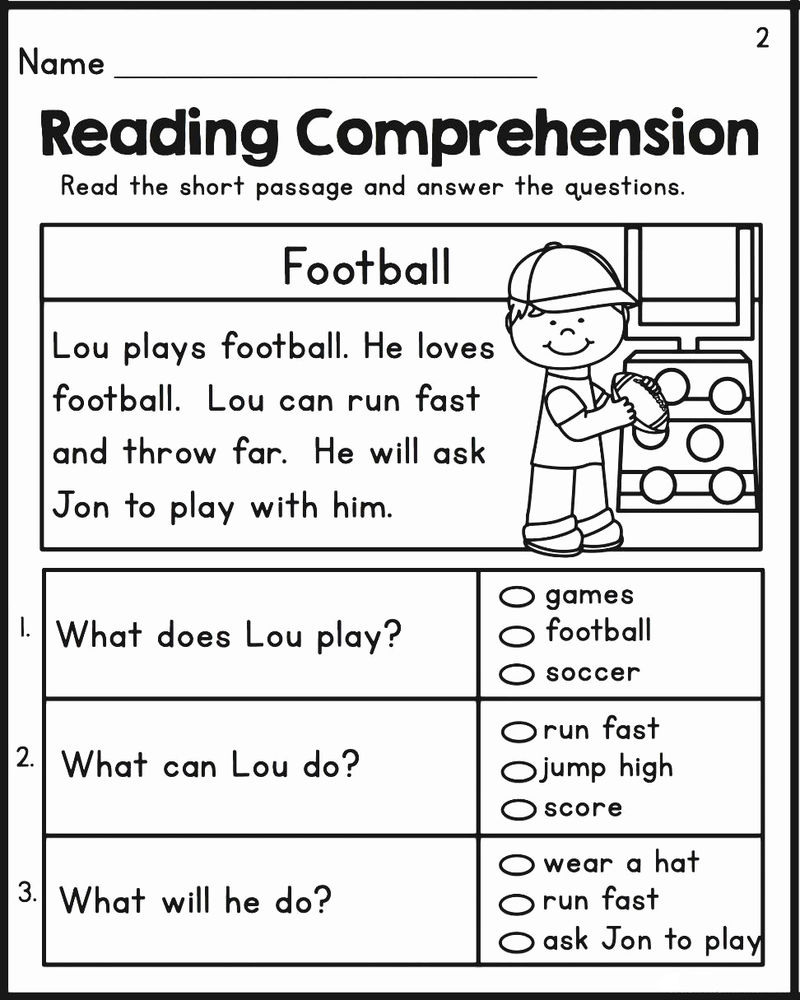
- Understanding Main Ideas: Worksheets often guide students to identify the main idea of a passage, which is foundational for critical reading.
- Detail Recognition: Questions that focus on specific details help children learn how to locate and recall important information.
- Inference Skills: Some worksheets include questions that require students to read between the lines, fostering deeper analytical skills.
- Vocabulary Building: Many comprehension activities introduce new vocabulary, enhancing students’ language skills in context.
By regularly using these worksheets, students can see measurable progress in their reading comprehension abilities, making it easy for parents and teachers to identify areas that may need additional focus.
Selecting the Right Worksheets
With so many options available, it’s essential to choose worksheets that fit the specific needs of your child or classroom. Here are some factors to consider:
- Reading Level: Ensure the difficulty of the passages matches the reading level of your 2nd grader. Look for age-appropriate content that challenges without overwhelming them.
- Variety of Topics: Worksheets covering different subjects—like animals, history, or fairy tales—can keep students interested and engaged.
- Interactive Elements: Worksheets with games, puzzles, or coloring activities can make learning more dynamic and enjoyable.
- Answer Keys: These are beneficial for parents and teachers to quickly assess student responses and provide feedback.
Assessing Progress With Worksheets
Once you’ve started using reading comprehension worksheets for 2nd graders, it’s important to regularly assess their progress. Here are some practical tips to measure how well students are mastering the material:
- Completion Rates: Track how many worksheets your child completes and the time taken. Frequent completion indicates comfort with the material.
- Accuracy of Answers: Review the answers given to comprehension questions. This will help identify which concepts are well understood and which require further reinforcement.
- Discussion: Encourage open discussions about the passages. Ask your child to explain what they read and their thoughts on the story. This can reveal their understanding beyond the written questions.
You’ll find that these simple assessment techniques can provide insight into your child’s evolving reading skills.
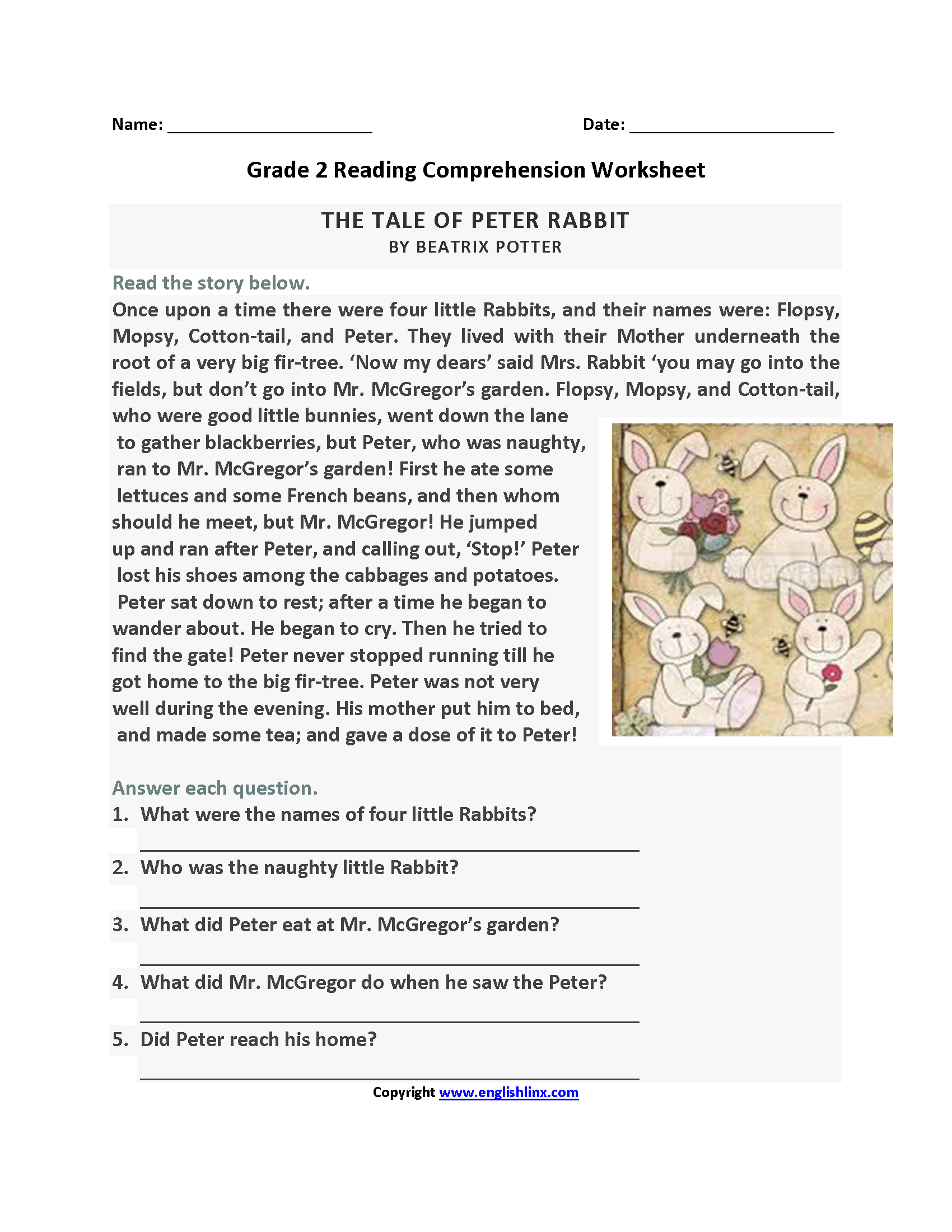
Incorporating Worksheets Into Daily Learning
To maximize the benefits of reading comprehension worksheets, consider incorporating them into your daily or weekly learning routine. Here are some practical ways to do so:
- Set a Reading Time: Dedicate a specific time each day for reading and working on comprehension activities. Consistency helps build habits.
- Mix with Other Activities: Combine worksheets with related activities such as reading books on the same topic or creating a related art project.
- Involve Peers: If possible, arrange study sessions with friends or siblings. This encourages collaborative learning and discussion.
By integrating these worksheets into a broader learning strategy, you can create a rich environment that fosters love for reading while enhancing comprehension skills.
Using Reading Comprehension Worksheets For 2nd Graders can be a rewarding experience for both students and educators. The structured approach, combined with engaging content, allows children to practice essential literacy skills while having fun. Remember to choose the right worksheets, assess progress regularly, and incorporate them into daily learning routines for the best results. One particularly useful detail is that many of these worksheets are available in PDF format, making them easy to print and use at home or in the classroom without formatting issues.
Reading Comprehension Worksheets For 2nd Graders Gallery