Reading A Dial Caliper Worksheet
Understanding how to read a dial caliper is a crucial skill for anyone involved in precision measurements, whether in a classroom, workshop, or home project. The Reading A Dial Caliper Worksheet is an excellent resource designed to help learners grasp the fundamentals of this essential tool. guide you on how to make the most out of this worksheet, perfect for teachers, homeschoolers, and DIYers looking to improve measurement skills.
What is a Dial Caliper?
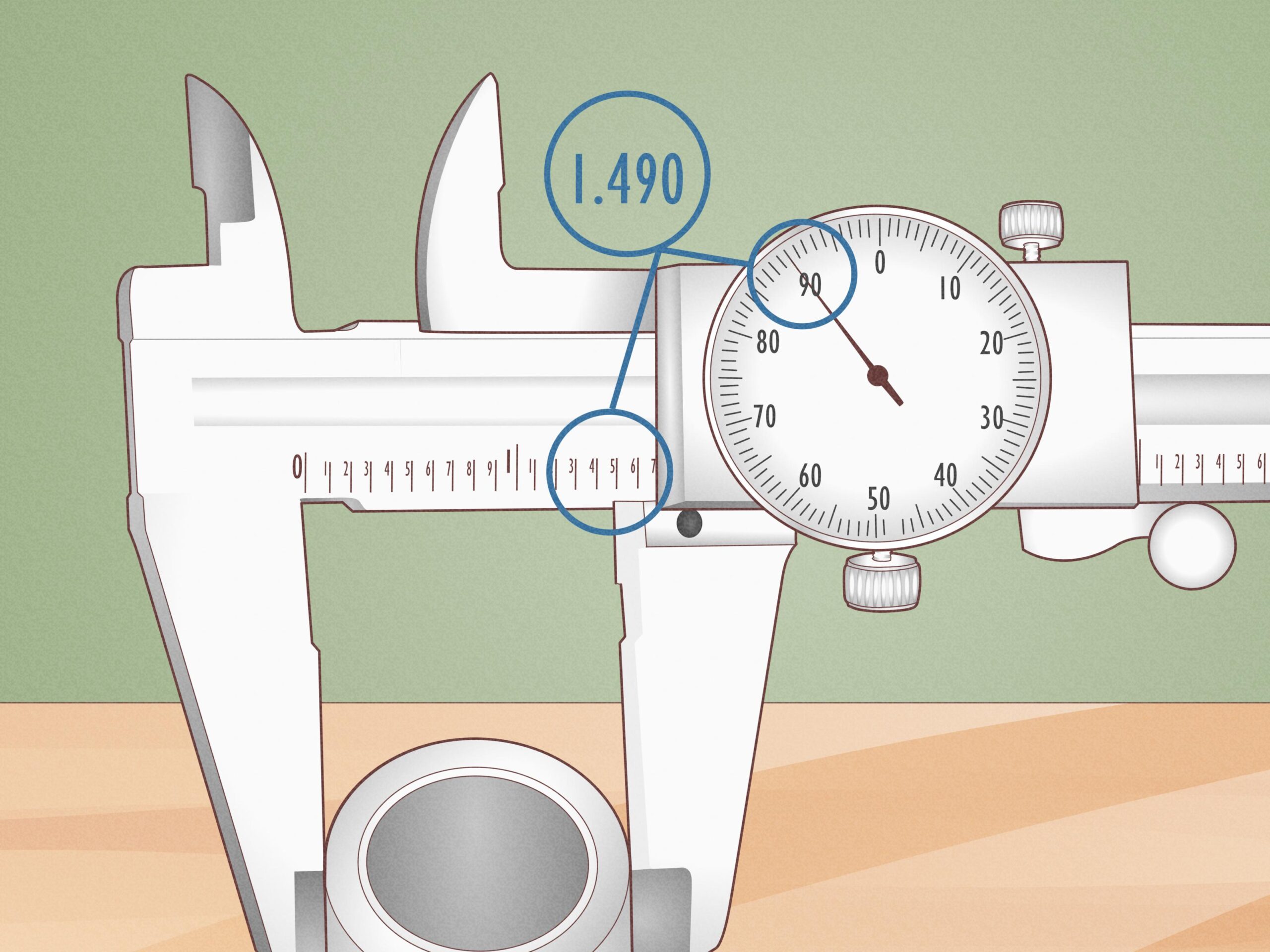
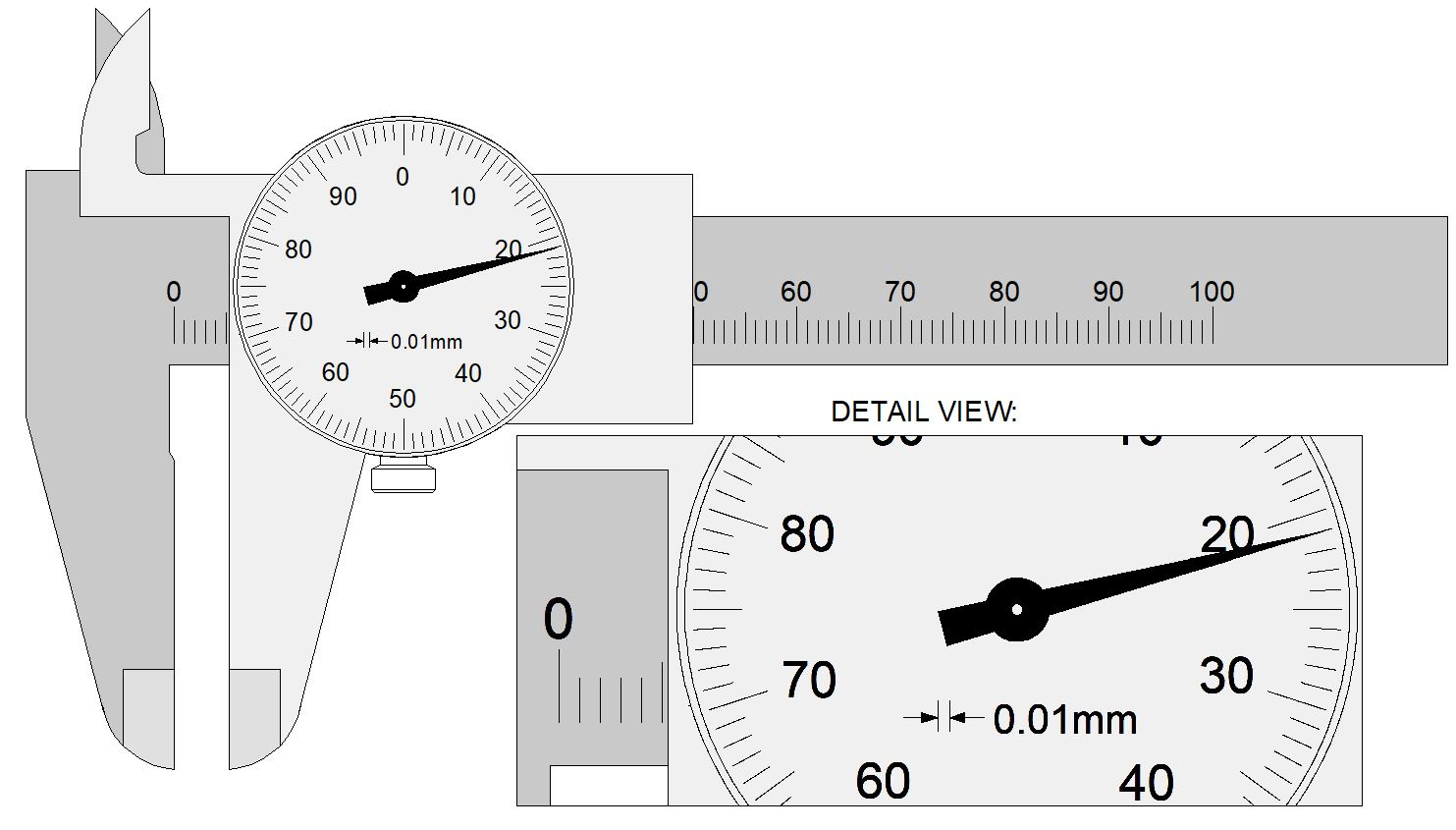
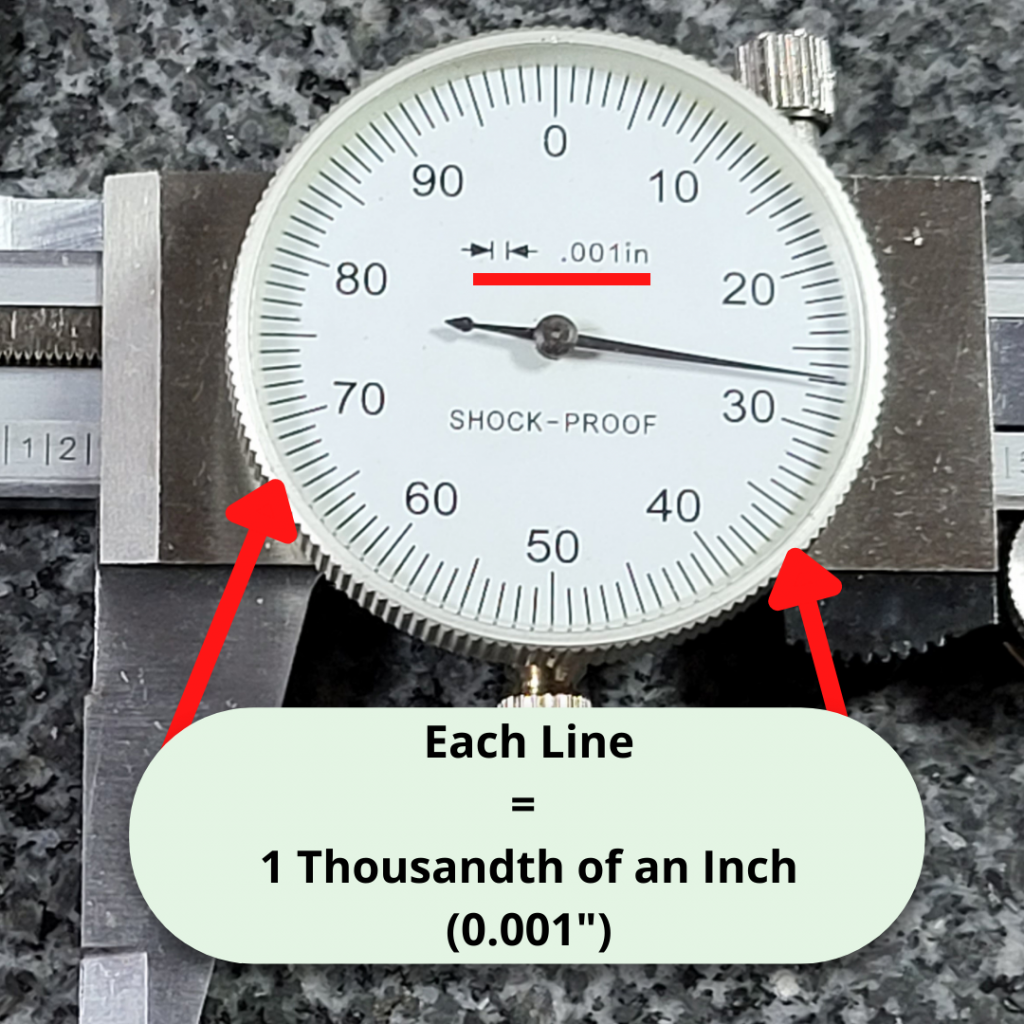
A dial caliper is a measuring instrument used to measure internal and external dimensions, as well as depths. Unlike standard rulers, dial calipers provide much more precise measurements, often down to a thousandth of an inch. They feature a dial that displays measurements in a way that’s easy to read, making them accessible for beginners and advanced users alike.
The Reading A Dial Caliper Worksheet serves as a practical introduction to this tool, often used in high school technology and engineering classes. It guides learners through the process of measuring different objects and interpreting the readings accurately. The worksheet typically includes a variety of exercises, such as measuring the diameter of objects, depth measurements, and even comparing the readings with metric and imperial systems.
How to Use the Reading A Dial Caliper Worksheet
Using the Reading A Dial Caliper Worksheet effectively can greatly enhance learning. Here are some steps to consider when incorporating it into your lessons or practice sessions:
- Familiarize with the Tool: Before diving into the worksheet, take some time to introduce the dial caliper to your students or family members. Show them how to open and close the caliper and explain the parts, including the dial, jaws, and depth gauge.
- Demonstrate the Measurements: Use a few objects to demonstrate how to measure with the caliper. For instance, measure a pencil’s diameter and its length. This practical demonstration builds confidence and sets a clear example for the worksheet exercises.
- Hand Out the Worksheet: Distribute the Reading A Dial Caliper Worksheet. Ensure that everyone understands the instructions clearly. The worksheet may include images of the caliper in use, which can help visual learners grasp the concepts more easily.
- Encourage Hands-on Practice: Let students or participants use the calipers to measure various objects. Encourage them to fill out the worksheet as they go. This hands-on practice solidifies their understanding and makes the learning process interactive.
- Review the Answers Together: Once everyone has completed the worksheet, review the answers as a group. This can lead to discussions about any discrepancies in measurements and reinforce learning points.
Suitable Age Levels and Uses
The Reading A Dial Caliper Worksheet is primarily aimed at high school students, typically in grades 9-12, who are studying physics, engineering, or related subjects. However, it can also be beneficial for younger students in advanced classes, as well as adults interested in DIY projects or mechanical work.
In a classroom setting, this worksheet can fit into a lesson plan focused on measurement techniques, engineering principles, or even math skills. For homeschoolers, it serves as a practical tool to complement science and math curricula. Adults can use it as a self-study resource to brush up on their measurement skills, especially if they’re involved in hobbies like woodworking or metalworking.
Key Features of the Reading A Dial Caliper Worksheet
When looking for the Reading A Dial Caliper Worksheet, here are some features to consider that can enhance your learning experience:
- Clear Visuals: Good worksheets include images of the dial caliper with labeled parts, helping users understand what each component does.
- Variety of Exercises: The best worksheets offer different types of measurement tasks, ensuring that users can practice measuring both internal and external dimensions.
- Measurement Conversion: Worksheets that include exercises on converting measurements between metric and imperial units can be particularly beneficial, as this is a common requirement in many fields.
- Answer Key: Having an answer key allows learners to check their work, facilitating independent study and self-assessment.
Downloading and Printing the Worksheet
When you decide to download the Reading A Dial Caliper Worksheet, keep a few practical tips in mind:
- File Format: Look for the worksheet in PDF format. This ensures that the layout remains consistent when printed, avoiding any formatting issues that might arise with image files.
- Paper Size: Most worksheets are designed for standard paper sizes like US Letter (8.5″ x 11″) or A4. Choose the size that works best for your printer.
- Print Settings: If you’re printing multiple copies, consider using cardstock for durability, especially if the worksheet will be used in a hands-on setting. Adjust your printer settings for best quality, especially if color visuals are included.
- Laminating for Reusability: For frequent use, consider laminating the worksheet. This allows for dry-erase markers to be used, enabling learners to practice measurements multiple times without needing new copies.
Enhancing Learning Beyond the Worksheet
While the Reading A Dial Caliper Worksheet is a fantastic starting point, you can enhance learning further by integrating additional resources:
- Online Tutorials: There are many online videos that demonstrate how to read a dial caliper. These can provide visual learners with alternative methods of understanding.
- Hands-On Projects: Encourage learners to apply their skills in real-world projects. For instance, measuring materials for a DIY project can solidify their understanding of measurement principles.
- Group Challenges: Create friendly competitions where students measure various objects and see who can achieve the most accurate readings. This not only makes learning fun but also encourages teamwork.
By leveraging the Reading A Dial Caliper Worksheet and additional resources, you’ll provide a comprehensive learning experience that reinforces measurement skills in a practical and engaging way. This approach not only builds confidence but also prepares learners for more advanced concepts in engineering and technology.