Printable Preschool Classroom Unit Rate Calculations Activities
When it comes to teaching preschoolers about unit rate calculations, it’s essential to incorporate activities that are engaging, interactive, and easy to implement. Printable Preschool Classroom Unit Rate Calculations Activities can serve as a fantastic resource for teachers and parents looking to introduce these concepts in a fun and accessible way. This guide provides a variety of suggestions on using printable resources effectively to enhance learning at home or in a homeschool environment.
Understanding Unit Rates for Preschoolers
Before diving into activities, it’s crucial to understand what unit rates are. In simple terms, a unit rate compares two different quantities, showing how much of one thing corresponds to one unit of another. For preschoolers, this can be conceptualized through everyday examples, such as comparing the number of apples to oranges. Using tangible items helps solidify their understanding.
Age Appropriateness
These activities are designed for preschool children aged 3 to 5 years. At this developmental stage, children benefit from hands-on learning experiences that encourage exploration and play. Activities should be simple enough to grasp but engaging enough to hold their attention.
Types of Printable Activities
When selecting printable resources for unit rate calculations, consider a variety of formats to keep the learning experience dynamic. Here are some suggestions:
Worksheets
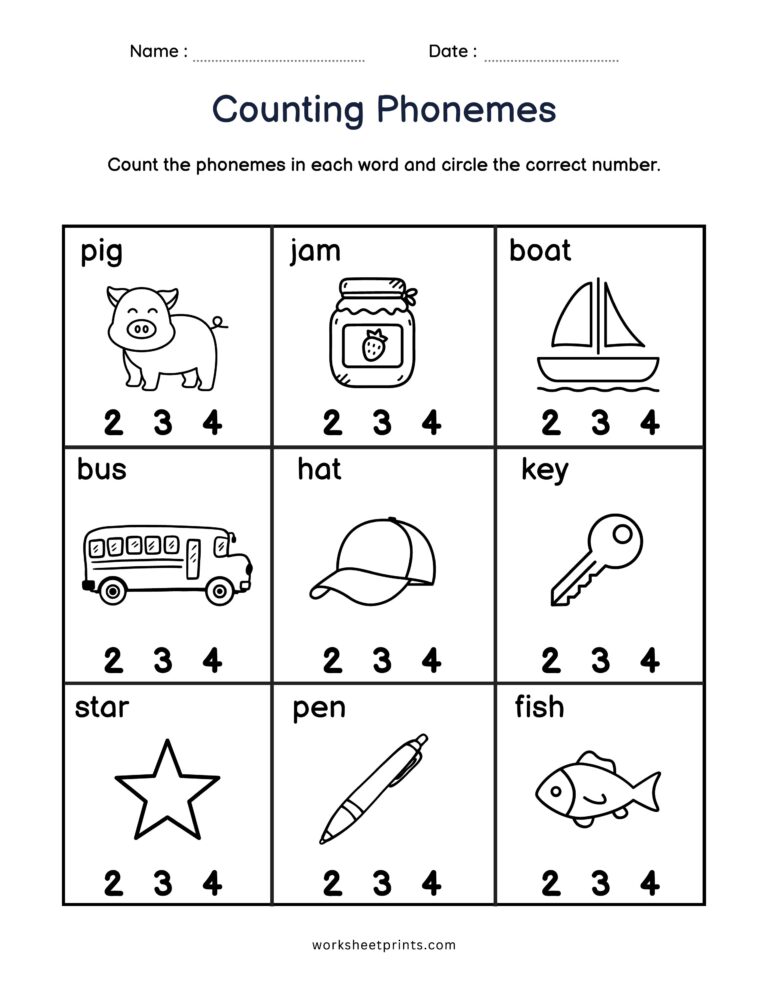
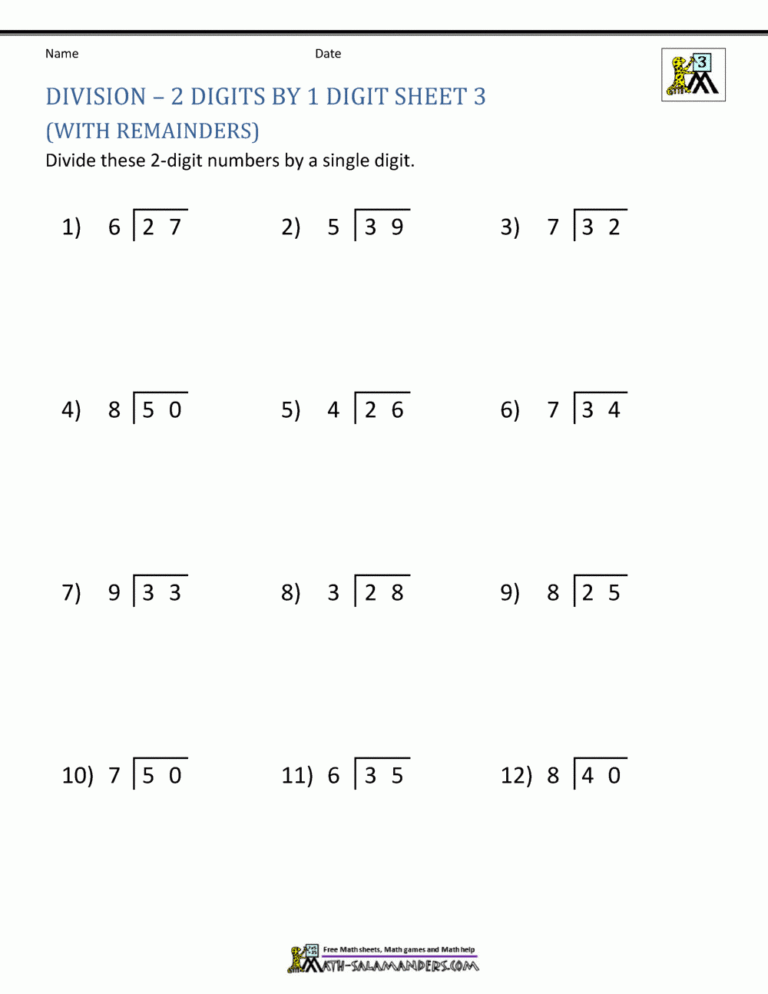
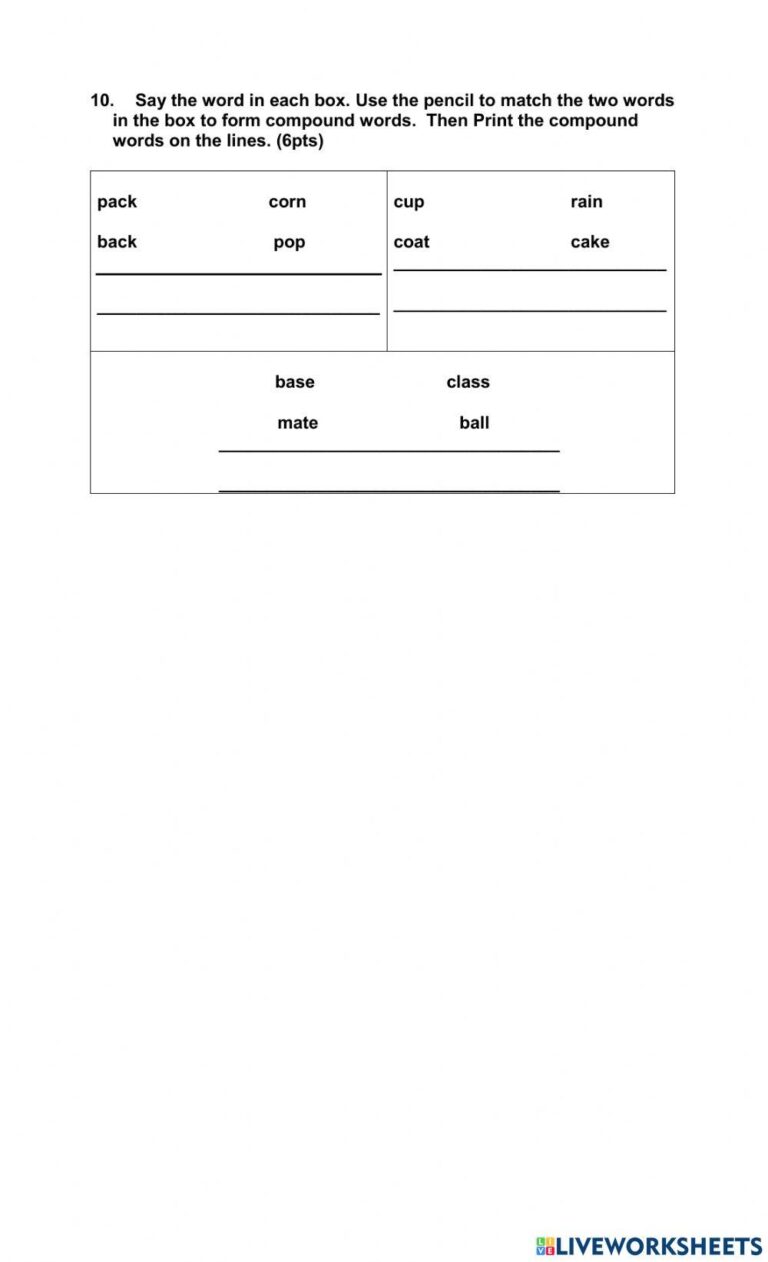
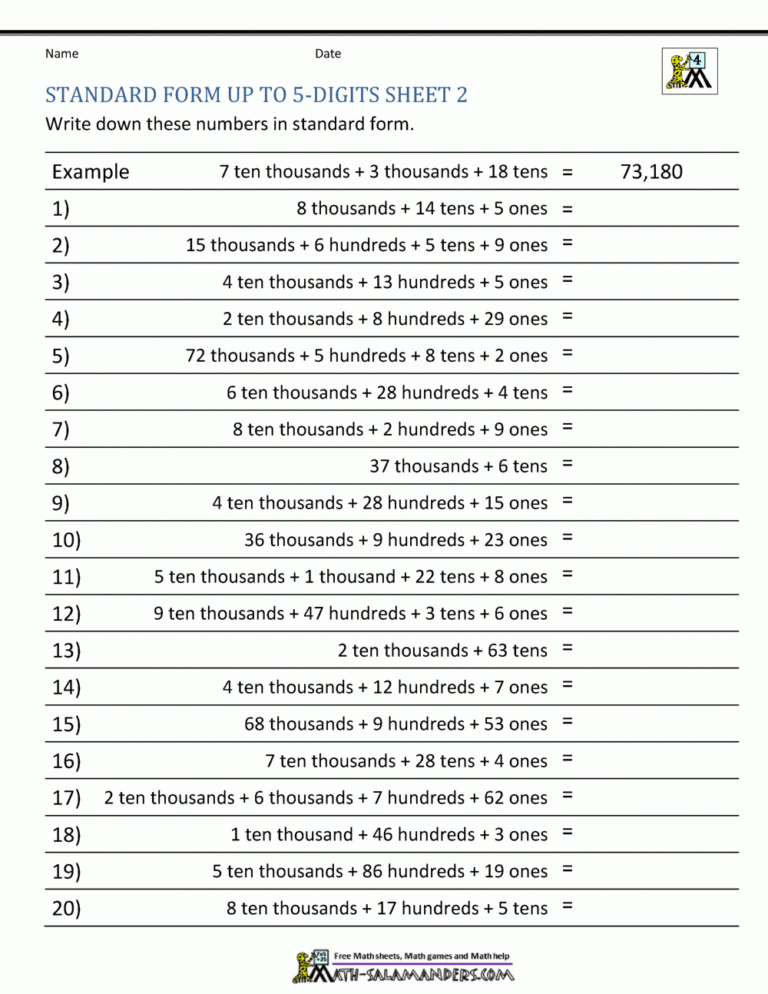
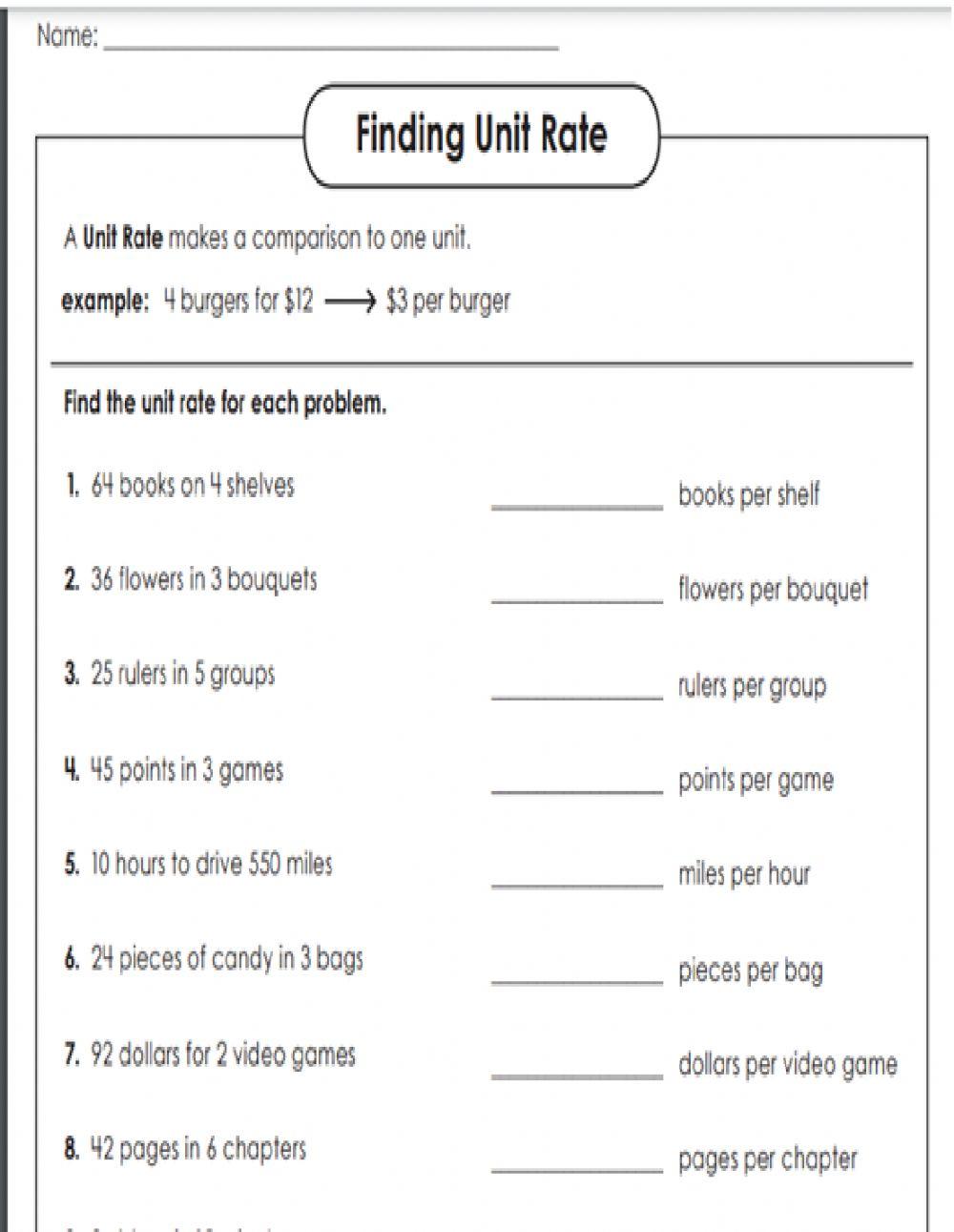
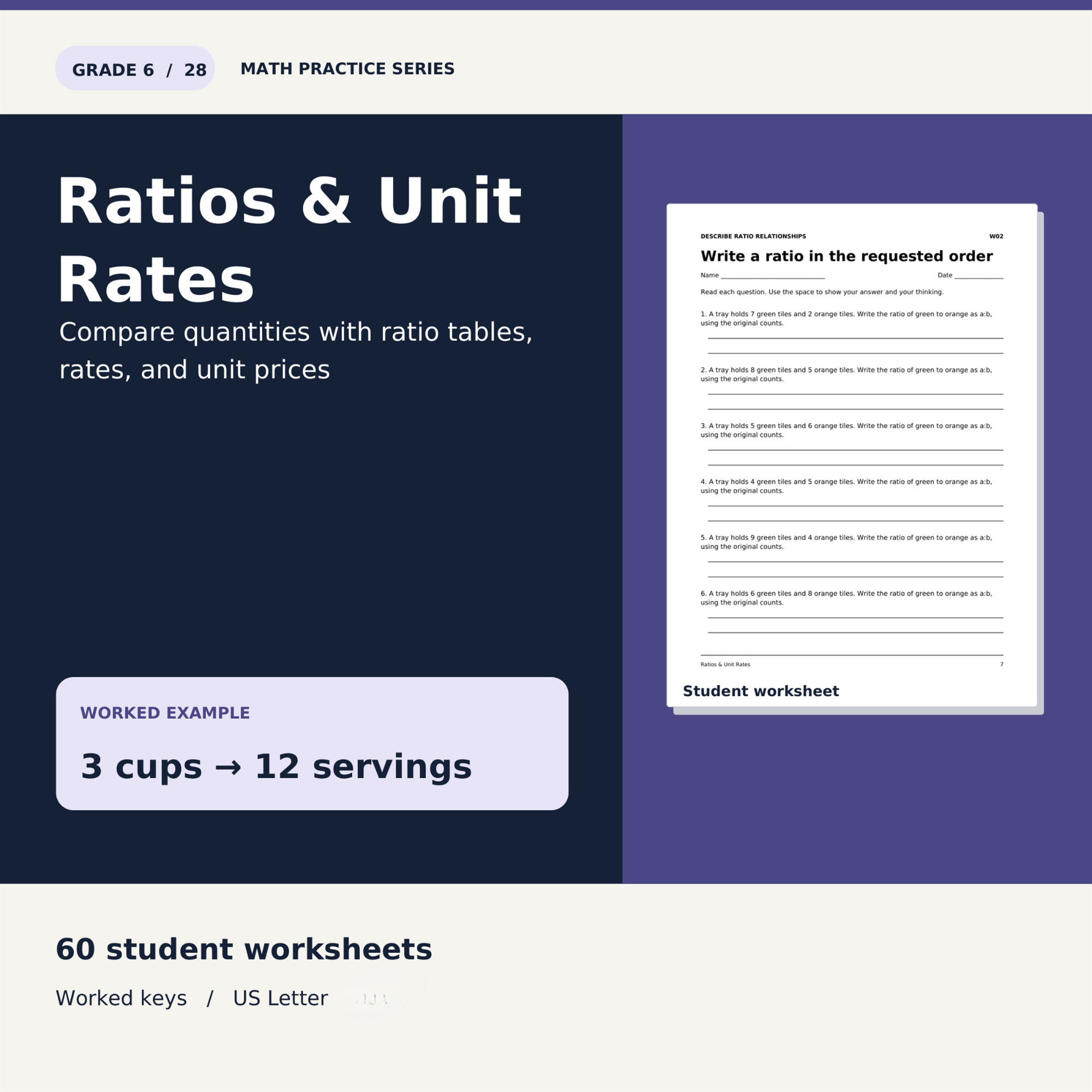
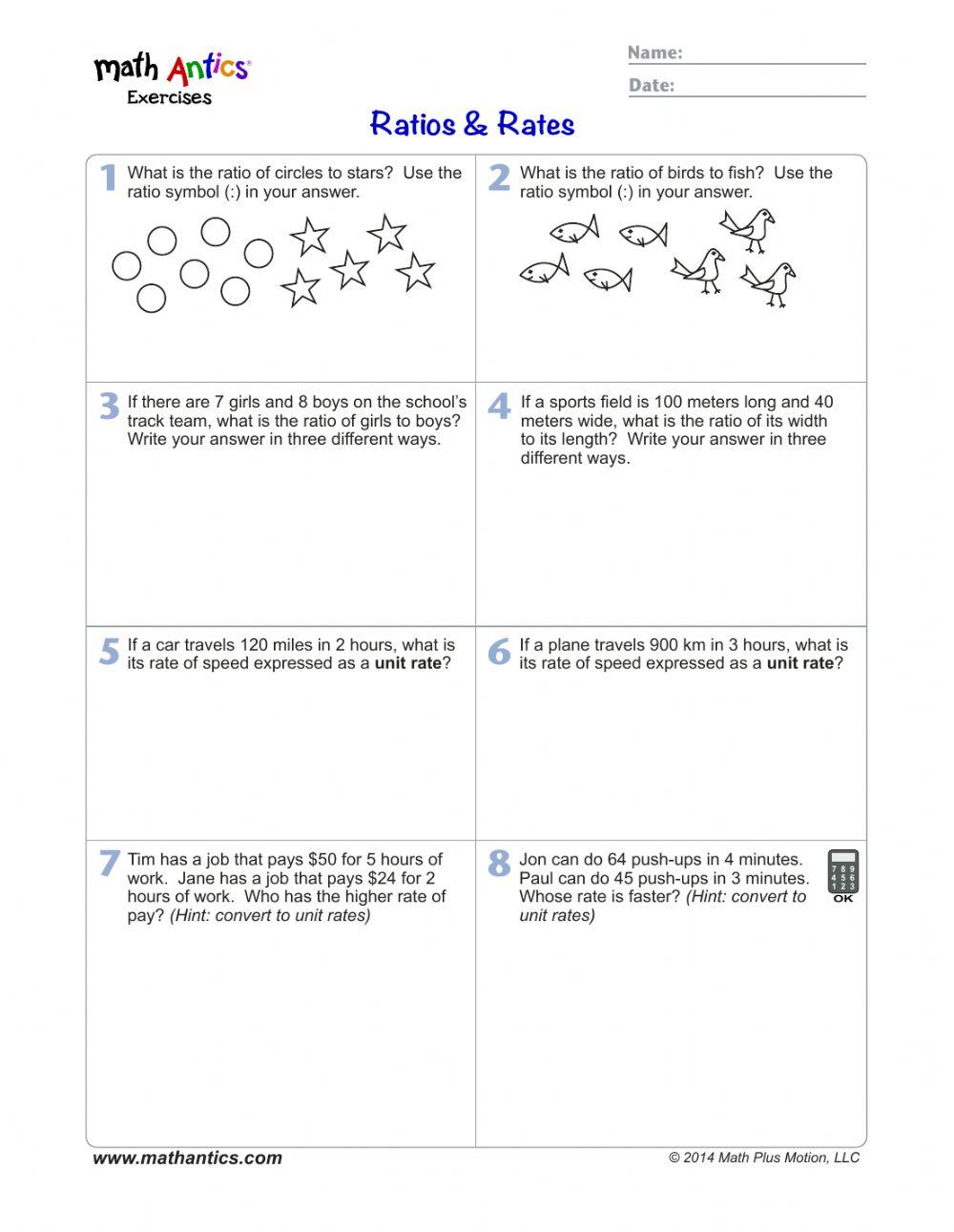
Worksheets can be an effective way to introduce unit rate concepts through structured exercises. You can find or create worksheets that include:
- Simple comparison tasks (e.g., “If you have 3 apples and 1 orange, how many apples do you have per orange?”)
- Visual aids such as pictures of fruits or toys to help kids visualize the quantities involved.
Ensure these worksheets are colorful and visually appealing to engage young learners.
Flashcards
Flashcards can be a fun way to reinforce concepts. You can create sets that include images of various items along with their quantities. For example, a flashcard might show 4 bananas and ask, “How many bananas for each orange?” This format encourages quick thinking and helps develop their ability to recognize unit rates.
Interactive Games
Games can transform learning into a fun experience. Consider printable board games or card games where children can practice calculating unit rates as they play. For instance, a game could involve moving pieces on a board based on the number of items they collect, reinforcing the idea of comparing quantities as they progress.
Implementing These Activities at Home
Integrating these printable activities into your daily routine can be straightforward. Here are some practical tips to help you make the most of them:
Scheduling Learning Time
Set aside a regular time each week for learning activities. Whether it’s during a dedicated afternoon or as part of a morning routine, consistency helps reinforce the concepts. You might start with a worksheet, move on to flashcards, and finish with a game, creating a well-rounded learning session.
Using Everyday Examples
Incorporate real-life scenarios to make learning relatable. When shopping or preparing meals, ask your child to help compare quantities. For example, “If we buy 6 apples and 2 oranges, how many apples do we have for each orange?” This approach allows children to see the practical application of unit rates.
Tips for Downloading and Printing Resources
When you find printable resources online, consider the following tips to ensure a smooth experience:
- File Format: PDF files are often the best choice for printables as they preserve the layout and design. Avoid image files for worksheets whenever possible, as they can reformat when printed.
- Paper Type: For worksheets and flashcards, standard printer paper will suffice. However, if you plan to laminate them for durability, consider using cardstock, which holds up better.
- Print Settings: Always check your printer settings. For most educational materials, portrait orientation works best. You may also want to adjust the quality settings for clearer prints, especially for colorful graphics.
Tracking Progress and Engagement
To ensure your preschoolers are grasping the concepts behind unit rates, tracking their progress is essential. Here are a few methods to consider:
- Daily Check-Ins: After each learning session, ask your child to explain what they learned. This verbal reinforcement helps solidify their understanding.
- Progress Charts: Create a simple chart to track completed activities. Seeing their accomplishments can motivate children to continue learning.
- Feedback Loop: Encourage your child to express what they enjoyed most about each activity. This feedback can guide your choice of future resources and activities.
By utilizing Printable Preschool Classroom Unit Rate Calculations Activities, you can create a rich, engaging learning environment that fosters curiosity and understanding in young learners. With a variety of worksheets, flashcards, and games available, you can cater to different learning styles and keep your preschoolers excited about math.