Printable Fifth Grade Classroom Interjection Identification Activities
Understanding interjections is an essential skill for fifth graders that helps them express emotions and reactions in their writing and speech. Printable Fifth Grade Classroom Interjection Identification Activities provide teachers and parents with engaging resources to reinforce this concept in a fun and educational way. These activities not only help students identify interjections but also enhance their overall language skills.
What Are Interjections?
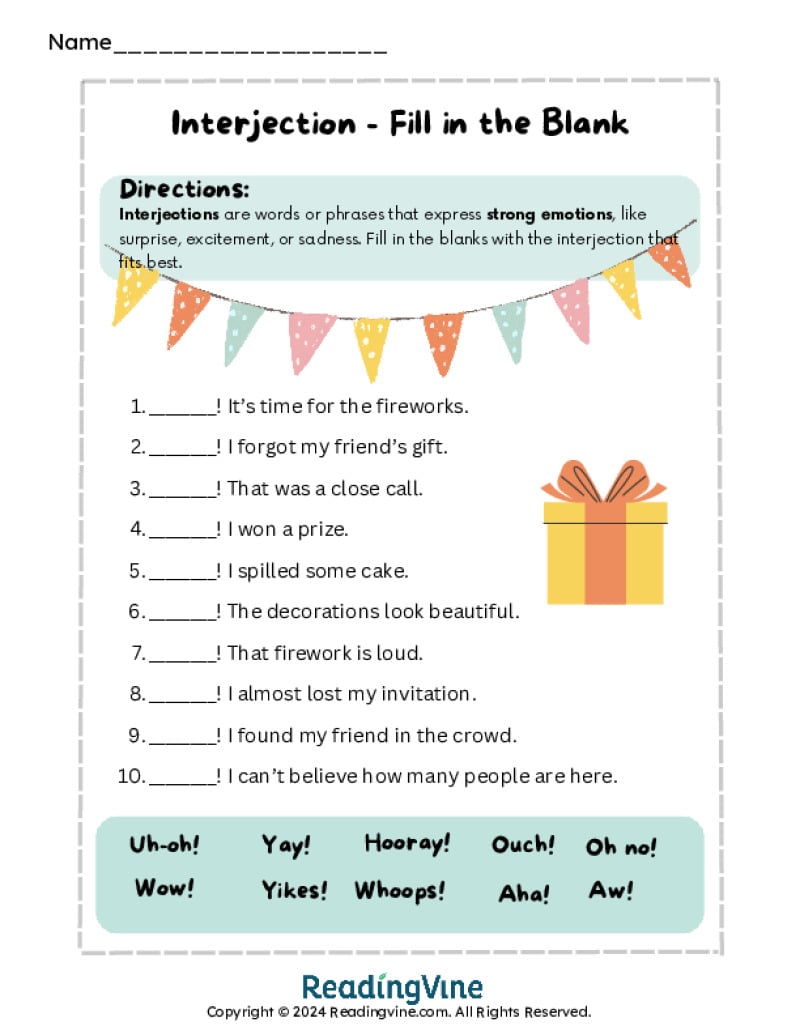
Interjections are words or phrases that express strong emotion or sudden bursts of feeling, often standing alone in a sentence. Examples include “Wow!”, “Oh no!”, and “Yay!” Recognizing interjections is crucial for students as it allows them to add emotional depth to their writing and understand the nuances in conversations.
To introduce this concept, you can start with a brief explanation in class or during a homeschooling session. Use examples in sentences and encourage students to share their own examples. This can set the stage for using the printable activities effectively.
Engaging Activities for Identifying Interjections
When it comes to teaching interjections, interactive activities are key to keeping fifth graders engaged. Here are several types of printable activities you can use:
1. Worksheets
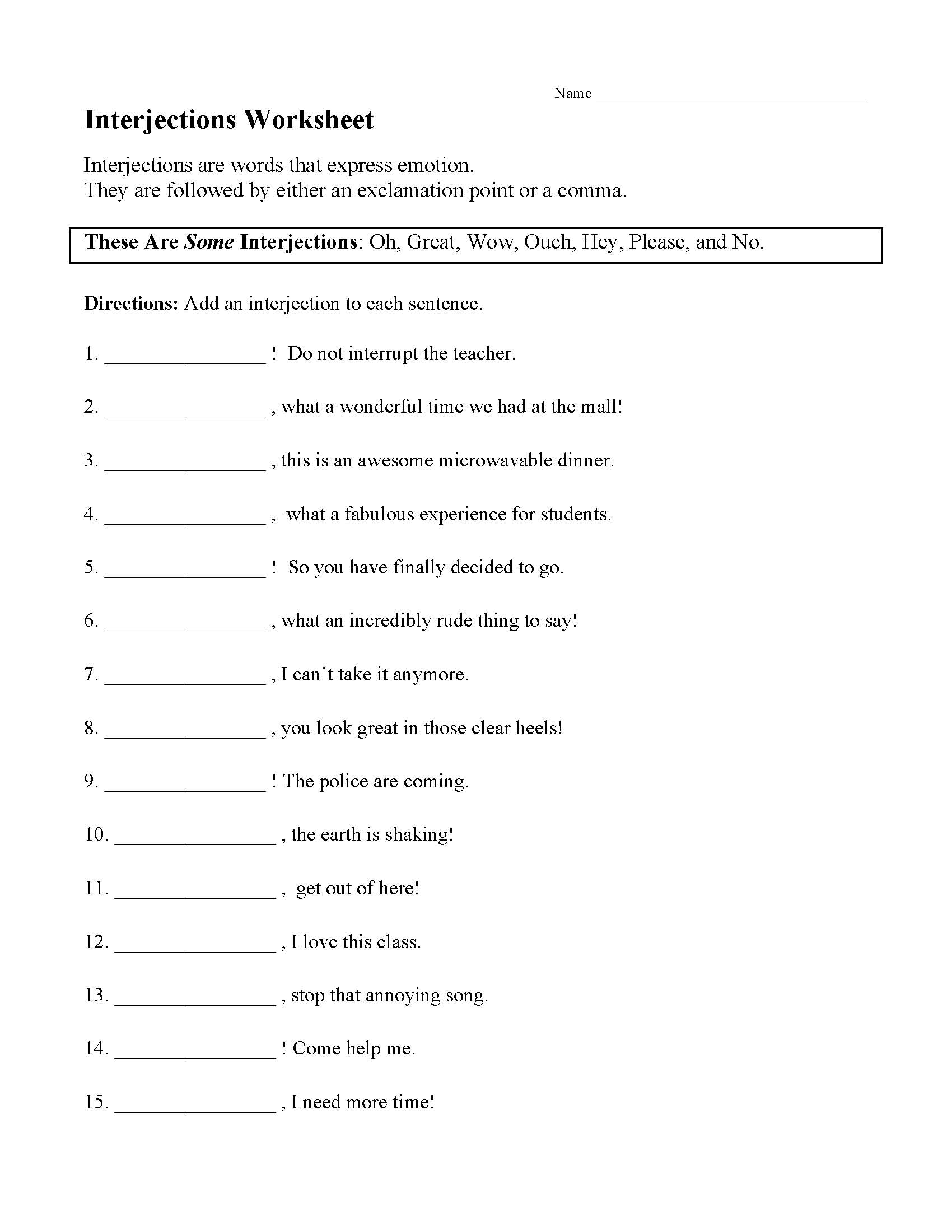
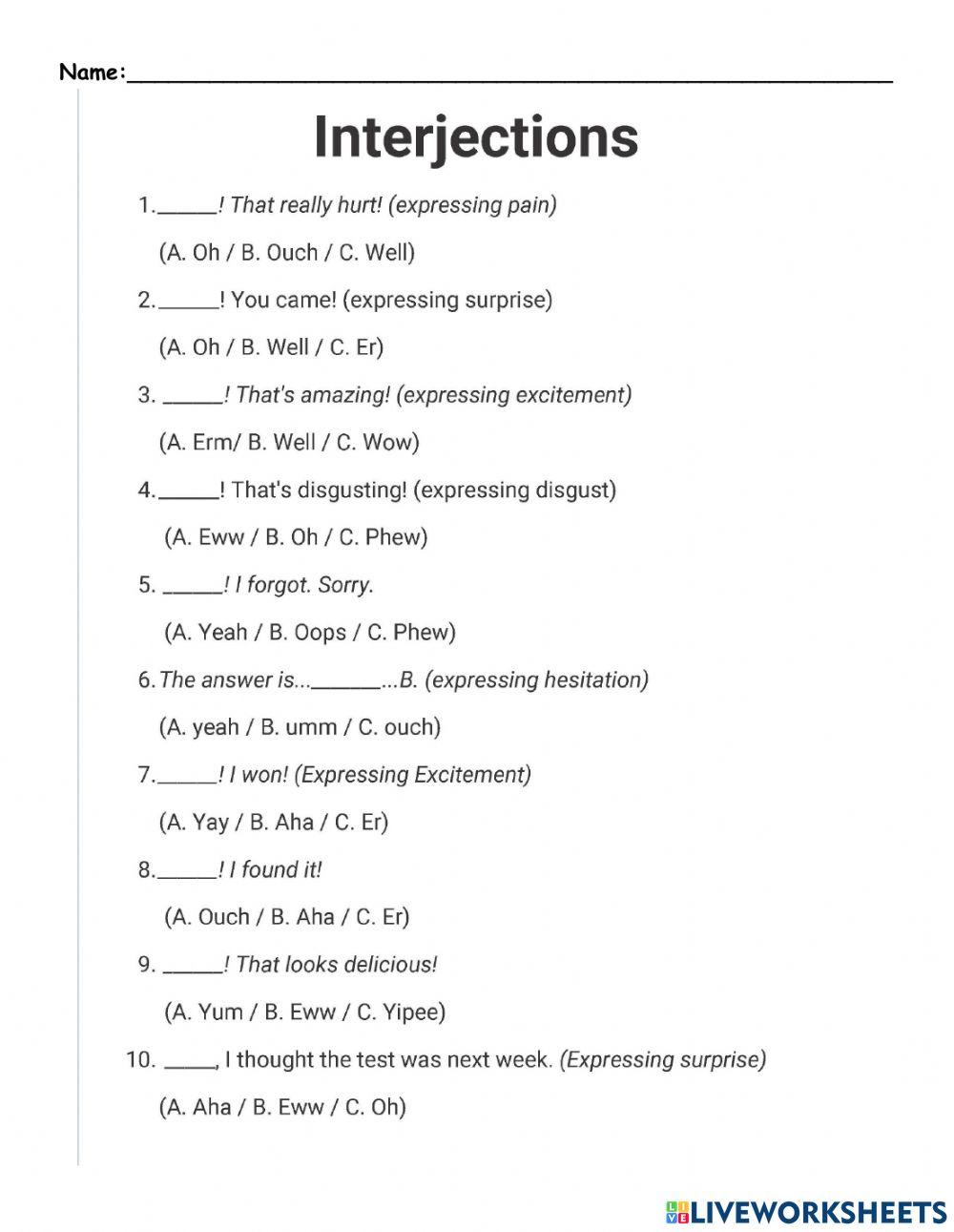
Worksheets that focus on interjection identification are excellent for practice. These usually include sentences with underlined words where students must identify which ones are interjections. You can create worksheets that ask students to:
- Circle the interjections in given sentences.
- Fill in the blanks with appropriate interjections based on context.
- Rewrite sentences by adding interjections.
Make sure to include a variety of sentences, from simple to complex, to cater to different skill levels.
2. Flashcards
Flashcards can be a dynamic resource for identifying interjections. You can create a set of flashcards that feature common interjections on one side and their meanings or usage examples on the other. This can be used for:
- Quick review sessions.
- Partner quizzes where one student shows a card and the other identifies the interjection.
- Memory games that reinforce recognition.
3. Interactive Games
Turn learning into a game! Printable interjection bingo cards or scavenger hunts can be effective tools. For bingo, create cards with various interjections. As you call out sentences containing interjections, students can mark their cards. For a scavenger hunt, students can search for interjections in their reading materials or around the classroom.
Incorporating Interjections Into Daily Lessons
Integrating interjections into your lessons can be seamless with these activities. Here are some practical tips:
- Daily Warm-ups: Start each class with a quick interjection activity, such as having students shout out an interjection that matches their mood for the day.
- Writing Assignments: Encourage students to use interjections in their creative writing pieces. Provide them with a checklist to ensure they include at least a few interjections in their work.
- Peer Review: During peer editing sessions, have students highlight interjections in each other’s work as a way to reinforce their identification skills.
Tracking Progress
It’s vital to monitor students’ understanding of interjections. Here are a few methods to track their progress effectively:
- Quizzes: After completing a series of activities, give a short quiz that requires students to identify interjections in various sentences.
- Class Discussions: Regularly engage students in discussions about their use of interjections in writing. Encourage them to share examples and explain why they chose specific interjections.
- Reflective Journals: Have students keep journals where they can write down new interjections they learn and use them in sentences. Review these journals periodically to assess their growth.
Printable Resources for Teachers
To make your lessons easier, consider using downloadable templates specifically designed for interjection activities. These can include:
- Pre-filled worksheets that require minimal preparation.
- Printable flashcards that can be cut out and used repeatedly.
- Bingo cards that can be laminated for durability.
Look for resources that provide a variety of contexts and examples to keep your students engaged and learning.
A Final Tip for Teachers
To maximize the effectiveness of your interjection identification activities, consider incorporating technology. If your classroom has access to devices, you might find interactive online games that complement your printables. This combination can cater to various learning styles and keep students motivated.
Remember, the goal is to make learning about interjections an enjoyable experience that enhances students’ language skills while fitting seamlessly into your classroom or homeschool routine.