Preschool Skill Worksheets Covering Solving Inequalities
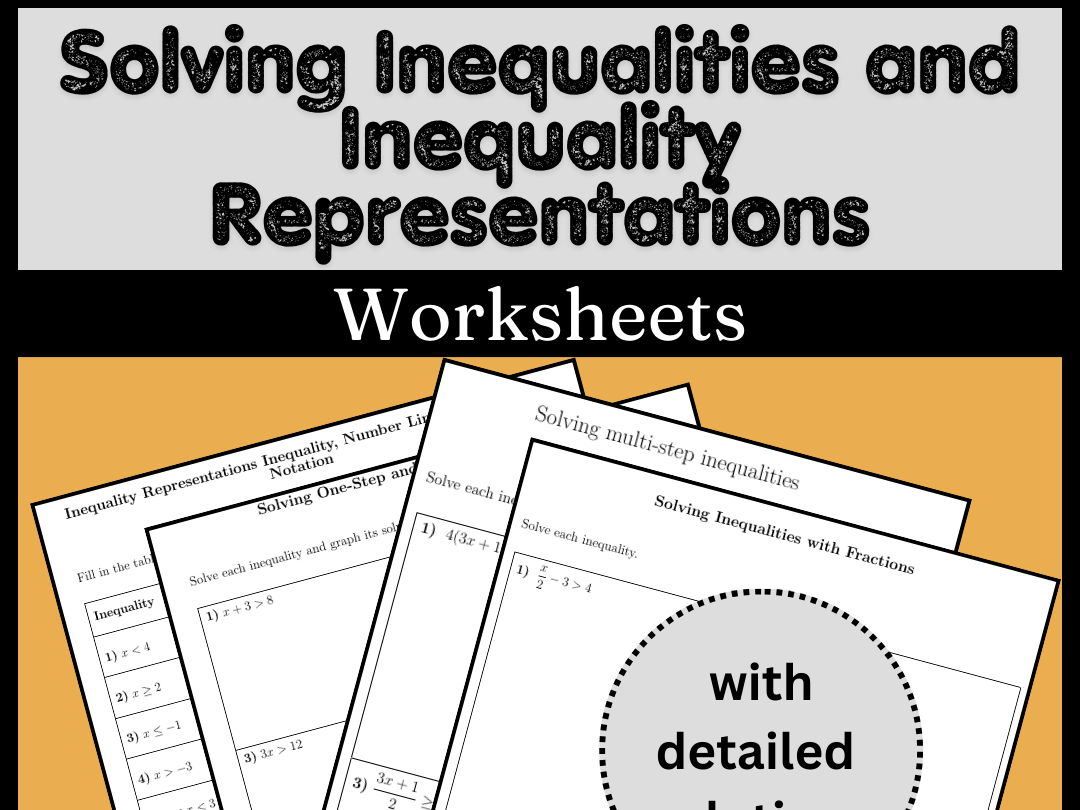
Teaching young children to grasp mathematical concepts can be a rewarding challenge. One area that can be particularly beneficial for preschoolers is learning how to solve inequalities. The Preschool Skill Worksheets Covering Solving Inequalities are designed specifically to introduce and reinforce this essential skill through engaging, hands-on activities. These worksheets differ from other resources by focusing on visual and interactive elements that make learning both fun and effective.
Understanding Inequalities for Preschoolers
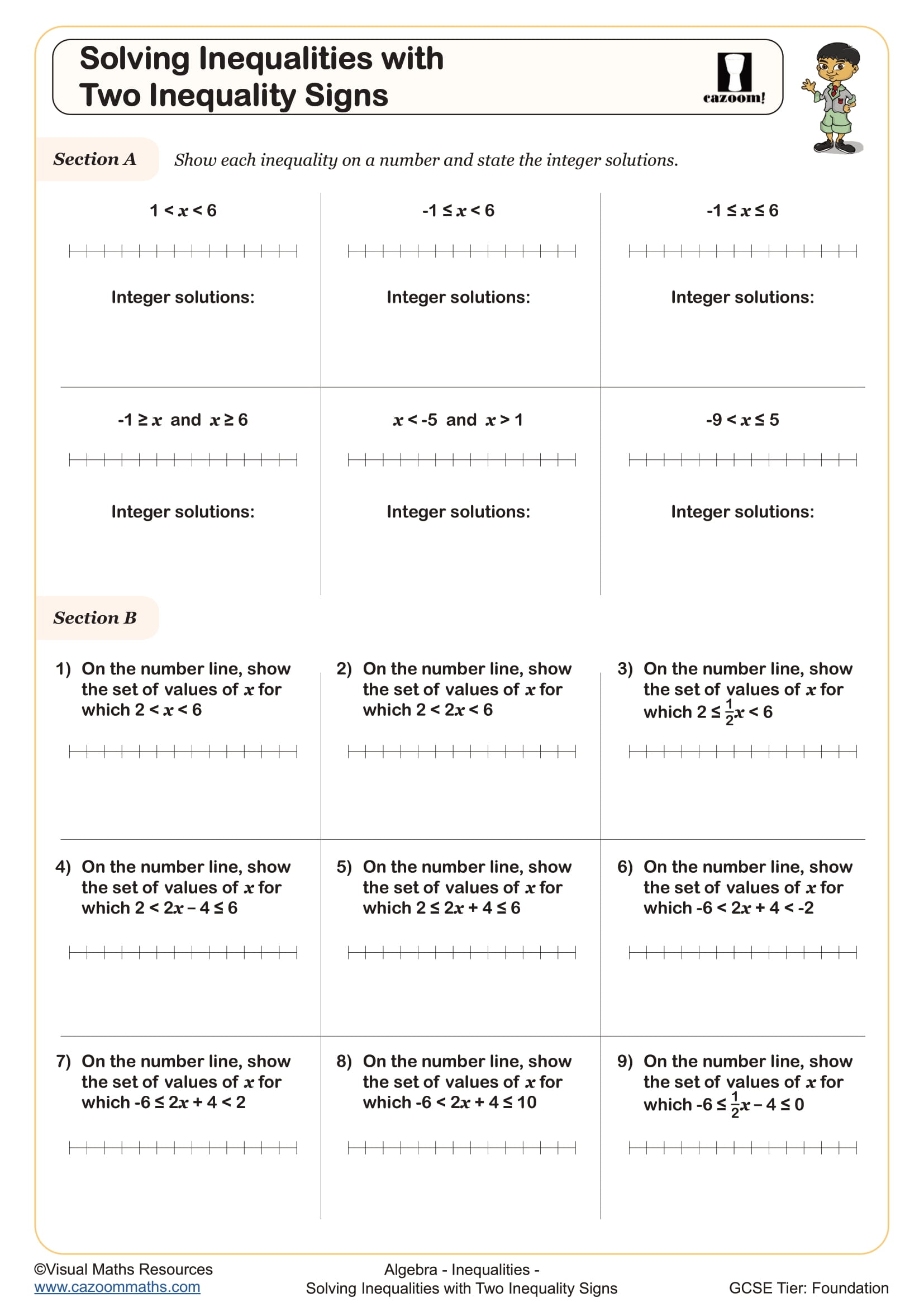
Before diving into the worksheets, it’s important to understand what inequalities are. In simple terms, inequalities express a relationship between two values, indicating that one is greater than, less than, or not equal to the other. For preschoolers, this concept can be introduced using relatable examples, like comparing the number of apples in two baskets or the heights of different toys. Using everyday items helps solidify their understanding in a context that makes sense to them.
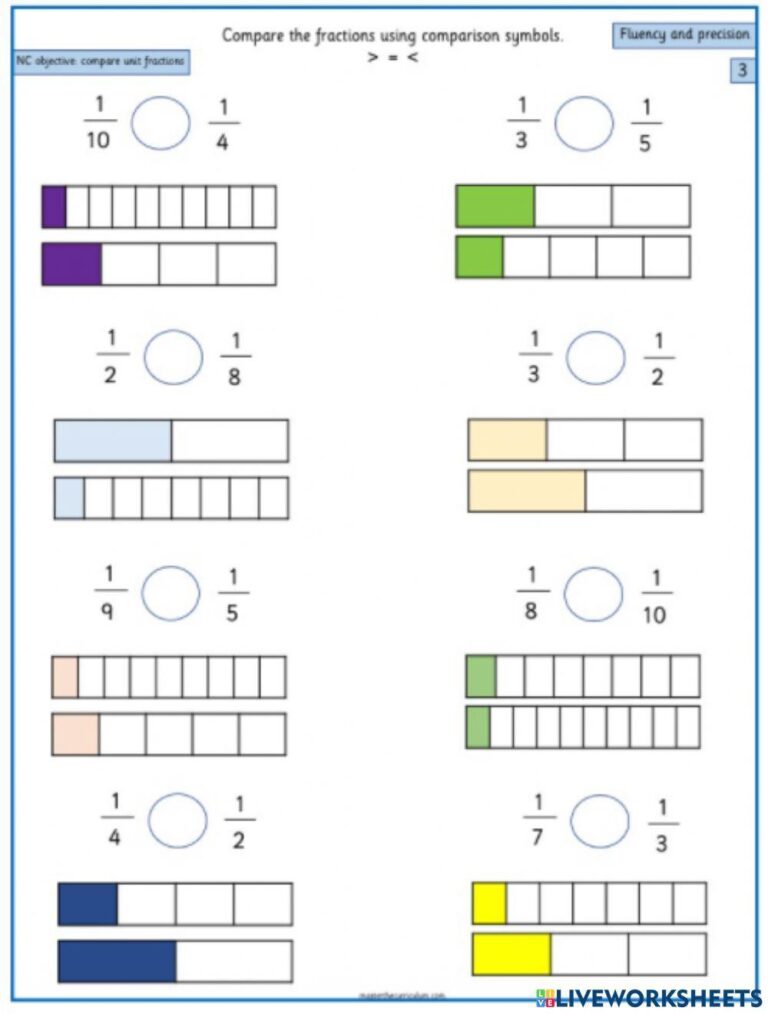
These worksheets typically feature visuals and interactive components that help children recognize and solve simple inequalities. For example, a worksheet might present a scenario showing three apples and five oranges, asking kids to identify which group has more. This approach not only teaches them about inequalities but also enhances their counting skills and number sense.
Layout and Design of the Worksheets
The layout of these preschool skill worksheets is thoughtfully crafted to engage young learners. Each worksheet usually includes the following sections:
- Visual Comparisons: Bright, colorful images of objects that children can count and compare. This visual stimulus is crucial for young learners as it captures their attention and encourages participation.
- Clear Instructions: Simple, age-appropriate language that guides children through the worksheet. For instance, instructions may read, “Circle the group with more apples.”
- Interactive Elements: Some worksheets may incorporate activities like drawing lines to connect matching pairs or coloring sections based on answers. This hands-on approach keeps children engaged and makes learning active rather than passive.
The combination of these elements ensures that the worksheets are not only educational but also enjoyable for preschoolers.
Integrating Worksheets Into Lessons
When incorporating the Preschool Skill Worksheets Covering Solving Inequalities into your lessons, consider the following strategies:
- Introduce the Concept with Stories: Start by reading a short story that involves comparing quantities. This narrative approach can set the stage for the worksheet activities.
- Hands-On Activities: Before giving out the worksheets, have children engage in a physical activity where they compare items in the classroom. For instance, have them group blocks or toys and then compare the quantities.
- Guided Practice: Distribute the worksheets and guide the children through the first few questions together. This collaborative approach helps them feel supported and encourages discussion about their thought processes.
- Independent Exploration: After the guided practice, allow children to complete the remaining sections of the worksheets independently or in pairs. This encourages them to apply what they’ve learned in a safe environment.
By using a combination of storytelling, hands-on practice, and guided instruction, you can effectively integrate these worksheets into your curriculum.
Pacing and Timing for Worksheets
Timing is key when it comes to using preschool skill worksheets effectively. Each worksheet should ideally take about 10-15 minutes to complete, depending on the complexity of the tasks and the children’s familiarity with the concepts. Here’s a suggested pacing strategy:
- Introduction (5 minutes): Briefly explain what inequalities are and how they relate to the worksheet.
- Group Activity (10 minutes): Engage children with a hands-on comparison activity.
- Guided Worksheet Completion (15 minutes): Work through the first couple of questions as a group.
- Independent Practice (10-15 minutes): Allow time for children to work on their own or with a partner.
This pacing allows ample time for instruction, practice, and interaction, ensuring that children can grasp the concept of inequalities without feeling rushed.
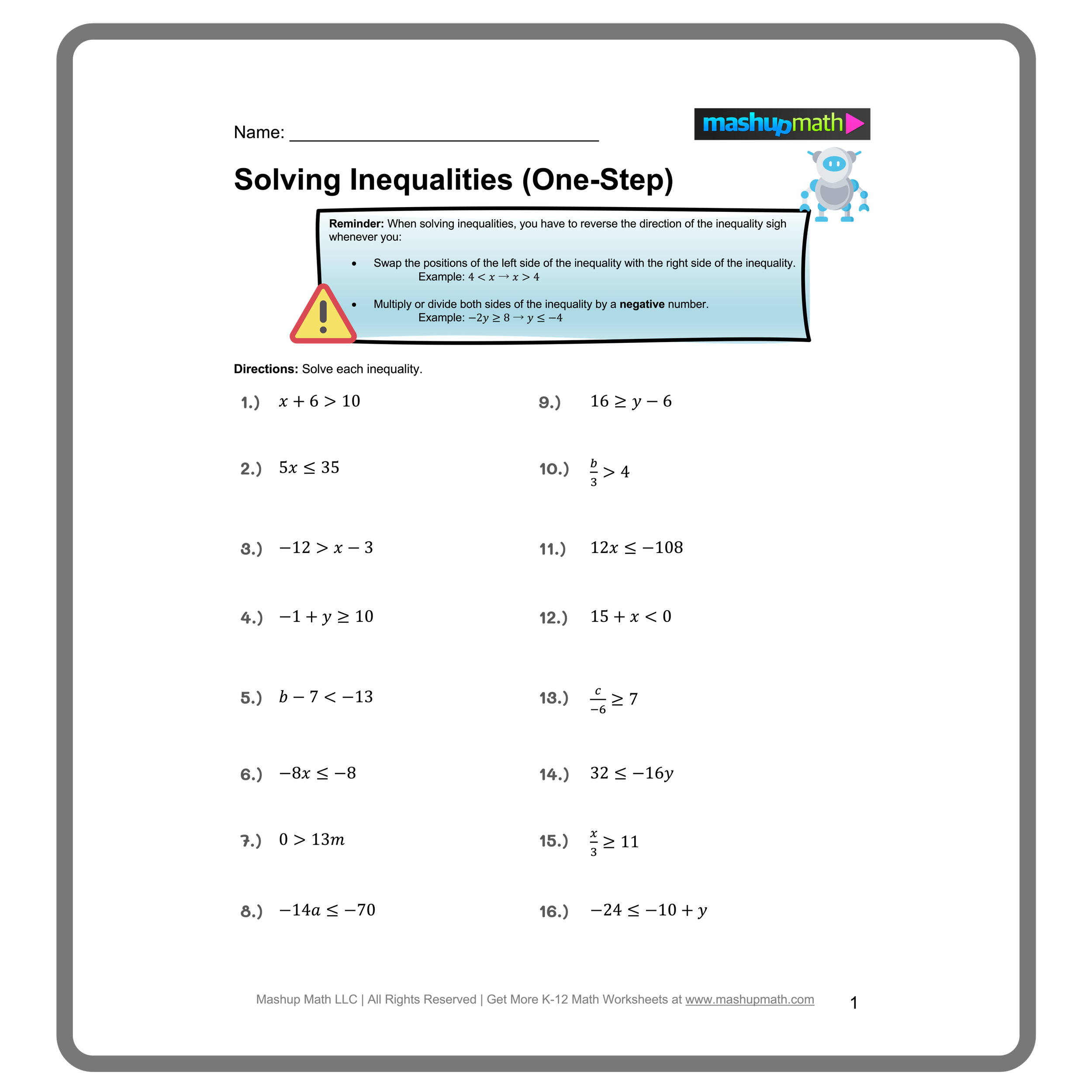
Choosing the Right Paper and Printing Options
When preparing the worksheets, consider your printing options and materials. Here are a few practical tips:
- Paper Type: Use cardstock for durability, especially if the worksheets will be used multiple times or in a busy classroom environment. Regular printer paper is fine for single-use worksheets.
- Color Printing: Since the worksheets often include vibrant images, color printing is recommended. This not only makes the worksheets more engaging but also helps children differentiate between items more easily.
- Portrait vs. Landscape: Portrait layout is generally preferred for worksheets, as it aligns with how children typically read and write.
If you plan to laminate the worksheets for reuse, be sure to adjust your printer settings for thicker paper to avoid jams.
Using the Preschool Skill Worksheets Covering Solving Inequalities can be a powerful way to help young children develop their mathematical understanding. With engaging designs, practical classroom integration strategies, and thoughtful pacing, these worksheets serve as an excellent resource for teachers and parents alike. Whether you opt for colorful prints or interactive activities, the goal remains the same: to make learning about inequalities an enjoyable experience for preschoolers.