Maths Sheets For Year 2
Mathematics is a foundational skill that plays a crucial role in early education, shaping the way children think and solve problems. For 7-8-year-olds, structured worksheets can significantly enhance their mathematical abilities by providing targeted practice and reinforcing concepts learned in the classroom. This guide aims to equip parents and educators with the knowledge needed to effectively utilize maths sheets for Year 2 students.
Types of Maths Sheets
There are various types of maths sheets designed to cover essential skills for Year 2 students:
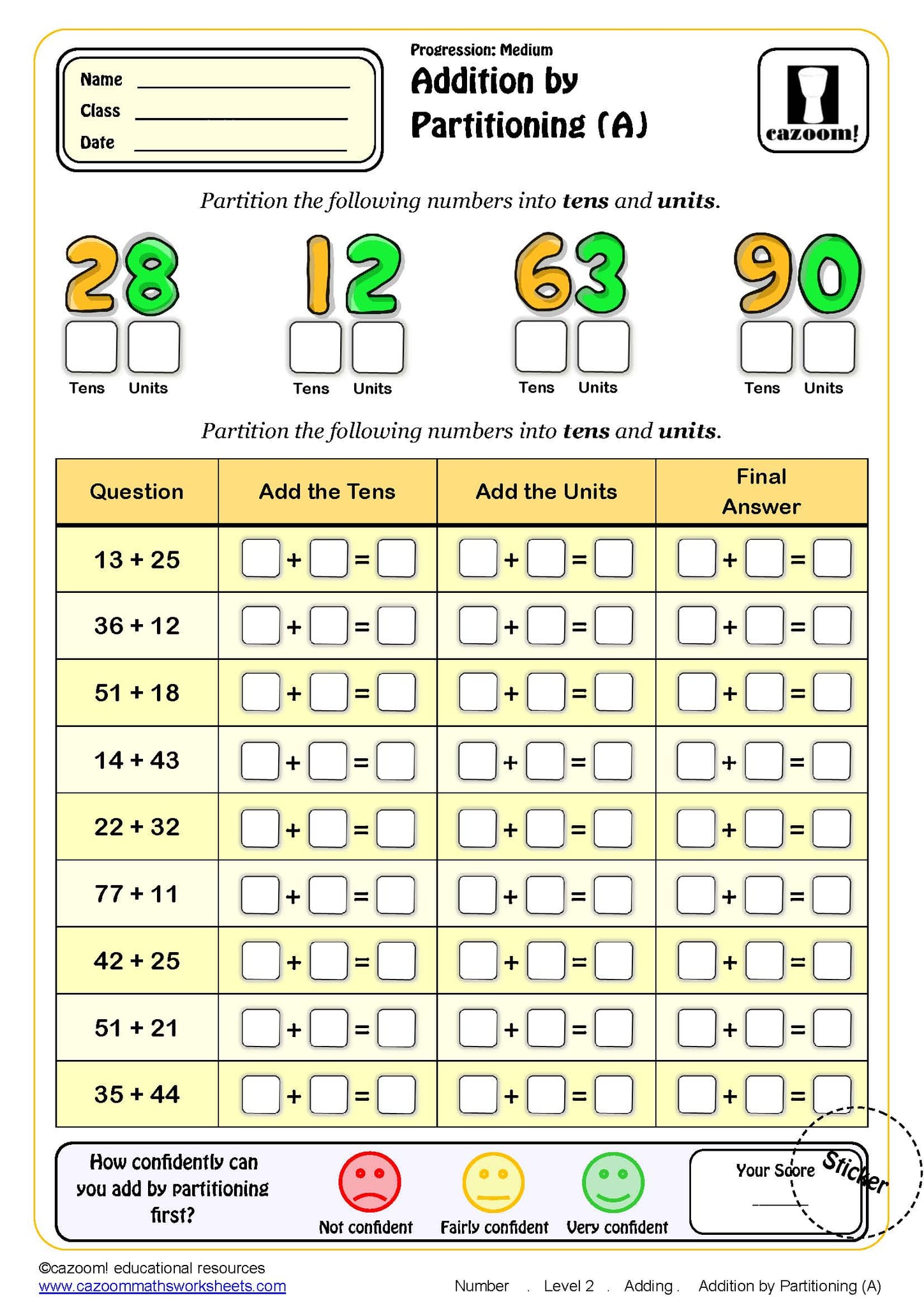
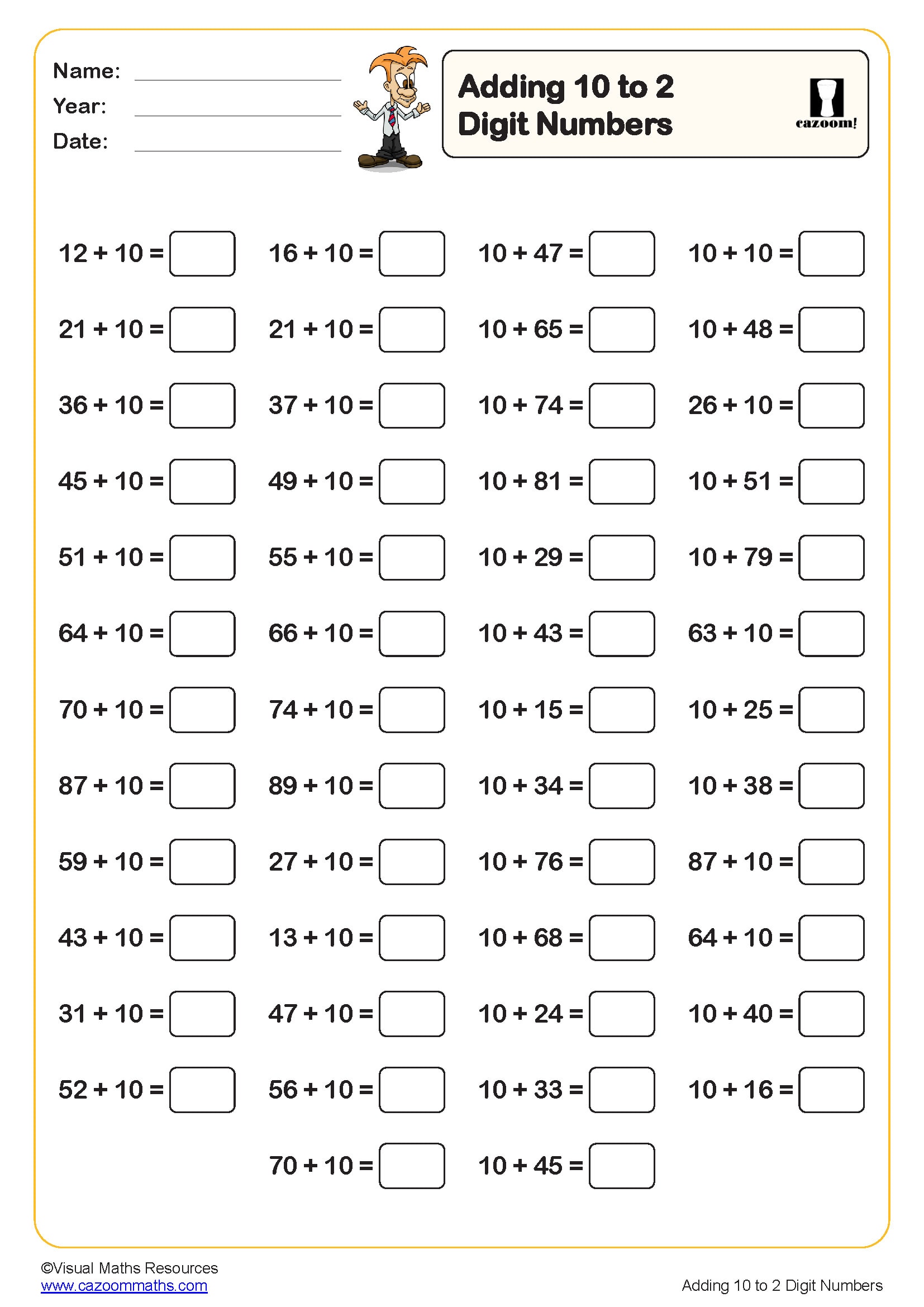
- Addition Worksheets: Focus on single and double-digit addition to build confidence.
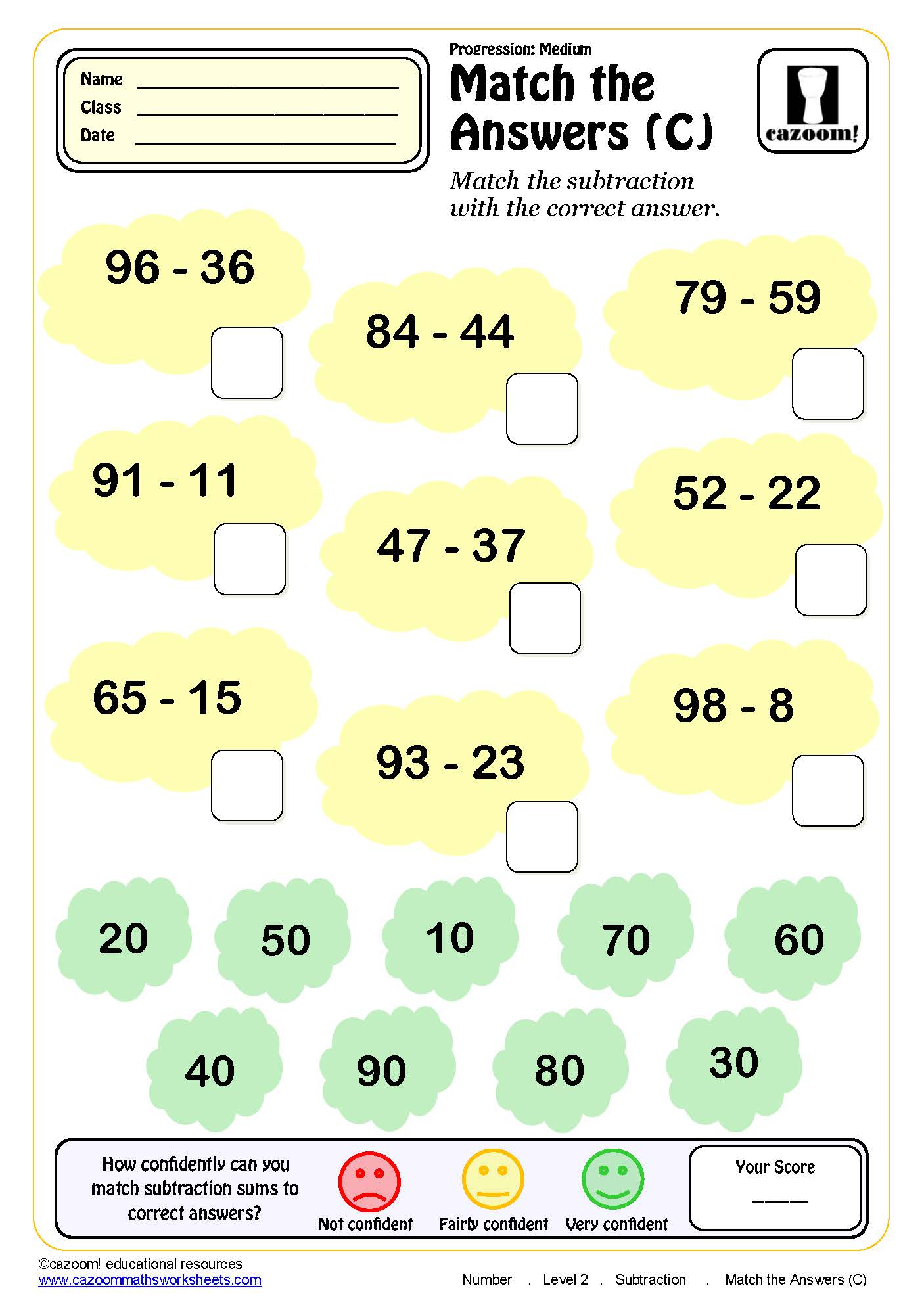
- Subtraction Worksheets: Help students practice subtracting numbers, enhancing their understanding of the concept.
- Word Problems: Encourage critical thinking by applying math to real-life scenarios.
- Measurement Worksheets: Introduce concepts of length, weight, and volume through practical exercises.
- Shapes Worksheets: Teach recognition and properties of basic geometric shapes.
- Basic Multiplication Worksheets: Lay the groundwork for multiplication through repeated addition exercises.
Curriculum Alignment
These worksheets are designed to align with the Year 2 National Curriculum standards. Key learning objectives include:
- Understanding addition and subtraction within 100.
- Recognizing and describing properties of shapes.
- Measuring and comparing lengths, weights, and capacities.
- Solving simple word problems using addition and subtraction.
Benefits of Using Maths Sheets
The use of maths sheets offers numerous advantages:
- Improved Problem-Solving Skills: Regular practice helps children develop strategies for tackling various mathematical challenges.
- Fostering Independent Learning: Worksheets encourage students to work at their own pace, promoting self-sufficiency.
- Practice Outside the Classroom: They provide additional opportunities for reinforcement beyond school hours.
Tips for Parents and Educators
To maximize the effectiveness of maths sheets, consider the following tips:
- Set Clear Goals: Define specific learning objectives for each session.
- Track Progress: Regularly review completed worksheets to monitor improvement.
- Make Learning Fun: Incorporate games or rewards to motivate students during practice sessions.
Where to Find Quality Worksheets
A variety of reputable websites offer high-quality, printable maths sheets for Year 2. Some recommended resources include:
Printable vs. Digital Formats
Both printable and digital maths sheets have their pros and cons:
- Printable Sheets: Allow for easy access without technology; great for hands-on activities.
- Digital Sheets: Often interactive and can provide instant feedback; useful for tech-savvy learners.
Interactive Learning Ideas
To complement worksheet activities, consider these hands-on learning experiences:
- Puzzles and Games: Use math-related board games or puzzles to reinforce concepts in a fun way.
- Cooking Activities: Incorporate measurement through cooking, allowing children to practice fractions and quantities.
- Nature Walks: Engage in counting or measuring objects found outdoors to apply math in real-world contexts.
In conclusion, integrating maths sheets into educational practices can significantly enhance learning outcomes for Year 2 students. Explore available resources today and empower young learners with essential mathematical skills!