Kindergarten Skill Worksheets Covering Syllable Division Patterns
In a bright, cheerful classroom filled with the sounds of laughter and learning, Ms. Taylor is preparing her kindergarten students for a fun activity. Today, they will explore the world of syllables using engaging Kindergarten Skill Worksheets Covering Syllable Division Patterns. These worksheets not only make learning exciting but also help young learners develop essential reading and writing skills in a structured way.
Understanding Syllable Division Patterns
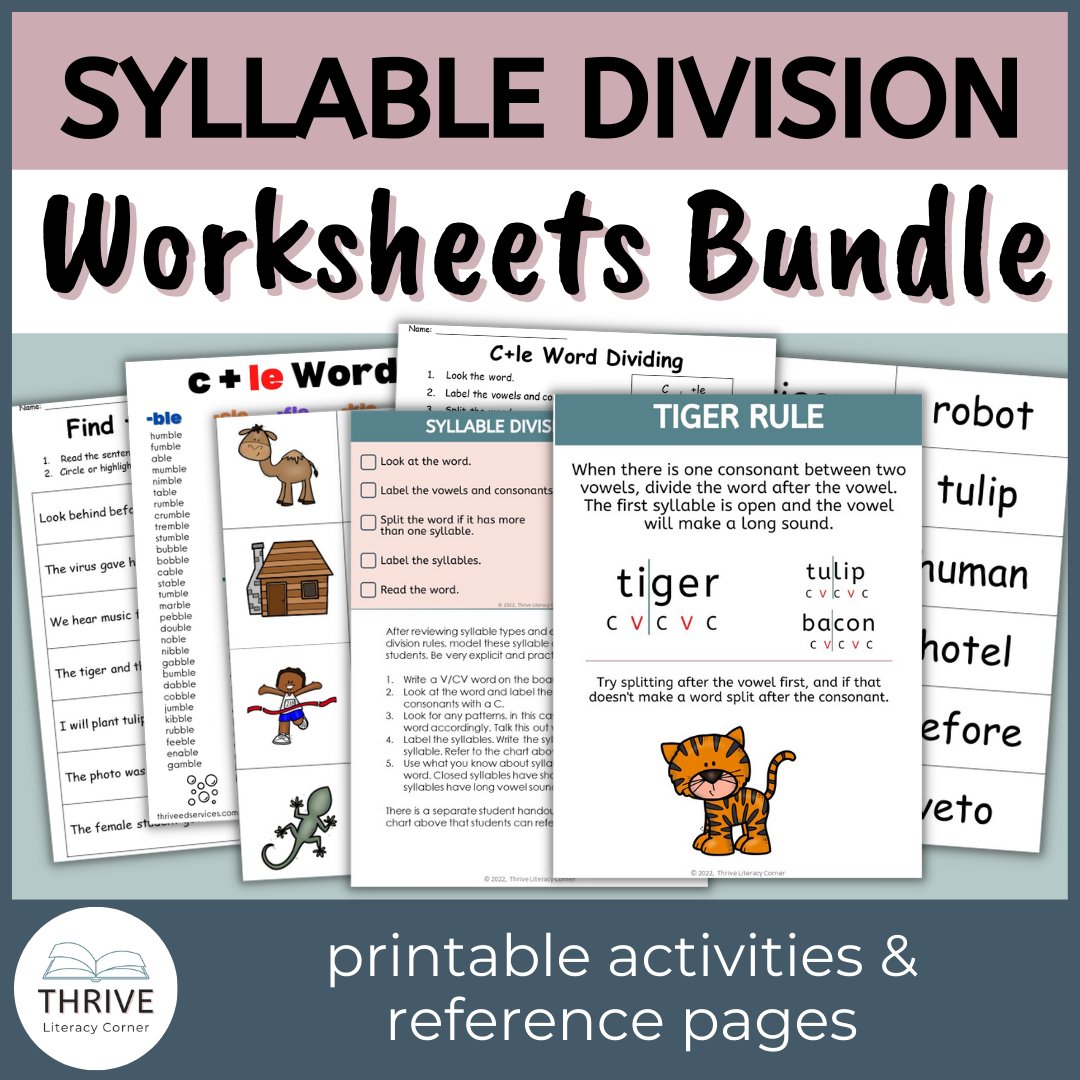
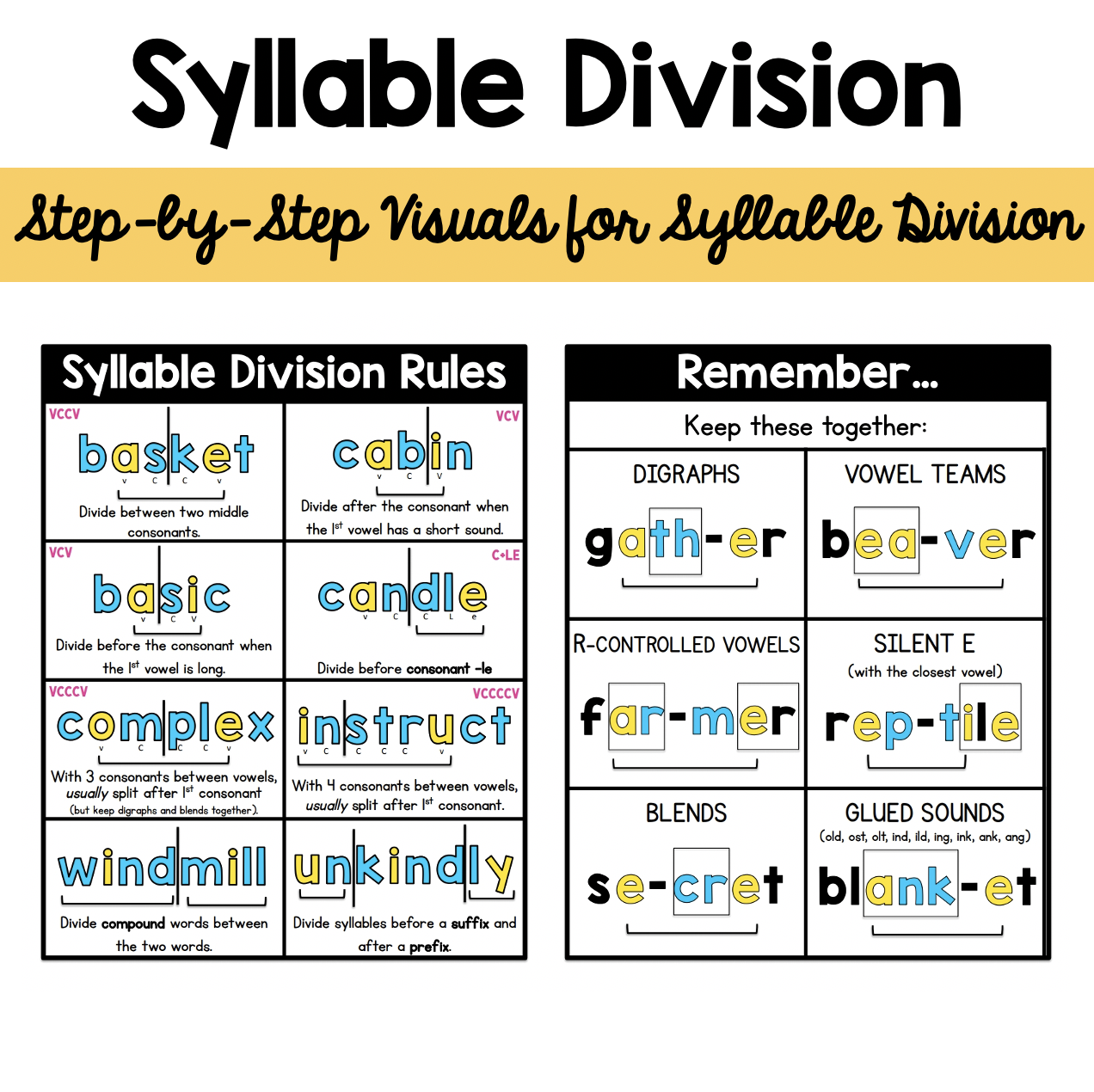
Syllables are the building blocks of words, and mastering them is crucial for developing strong literacy skills. When children learn how to divide words into syllables, they improve their ability to read and spell. Syllable division patterns help students break down complex words into manageable parts, making it easier for them to pronounce and understand.
For kindergarteners, the focus is on recognizing simple syllable patterns, such as closed syllables (e.g., “cat”), open syllables (e.g., “go”), and vowel-consonant-e syllables (e.g., “like”). Incorporating these concepts into worksheets allows children to practice identifying and dividing syllables independently, which is essential for their development.
Engaging Activities for Syllable Practice
When using Kindergarten Skill Worksheets Covering Syllable Division Patterns, it’s essential to include a variety of engaging activities to keep students motivated. Here are some effective ideas to incorporate into your lessons:
1. Syllable Clapping
Before diving into the worksheets, start with a fun clapping activity. Choose a few simple words and have the students clap their hands for each syllable they hear. For example, the word “banana” has three syllables, so they would clap three times. This interactive approach helps them internalize the concept of syllables before they even begin writing.
2. Fill-in-the-Blank Exercises
Utilize worksheets that include fill-in-the-blank exercises where children can practice identifying syllables within words. For instance, provide a list of words and ask students to write the correct number of syllables next to each word. This reinforces their understanding while allowing for independent practice.
3. Word Sorting
Create a worksheet that features a variety of words and asks students to categorize them based on their syllable patterns. For example, they could sort words into “closed syllables,” “open syllables,” and “vowel-consonant-e syllables.” This activity encourages critical thinking and helps reinforce the differences between the syllable types.
4. Picture Matching
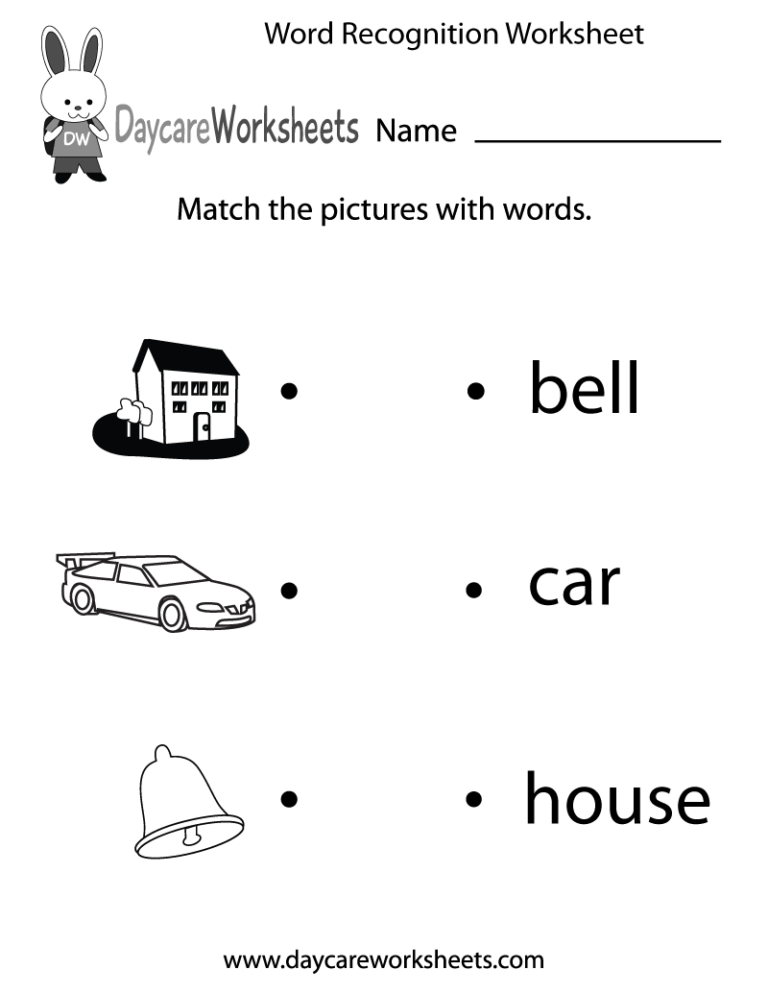
Incorporate visual learning by using worksheets with pictures. Kids can match pictures of objects to their corresponding words, then practice dividing those words into syllables. For example, a picture of “tiger” can help them learn that it has two syllables: ti-ger.
5. Syllable Games
Consider adding a game component to the worksheets, such as a bingo game where students must identify words based on their syllable counts. This makes learning more enjoyable and allows for repetition in a fun setting.
Tips for Effective Use of Worksheets
To maximize the effectiveness of Kindergarten Skill Worksheets Covering Syllable Division Patterns, consider these practical tips:
- Keep It Simple: Ensure that the worksheets are visually appealing and easy to read. Use clear fonts and ample spacing to avoid overwhelming young learners.
- Use Color: Incorporate color coding in the worksheets to help children visually distinguish between different syllable types. For example, you could use blue for closed syllables and green for open syllables.
- Limit the Number of Words: Start with a smaller number of words on each worksheet. This prevents frustration and allows children to focus on mastering each concept thoroughly.
- Provide Examples: Include examples on the worksheets to guide students. A brief explanation of each syllable type can help reinforce their understanding before they begin the exercises.
- Encourage Repetition: Syllable division is a skill that develops over time. Encourage students to complete the worksheets multiple times, gradually increasing the complexity as they become more comfortable.
Assessing Progress
As your students work through the Kindergarten Skill Worksheets Covering Syllable Division Patterns, it’s essential to assess their progress. Here are a few strategies for monitoring their understanding:
1. Observation
Take notes while students complete their worksheets. Observe their ability to identify syllables and their overall confidence in the activity. If certain students struggle, consider providing additional support or targeted instruction.
2. Group Discussions
After completing the worksheets, hold a group discussion to review the answers. Encourage students to explain their thought processes as they divide syllables. This not only reinforces their learning but also builds confidence in sharing their ideas.
3. Informal Quizzes
Conduct informal quizzes using new words or phrases to assess their understanding of syllable division. You could ask them to clap out the syllables or write the syllable count next to a word on the board.
4. Parent Involvement
Encourage parents to get involved by sending home additional worksheets for practice. Provide tips for parents on how to support their child’s learning at home, such as reading books together and identifying syllables in everyday words.
Resources for Downloading Worksheets
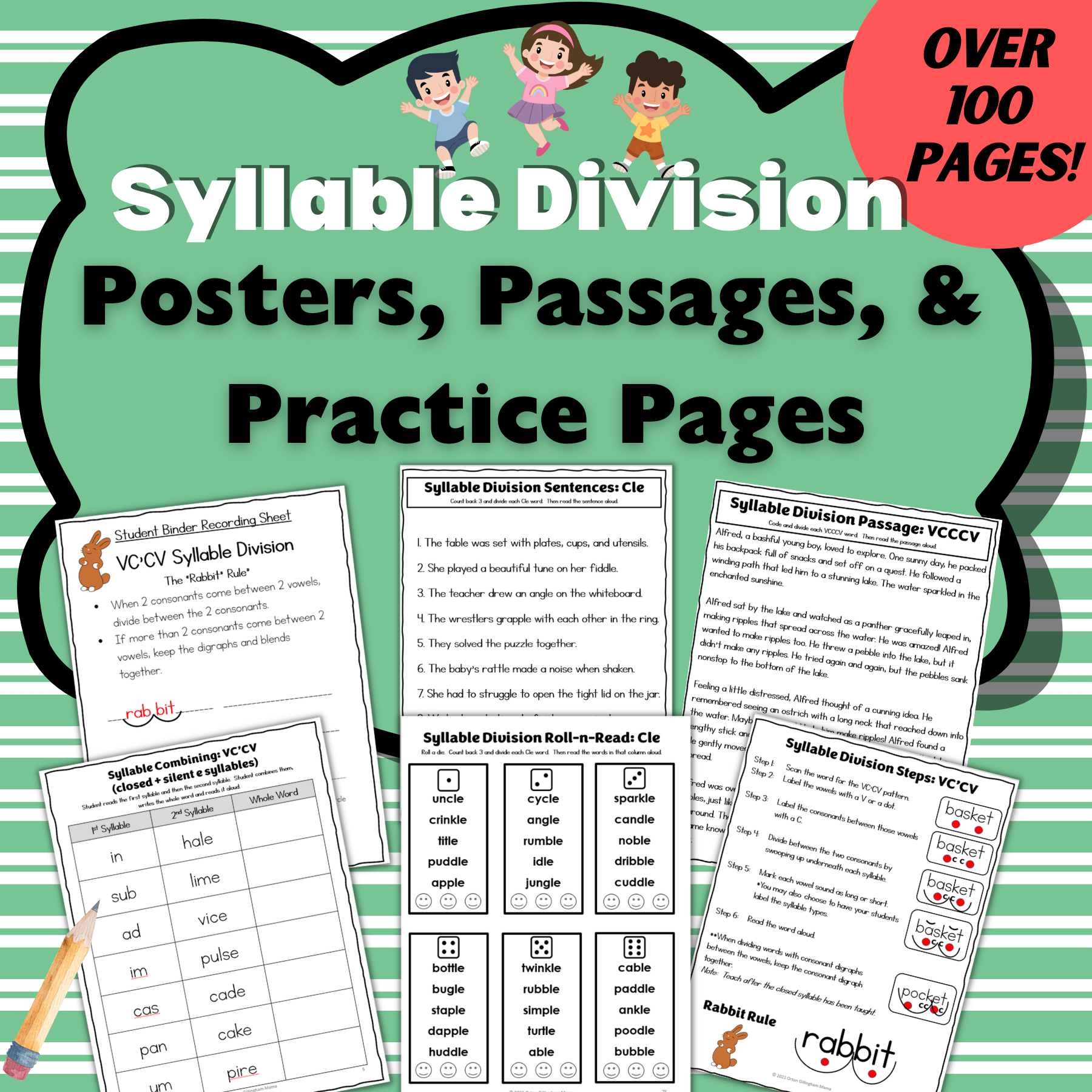
When looking for Kindergarten Skill Worksheets Covering Syllable Division Patterns, many online resources offer free or affordable printable options. Websites dedicated to educational resources often provide various worksheets tailored to different syllable patterns and skill levels.
Look for sites that allow you to download and print the worksheets immediately. Check for user reviews and recommendations to ensure the quality of the materials. Additionally, some resources might offer customizable worksheets that can be tailored to fit your students’ needs.
If you are teaching in a classroom or at home, these worksheets are an excellent way to enhance your child’s literacy skills. By incorporating interactive activities, assessing progress, and utilizing engaging resources, you can create a supportive learning environment that fosters a love for reading and writing.
With the right tools and strategies, you can make learning about syllables both enjoyable and effective, setting your kindergarteners on the path to reading success. Consider using colorful cardstock for durability, especially if you plan to laminate the worksheets for repeated use.