Kindergarten Skill Worksheets Covering Reading Digital Clocks
Understanding how to read digital clocks is an essential skill for kindergarteners, forming a foundation for time management and daily routines. These Kindergarten Skill Worksheets Covering Reading Digital Clocks are designed specifically to help young learners grasp the concept of time in a fun and engaging way. The worksheets are printable, making them accessible for both homeschooling and traditional classroom settings.
The Importance of Learning to Read Digital Clocks
Learning to read digital clocks is crucial for children as it helps them understand time in a modern context where digital devices are prevalent. Unlike traditional analog clocks, digital clocks display time in a straightforward numerical format, which can be easier for young learners to comprehend. Introducing this skill in kindergarten prepares children for daily activities, such as knowing when to start or end tasks, and helps instill a sense of time awareness.
Worksheet Layout and Features
The worksheets are thoughtfully designed with preschoolers in mind. Each page typically features a colorful layout to capture children’s attention and make learning enjoyable. Key features include:
- Clear Instructions: Each worksheet begins with simple, direct instructions. This clarity helps children understand what they’re expected to do without feeling overwhelmed.
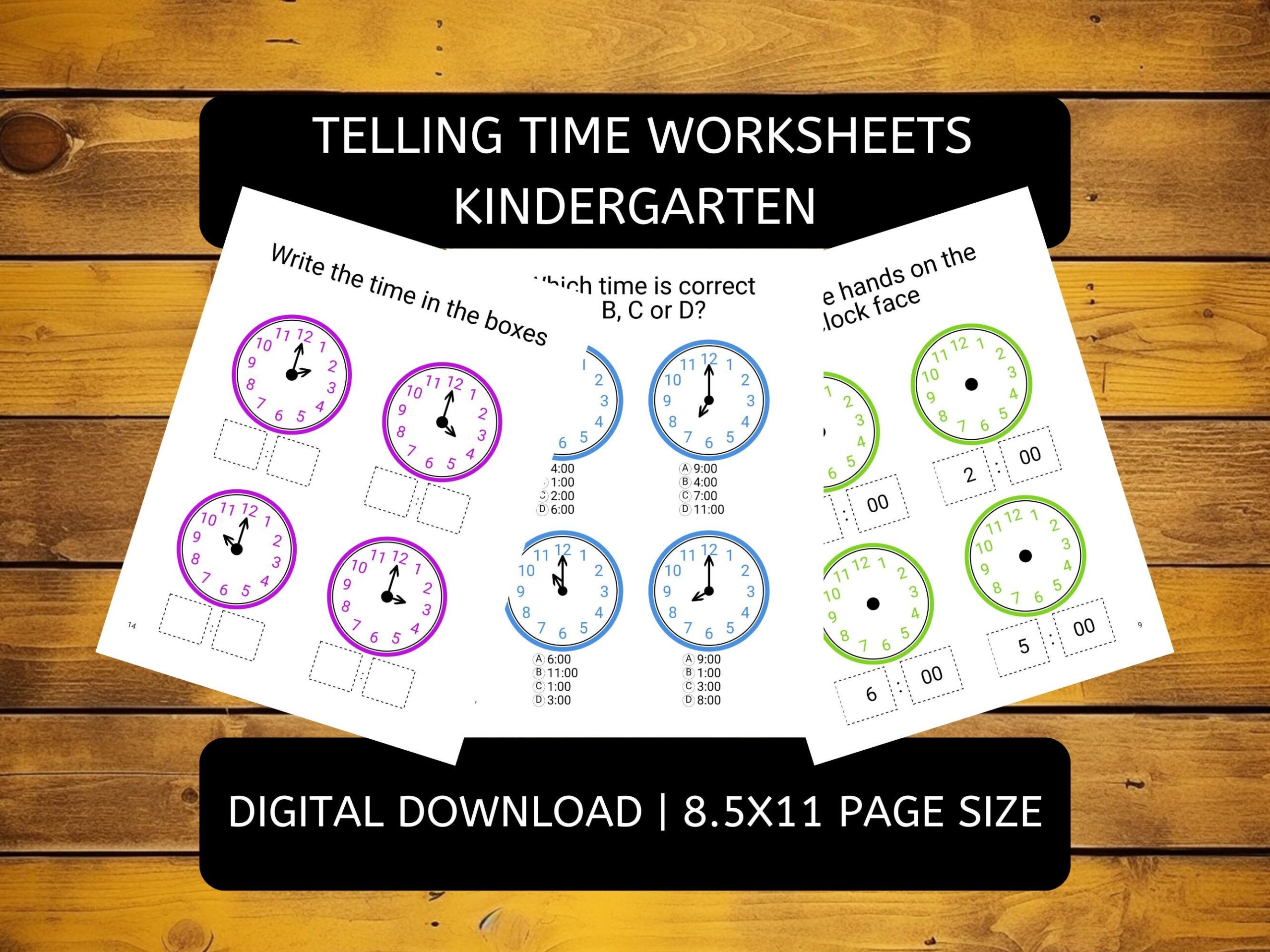
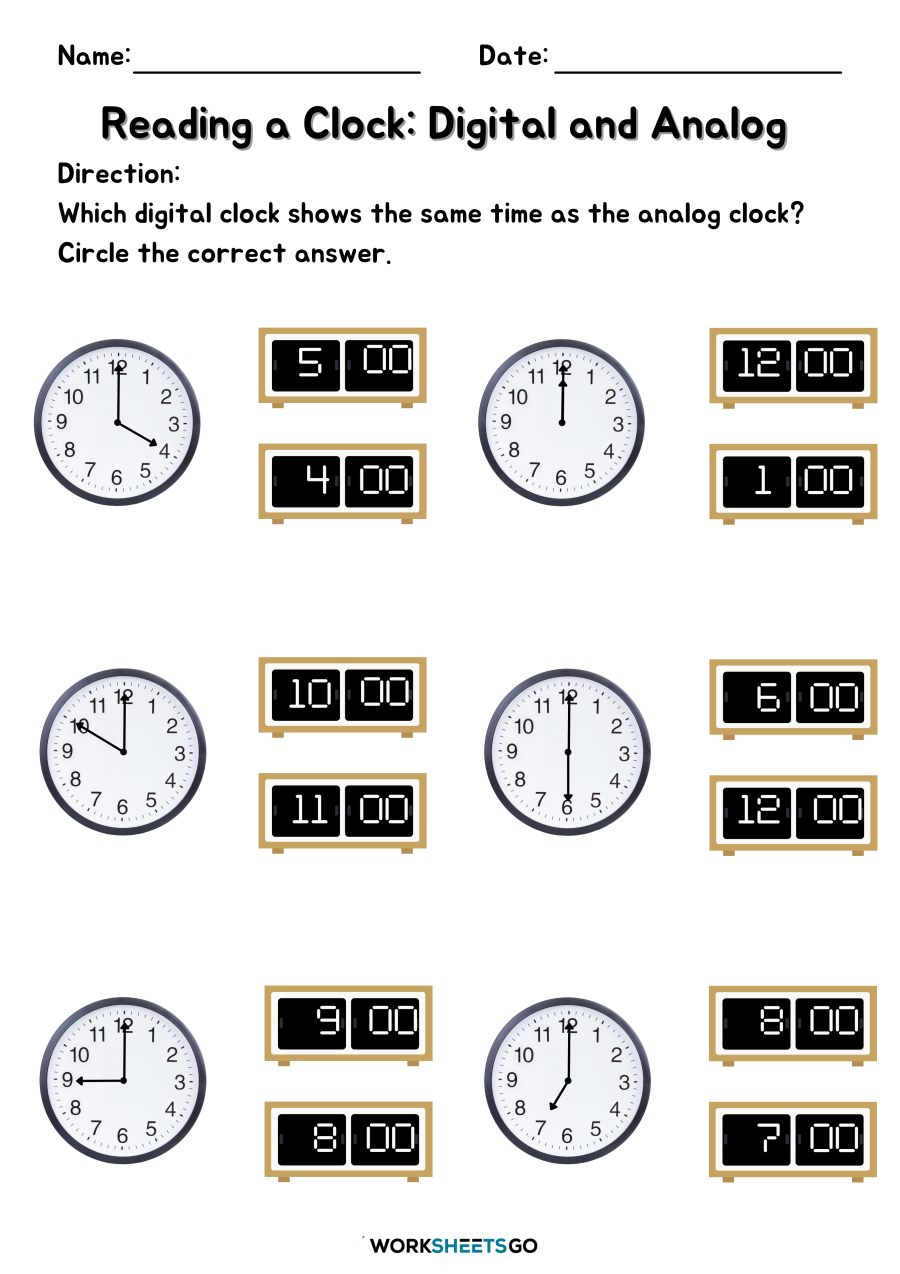
- Visual Aids: Many worksheets include images of digital clocks to assist in visual learning. For instance, a worksheet may show a clock displaying 3:00, alongside tasks that ask children to circle the correct time or draw hands on an analog clock to match.
- Interactive Elements: Some worksheets may incorporate activities like matching digital times to corresponding daily activities (e.g., “What time do we have lunch?”). This makes learning relevant and practical.
Types of Activities Included
The worksheets offer a variety of engaging activities to reinforce learning:
Time Matching
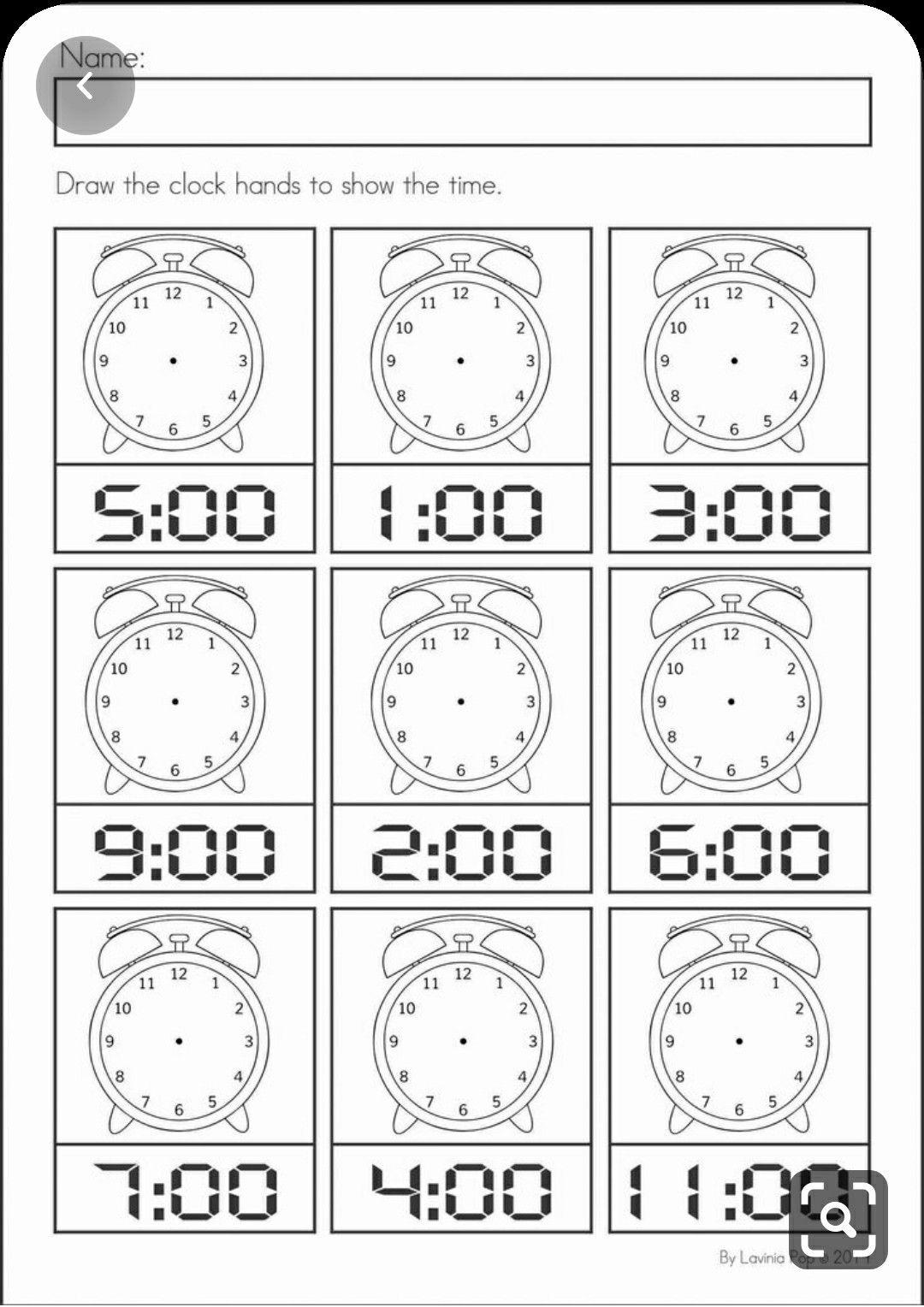
One common activity involves matching digital times with pictures of activities. For example, a child may see an image of a child going to bed at 8:00 PM next to a digital clock displaying 20:00. This helps children associate times with real-life scenarios, making the concept of time more relatable.
Fill-in-the-Blank Exercises
Some worksheets may include fill-in-the-blank sections where children can write down the time shown on a digital clock. This activity not only reinforces their understanding of time but also aids in developing writing skills as they practice forming numbers and letters.
Coloring Pages
To add a fun element, coloring pages can be integrated into the worksheets. Children might color in clocks showing different times as a way to visually engage with the material.
How to Use These Worksheets Effectively
Here are some practical tips for using the Kindergarten Skill Worksheets Covering Reading Digital Clocks in your home or classroom:
- Set a Routine: Introduce a specific time each day for your child to work on these worksheets. Consistency helps reinforce learning.
- Incorporate Real-Life Practice: Encourage children to look at digital clocks around the home or in public places. Ask them to read the time and relate it to their activities.
- Use a Variety of Resources: Pair these worksheets with digital clock toys or apps. Interactive learning tools can enhance engagement and understanding.
Printing and Materials Considerations
When preparing to print these worksheets, consider the following:
- Paper Type: Using cardstock can provide durability if your child will be using the worksheets multiple times. For one-time use, standard printer paper is sufficient.
- Print Settings: Opt for portrait layout, which is generally more suitable for worksheets. Ensure your printer settings are adjusted to print high-quality images for clarity.
- PDF Format: If the worksheets are available in PDF format, this is often the best choice for printing. PDFs maintain their formatting across different devices and printers, avoiding any potential reformatting issues.
Additional Resources to Enhance Learning
Beyond worksheets, there are several other tools and resources you can use to reinforce the concept of reading digital clocks:
- Digital Clock Apps: Many educational apps focus on teaching time. These can provide interactive experiences that complement the worksheets.
- Storybooks: Look for children’s books that include themes about time. Reading stories that incorporate time can spark discussions about daily routines and the importance of being punctual.
- Games and Activities: Incorporate games that involve timing, like timed races or cooking simple recipes, where children must read the clock to know when to start and finish.
By integrating the Kindergarten Skill Worksheets Covering Reading Digital Clocks with these additional resources and practical activities, you’ll create a comprehensive learning environment that not only teaches time but also makes it enjoyable for your child.
Consider printing a selection of worksheets for various skill levels to cater to different learners. With these tools, your child will be on their way to mastering the art of reading digital clocks, preparing them for a future where time management is key.