Kindergarten Skill Worksheets Covering Phoneme Counting
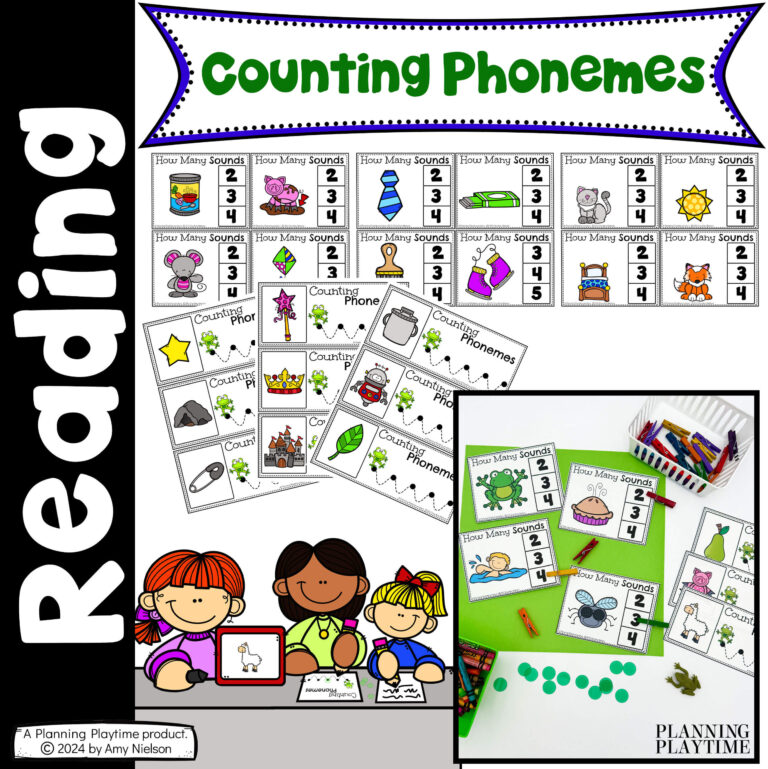
Phoneme counting is a foundational skill in early literacy, and the right resources can make all the difference in reinforcing this concept. Kindergarten skill worksheets covering phoneme counting serve as effective tools for teachers and parents alike, helping young learners identify and quantify the sounds in words. In this article, we’ll explore how to choose, download, print, set up, and effectively use these worksheets to support your students’ phonemic awareness.
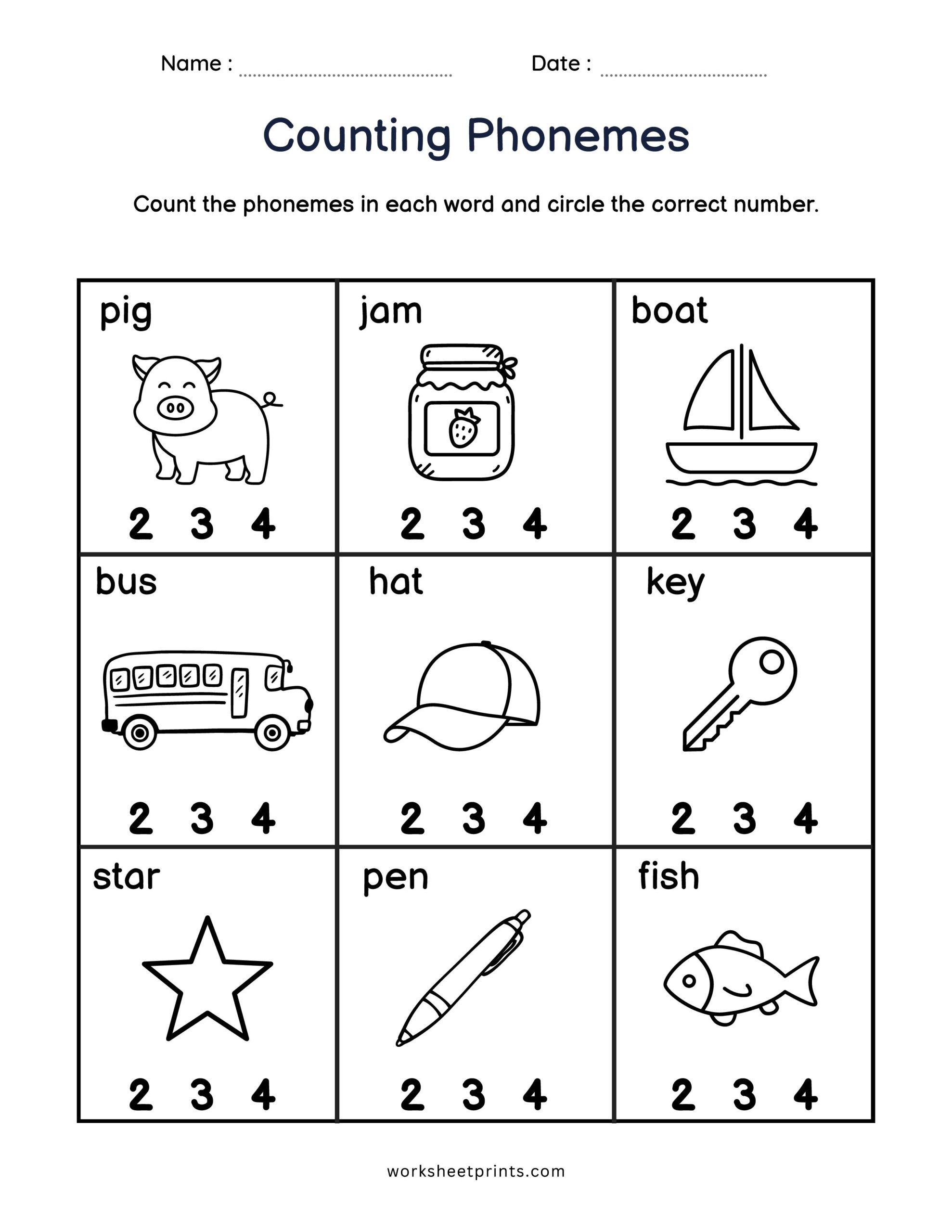
Understanding Phoneme Counting
Before diving into the worksheets, let’s clarify what phoneme counting entails. Phonemes are the smallest units of sound in a language, and counting them helps children develop their reading and spelling skills. For example, the word “cat” has three phonemes: /k/, /æ/, and /t/. When children learn to identify and count these sounds, they build a strong foundation for their literacy journey.
Why Focus on Phoneme Counting in Kindergarten?
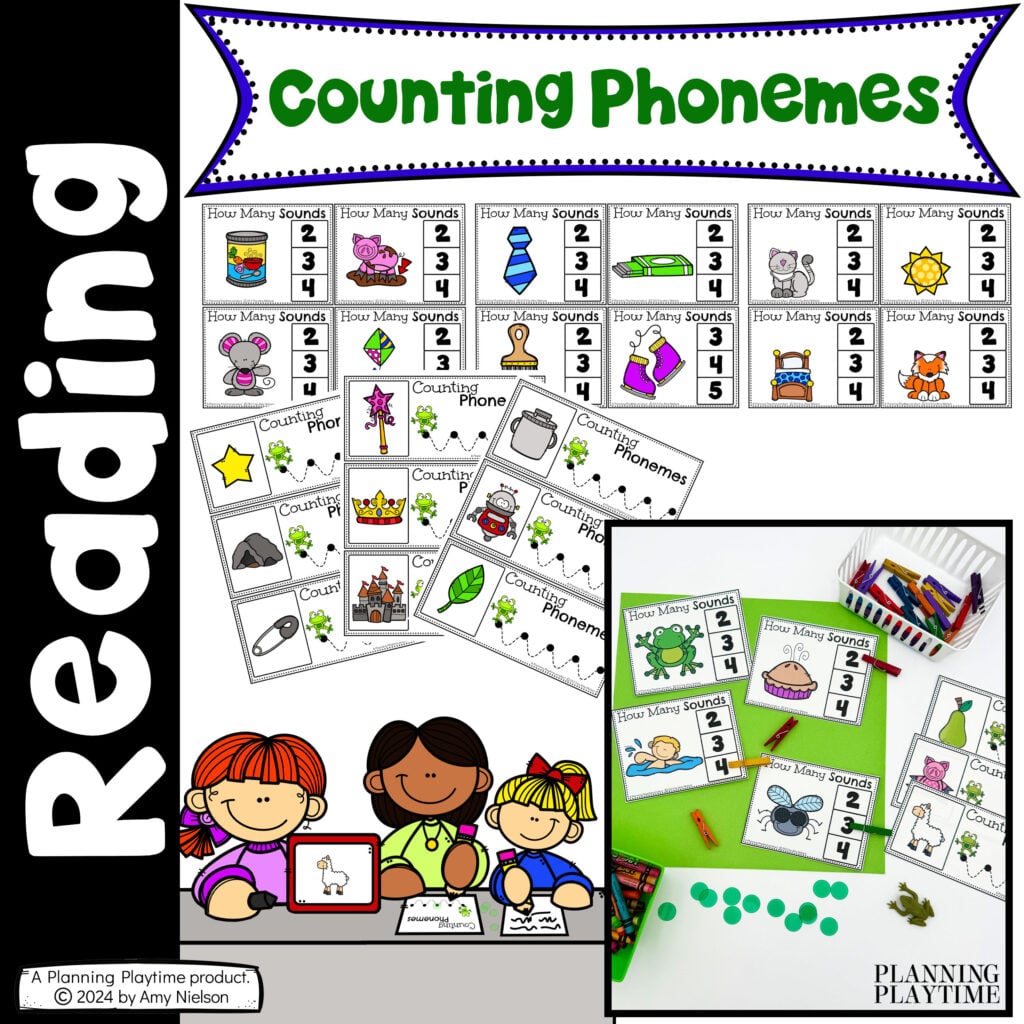
Kindergarten is a critical time for building literacy skills. Research shows that early phonemic awareness is a strong predictor of later reading success. By focusing on phoneme counting, you’re equipping your students with essential skills that will benefit them as they progress through their educational journey. Worksheets designed for this skill can help make the learning process engaging and interactive.
Choosing the Right Worksheets
When selecting worksheets for phoneme counting, consider the following factors to ensure they meet your teaching needs:
- Age Appropriateness: Look for worksheets specifically designed for kindergarten students. They should be visually appealing with simple language.
- Format: Choose between printable worksheets and digital versions that can be filled out online. Printable PDFs are often easier for classroom use, while digital formats may be more suitable for remote learning.
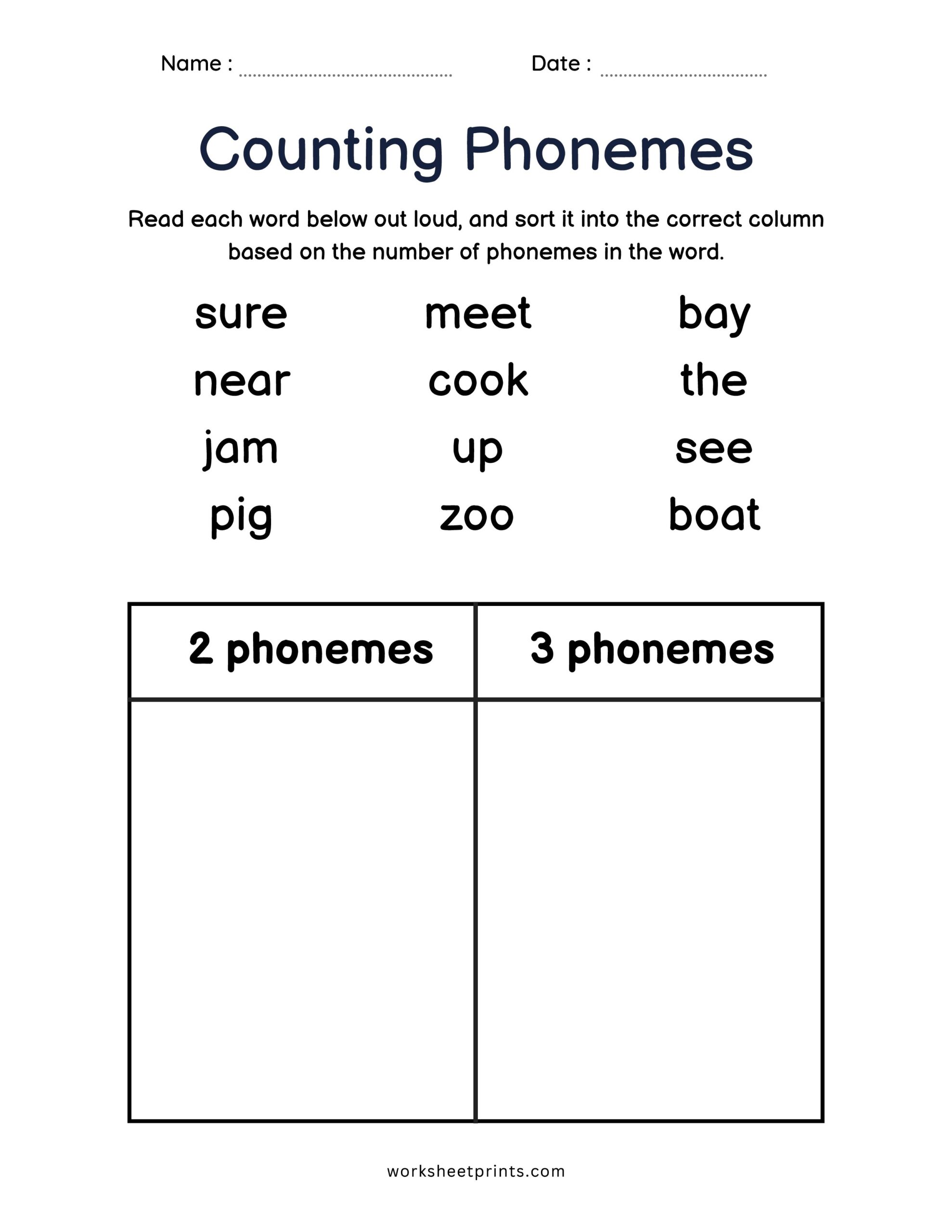
- Variety of Activities: Worksheets should include different types of exercises, such as counting phonemes in pictures, matching sounds to letters, or sorting words based on the number of phonemes.
You can find a variety of kindergarten skill worksheets covering phoneme counting on printable resource websites. Ensure the worksheets are aligned with your curriculum standards for the best results.
Downloading and Printing the Worksheets
Once you’ve chosen the right worksheets, the next step is to download and print them. Here’s a simple workflow to follow:
- Download: Click on the download link for the selected worksheet. Most resources offer PDFs, which are compatible with various devices and maintain formatting when printed.
- Print Settings: For best results, adjust your printer settings. Use portrait layout for worksheets, and select high-quality print settings to make the images and text clear.
- Paper Choice: Consider using cardstock if you plan to laminate the worksheets for durability. Otherwise, standard printer paper works well for everyday use.
Make sure to print enough copies for your class or home use, so each child has their own worksheet to work on.
Setting Up the Worksheets for Use
Now that you have your worksheets ready, it’s time to set them up for your students. Here are some tips to create an effective learning environment:
- Create a Phoneme Station: Designate a specific area in your classroom or home where students can work on their phoneme counting worksheets. This can help them focus and associate that space with learning.
- Use Manipulatives: Consider incorporating manipulatives like counters or blocks to help children visualize the phonemes they are counting. This can make the activity more interactive and engaging.
- Group Work: If you’re in a classroom setting, have students work in pairs or small groups. This encourages collaboration and allows them to discuss their thought processes, reinforcing their learning.
Monitoring Progress With Phoneme Counting Worksheets
As your students work through the kindergarten skill worksheets covering phoneme counting, it’s crucial to monitor their progress. Here’s how you can assess their understanding:
- Observation: Watch how students approach the worksheets. Are they able to identify and count phonemes independently, or do they require assistance?
- Check for Mastery: After students complete a worksheet, assess their answers. A mastery level would typically mean they correctly identified and counted phonemes in at least 80-90% of the exercises.
- Additional Practice: If a student struggles with phoneme counting, offer additional worksheets or targeted activities to reinforce the concept. Consider using different formats or types of exercises to keep them engaged.
Incorporating Phoneme Counting Into Daily Activities
To further enhance phoneme counting skills, integrate these activities into your daily routine:
- Sound Games: Play games that involve identifying the first sound in a word or clapping for each phoneme in a word. These activities can make learning fun and reinforce the skill in a playful way.
- Storytime: During storytime, ask students to listen for specific sounds or phonemes as you read aloud. This helps them connect phoneme counting with auditory skills.
- Crafts: Use crafts that involve creating words or sounds. For example, have students decorate a “phoneme tree” where they can hang words that contain specific sounds.
These additional activities can help solidify the concept of phoneme counting and make learning more dynamic.
By utilizing kindergarten skill worksheets covering phoneme counting effectively, you can provide your students with the tools they need to succeed in reading and writing. Remember, the key is to make the learning experience engaging and interactive, allowing children to explore phonemic awareness in a supportive environment. One practical tip to remember is to use visuals and manipulatives alongside the worksheets — this approach can significantly enhance understanding and retention.