Kindergarten Skill Worksheets Covering Consonant Digraph Identification
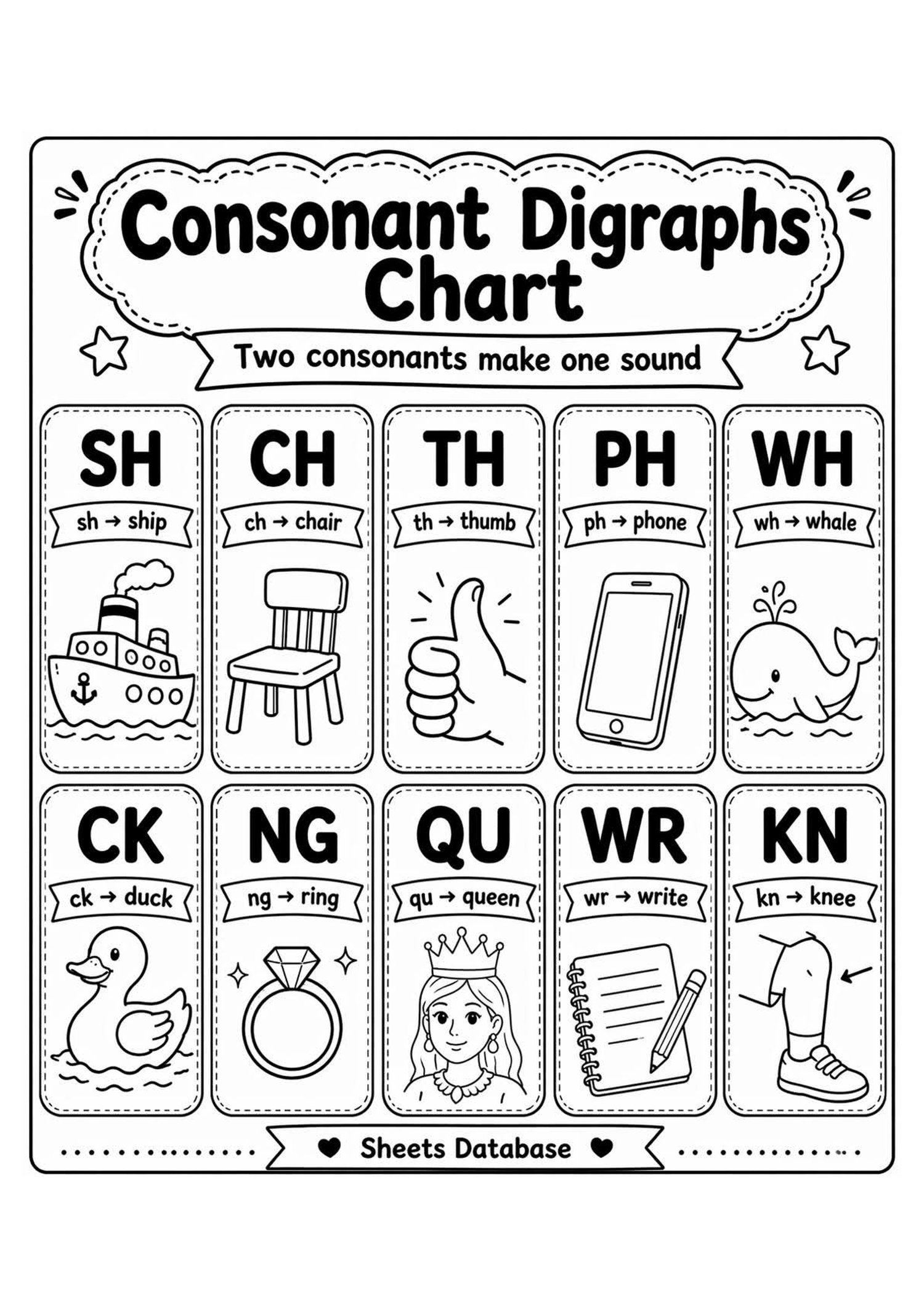
Teaching children to identify consonant digraphs is an essential part of developing their reading skills. Consonant digraphs, like “ch,” “sh,” and “th,” combine two letters to create a single sound, making them particularly important for early literacy development. These Kindergarten Skill Worksheets Covering Consonant Digraph Identification are designed to help young learners recognize and practice these sounds in a fun and engaging way.
Understanding Consonant Digraphs
Before diving into the worksheets, it’s crucial to understand what consonant digraphs are and why they matter. A consonant digraph is a combination of two consonants that together produce one sound. For example, in the word “ship,” the “sh” creates a unique sound that differs from just “s” or “h.” Teaching children to recognize these sounds helps build their phonemic awareness, which is a foundational skill for reading.
Why Use Worksheets?
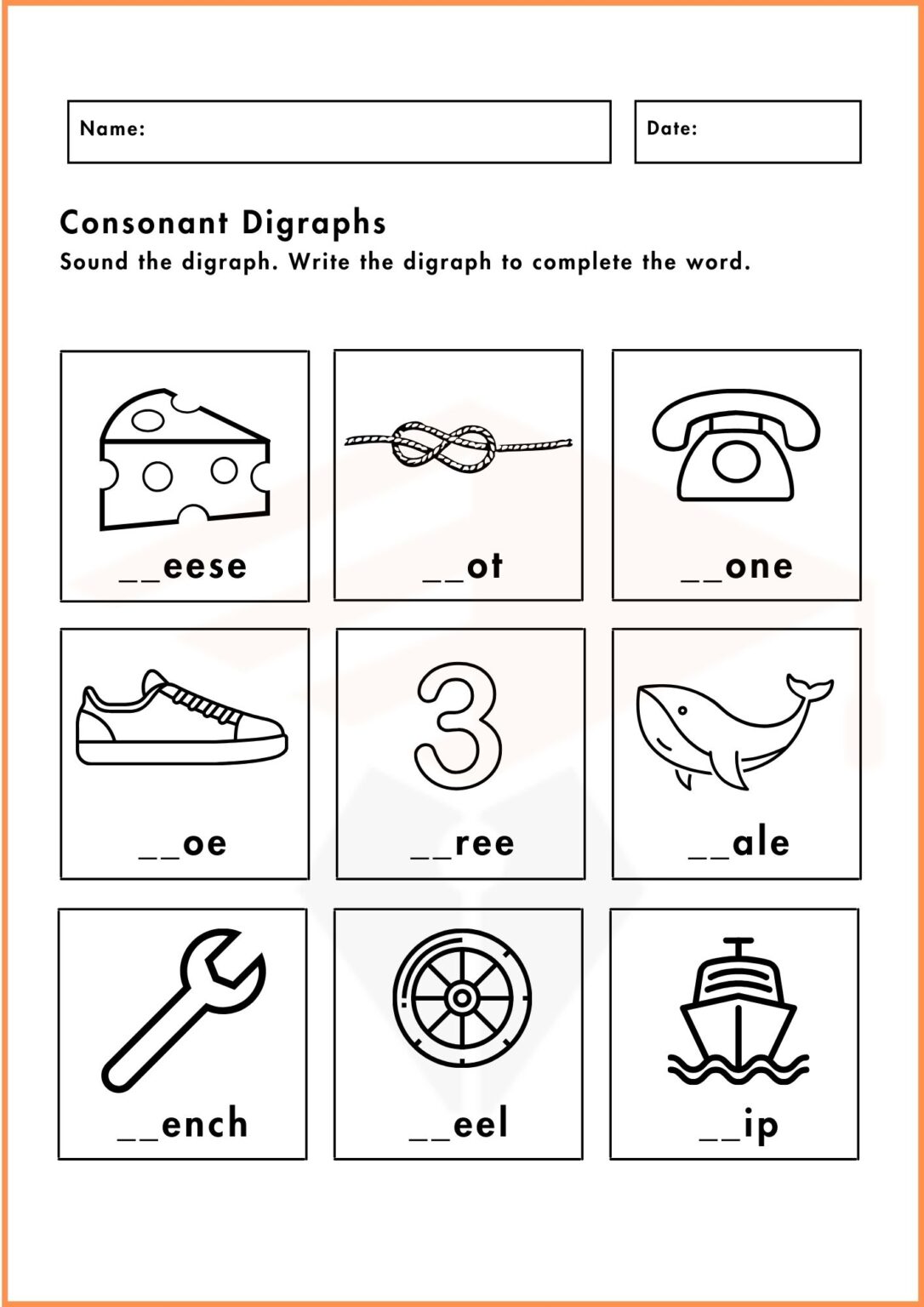
Worksheets offer structured practice that can reinforce what children learn in the classroom or at home. They provide a tangible way for children to engage with consonant digraphs through various activities, which can cater to different learning styles. From coloring to tracing to filling in the blanks, worksheets can make learning interactive and enjoyable.
Selecting the Right Worksheets
When choosing worksheets for consonant digraph identification, consider these factors:
- Age Appropriateness: Ensure the worksheets are designed for kindergarteners. They should be visually engaging and not overwhelming.
- Variety of Activities: Look for worksheets that include a mix of activities—matching, tracing, and coloring—so children can experience consonant digraphs in multiple contexts.
- Clear Instructions: The worksheets should have simple, clear instructions that children can follow independently or with minimal guidance.
Recommended Activities
Here are some specific activities you can find in effective worksheets:
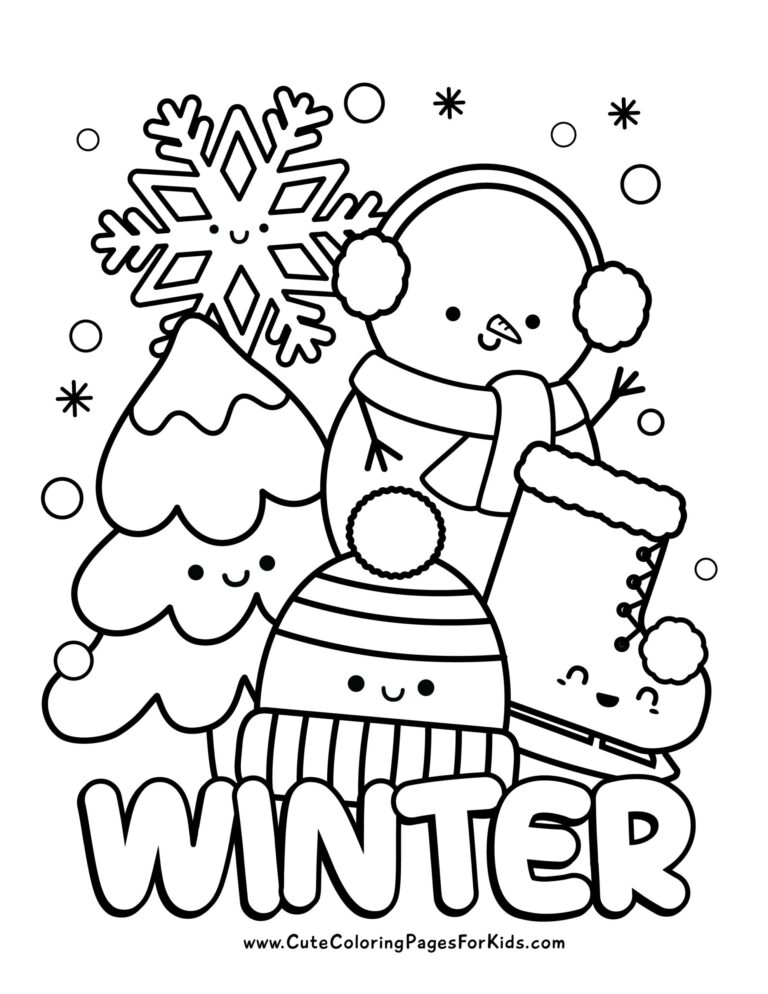
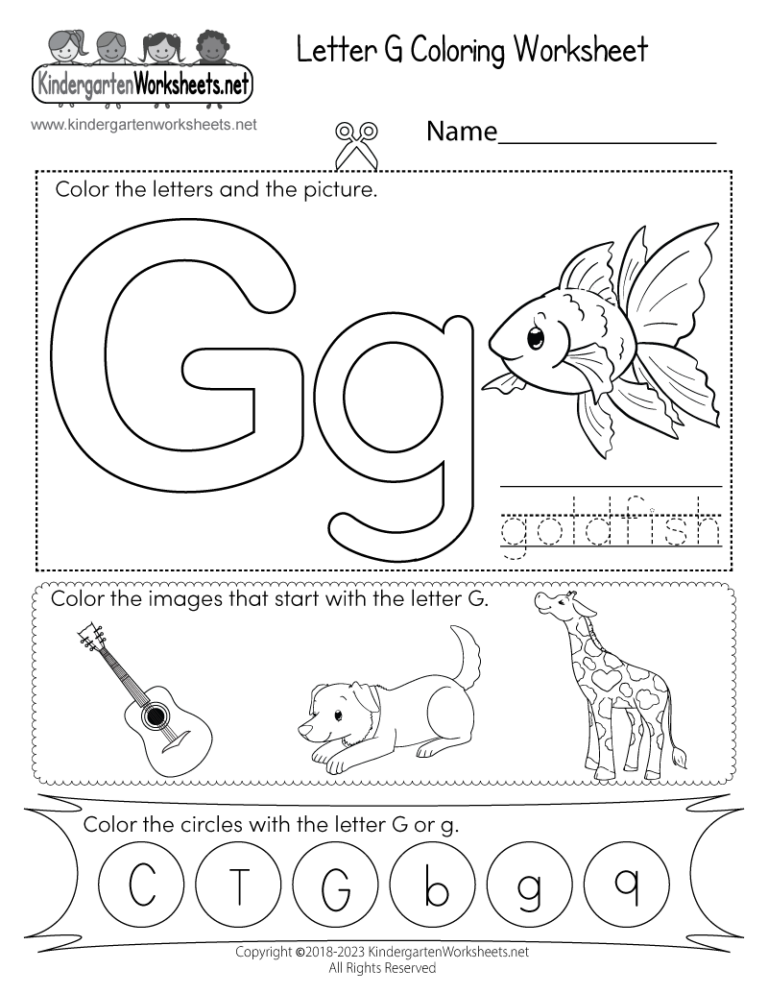
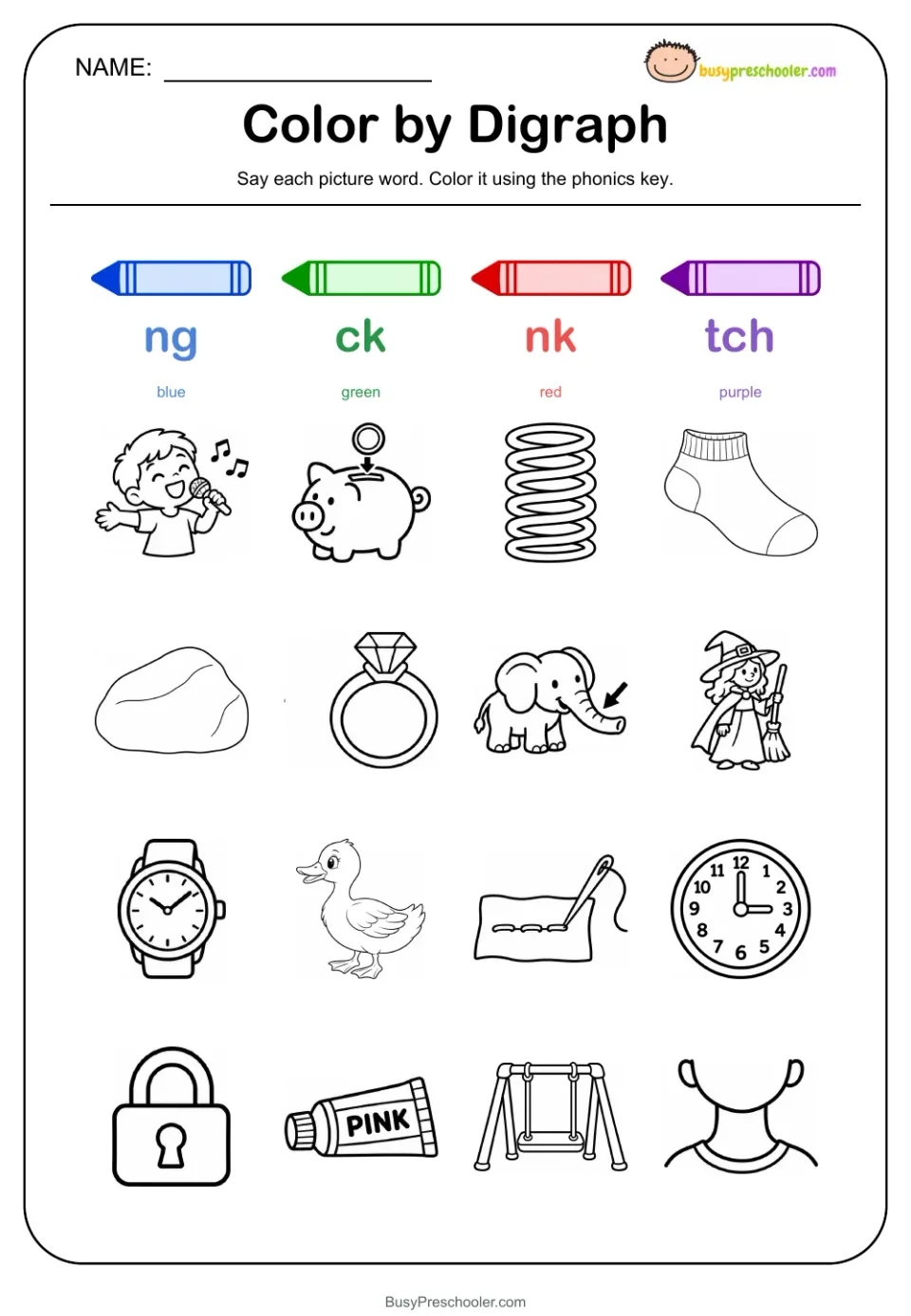
- Coloring Pages: Worksheets that allow children to color pictures that start with consonant digraphs make learning playful. For instance, a picture of a “chick” can reinforce the “ch” sound.
- Tracing Words: Tracing helps children practice writing while also reinforcing the sound of the digraph. Look for worksheets that have words like “shark” or “thimble” for children to trace.
- Matching Games: Activities where children match digraphs with corresponding images or words help solidify their understanding through visual association.
Setting Up the Worksheets for Use
Once you’ve downloaded your worksheets, setting them up for classroom or home use is essential for maximizing their effectiveness.
- Print in Color: If possible, print the worksheets in color. This makes them more visually appealing and engaging for young learners.
- Use Cardstock: For worksheets that will be reused or laminated, consider printing on cardstock. This material holds up better than standard printer paper.
- Organize by Theme: If you have multiple worksheets covering different digraphs, organize them by theme or sound. This way, you can introduce the digraphs progressively.
Tips for Successful Implementation
To make the most out of these worksheets, consider the following tips:
- Incorporate into Daily Routine: Use the worksheets as part of a daily or weekly routine. This consistency helps reinforce learning.
- Monitor Progress: As children complete each worksheet, take the time to review their answers. This will help you identify which digraphs they’ve mastered and which may require more practice.
- Encourage Group Work: If in a classroom setting, encourage children to work in pairs or small groups. This collaboration can foster discussion and deeper understanding.
Tracking Progress and Mastery
One of the key aspects of using Kindergarten Skill Worksheets Covering Consonant Digraph Identification is assessing and tracking progress. Here are some effective strategies:
- Completion Checklists: Create a simple checklist to track which worksheets each child has completed. This will help you see their engagement levels.
- Assessment Rubrics: Develop a rubric that outlines what mastery looks like for each digraph. For instance, if a child can correctly identify and pronounce words with the “ch” sound in three out of four attempts, they’re likely grasping the concept.
- Feedback Sessions: Schedule regular feedback sessions where you can discuss progress with students. This not only helps them understand their learning journey but also motivates them to improve.
Mastery Indicators
Look for these signs to determine if a child has mastered consonant digraph identification:
- Correct Sound Production: The child can reliably produce the sound of the digraph when prompted.
- Word Recognition: They can identify words that contain the digraph in both written and spoken forms.
- Spelling Ability: The child can spell simple words that include the consonant digraph correctly.
These indicators will guide your instruction and help you tailor further activities to meet each child’s needs.