Kindergarten Skill Worksheets Covering Compound Word Construction
In a bright and lively classroom, Ms. Thompson watches her kindergarten students as they enthusiastically work on their latest project. Today, they’re diving into the world of compound words using the Kindergarten Skill Worksheets Covering Compound Word Construction. These worksheets not only capture the children’s interest but also help them build foundational language skills through engaging activities. Let’s explore how these resources can be effectively utilized in both classroom and home settings.
Understanding Compound Words
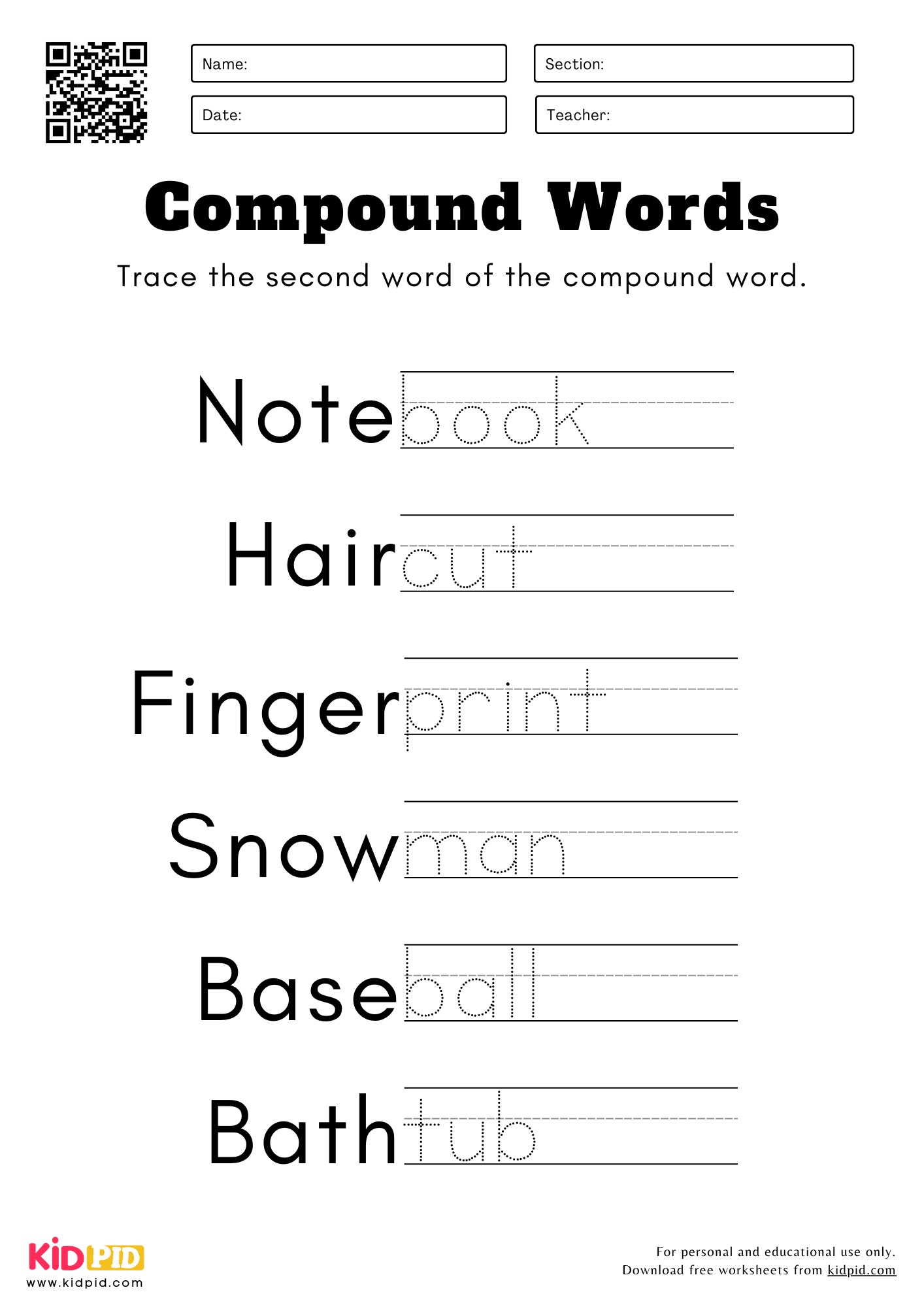
Before diving into the worksheets, it’s essential to understand what compound words are. Simply put, a compound word is formed when two individual words are combined to create a new word with its own meaning. For example, “tooth” and “brush” come together to form “toothbrush.” Teaching children about compound words helps them enhance their vocabulary and spelling skills, making reading more enjoyable and fluent.
Benefits of Using Worksheets for Compound Word Construction
Using Kindergarten Skill Worksheets Covering Compound Word Construction offers several key benefits:
- Structured Learning: Worksheets provide a clear structure for children to practice and reinforce their understanding of compound words.
- Variety of Activities: Engaging activities such as matching, fill-in-the-blanks, and word searches keep learning fun and interactive.
- Repetition for Mastery: Regular practice helps solidify the concept in young minds, ensuring they can recognize and use compound words effectively.
How to Use the Worksheets Effectively
Set Up a Learning Schedule
To maximize the effectiveness of these worksheets, consider spreading the activities over a week rather than doing them all in one sitting. This approach allows children to absorb the information better. For example:
- Day 1: Introduce the concept of compound words and complete the first worksheet, focusing on identifying compound words.
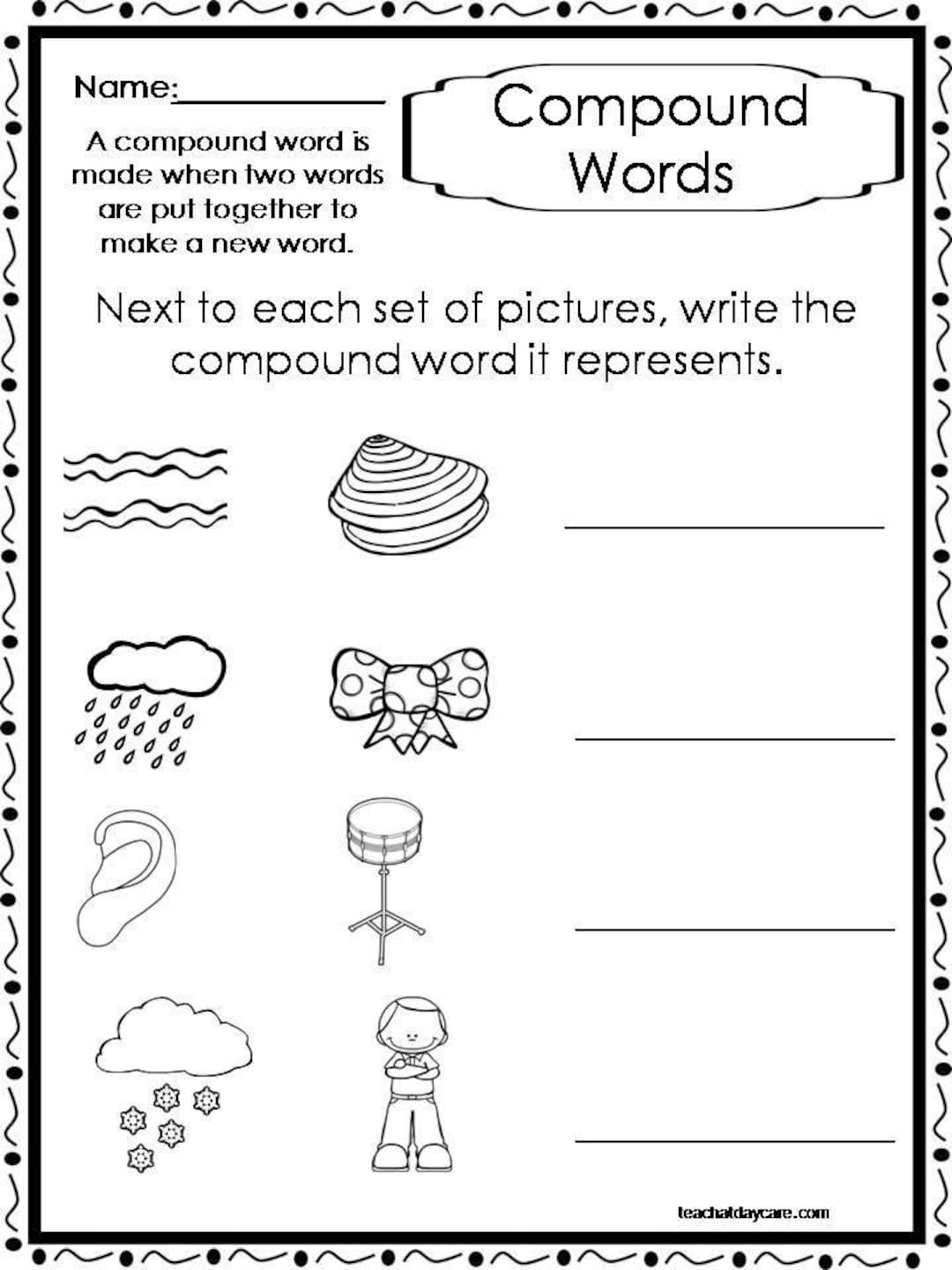
- Day 2: Use a different worksheet that requires them to match pictures with the correct compound words.
- Day 3: Engage in a fun activity where children create their own compound words using provided pictures or words.
- Day 4: Review the compound words learned so far with a worksheet that includes fill-in-the-blank sentences.
- Day 5: Wrap up the week with a fun coloring page featuring compound words, allowing for creativity while reinforcing learning.
Create a Comfortable Learning Environment
Ensure that the learning space is comfortable and free from distractions. A quiet corner with enough light can make a significant difference. Have all necessary supplies ready, such as crayons, markers, and scissors, if the worksheets involve cutting and pasting.
Incorporate Group Activities
If you’re using these worksheets in a classroom setting, consider pairing students for some activities. This not only fosters collaboration but also allows children to learn from one another. For instance, in a matching game, one child can read out the words while the other finds the corresponding images.
Types of Activities Found in the Worksheets
Matching Games
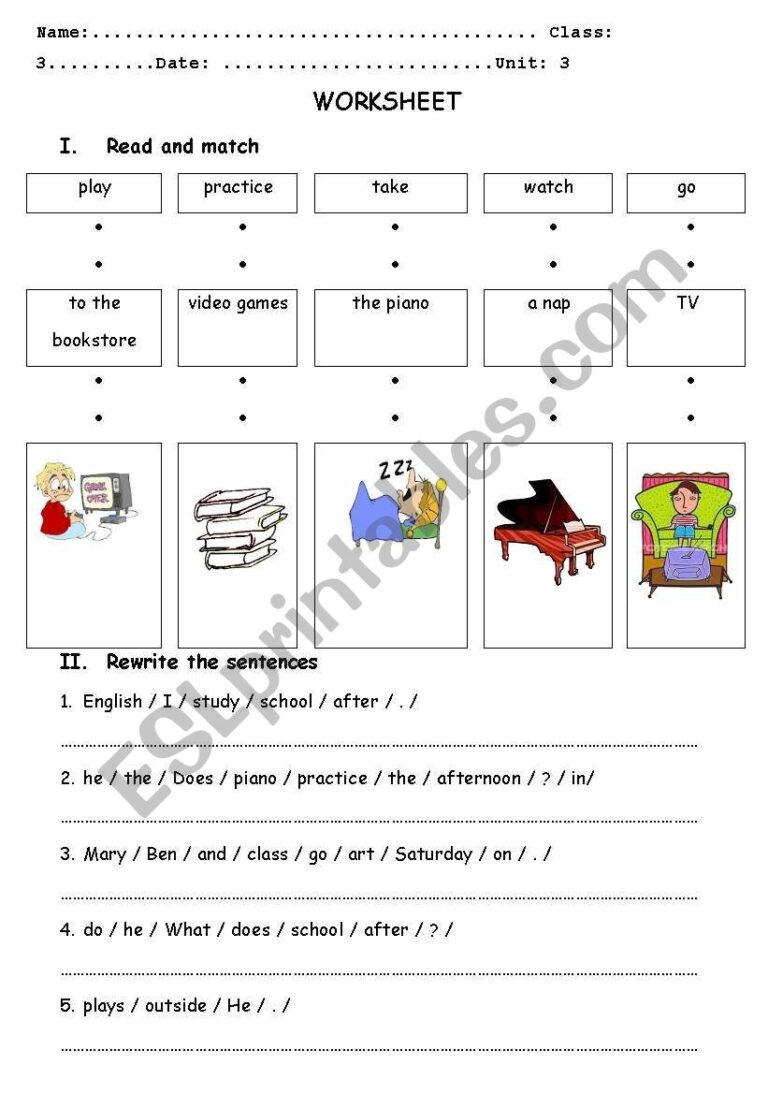
Many worksheets feature matching activities where children draw lines between words and their corresponding pictures. This visual association reinforces their understanding of compound words and helps them visualize the concepts.
Fill-in-the-Blanks
Worksheets that include fill-in-the-blank sentences encourage children to think critically about which compound word fits best. This practice sharpens their comprehension skills, making them more adept at using language.
Creative Composition
Some worksheets may prompt students to create their own compound words or sentences. This activity not only enhances their creativity but also allows them to apply their understanding in a practical context.
Tips for Parents and Teachers
When using Kindergarten Skill Worksheets Covering Compound Word Construction, here are some practical tips to enhance learning:
- Use Real-World Examples: Point out compound words in everyday life. For example, when reading a book, highlight words like “sunflower” or “basketball.”
- Praise Efforts: Always encourage children by praising their efforts, no matter how small. This boosts their confidence and motivation to learn.
- Monitor Progress: Keep track of their progress throughout the week. You can do this by reviewing completed worksheets together and discussing any mistakes.
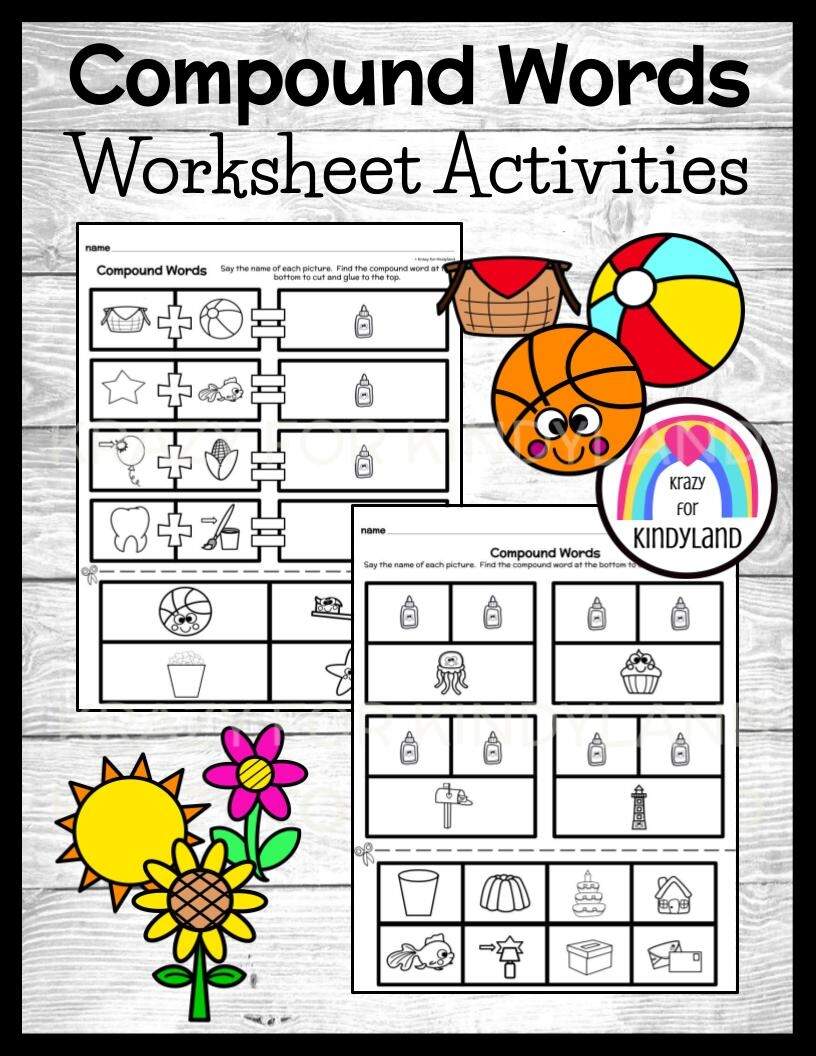
Repetition and Reinforcement
Repetition is key in early learning. By revisiting the worksheets over several days, children can reinforce their understanding of compound words. Consider creating a simple chart to track which compound words they have mastered, giving them a sense of achievement as they progress.