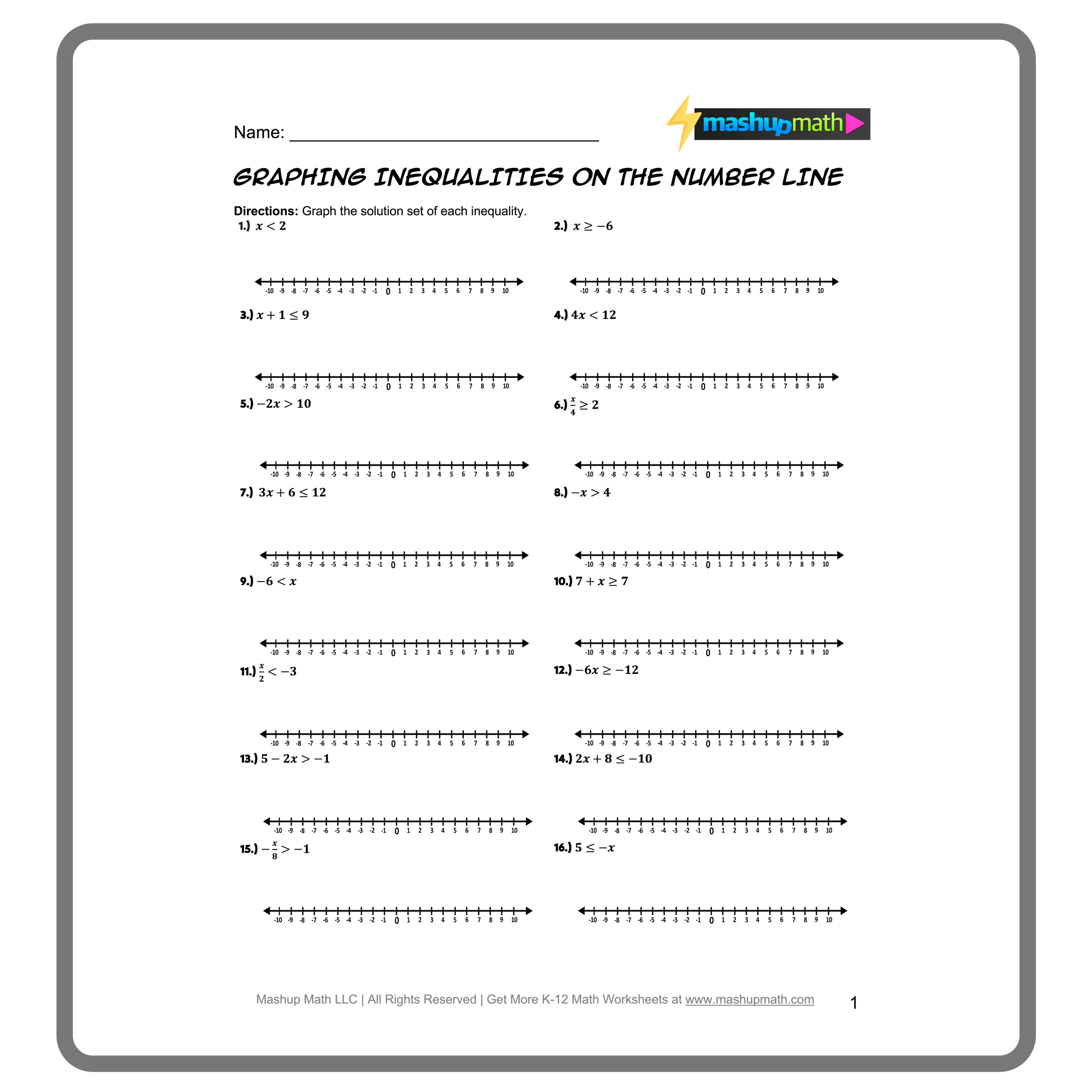
Free Printable Preschool Solving Inequalities Exercises
As Sarah sat at the kitchen table with her four-year-old son, she watched him struggle to understand the concept of greater than and less than. They were working on some simple math exercises, but he seemed to lose interest quickly. That’s when she remembered the Free Printable Preschool Solving Inequalities Exercises she had downloaded last week. These exercises could transform their learning time into a fun-filled experience while helping him grasp foundational math concepts.
Understanding Inequalities for Preschoolers
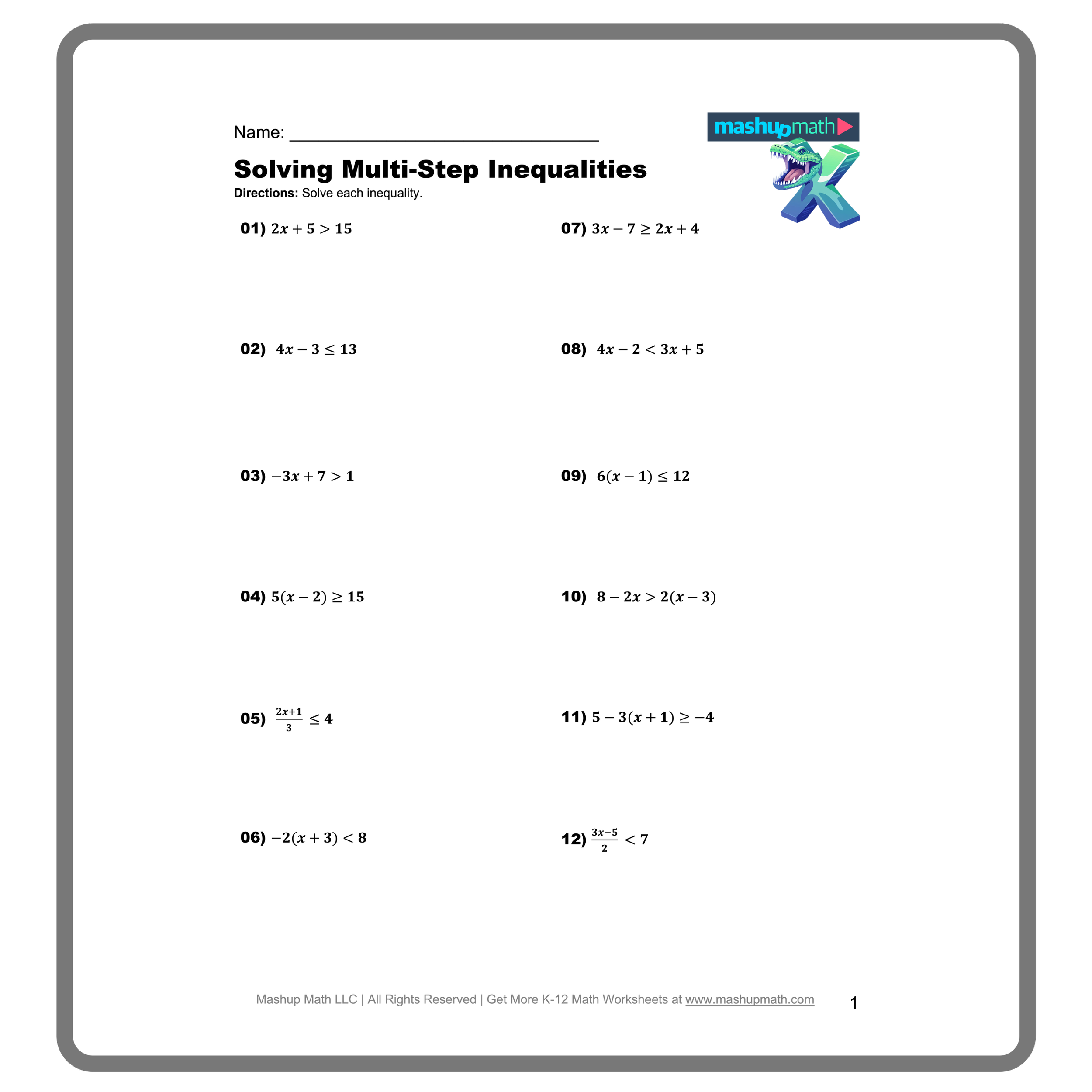
Inequalities can be a challenging concept for young learners, but introducing them through engaging activities can make a significant difference. When teaching preschoolers about inequalities, it’s essential to start with concrete examples they can relate to, such as comparing the number of apples in two baskets or the size of different toys.
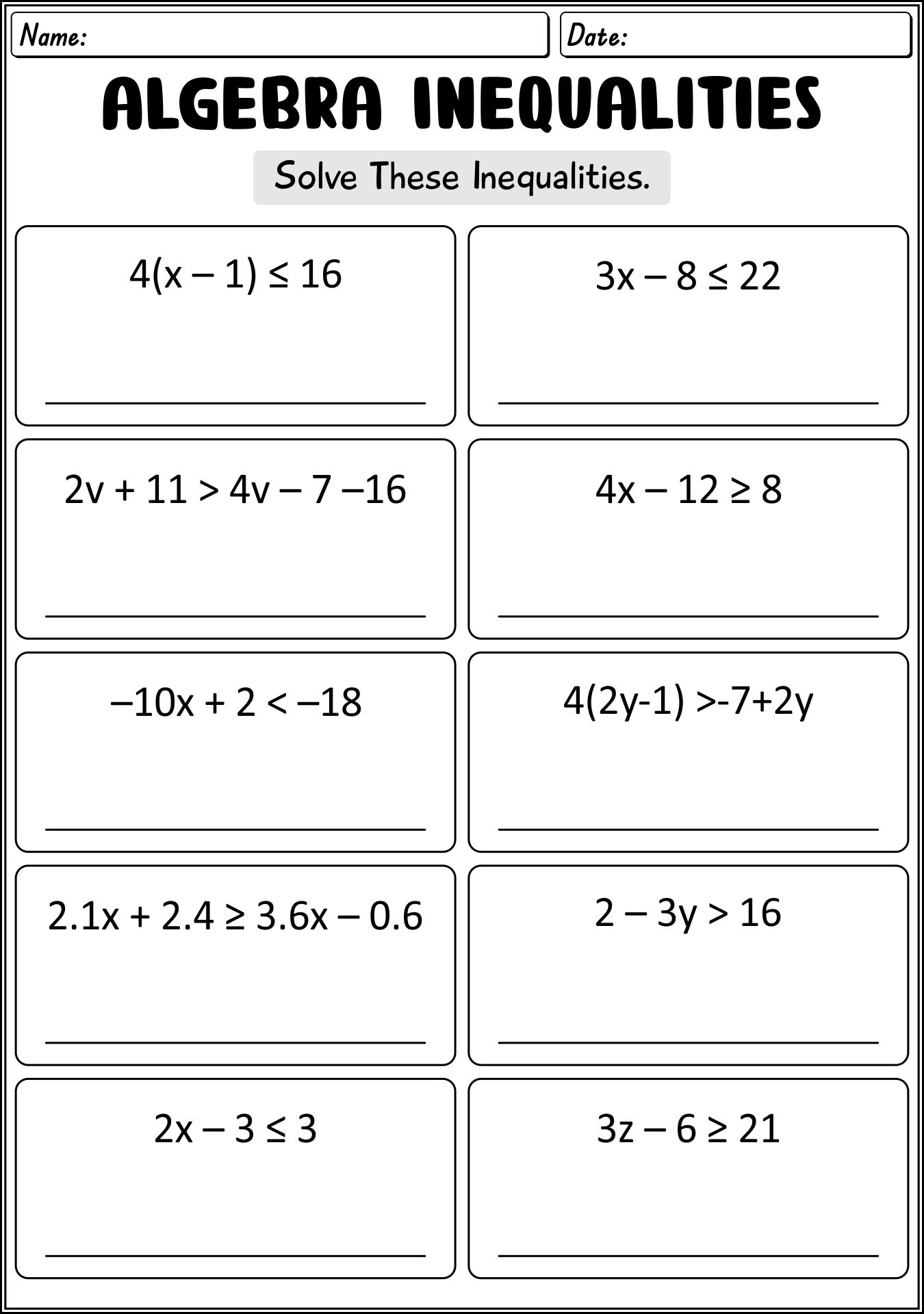
The Free Printable Preschool Solving Inequalities Exercises provide various worksheets that include colorful visuals and simple instructions. These resources are designed to make learning about inequalities enjoyable and interactive for young children.
How to Use the Printable Exercises at Home
- Set Up a Comfortable Workspace: Create a designated area for learning that is free from distractions. A quiet corner of the kitchen or a cozy spot in the living room can work wonders. Ensure you have all the necessary materials, such as colored pencils, markers, and the printed worksheets.
- Introduce the Concept: Start by explaining the symbols used in inequalities: the greater than (>) and less than (<) signs. Use real-life examples to illustrate these concepts. For instance, if you have five toy cars and your child has three, you can visually demonstrate that five is greater than three.
- Engage with Visual Aids: The worksheets often include images that help illustrate the concept of inequalities. Encourage your child to color in the pictures or use small objects, like blocks or counters, to represent the numbers being compared. This tactile approach can enhance their understanding.
- Practice Together: Sit down with your child and go through the worksheets. Ask guiding questions as they work through each exercise, such as “Which number is bigger?” or “Can you show me with your toys which group has more?” This interaction reinforces their learning and keeps them engaged.
- Track Progress: Keep a folder or binder to store completed worksheets. This not only helps track your child’s progress but also allows them to see how much they’ve learned over time. Celebrate their achievements, no matter how small, to encourage continued enthusiasm for learning.
Incorporating Games and Activities
To further solidify the understanding of inequalities, you can incorporate fun games alongside the worksheets. Here are some ideas:
- Inequality Bingo: Create bingo cards with different numbers. Call out inequalities (e.g., “greater than 4”) and have your child cover the corresponding number on their card. This game combines fun with learning and keeps them actively engaged.
- Sorting Games: Use various household items like buttons or toys. Ask your child to sort them into groups, comparing the quantities. Discuss which group has more or fewer items. This hands-on activity reinforces the concept while making it relatable.
- Obstacle Course: Set up an obstacle course that requires your child to follow commands based on inequalities. For example, “Jump over the smaller pile of pillows if it’s less than three!” This physical activity helps reinforce learning through movement.
Tips for Effective Learning
- Be Patient: Every child learns at their own pace. If your child struggles with a concept, take a break and revisit it later.
- Use Positive Reinforcement: Praise their efforts, regardless of the outcome. Encouragement can boost their confidence and motivate them to tackle new challenges.
- Limit Worksheets: While the Free Printable Preschool Solving Inequalities Exercises are valuable, don’t overwhelm your child with too many worksheets at once. A few focused exercises can be more effective than a pile of papers.