Free Preschool Worksheets About Phoneme Counting
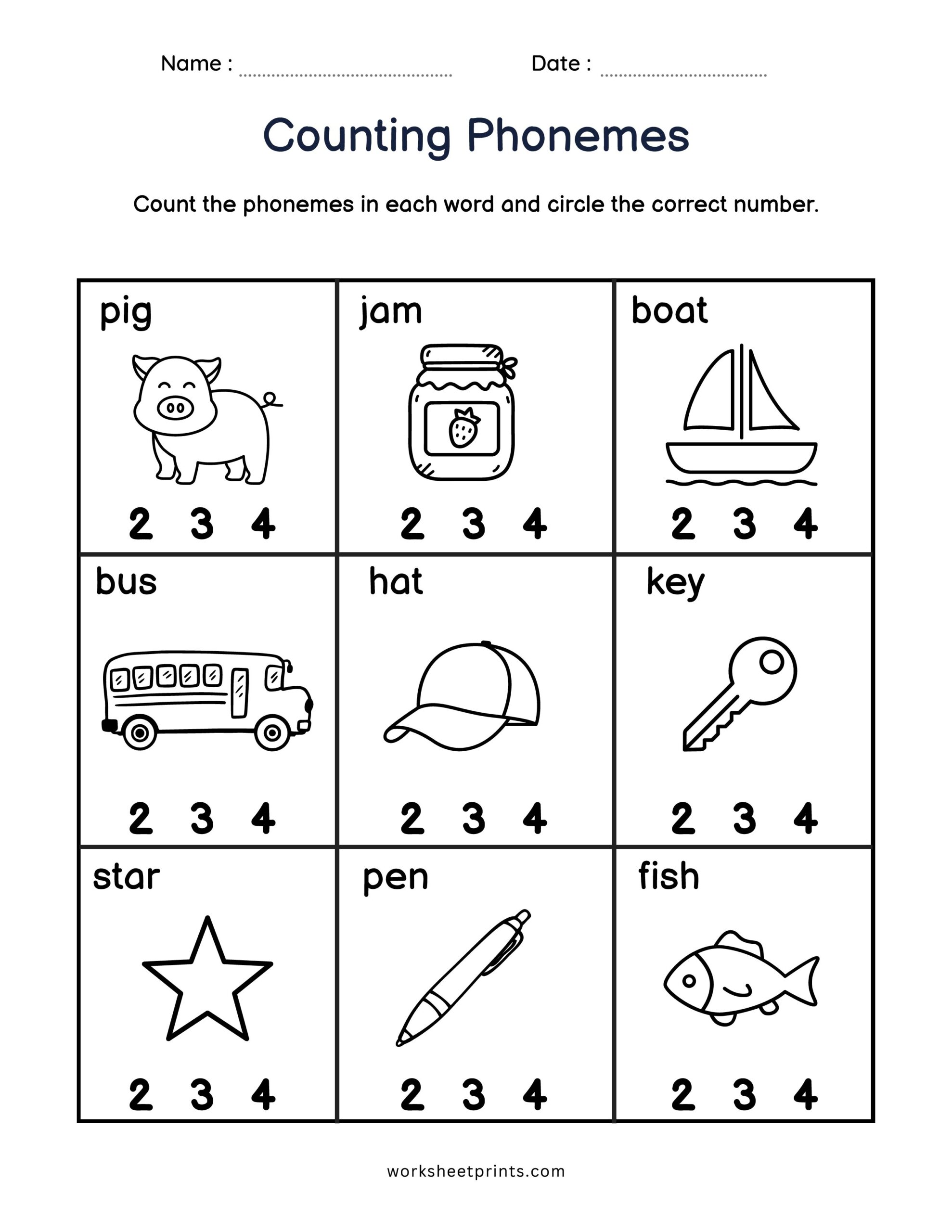
Phoneme counting is a foundational skill for preschoolers learning to read. It focuses on recognizing and manipulating the sounds in spoken words, which is crucial for developing reading proficiency. Our Free Preschool Worksheets About Phoneme Counting offer engaging activities that help young learners practice this essential skill in a fun and interactive way. These worksheets are specifically designed to support teachers and parents in enhancing their children’s phonemic awareness through practical exercises.
Understanding Phoneme Counting
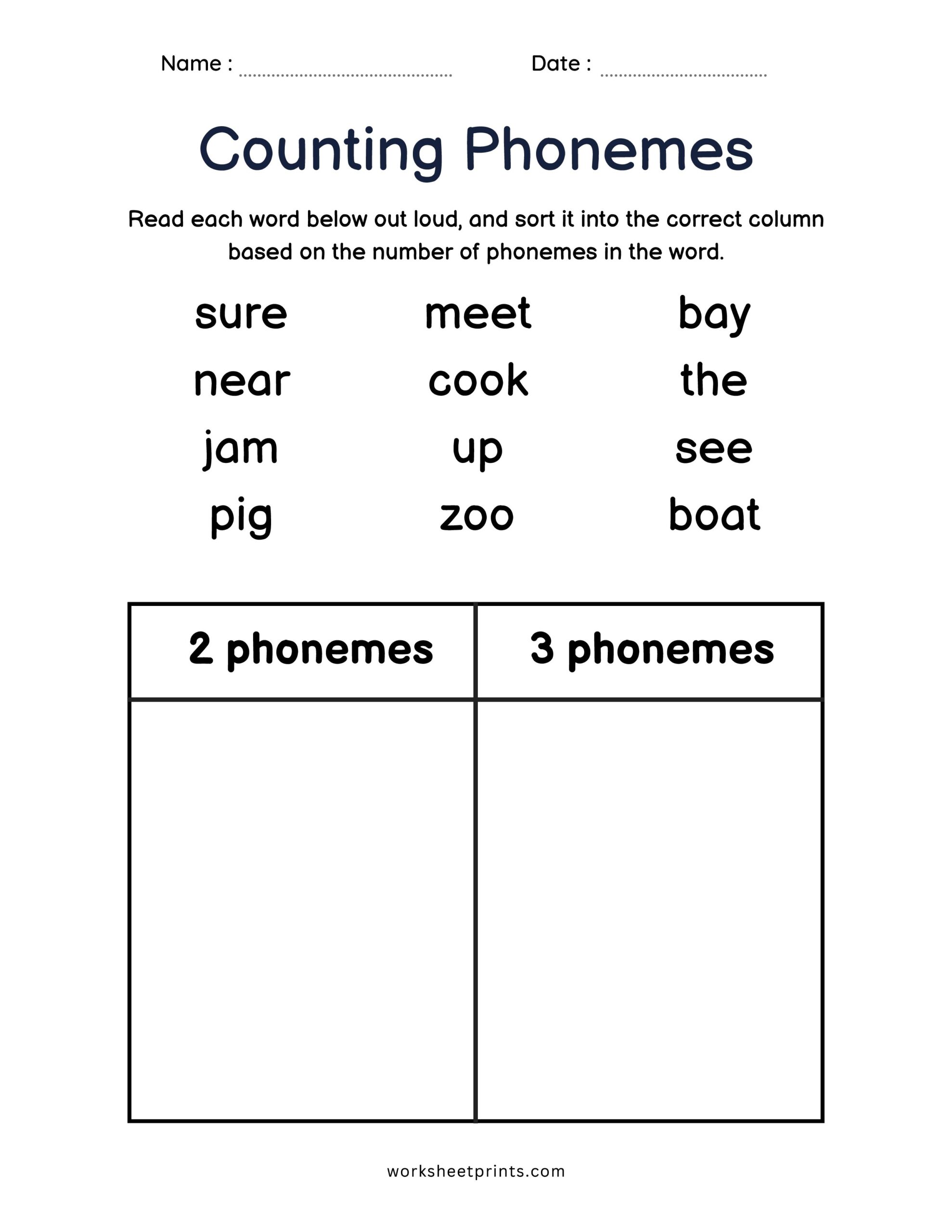
Phoneme counting involves breaking down words into their individual sounds, known as phonemes. For example, the word “cat” has three phonemes: /k/, /æ/, and /t/. Teaching children to identify and count these sounds helps them understand the structure of words, paving the way for better reading and spelling skills.
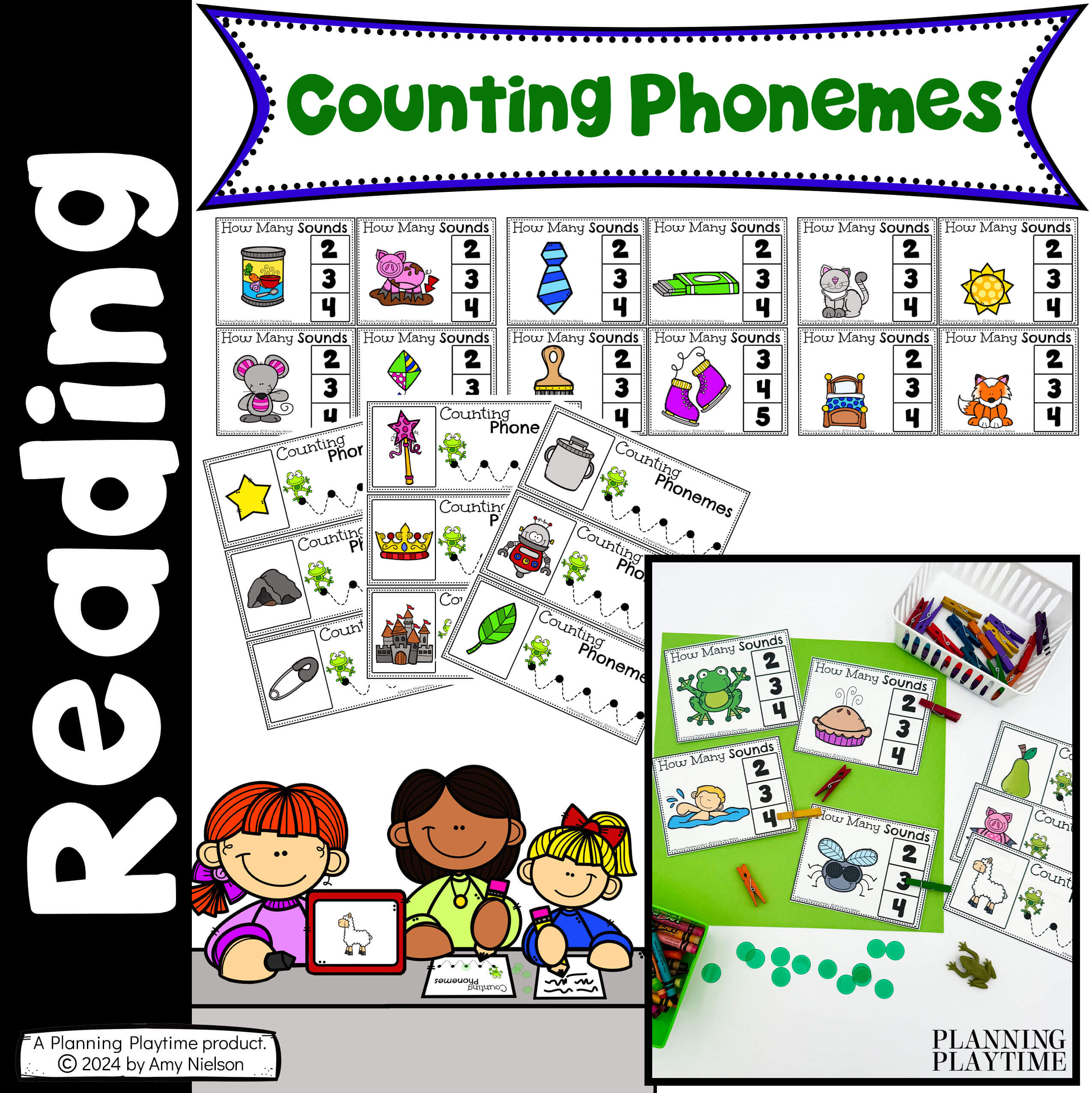
When using our worksheets, you’ll notice they incorporate both visual and auditory elements which cater to different learning styles. Each worksheet includes illustrations that represent words, allowing children to connect sounds to images, thereby enhancing comprehension.
Worksheet Features and Layout
The layout of our Free Preschool Worksheets About Phoneme Counting is thoughtfully designed to be user-friendly and visually appealing. Here’s what you can expect:
- Clear Instructions: Each worksheet begins with simple, clear instructions that guide both the teacher and the student through the activity.
- Colorful Illustrations: Engaging images accompany each activity, making the worksheets more inviting for young learners.
- Variety of Activities: Worksheets include a mix of activities such as counting phonemes in words, matching pictures to sounds, and filling in the blanks. This variety keeps children engaged and reinforces learning.
- Room for Practice: Ample space is provided for children to write their answers, allowing for independent practice.
This combination of features not only aids in phoneme counting but also keeps children motivated to complete the tasks.
Practical Applications in the Classroom and Home
These worksheets can be integrated into daily lesson plans or used as supplemental activities at home. Here are a few practical ways to utilize them:
- Daily Phoneme Practice: Use a worksheet each day to reinforce phonemic awareness. Short, consistent practice sessions are more effective than longer, sporadic ones.
- Group Activities: In a classroom setting, worksheets can be used in small groups. Children can work together to complete the tasks, fostering collaboration and peer learning.
- Homework Assignments: Send worksheets home for students to practice with their parents. This encourages family involvement in the child’s learning process.
- Assessment Tools: Use these worksheets to assess students’ understanding of phonemes. By observing their responses, you can identify which students may need additional support.
Monitoring Progress and Mastery
To ensure that children are mastering phoneme counting, it’s essential to monitor their progress. Here’s how you can do that effectively:
- Check Answers Together: After completing a worksheet, review the answers as a group. This allows for immediate feedback and clarification of any misunderstandings.
- Track Improvement: Keep a record of each child’s performance on the worksheets over time. Look for patterns in their answers to identify areas where they excel or need more practice.
- Encourage Self-Assessment: Teach children to check their own work by counting the phonemes aloud. This reinforces their learning and helps them take ownership of their progress.
By focusing on these aspects, you can ensure that your students are not only completing the worksheets but truly grasping the concepts behind phoneme counting.
Additional Tips for Using Worksheets
While the worksheets are designed to be straightforward, here are some additional tips to enhance their effectiveness:
- Use Manipulatives: Consider using physical objects, such as blocks or counters, to represent phonemes. This tactile approach can help visual learners grasp the concept more easily.
- Incorporate Songs and Rhymes: Phonemic awareness can also be developed through songs and rhymes. Incorporating these elements into your teaching can make phoneme counting more enjoyable.
- Adjust Difficulty Levels: Depending on your group’s skill level, feel free to modify the worksheets. For example, you could start with simpler words and gradually introduce more complex ones.
- Provide Positive Reinforcement: Celebrate children’s successes, no matter how small. Positive reinforcement boosts confidence and encourages them to engage more fully with the activities.
The worksheets are designed not just for phoneme counting but to foster a love for learning.
Our Free Preschool Worksheets About Phoneme Counting are a valuable resource that can make a significant difference in young learners’ literacy skills. With their engaging layout and practical applications, these worksheets will help children build a strong foundation for their reading journey.
One final detail worth mentioning is that you can easily print these worksheets on standard 8.5″ x 11″ paper, making them accessible for immediate use in any educational setting.