First Grade Evaluating Algebraic Expressions Review Worksheets
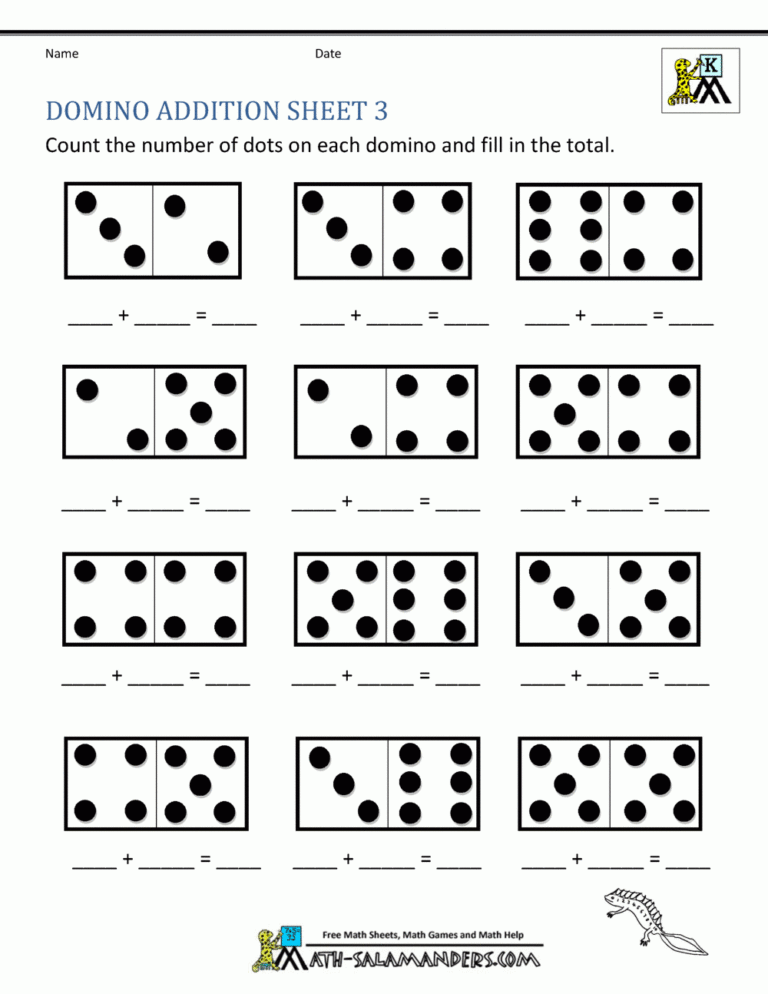
For effective classroom learning, the First Grade Evaluating Algebraic Expressions Review Worksheets are designed to facilitate young students’ understanding of fundamental algebraic concepts. These worksheets typically come in a standard letter size (8.5 x 11 inches), making them easy to print and distribute. With vibrant colors and engaging layouts, they capture children’s attention while supporting their learning needs.
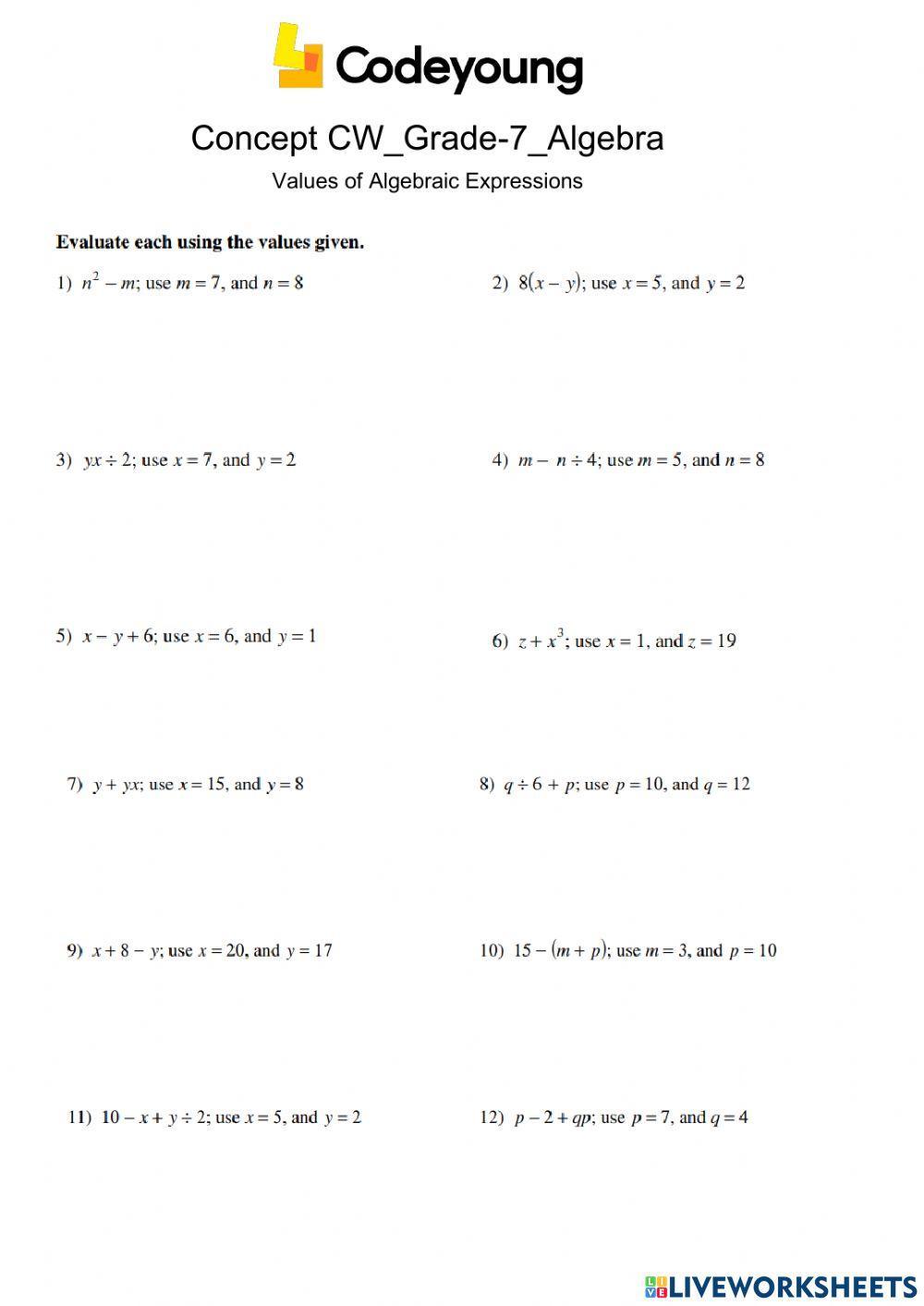
Understanding Algebraic Expressions for First Graders
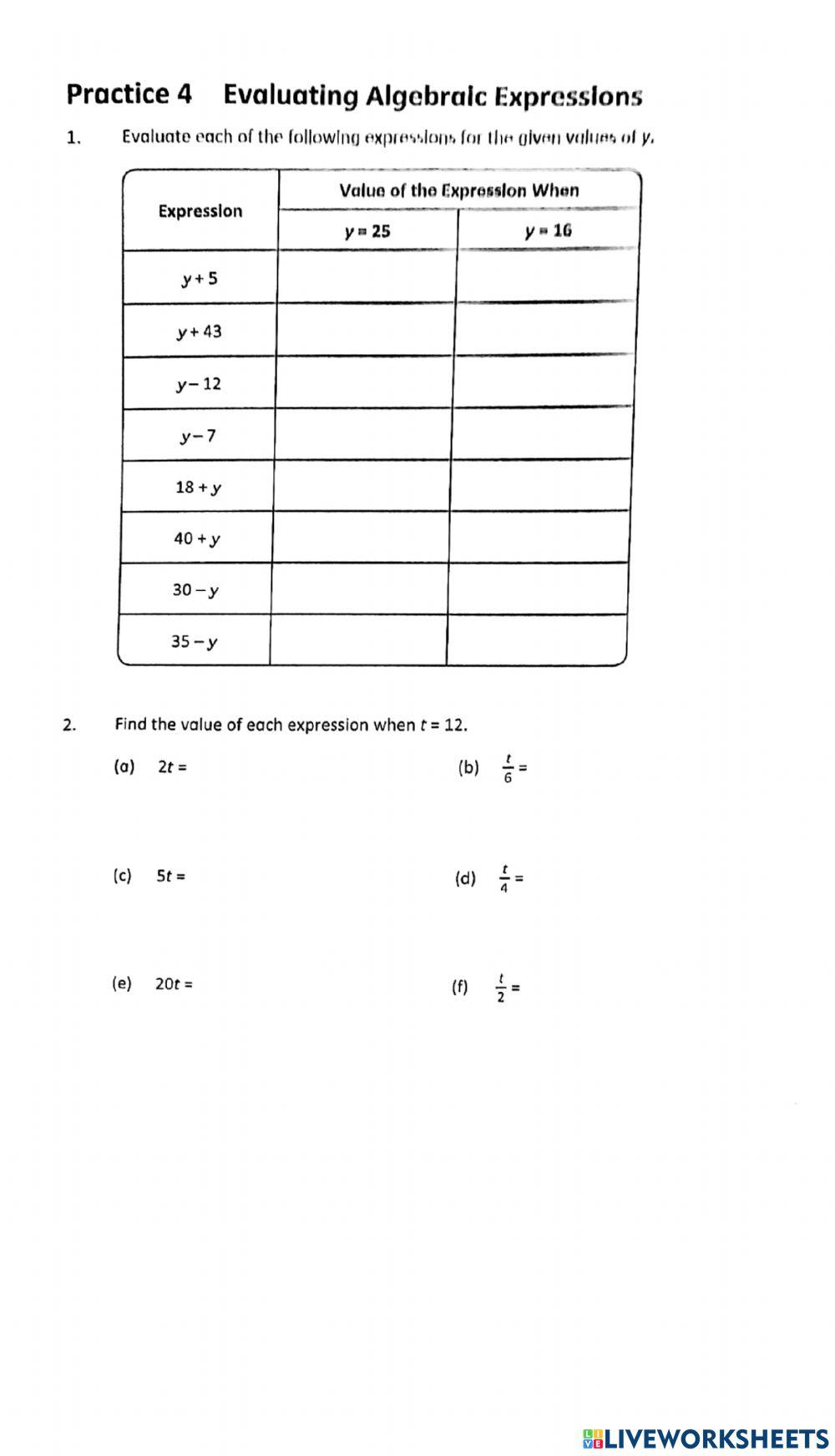
First graders are introduced to the foundational concepts of algebra through basic algebraic expressions. These worksheets help students learn to evaluate expressions using simple operations like addition and subtraction. The goal is to develop their ability to recognize patterns and relationships in numbers, which is crucial for their mathematical development.
Each worksheet typically includes clear instructions, examples, and a variety of problems that require students to evaluate expressions. By using these review worksheets, teachers can monitor student progress and identify areas where further instruction may be needed.
Layout and Design of the Worksheets
The layout of First Grade Evaluating Algebraic Expressions Review Worksheets is thoughtfully designed to promote independent practice. Each worksheet usually features:
- Colorful headings that delineate different sections or types of problems, making it easy for students to navigate.
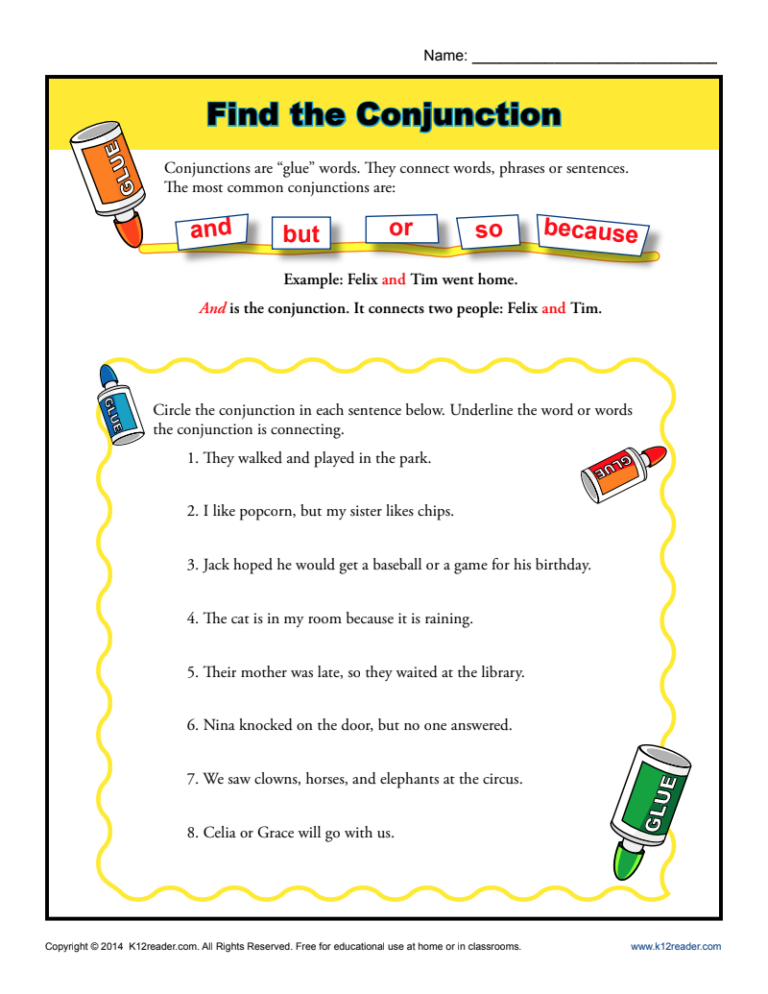
- Illustrative examples at the top to guide students on how to approach the problems. These examples often use familiar contexts that resonate with first graders.
- Ample space for answers, allowing students to work through problems without feeling cramped.
The use of engaging graphics and illustrations not only makes the worksheets visually appealing but also aids in comprehension. For instance, using images of fruits or toys in word problems can make the material relatable and enjoyable for young learners.
Types of Activities Included
The activities in these worksheets are designed to cater to various learning styles. Here are some common types of exercises you might find:
- Fill-in-the-blank problems where students complete the expression based on given clues.
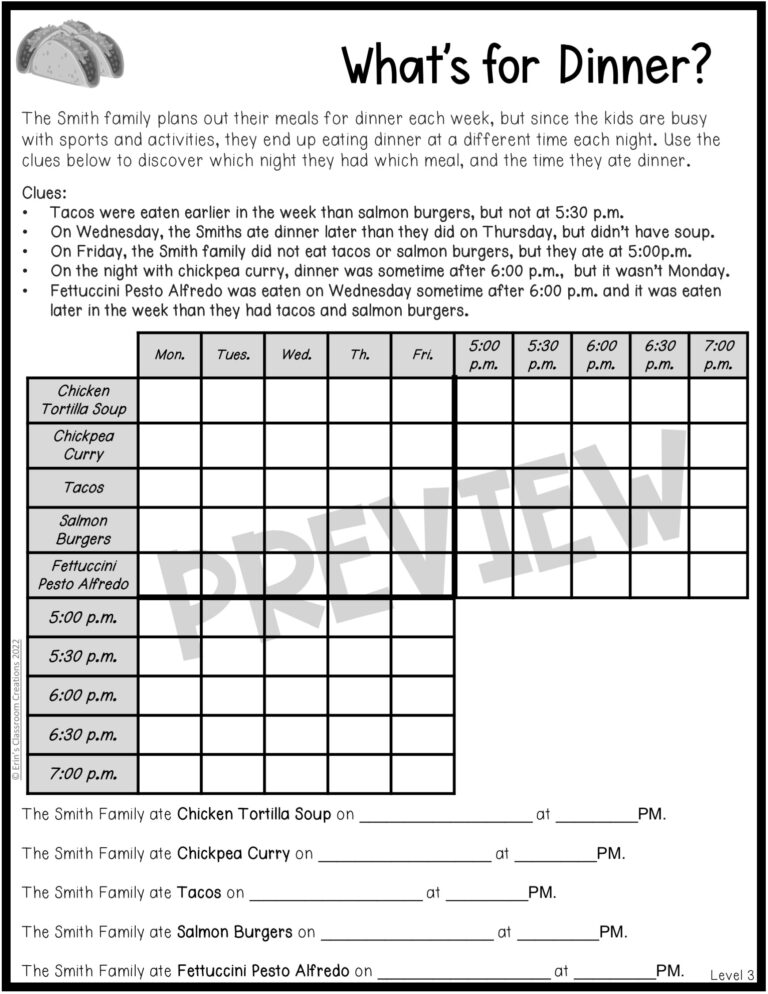
- Multiple-choice questions that allow students to choose the correct answer from a set of options, reinforcing their understanding.
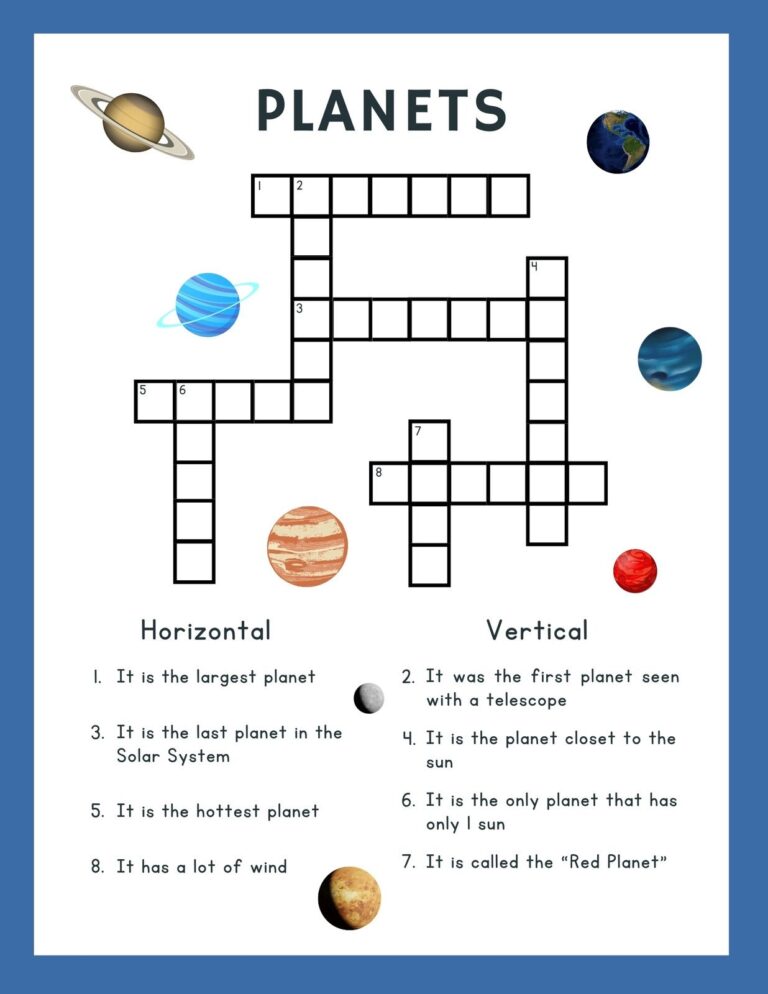
- Matching activities where students link expressions with their evaluated results, helping them make connections between concepts.
These diverse activities not only keep the students engaged but also allow teachers to assess their understanding of evaluating algebraic expressions in an interactive way.
Supporting Classroom and At-Home Learning
The First Grade Evaluating Algebraic Expressions Review Worksheets are perfect for both classroom and home use. Teachers can assign them for in-class activities, group work, or homework assignments. Parents can also utilize these worksheets for at-home practice, reinforcing what their children are learning in school.
When assigning these worksheets, it’s beneficial to provide some context or a brief introduction to the concept of evaluating algebraic expressions. This can help students feel more confident as they tackle the problems. Additionally, consider pairing the worksheets with hands-on activities, like using blocks or counters, to offer a tactile learning experience.
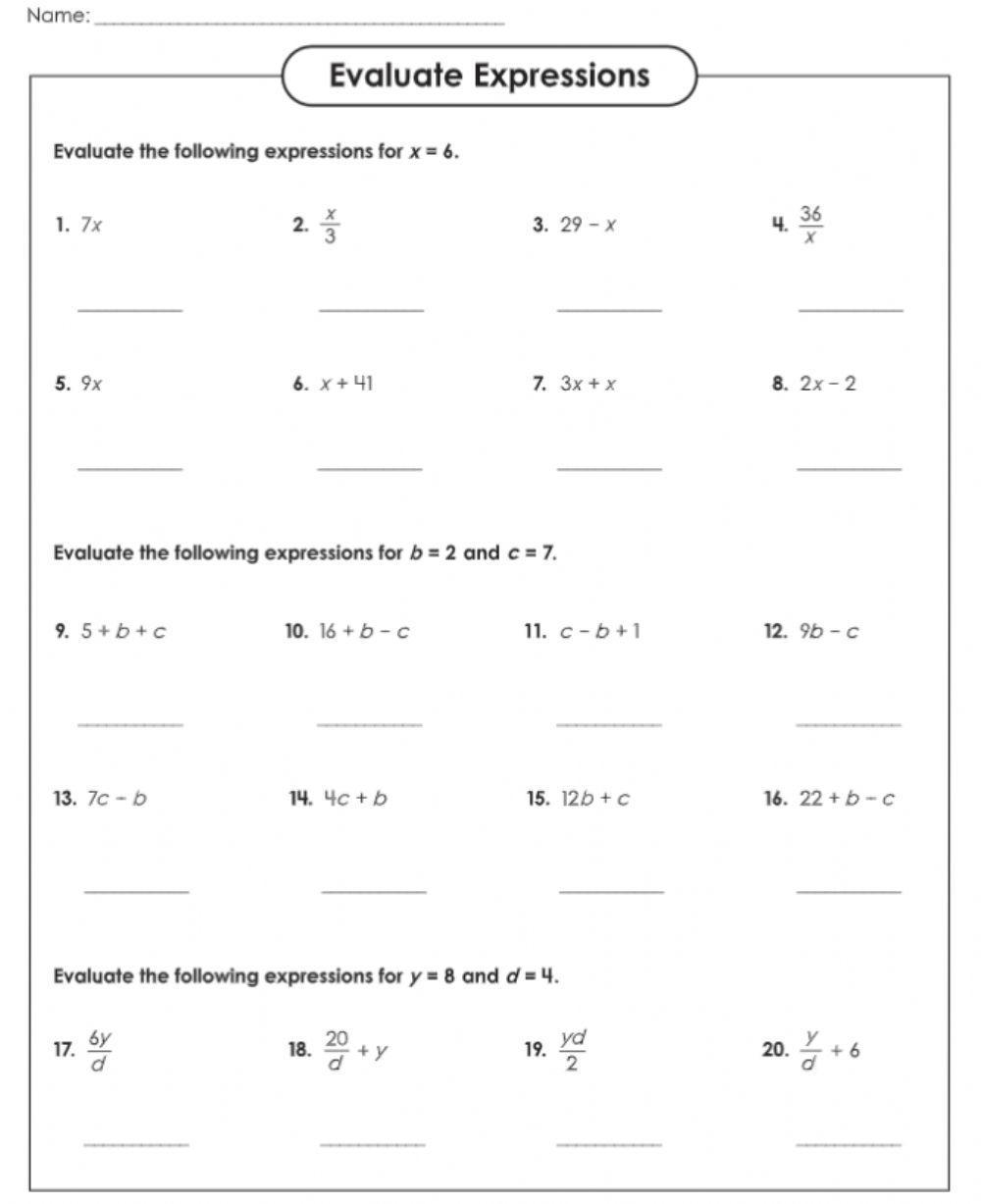
Tracking Student Progress With Worksheets
One of the key benefits of using First Grade Evaluating Algebraic Expressions Review Worksheets is the ability to track student progress effectively. Teachers can easily assess who is grasping the concepts and who may need additional support.
As students complete the worksheets, you can use their answers to gauge their understanding of the material. Look for common mistakes, as these can highlight areas that may need reinforcement. You can also conduct quick assessments or discussions based on the worksheets to further evaluate their comprehension.
In summary, these worksheets serve as an essential tool for reinforcing foundational algebra skills in a fun and engaging manner. They provide a structured way for young learners to practice evaluating expressions while allowing teachers and parents to monitor their progress effectively.
For optimal results, consider printing the worksheets on cardstock for durability, especially if students will be using them multiple times or if you plan to laminate them for repeated use. This small detail can enhance the longevity of your teaching materials, ensuring they remain effective resources throughout the school year.