Second Grade Skill Worksheets Covering Solving Inequalities
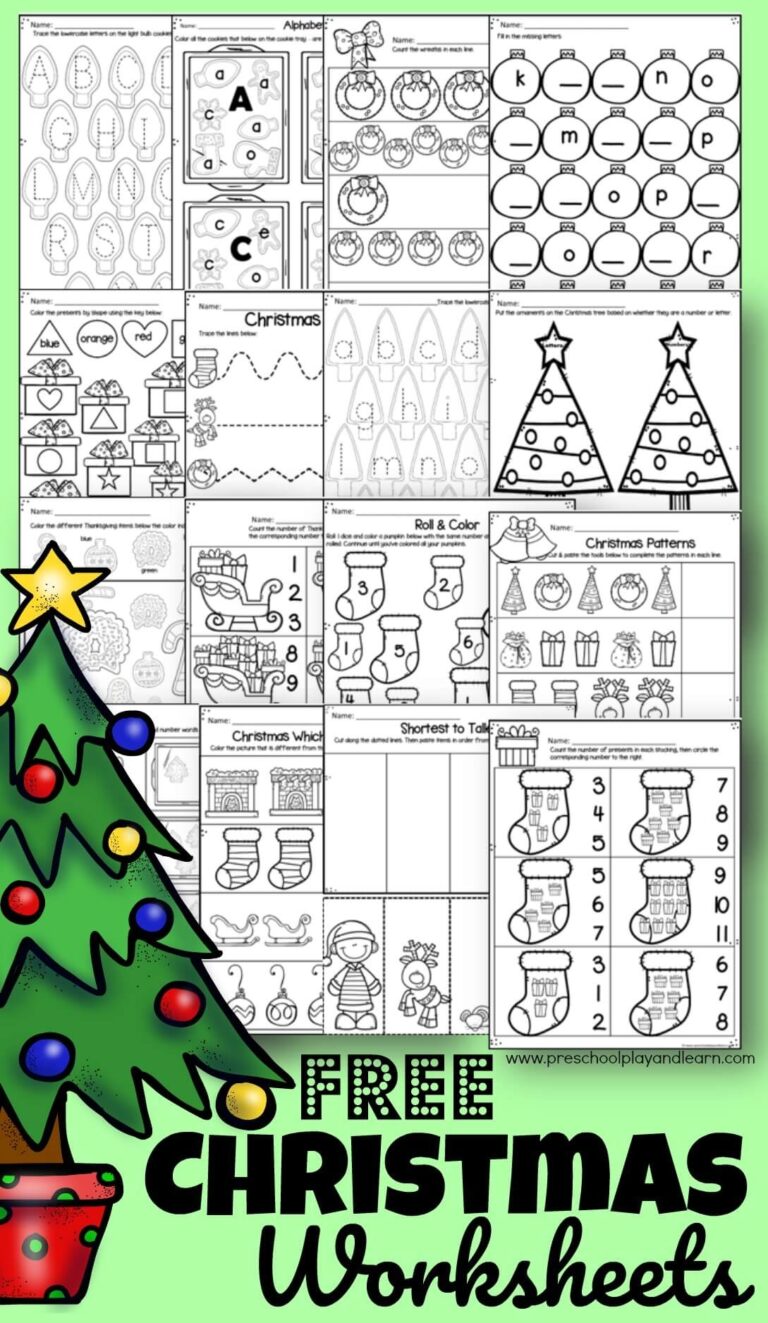
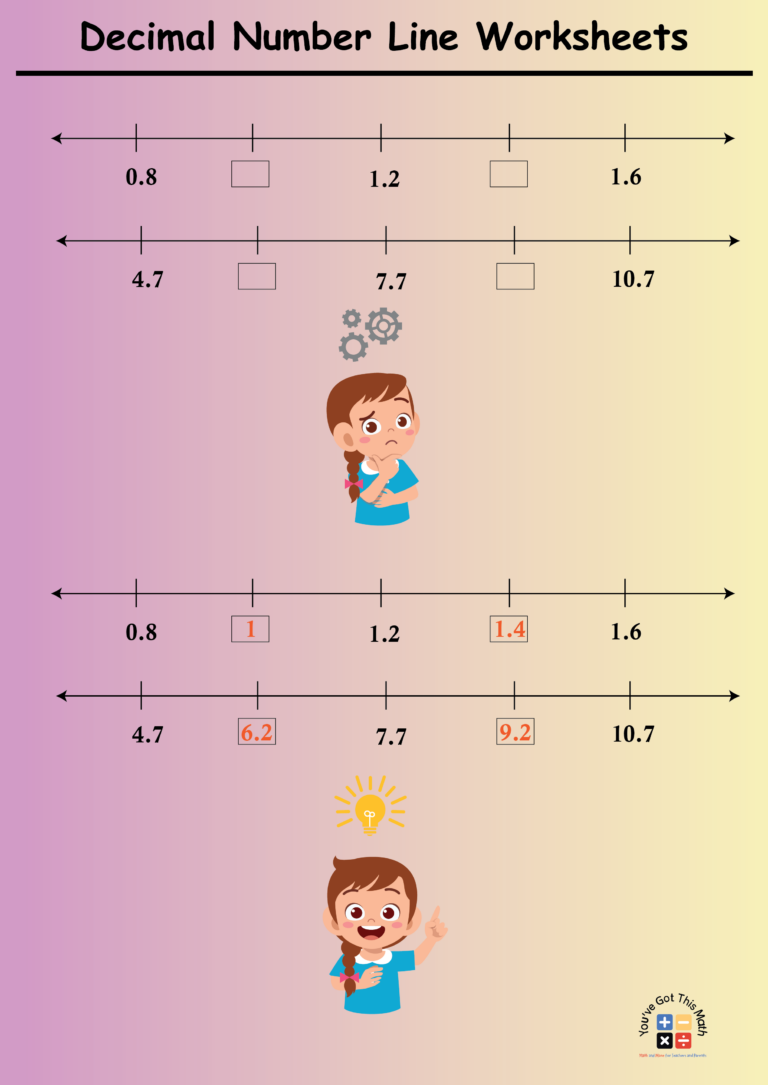
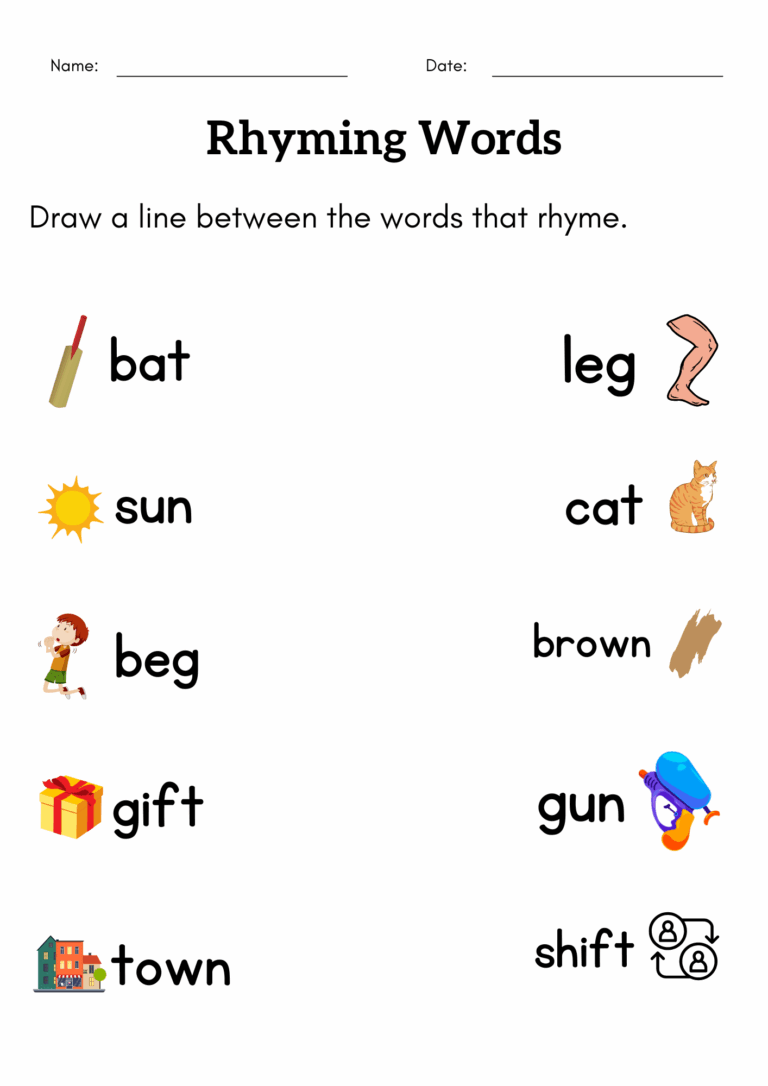
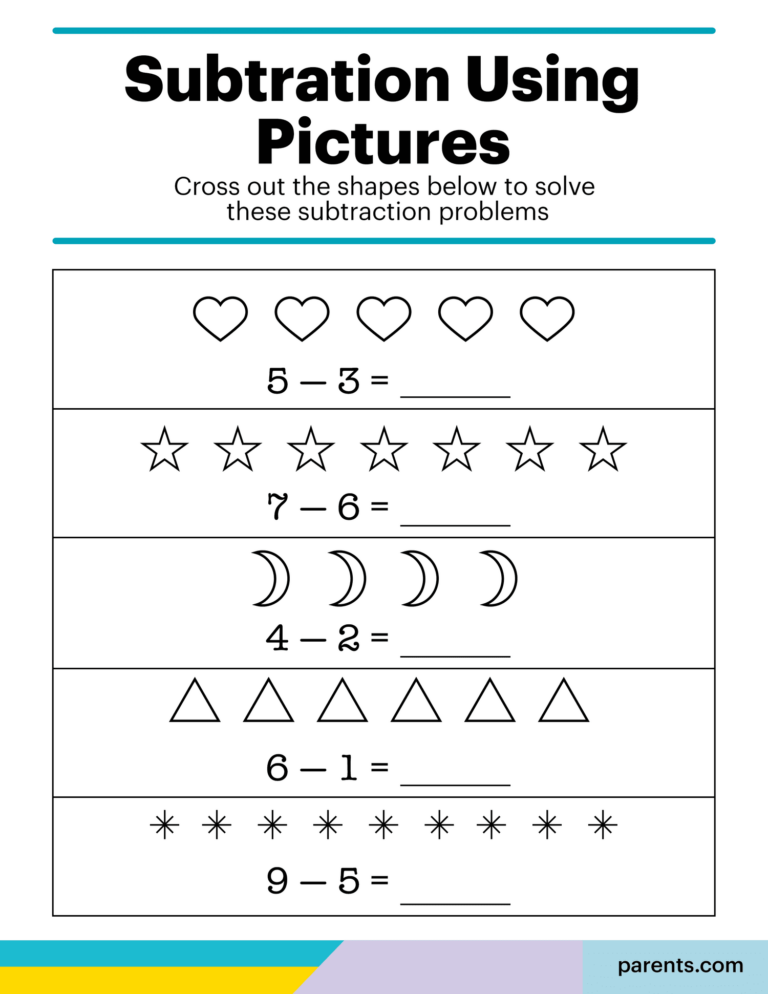
Second grade is a pivotal year for young learners, especially in mathematics. One essential skill students begin to familiarize themselves with is solving inequalities. Second Grade Skill Worksheets Covering Solving Inequalities provide a structured way for teachers and parents to help children understand and practice this concept. These worksheets are designed to be engaging and informative, making learning an enjoyable experience.
Understanding Inequalities in Second Grade
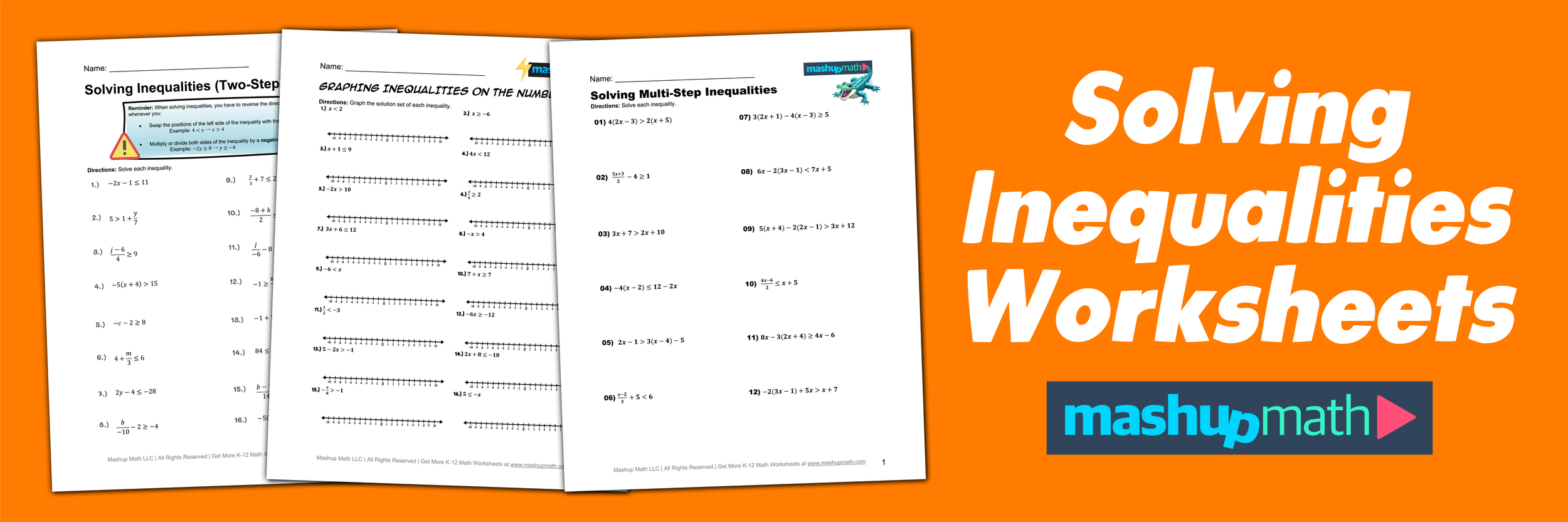
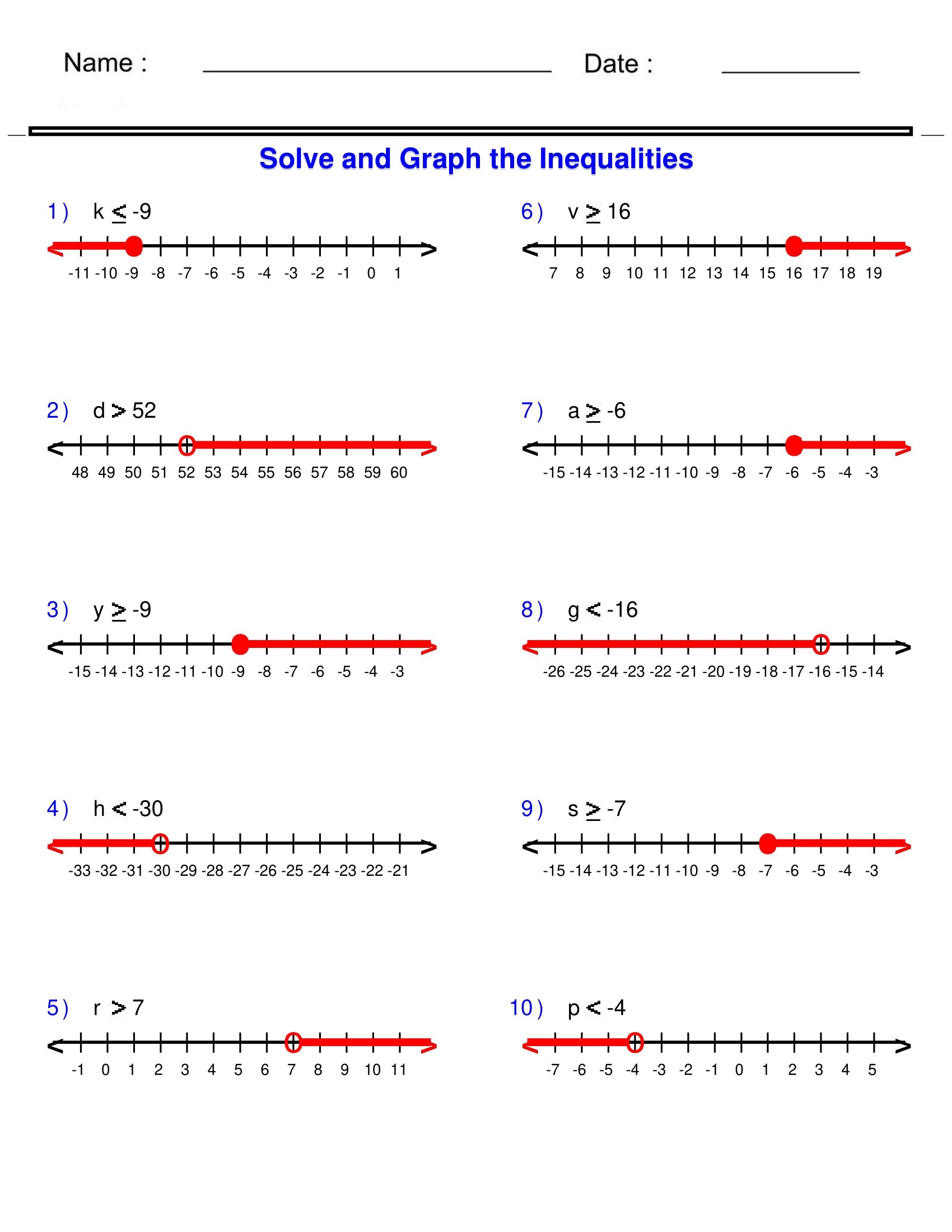
Before diving into the worksheets, it’s crucial to understand what inequalities are. Inequalities are mathematical statements that express the relationship between two expressions that are not equal. For second graders, this typically involves simple forms such as “greater than” (>) and “less than” (<). Teaching these concepts through visual aids and practical examples can significantly enhance comprehension.
Choosing the Right Worksheets
When selecting worksheets for solving inequalities, consider the following:
- Grade Appropriateness: Ensure the worksheets are suitable for second graders, featuring age-appropriate language and examples.
- Variety of Problems: Look for worksheets that offer a mix of problem types, such as fill-in-the-blank, multiple-choice, and open-ended questions. This variety keeps students engaged and caters to different learning styles.
- Visuals: Worksheets that incorporate visuals can help students better understand inequalities. Graphics and colors can make learning more appealing.
You can find a range of printable worksheets online, often available in PDF format for easy downloading and printing. This format ensures that you don’t encounter reformatting issues that can occur with image files.
Downloading and Printing the Worksheets
Once you’ve selected the worksheets that fit your needs, follow these steps for a smooth download and print process:
- Download the PDF: Click the download link for the worksheet. PDFs are preferred as they maintain formatting across different devices.
- Printer Settings: Open the PDF and check your printer settings. For most home printers, a portrait layout works best. Ensure that the paper size is set to standard letter size (8.5 x 11 inches).
- Quality Check: If you plan on laminating the worksheets for repeated use, consider printing on cardstock for durability. Standard printer paper is adequate for single-use worksheets.
Setting Up for Success
Now that you’ve printed the worksheets, it’s time to set up your lessons. Here’s how to effectively use these worksheets in your teaching:
- Daily Practice: Spread the worksheets out over a week rather than completing them all in one sitting. Repeated exposure helps reinforce the concepts.
- Group Activities: Encourage collaboration by having students work in pairs or small groups. This can foster discussion and allow students to learn from each other.
- Incorporate Games: To further solidify understanding, consider turning some of the problems into a game format. For example, students can race to solve inequalities on the board.
Engaging Students With Inequalities
To make learning about inequalities exciting, consider these interactive approaches:
- Real-Life Examples: Use everyday scenarios to explain inequalities. For instance, “If Sarah has 5 apples and Tom has 3, how many more does Sarah have?” This helps students relate math to their lives.
- Interactive Worksheets: Some worksheets may include interactive elements, such as coloring or drawing, that allow students to express their understanding creatively.
Reinforcement and Assessment
After introducing the concept of inequalities, it’s essential to reinforce learning. Here’s how you can assess student understanding:
- Review Sessions: Schedule time each week to review the concepts learned. Go over the worksheets as a class, discussing any common mistakes.
- Quizzes: Create short quizzes at the end of the week to assess comprehension of the material. This can help identify areas that may need further review.
- Feedback: Provide constructive feedback on their completed worksheets, highlighting areas of success and where they can improve.
Additional Resources for Teaching Inequalities
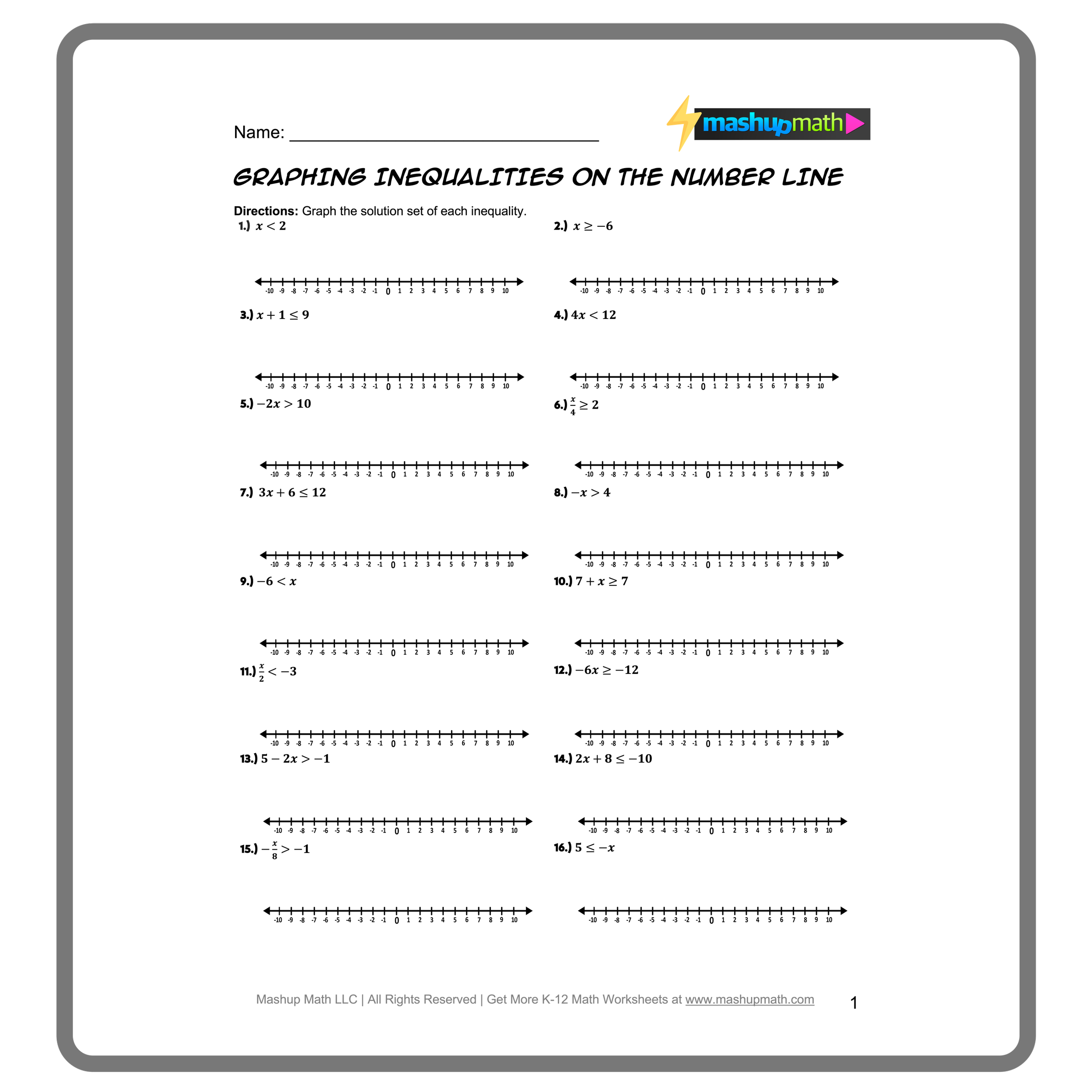
To complement the Second Grade Skill Worksheets Covering Solving Inequalities, consider utilizing additional resources:
- Online Games: Websites that offer math games can provide an interactive platform for students to practice inequalities in a fun environment.
- Videos: Educational videos can introduce the concept of inequalities in a visually engaging way, reinforcing what students learn from worksheets.
- Parent Involvement: Encourage parents to engage with their children’s learning by providing them with resources to practice at home.
The most effective way to ensure mastery of inequalities at this grade level is through consistent practice and a variety of engaging methods. Worksheets are a vital tool in this journey, providing a structured approach to learning that can be both fun and educational.