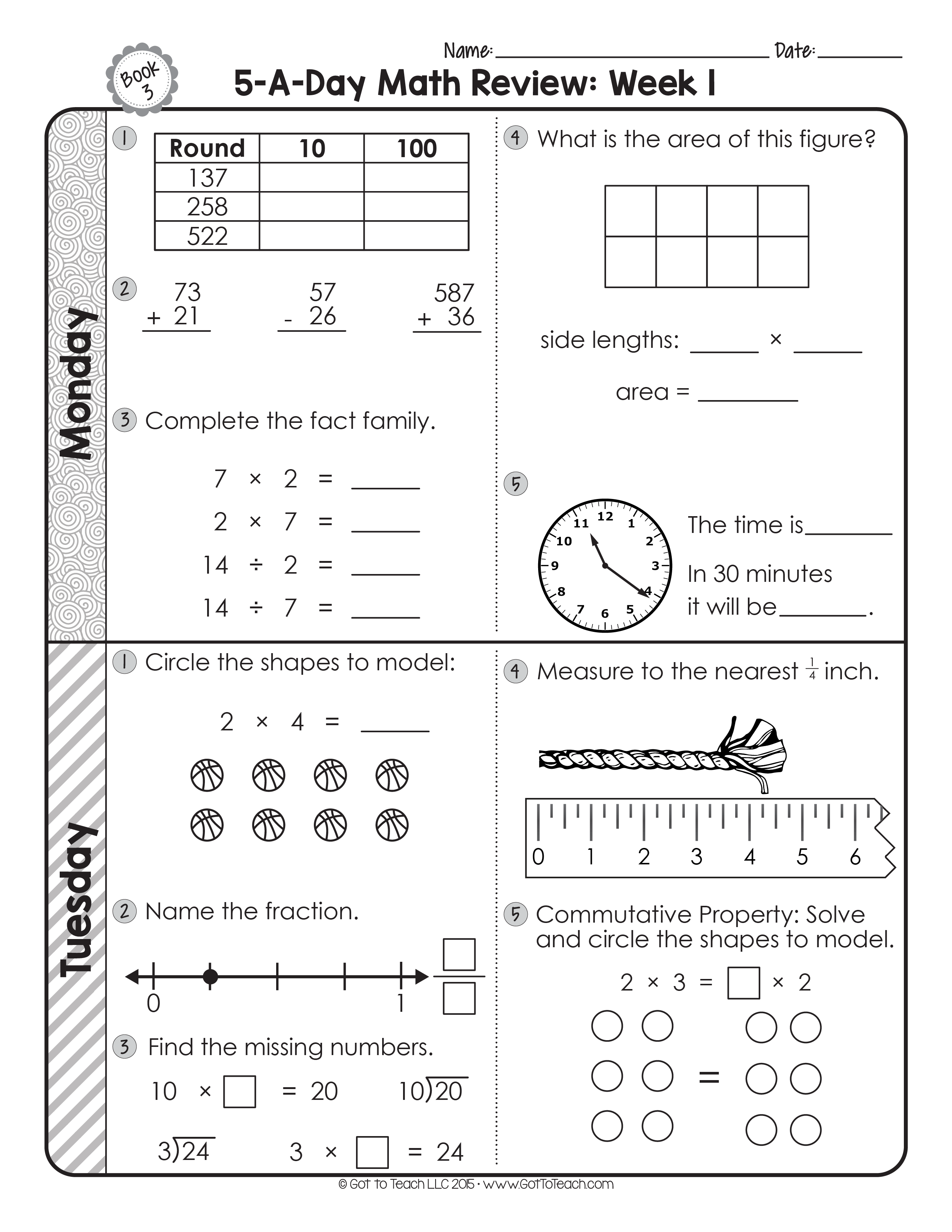
First Grade Solving Inequalities Review Worksheets
When Mia sat at her kitchen table, her crayons scattered around her, she was excited to tackle her math homework. Today’s task was particularly fun: she had a set of First Grade Solving Inequalities Review Worksheets to work through. As a teacher or parent, you’ll find that these worksheets are an excellent way to help first graders practice solving inequalities, a fundamental math skill that sets the stage for more advanced concepts.
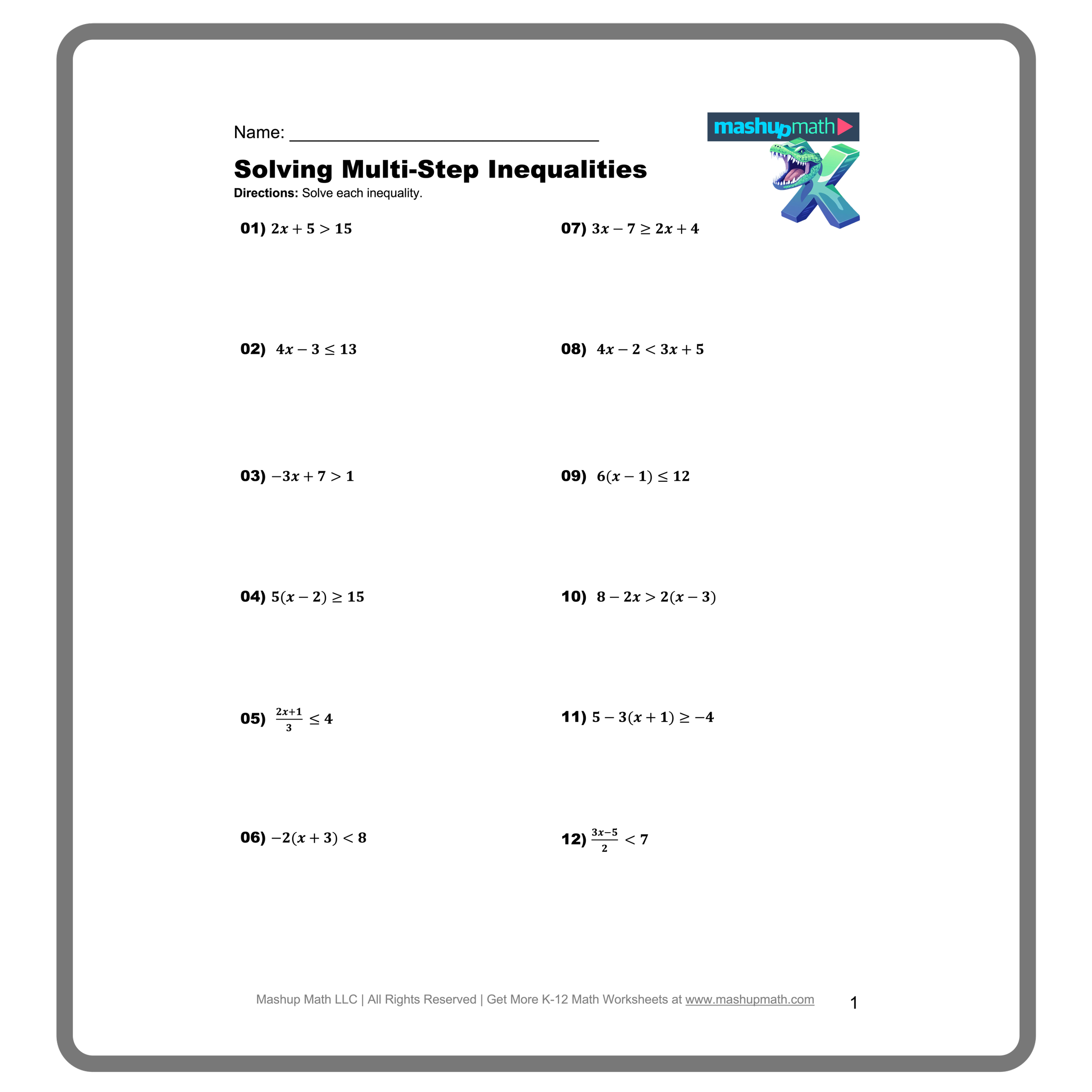
Understanding Inequalities for First Graders
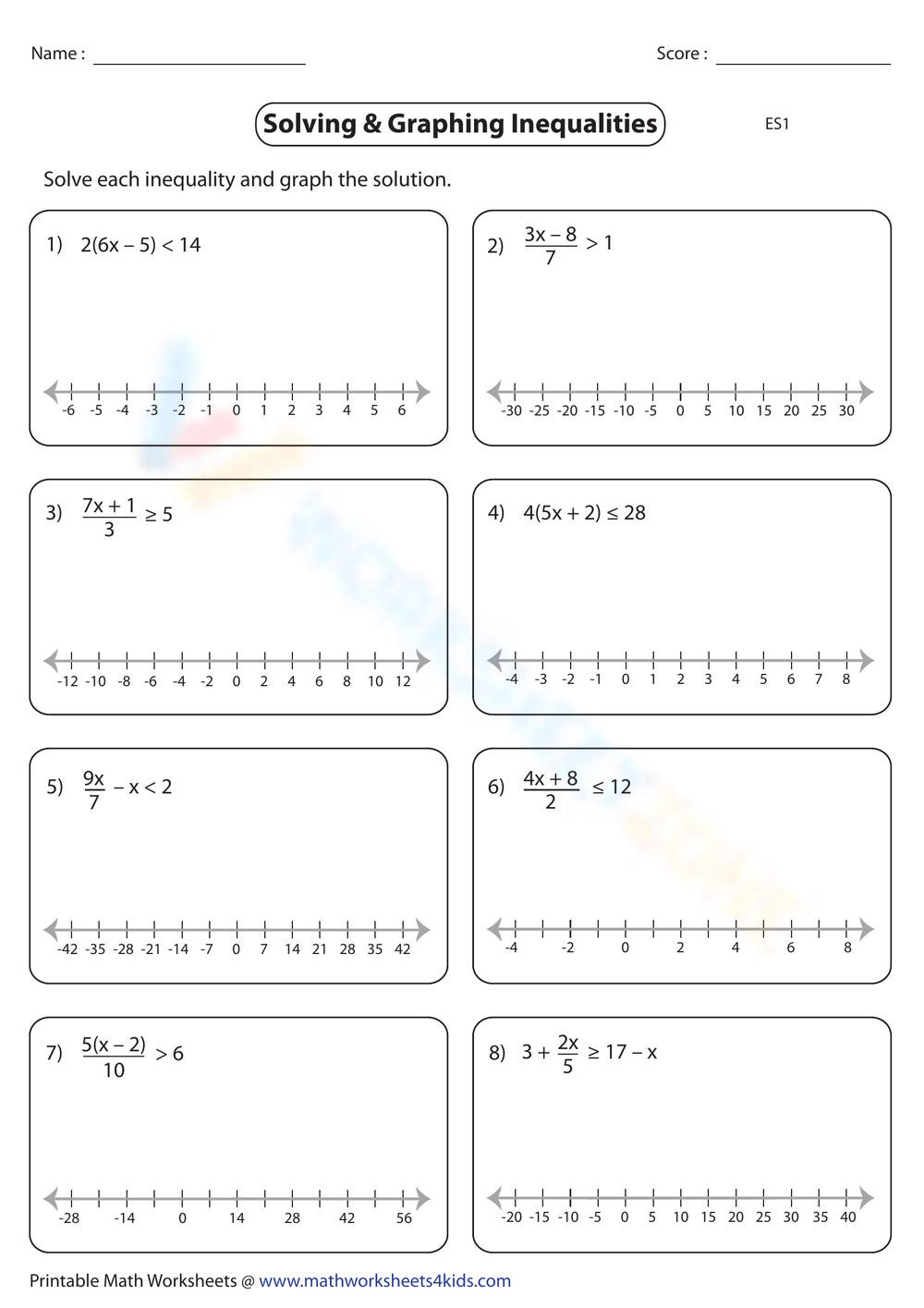
At its core, inequalities are mathematical statements that compare two expressions, showing that one is greater than, less than, or equal to the other. For first graders, it’s essential to introduce these concepts in a straightforward and engaging manner. Worksheets designed for this age group often include colorful visuals and relatable examples that make learning enjoyable.
For instance, a worksheet might present a scenario like, “There are 3 apples, and you want to know if that’s more than 2 apples.” This approach helps children visualize the concept and relate it to their everyday experiences.
Features of First Grade Solving Inequalities Review Worksheets
When selecting First Grade Solving Inequalities Review Worksheets, look for features that enhance learning:
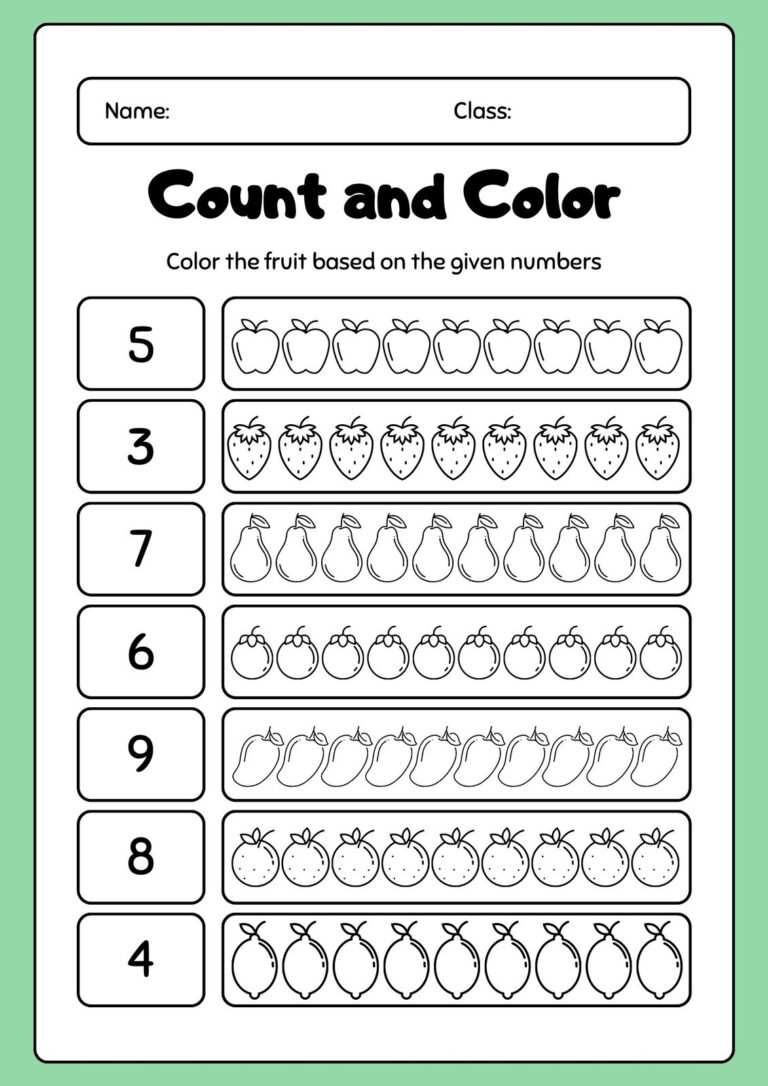
- Visual Aids: Worksheets often incorporate pictures of objects like fruits, toys, or animals to help children grasp the idea of quantity comparison.
- Clear Instructions: Each worksheet should have simple, direct instructions that guide children on how to solve the inequalities.
- Variety of Problems: A good set of worksheets will include a mix of problems, such as comparing numbers, using symbols like > (greater than) and < (less than), and even simple word problems.
- Answer Keys: Consider worksheets with answer keys for parents and teachers to quickly check the students’ work.
These features make it easier for children to engage with the material and for adults to assist them effectively.
How to Use the Worksheets at Home or in a Homeschool Setting
Using First Grade Solving Inequalities Review Worksheets at home can easily fit into your child’s daily routine. Here are some practical tips for implementation:
- Set a Regular Time: Choose a consistent time each day or week for math practice. This could be right after school or during a dedicated homework hour.
- Create a Comfortable Workspace: Make sure your child has a quiet and comfortable place to work. Gather necessary supplies such as crayons, pencils, and erasers.
- Encourage Independent Work: Allow your child to attempt the worksheets on their own first. Offer help as needed, but let them try to solve problems independently to build confidence.
- Review Together: After they complete the worksheets, sit down together to review the answers. Discuss any mistakes and encourage your child to explain their thought process. This reinforces their understanding.
- Make It Fun: Turn it into a game by timing how long it takes to complete a worksheet or using stickers as rewards for completing a set number of problems correctly.
By incorporating these practices, you’ll help your child not only understand inequalities but also develop a love for math.
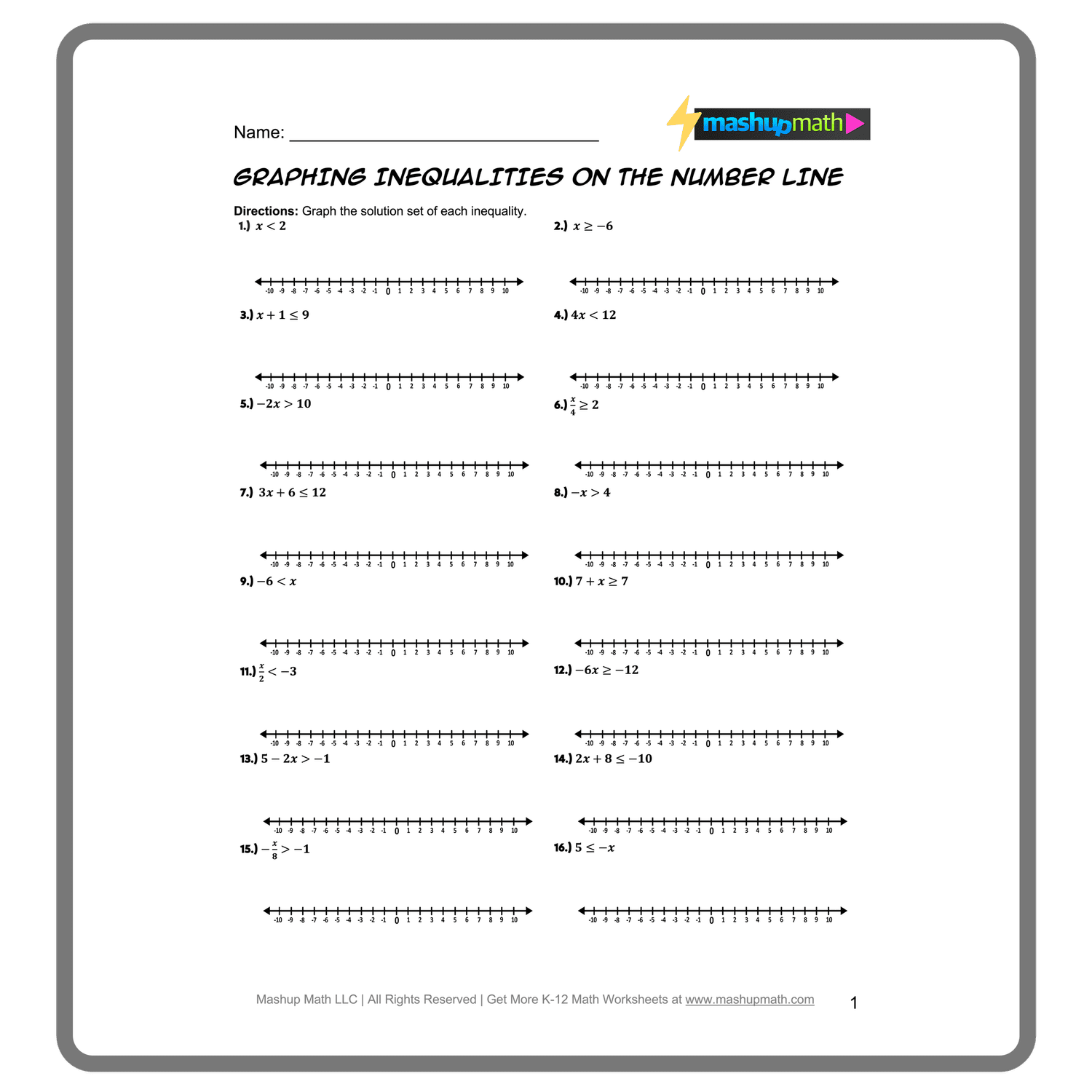
Additional Resources for Reinforcement
While worksheets are excellent tools for practice, supplementing them with other resources can further enhance learning. Consider these options:
- Online Games: There are many interactive websites and apps that focus on math skills for first graders. These can provide an engaging way to reinforce the concepts learned in the worksheets.
- Hands-On Activities: Use everyday items like blocks or buttons to create physical examples of inequalities. For instance, you can ask your child to compare groups of objects, reinforcing the concept through tactile learning.
- Story Problems: Create simple story problems that involve inequalities. For example, “If you have 5 candies and your friend has 3, who has more?” This can help children apply what they’ve learned in practical scenarios.