Kindergarten Skill Worksheets Covering Solving Inequalities
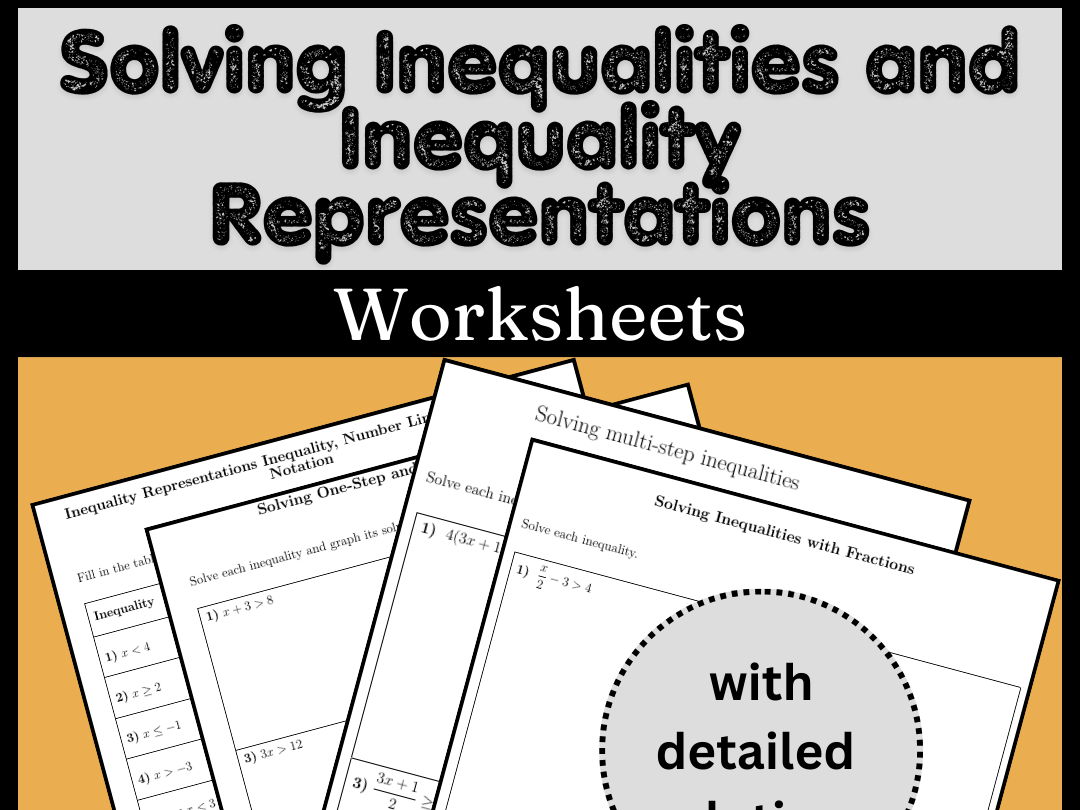
Teaching young children the concept of inequalities can be a challenge. Many kindergarten students are just beginning to grasp basic math concepts, and introducing inequalities might seem daunting. However, using Kindergarten Skill Worksheets Covering Solving Inequalities can make this learning process both engaging and effective. These worksheets provide structured practice that helps young learners understand how to compare numbers, identify greater than and less than scenarios, and develop foundational math skills.
Understanding Inequalities in Kindergarten
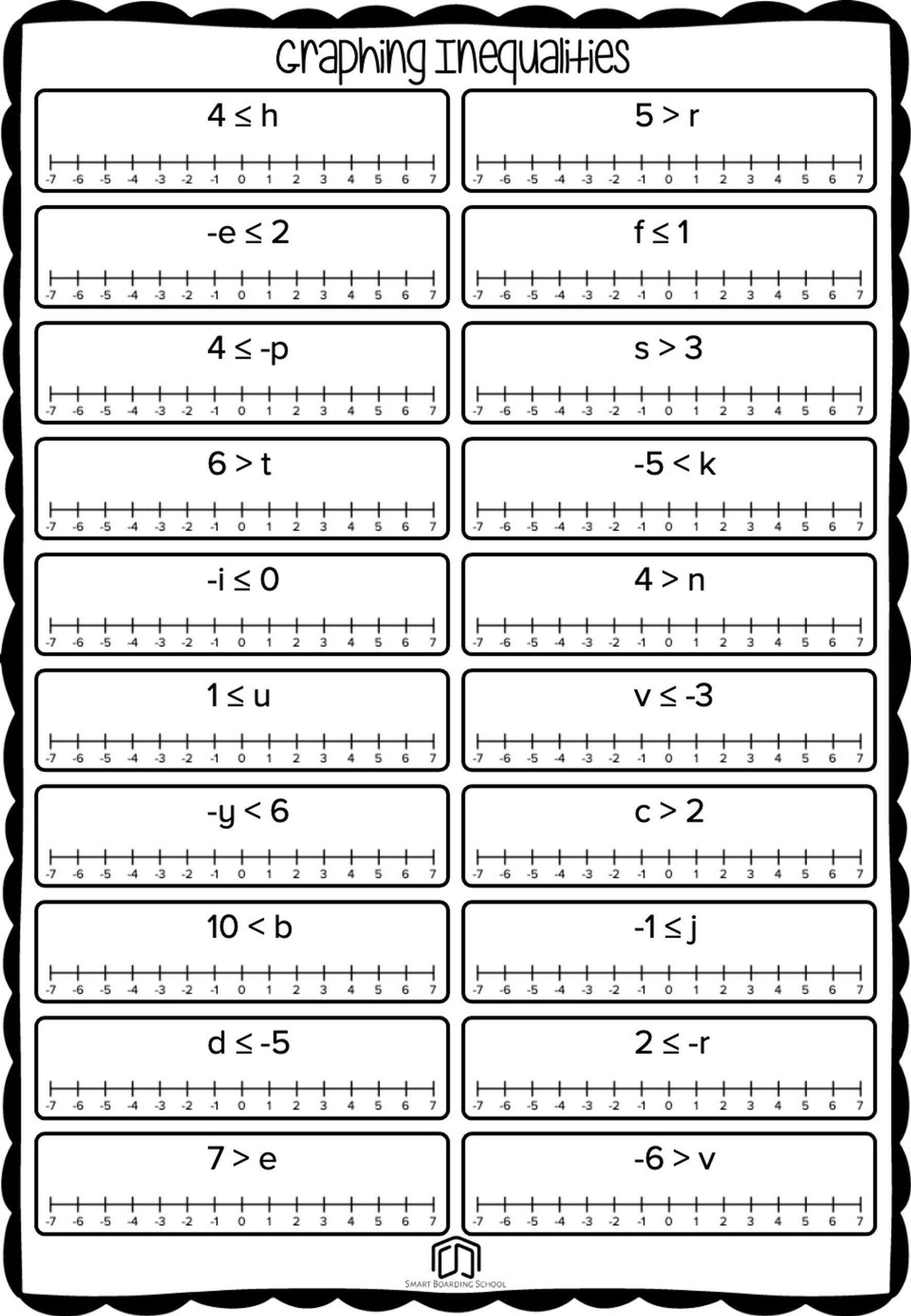
Inequalities are mathematical expressions that show the relationship between two values. For instance, the symbols “>” (greater than) and “<” (less than) indicate that one number is larger or smaller than another. Introducing these concepts at an early age is essential for building a solid math foundation.
Kindergarten worksheets focused on solving inequalities typically include simple problems that help students practice these concepts in a fun and engaging way. They may feature number lines, visual aids, and interactive activities tailored for young learners. This approach makes abstract concepts more tangible.
Choosing the Right Worksheets
When selecting worksheets for teaching inequalities, consider the following factors:
- Age Appropriateness: Ensure the worksheets are designed for kindergarten students. They should use simple language and relatable examples.
- Visual Elements: Look for worksheets that incorporate images and colorful designs. Visuals help maintain student interest and enhance understanding.
- Variety of Activities: Worksheets should offer a mix of activities, such as fill-in-the-blank problems, matching exercises, and coloring tasks. This variety caters to different learning styles and keeps children engaged.
- Clear Instructions: Choose resources that provide clear, concise instructions. Young learners benefit from straightforward guidance that helps them understand what is expected.
Downloading and Printing Worksheets
Once the appropriate worksheets are selected, downloading and printing them is the next step. Here are some tips for effective printing:
- Paper Size: Most worksheets are designed for standard 8.5” x 11” paper. Ensure your printer settings are set to this size to avoid any formatting issues.
- Quality Settings: Use high-quality print settings for clear images and text. This is particularly important for worksheets with visual elements.
- Bulk Printing: If teaching a full class, consider printing multiple copies at once. This saves time and ensures all students have access to the same materials.
- Laminating: For durability, especially if the worksheets will be reused, consider laminating them. This allows for dry-erase markers to be used, making them reusable.
Setting Up for Classroom or Home Use
After printing, it’s essential to organize the worksheets for effective use. Here are some practical tips:
- Binder Organization: Place worksheets in a binder or folder for easy access. This keeps materials organized and makes it easier for students to find what they need.
- Answer Keys: If available, print an answer key for the worksheets. This will assist in grading and provide immediate feedback to students.
- Group Activities: Use the worksheets in small groups to encourage collaboration. This not only enhances learning but also fosters social skills among peers.
- Incorporate Technology: If possible, use tablets or computers to access digital versions of the worksheets. This can make learning more interactive and adaptable to different learning environments.
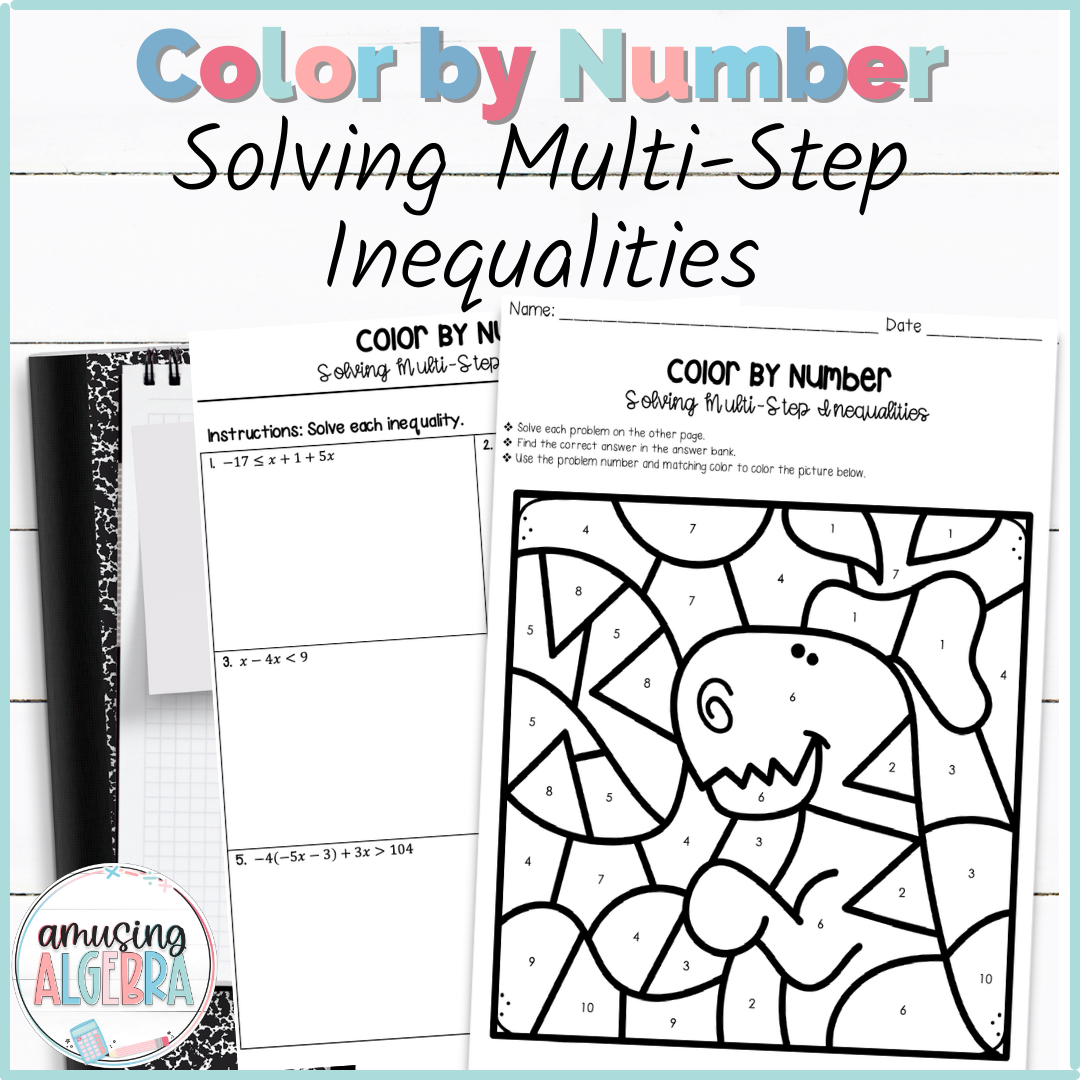
Engaging Students With Inequality Worksheets
To make learning about inequalities more enjoyable, consider incorporating games and hands-on activities alongside the worksheets. Here are some ideas:
- Inequality Games: Create simple games that involve comparing numbers using physical objects like blocks or counters. Students can sort these objects into groups based on whether they are greater than or less than a given number.
- Story Problems: Integrate storytelling into math problems. For instance, “If Sam has 3 apples and Lucy has 5, who has more?” This approach helps students relate math to real-life scenarios.
- Interactive Number Lines: Use a number line on the classroom wall where students can physically place markers to show greater than or less than relationships. This visual representation reinforces their understanding.
Incorporating these strategies can significantly enhance the effectiveness of worksheets designed for Kindergarten Skill Worksheets Covering Solving Inequalities.
To ensure that students grasp the concept effectively, make the learning process enjoyable and interactive. This will not only help them understand inequalities better but also foster a love for math early on.
Encourage students to express their thought processes and reasoning as they work through the worksheets. This practice not only solidifies their understanding but also builds communication skills.
As a final tip, regularly assess student progress through informal assessments or quick quizzes. This will help gauge their understanding of inequalities and inform future lesson plans.