Reading And Comprehension Worksheets For Kindergarten
In a cozy living room, Sarah sits cross-legged on the floor, surrounded by colorful worksheets and crayons. Her five-year-old son, Tommy, is eagerly flipping through a stack of papers, his eyes lighting up at the illustrations. Today, they’re diving into Reading And Comprehension Worksheets For Kindergarten, which promise to make learning fun while also building essential skills. These worksheets are not just pieces of paper; they are tools to foster a love for reading and help children develop comprehension abilities.
Why Reading And Comprehension Worksheets Matter
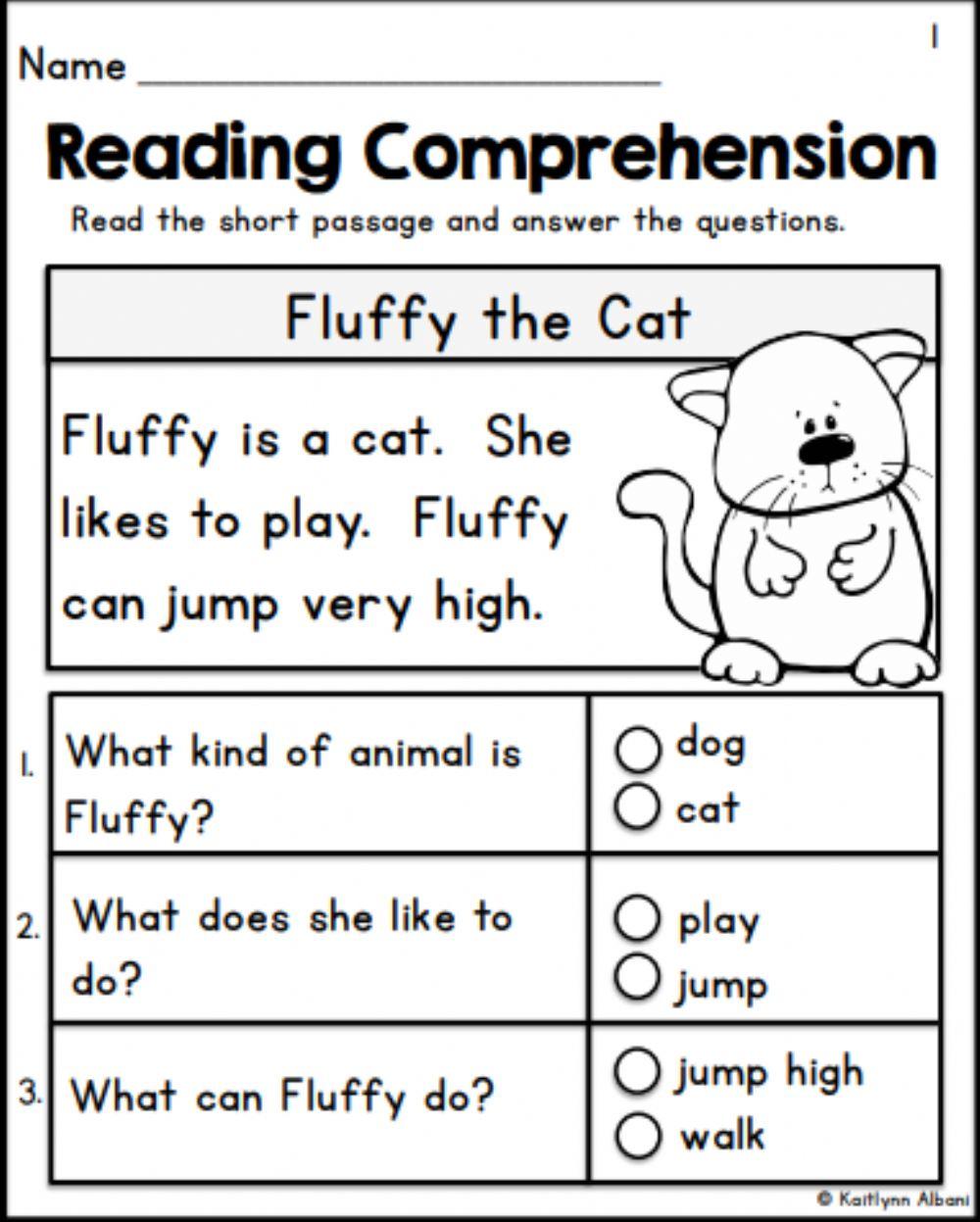
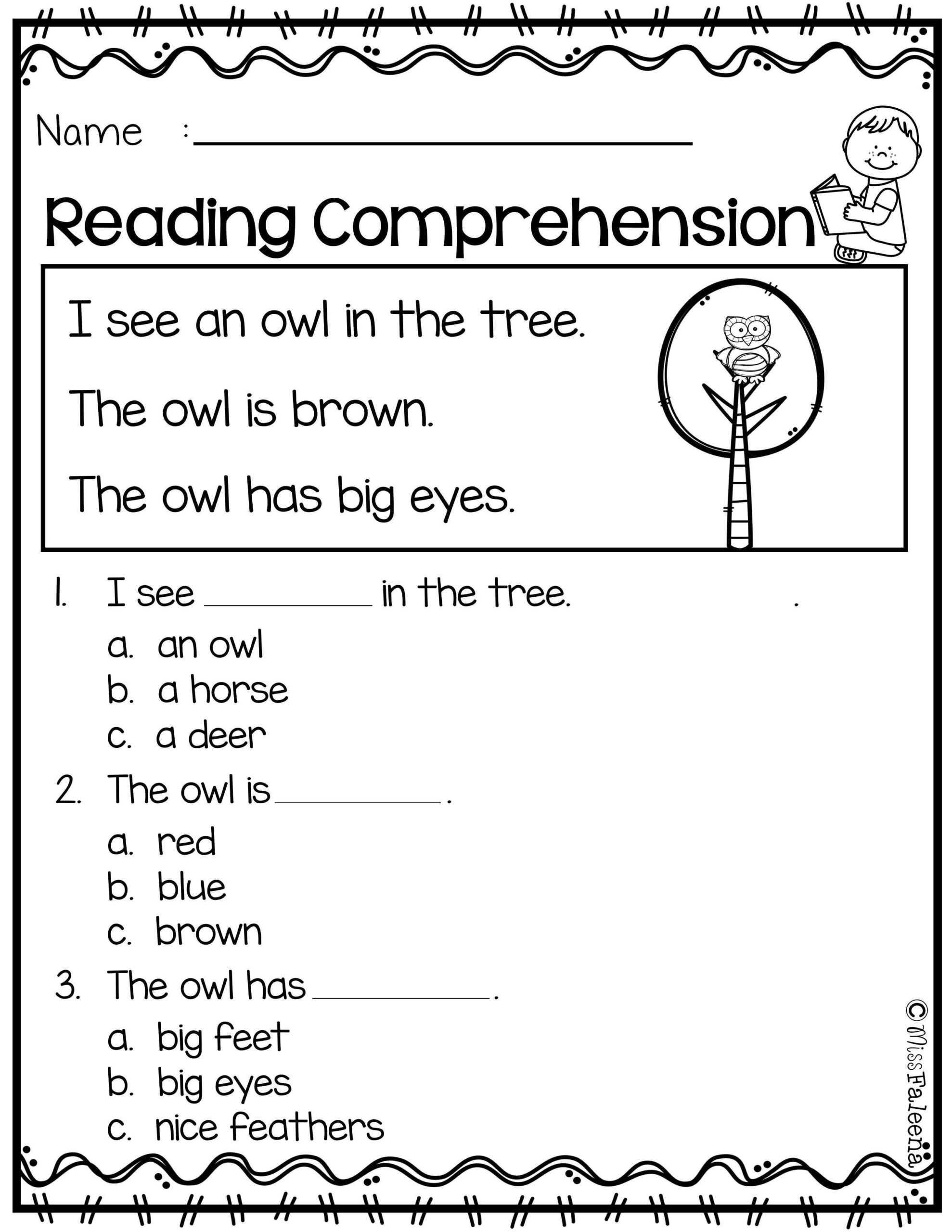
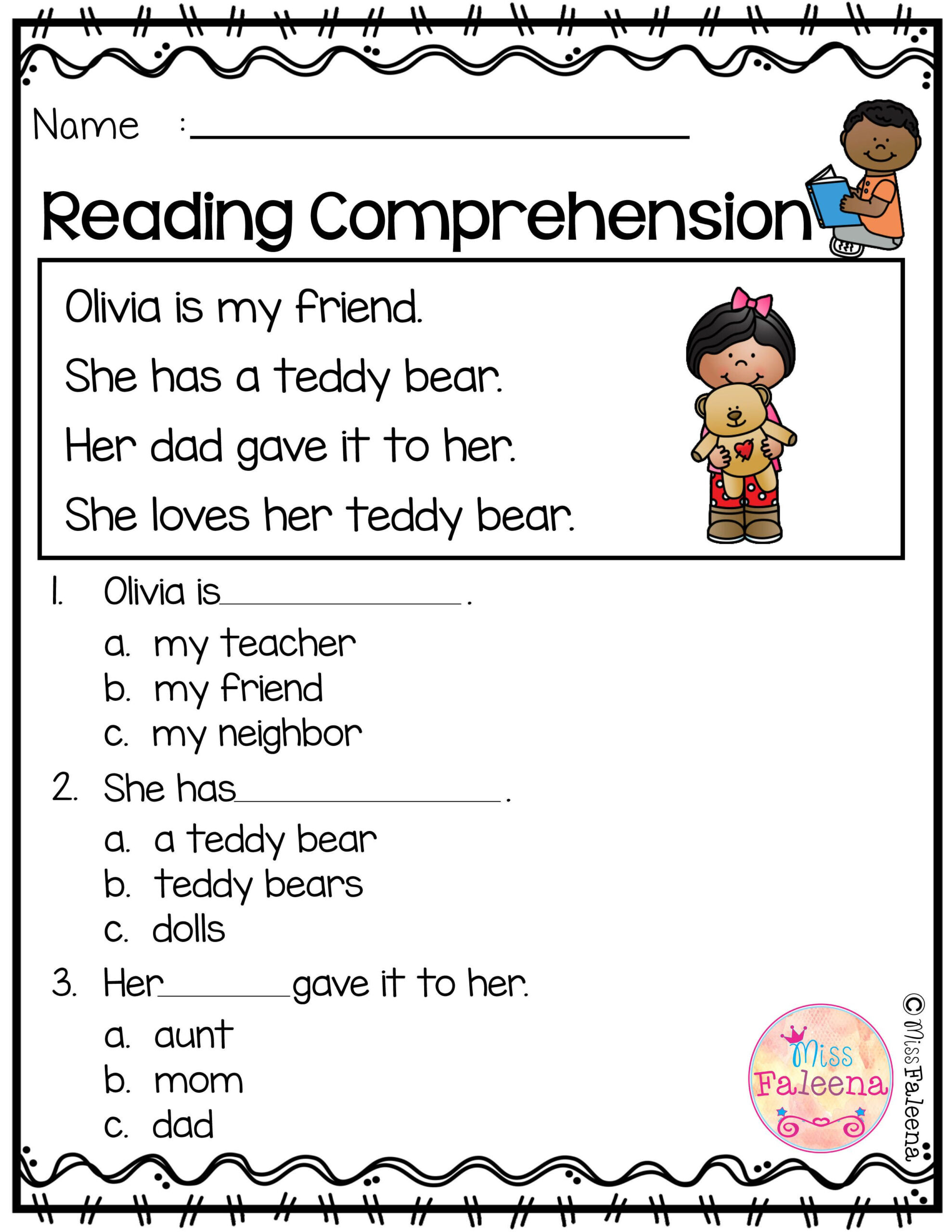
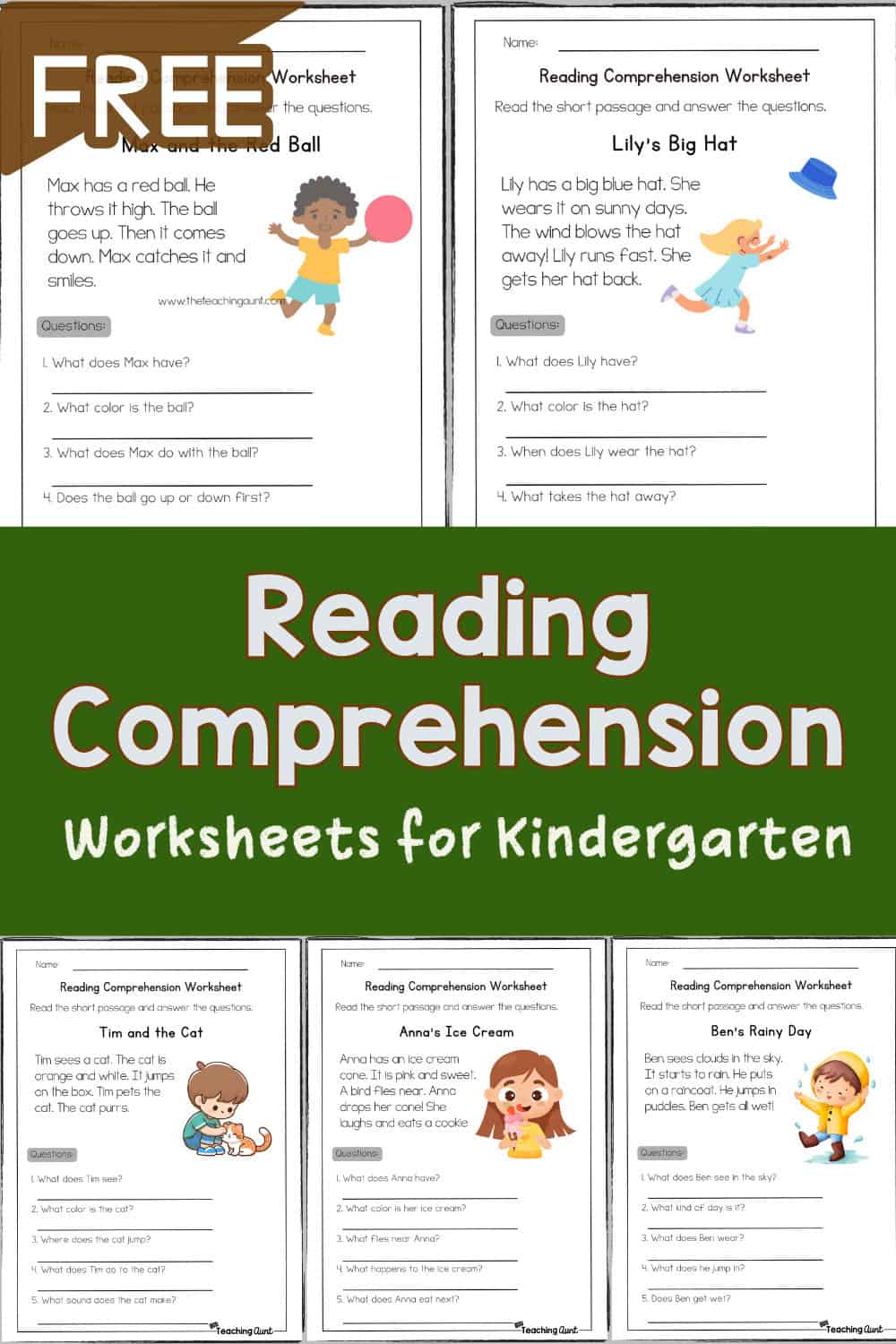
Reading comprehension is crucial for young learners. It forms the foundation for their future academic success and overall communication skills. By using worksheets specifically designed for kindergarten, you can introduce your child to various reading concepts in a structured and engaging manner. These worksheets typically include activities such as matching words to pictures, answering questions about a short story, or filling in missing words in sentences.
Integrating these worksheets into your daily routine can make a significant difference. For instance, setting aside just 15-20 minutes each day for reading activities can help reinforce what your child learns. This consistent practice is vital, as repetition aids in retention. Plus, it creates a routine that your child can look forward to, making learning feel less like a chore and more like an enjoyable activity.
Types of Worksheets Available
When searching for Reading And Comprehension Worksheets For Kindergarten, you’ll find a variety of formats and activities that cater to different learning styles. Here are some popular types:
- Story-based Worksheets: These include short stories followed by questions that test comprehension. They help children learn to recall details and summarize what they’ve read.
- Picture Comprehension: These worksheets present images with corresponding questions, encouraging kids to describe what they see and infer meanings.
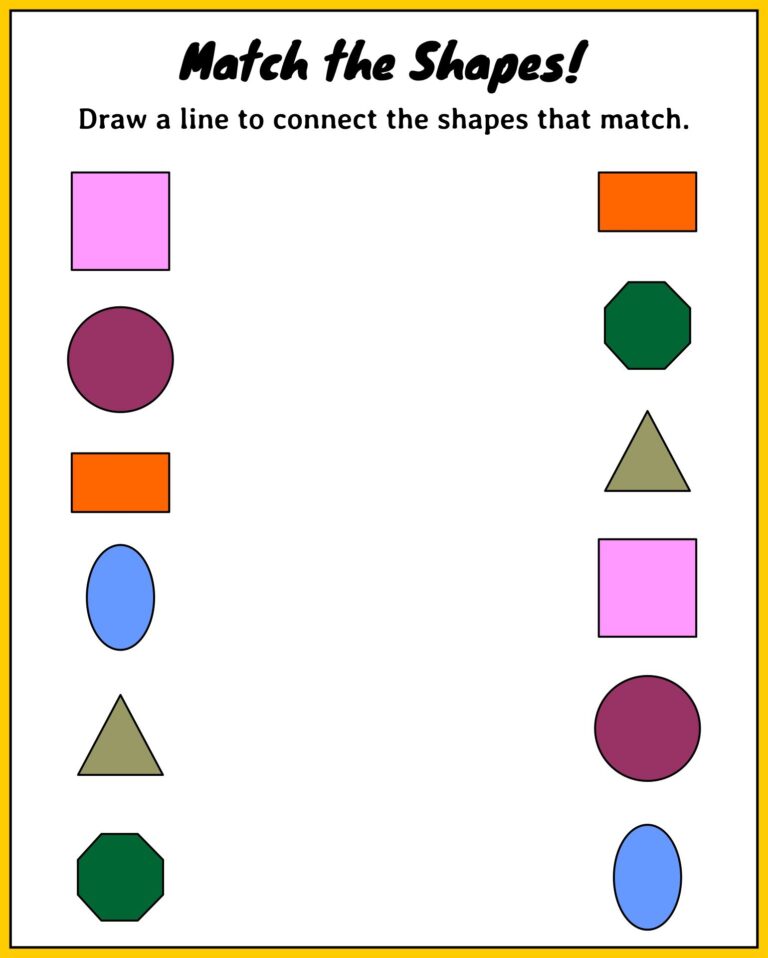
- Word Recognition Worksheets: These focus on helping children recognize sight words, which are fundamental in early reading. Activities might include matching words to pictures or completing sentences with the correct words.
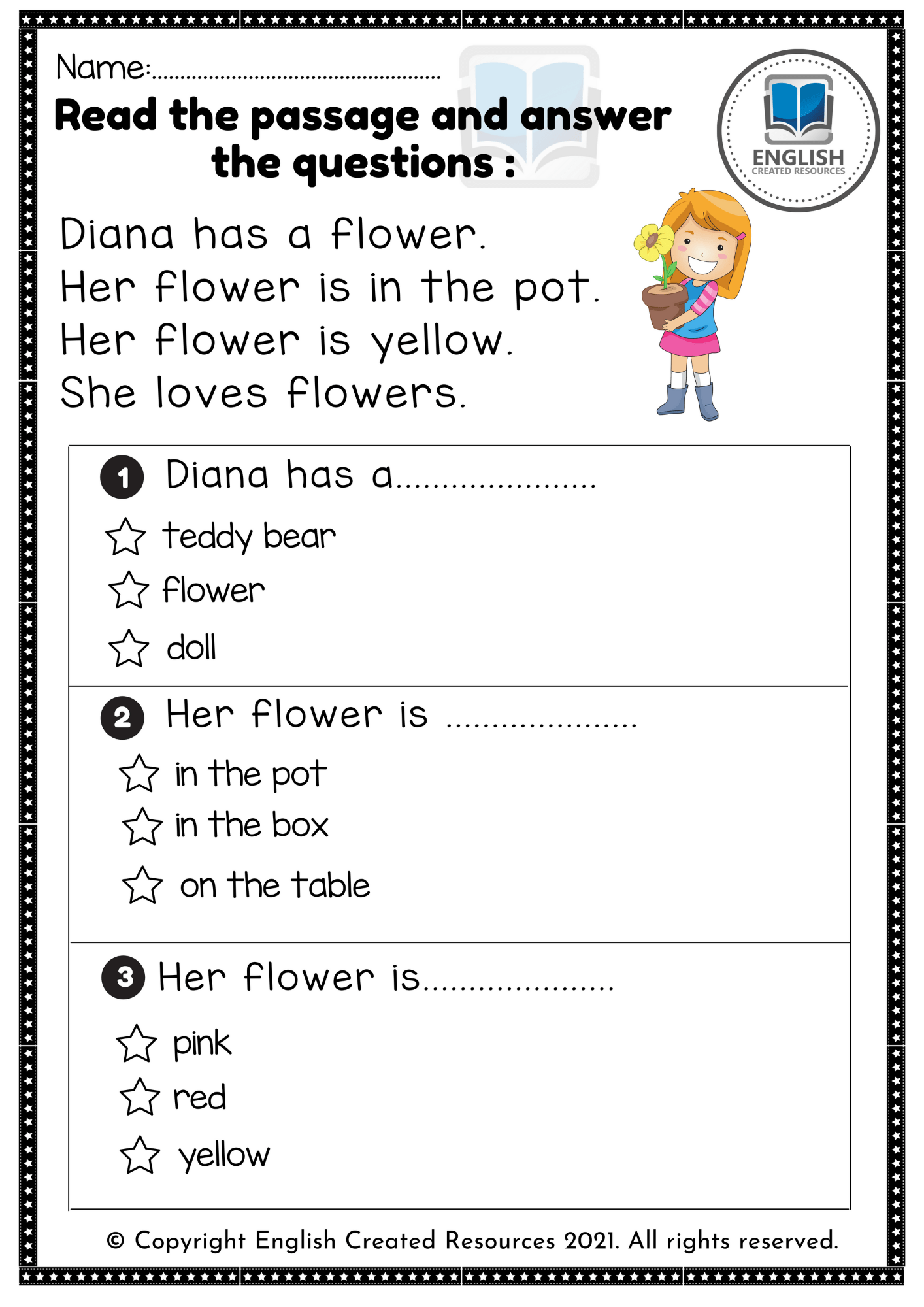
- Fill-in-the-blank Activities: These worksheets challenge kids to think critically about the context of sentences and improve their vocabulary.
By mixing these types of worksheets throughout the week, you can keep your child engaged and prevent learning fatigue.
How to Implement Worksheets in Your Routine
Incorporating Reading And Comprehension Worksheets into your daily routine doesn’t have to be overwhelming. Here’s a simple plan to follow:
- Set a Schedule: Choose a specific time each day for reading activities. Consistency helps your child anticipate and prepare for this learning time.
- Create a Comfortable Space: Designate a quiet, well-lit area for reading. Having a dedicated space can help your child focus better.
- Use a Variety of Worksheets: Rotate between different types of worksheets to keep things fresh. For example, one day could focus on story-based comprehension, while another day could center on word recognition.
- Encourage Discussion: After completing a worksheet, ask your child to talk about what they learned. This discussion reinforces their understanding and makes the activity interactive.
- Track Progress: Keep a folder or binder to store completed worksheets. Regularly reviewing past work can boost your child’s confidence and provide a sense of achievement.
Engaging Your Child Further
To enhance the experience of using Reading And Comprehension Worksheets For Kindergarten, consider these additional activities:
- Incorporate Storytime: Pair the worksheets with a storybook that complements the themes. Reading the story together can provide context for the worksheet activities.
- Use Technology: If you have access to a tablet or computer, look for interactive reading games that can supplement the worksheets. Many educational apps focus on reading and comprehension skills.
- Create a Reading Corner: Fill a small space with books, cushions, and your child’s favorite reading materials. This cozy corner can be a special place for reading and completing worksheets.
Where to Find Quality Worksheets
You may be wondering where to find the best Reading And Comprehension Worksheets For Kindergarten. Here are a few suggestions:
- Printable Resource Websites: Websites specializing in educational resources often have a dedicated section for kindergarten worksheets. Look for sites that allow you to filter by subject and grade level.
- Local Libraries: Many libraries offer free resources, including worksheets and reading programs designed for young children.
- Educational Blogs and Forums: Parents and teachers often share their homemade worksheets online. These can be great, free resources that provide unique activities not found in commercial materials.
When selecting worksheets, ensure they are age-appropriate and visually appealing. Bright colors and engaging illustrations can captivate your child’s attention and make learning more enjoyable.
Building a Reading Habit
As you introduce Reading And Comprehension Worksheets For Kindergarten into your child’s learning journey, remember that the key is to build a positive association with reading. Celebrate small achievements, whether they finish a worksheet or read a book independently. Your encouragement can significantly influence their attitude towards learning.
Make it a point to read together daily, even if it’s just for a few minutes. This routine not only strengthens their reading skills but also enhances your bond and creates lasting memories.
If you’re looking to take your child’s reading skills to the next level, consider creating a chart to track their progress. This visual representation can motivate them to reach their reading goals. You could even set up a small reward system for completing a certain number of worksheets or reading a specific number of books.
Using Reading And Comprehension Worksheets For Kindergarten is an excellent way to lay the groundwork for your child’s future learning. By incorporating these resources into your routine, you can provide a supportive, engaging environment that fosters a lifelong love of reading. Whether you opt for colorful printables or interactive online activities, the key is to make reading a fun and rewarding experience.
Reading And Comprehension Worksheets For Kindergarten Gallery