Solving Inequalities Practice Worksheets For Kindergarten Learners
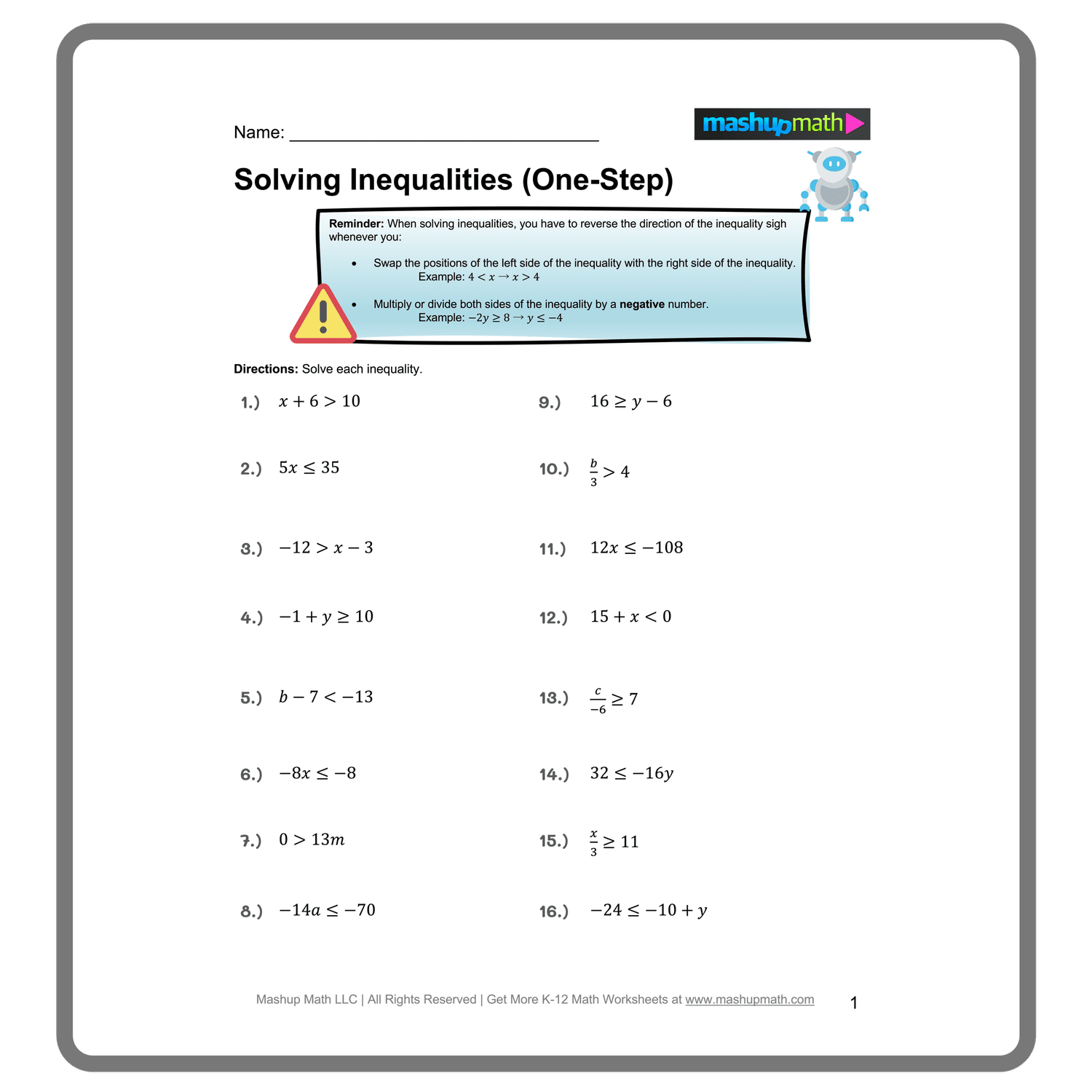
In the world of early childhood education, introducing young learners to foundational math concepts can be both challenging and rewarding. Solving Inequalities Practice Worksheets For Kindergarten Learners offers an engaging and effective way to help children understand the basics of inequalities. These worksheets provide a structured yet fun approach to learning, making it easy for teachers and parents to integrate them into their lesson plans.
Understanding Inequalities in Early Education
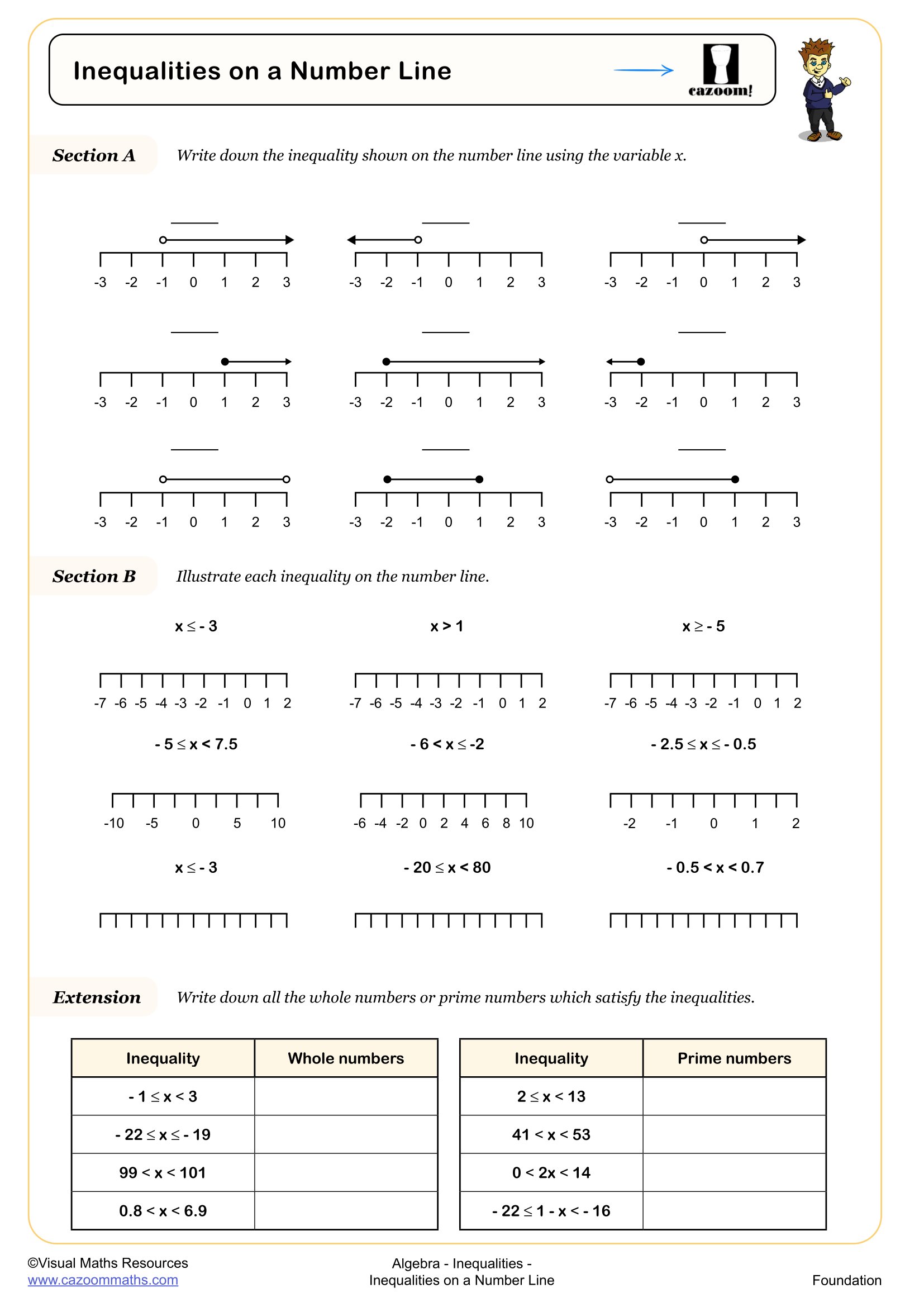
Before diving into the worksheets, it’s essential to understand what inequalities are. In simple terms, inequalities compare two values, showing if one is less than or greater than the other. For kindergarteners, this concept is introduced through visual aids and simple language, ensuring they grasp the idea without feeling overwhelmed.
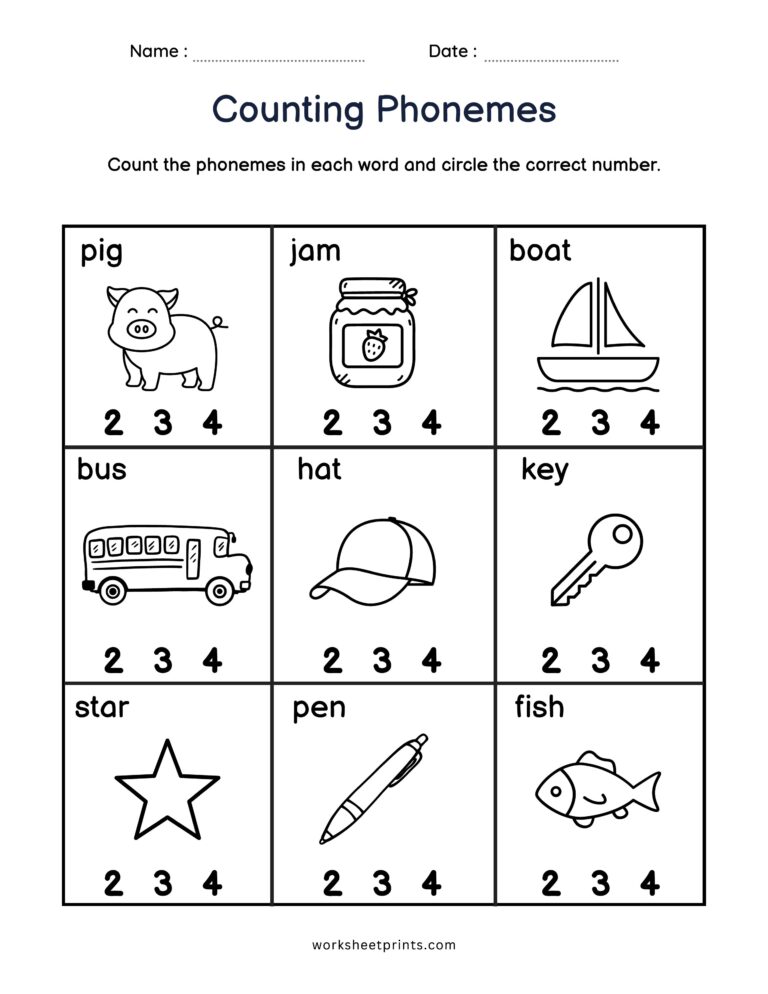
These worksheets typically feature colorful graphics and relatable scenarios, such as comparing the number of apples and oranges. This visual representation helps children connect the concept of inequalities with real-world examples, making learning more effective.
Key Features of the Worksheets
When selecting Solving Inequalities Practice Worksheets For Kindergarten Learners, look for specific features that enhance the learning experience:
- Visual Elements: Bright colors and engaging illustrations capture children’s attention. They can relate more to problems that involve their favorite animals or objects.
- Variety of Activities: Worksheets may include matching games, fill-in-the-blanks, and interactive problem-solving exercises. This variety keeps students engaged and caters to different learning styles.
- Clear Instructions: Each worksheet should have straightforward instructions, allowing children to work independently or with minimal guidance. This fosters confidence in their abilities.
- Gradual Progression: Worksheets are often designed to start with simple comparisons and gradually introduce more complex problems. This pacing helps maintain children’s interest while ensuring they understand each step.
Integrating Worksheets Into Lesson Plans
Incorporating Solving Inequalities Practice Worksheets into your teaching plan can be seamless with a few strategies:
- Daily Math Routine: Dedicate a portion of your daily schedule for math activities. Using these worksheets as a warm-up can help reinforce concepts already introduced.
- Group Activities: Encourage teamwork by having students work in pairs or small groups to solve inequalities. This collaborative approach promotes communication and problem-solving skills.
- Interactive Learning: Combine worksheets with hands-on activities. For example, use physical objects like blocks or counters to demonstrate inequalities before having students complete their worksheets.
- Assessment Tool: Use the worksheets as informal assessments to gauge student understanding. This can help you identify areas where additional support may be needed.
Suggested Pacing for Different Learning Environments
When using these worksheets, pacing is crucial, especially for kindergarten learners. Here’s a suggested timeline to fit these worksheets into various learning environments:
- Classroom Setting: Aim for 15-20 minutes of worksheet time, allowing students to complete one or two sheets per session. Follow up with a discussion to reinforce the concepts learned.
- Homeschooling: Incorporate worksheets into your daily routine, spending about 10-15 minutes each day. This consistency helps solidify understanding over time.
- At-Home Practice: For parents, these worksheets can be excellent tools for after-school practice. Set aside 10-15 minutes for fun math time, pairing the worksheets with a snack or a favorite toy for motivation.
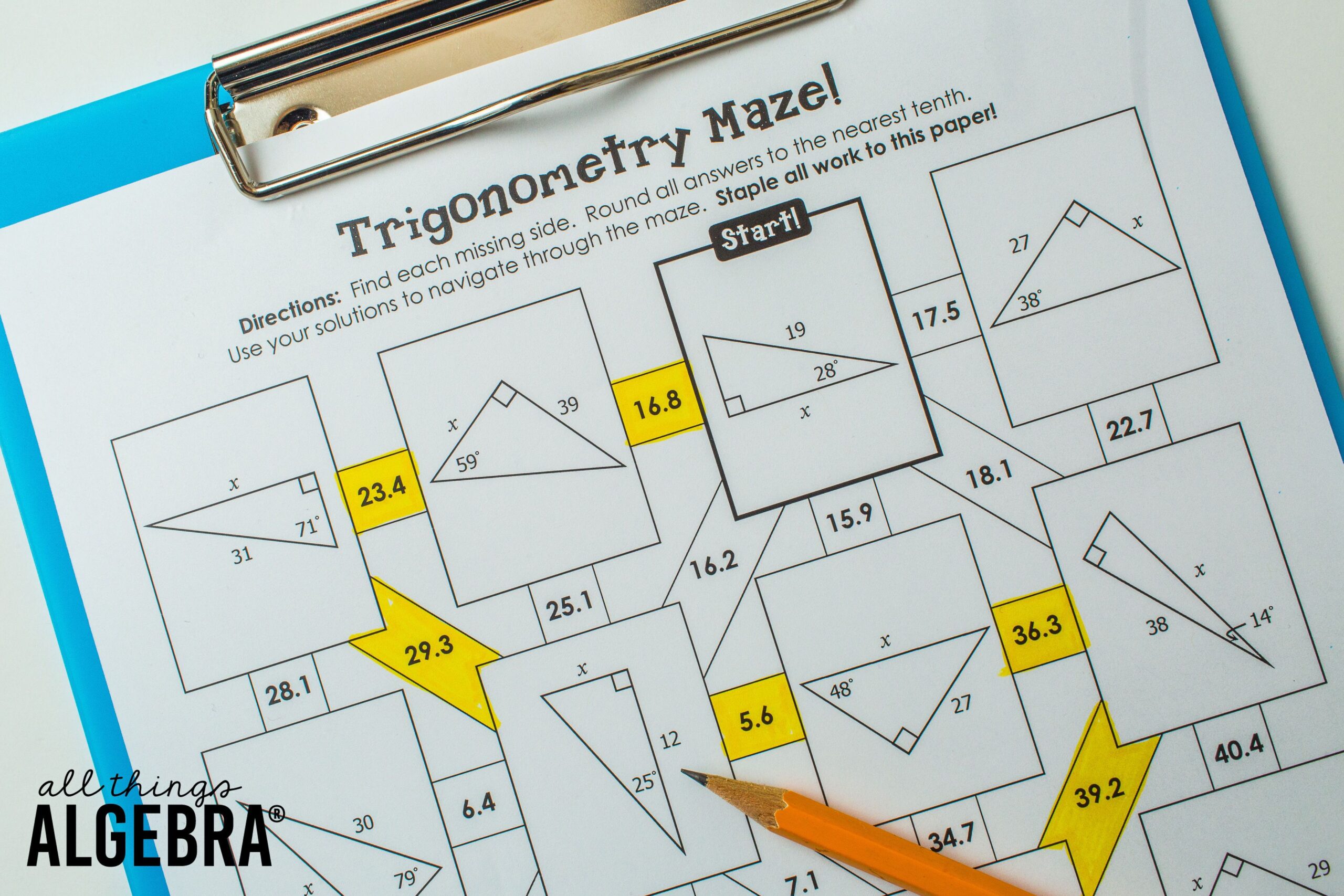
Customizing Worksheets for Diverse Learners
Every child learns differently, and it’s essential to adapt the worksheets to meet various needs. Here are some tips for customization:
- Differentiated Levels: Offer different worksheets based on students’ abilities. Some may need simpler problems, while others can handle more complex inequalities.
- Incorporate Technology: If available, use interactive apps or online resources that mimic the worksheets. This can make learning more dynamic and appealing to tech-savvy learners.
- Visual Supports: Provide additional visual aids, such as number lines or inequality symbols, to help students who may struggle with abstract concepts.
By tailoring the learning experience, you can ensure that all kindergarten learners benefit from Solving Inequalities Practice Worksheets.