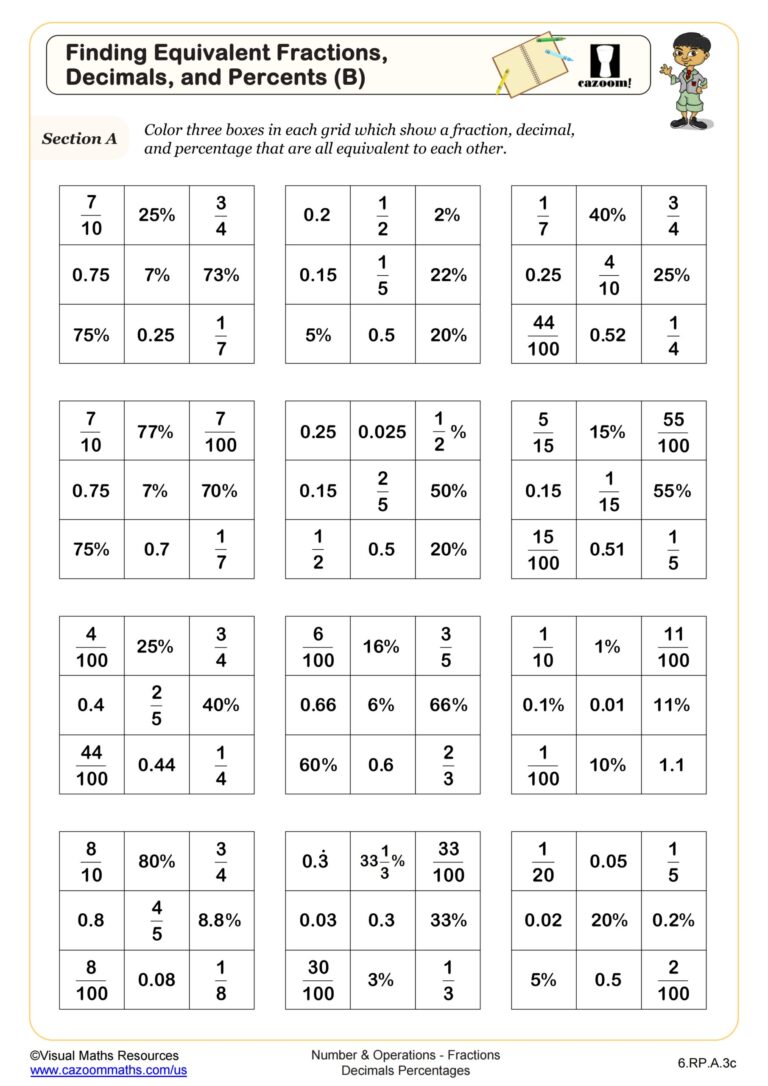
Printable Solving Inequalities Activities For Kindergarten Students
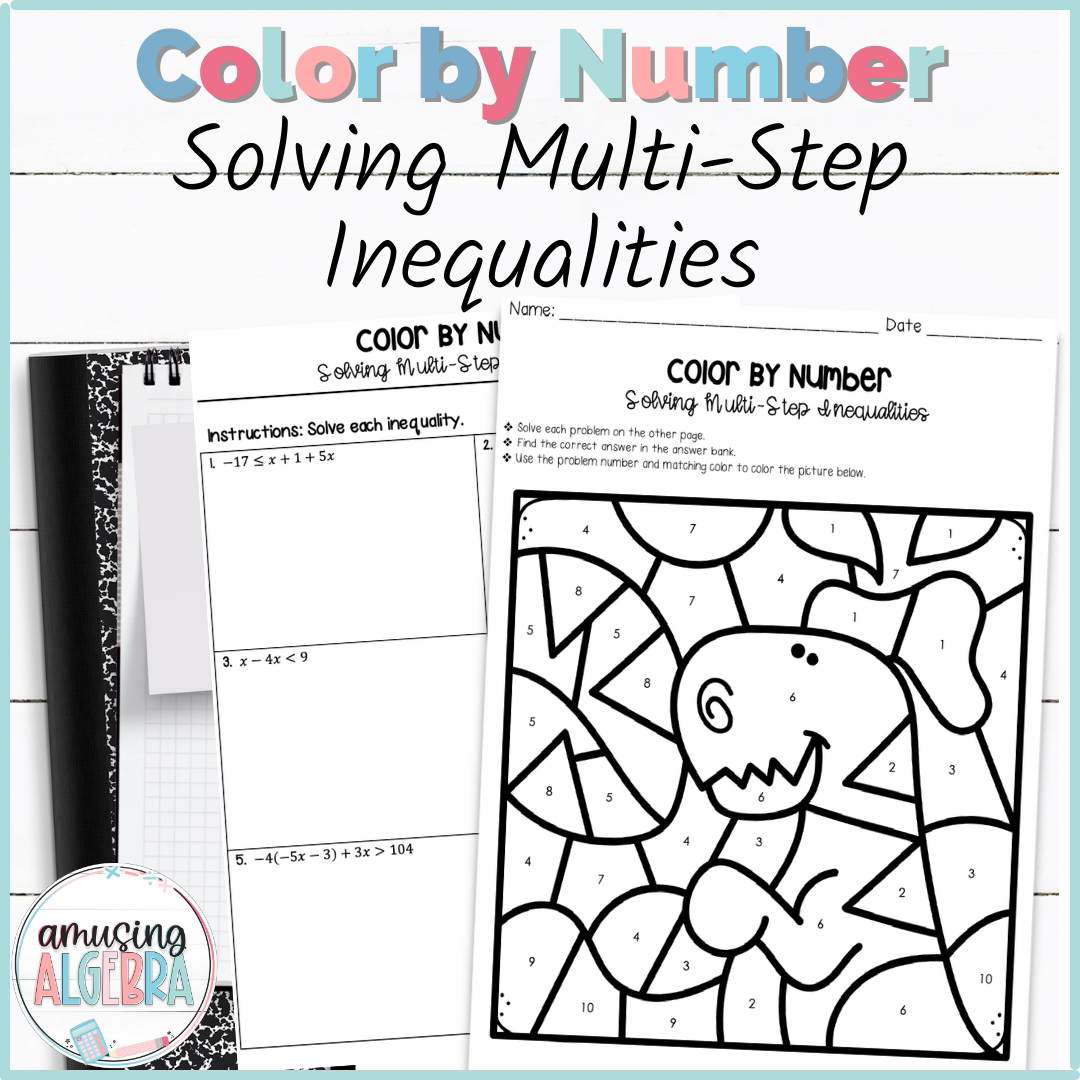
Teaching kindergarten students about inequalities can be a challenge. Young learners often struggle to grasp abstract concepts, making it essential to present these ideas in engaging and interactive ways. Printable Solving Inequalities Activities For Kindergarten Students provide a practical solution. These activities help children understand greater than and less than relationships through hands-on practice and visual aids.
Understanding the Importance of Inequalities in Early Math Education
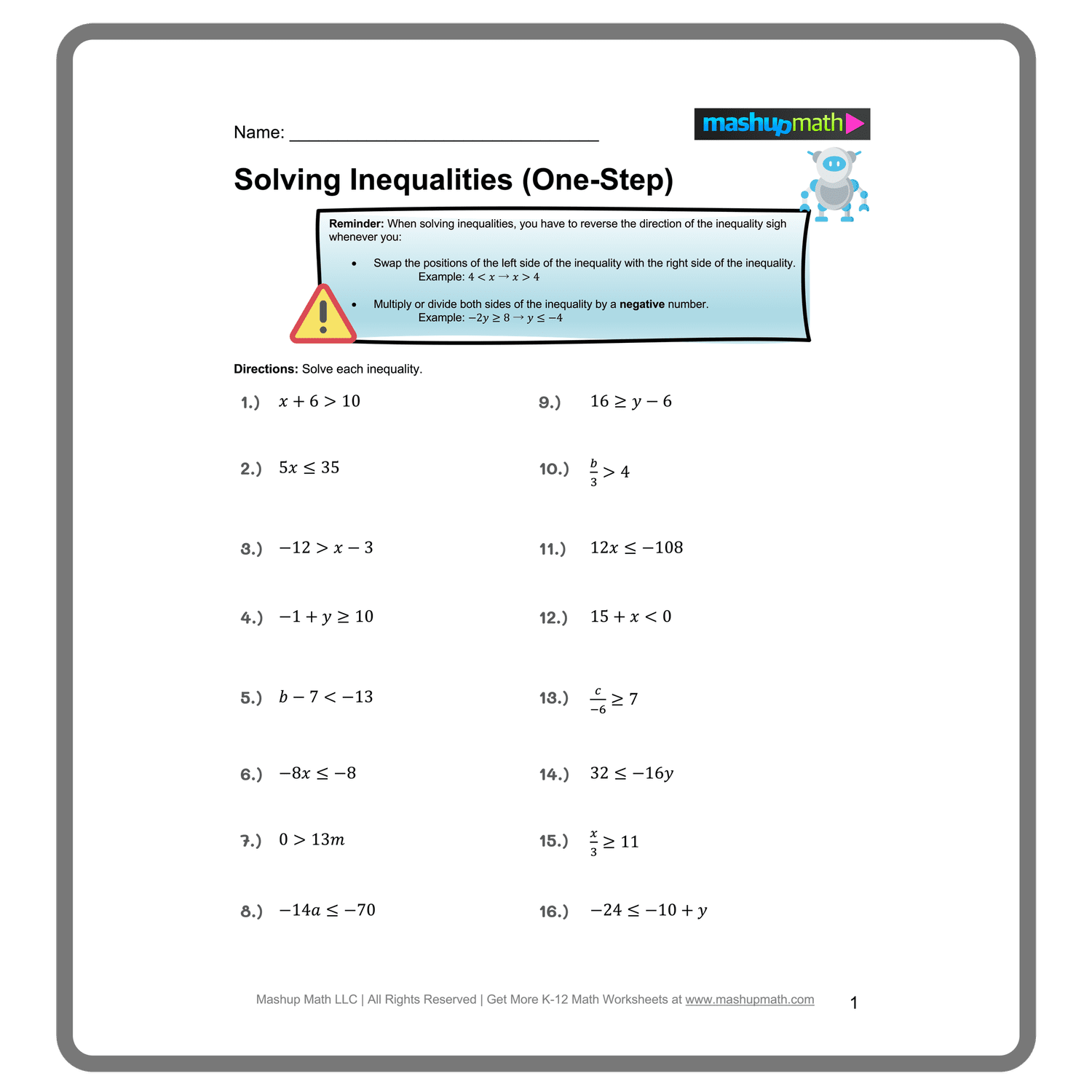
Introducing inequalities in kindergarten lays a strong foundation for future math skills. Recognizing that some numbers are larger or smaller than others is crucial for understanding more complex mathematical concepts later. Activities that focus on inequalities can enhance critical thinking and problem-solving skills.
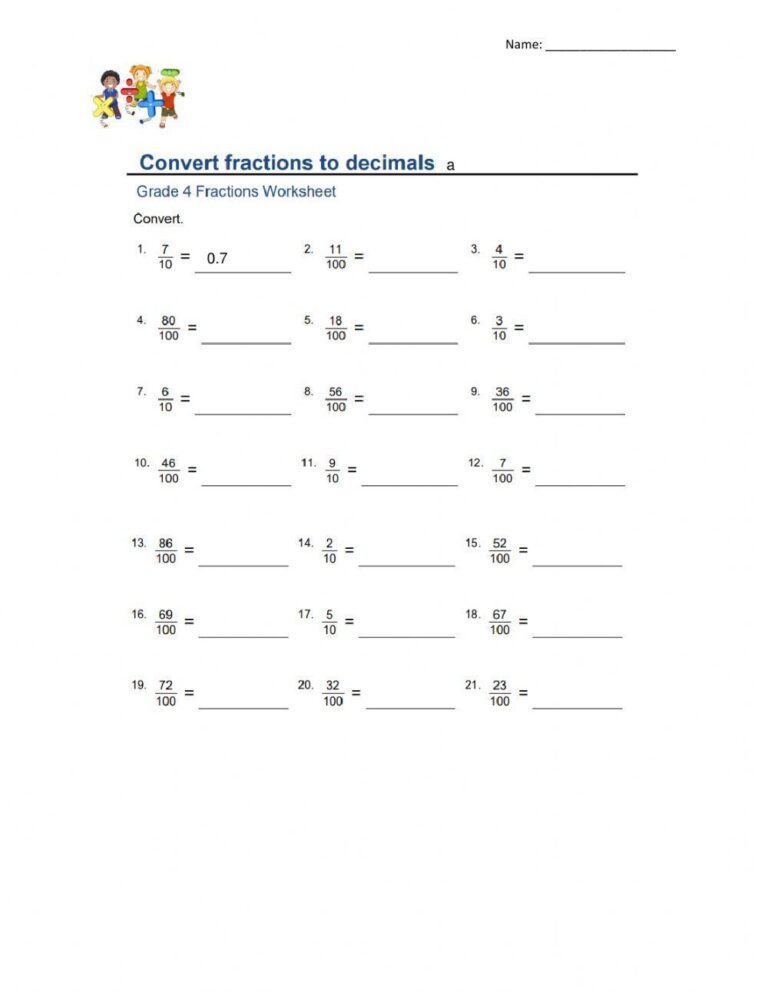
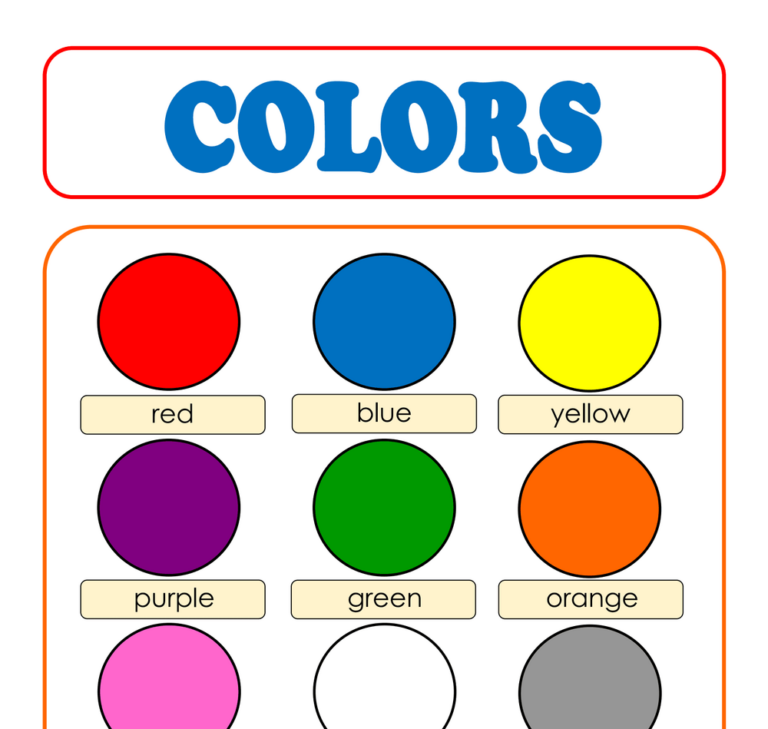
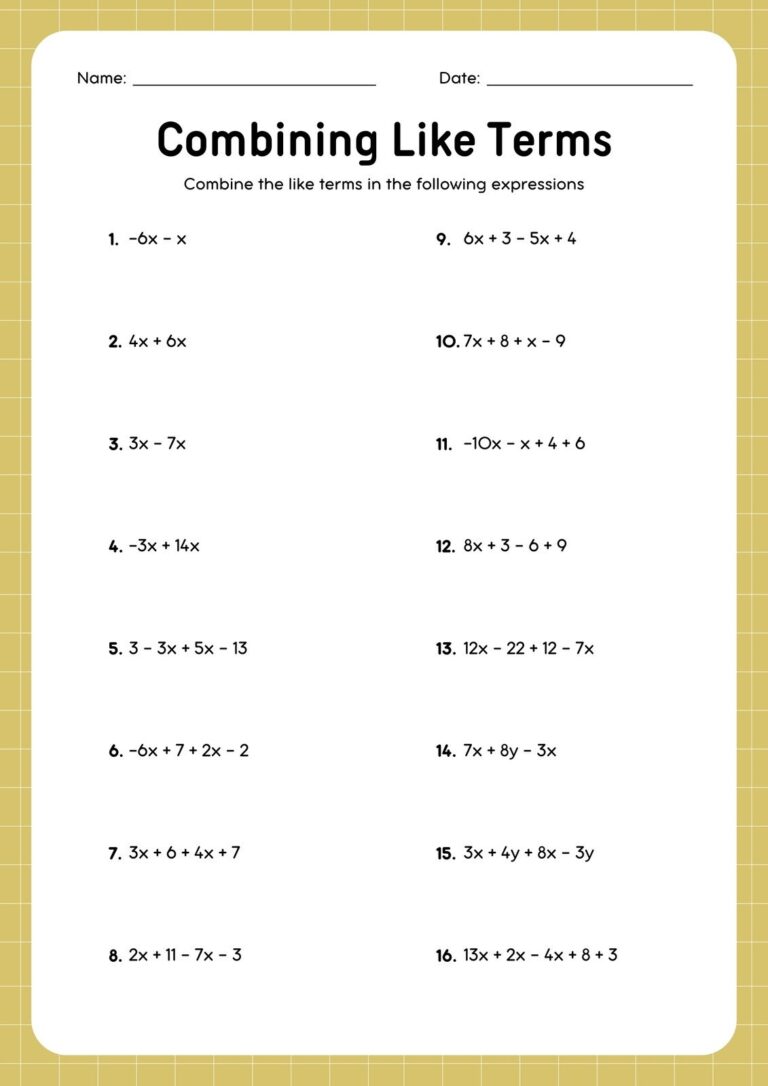
For kindergartners, these activities should be colorful, engaging, and easy to understand. Simple worksheets featuring images and interactive elements can make the learning process enjoyable. When students can visualize the relationships between numbers, they are more likely to grasp the concepts effectively.
Selecting the Right Printable Resources
When looking for printable solving inequalities activities, consider the following criteria:
- Age Appropriateness: Ensure the activity is designed for kindergarten students. Look for resources that use simple language and concepts appropriate for early learners.
- Visual Engagement: Choose activities that include pictures, graphics, or colorful designs. Visual aids help maintain children’s interest and reinforce learning.
- Variety of Formats: Select resources that offer different formats, such as worksheets, coloring pages, and interactive games. This variety keeps students engaged and caters to different learning styles.
- Clear Instructions: Look for printables with straightforward instructions. Teachers and parents should be able to guide students through the activities without confusion.
Downloading and Printing Your Activities
Once suitable printable resources are identified, the next step is downloading and printing them. Here are some tips to ensure the best results:
- File Format: Most resources will be available in PDF format. PDFs maintain formatting and are compatible with various devices. This ensures that images and text appear as intended when printed.
- Printer Settings: For best results, use a color printer. Adjust the print settings to ensure the document fits the page correctly. Portrait layout generally works well for worksheets.
- Paper Type: Standard printer paper is sufficient for most activities. However, using cardstock can enhance durability, especially for activities that involve cutting or frequent handling. If you plan to laminate the worksheets for repeated use, cardstock is the best choice.
Setting Up the Activities for Effective Learning
Preparation is key to a successful learning experience. Here’s how to set up printable solving inequalities activities:
- Organize Materials: Before the lesson, gather all necessary materials, including scissors, crayons, and any other supplies mentioned in the activity instructions.
- Create a Comfortable Learning Space: Set up a designated area where students can work on their activities. Ensure it’s free from distractions and has enough space for each child to spread out their materials.
- Introduce the Concept: Begin the lesson by explaining the concept of inequalities. Use simple language and examples that relate to students’ everyday experiences, such as comparing the number of apples or toys.
- Model the Activity: Demonstrate how to complete the first worksheet together. Walk through the steps, showing students how to identify inequalities using visual aids or manipulatives.
Monitoring Progress and Mastery
As students work through the printable solving inequalities activities, it’s essential to monitor their progress. Here are strategies to assess understanding:
- Observe Participation: Pay attention to how engaged students are during the activities. Are they excited to complete the tasks? Do they ask questions?
- Check for Understanding: After completing an activity, ask students to explain their thought process. This will help identify whether they truly grasp the concept of inequalities.
- Provide Feedback: Offer constructive feedback as students work. Positive reinforcement encourages them to keep trying, while gentle corrections help guide them toward mastery.
Encouraging Further Practice at Home
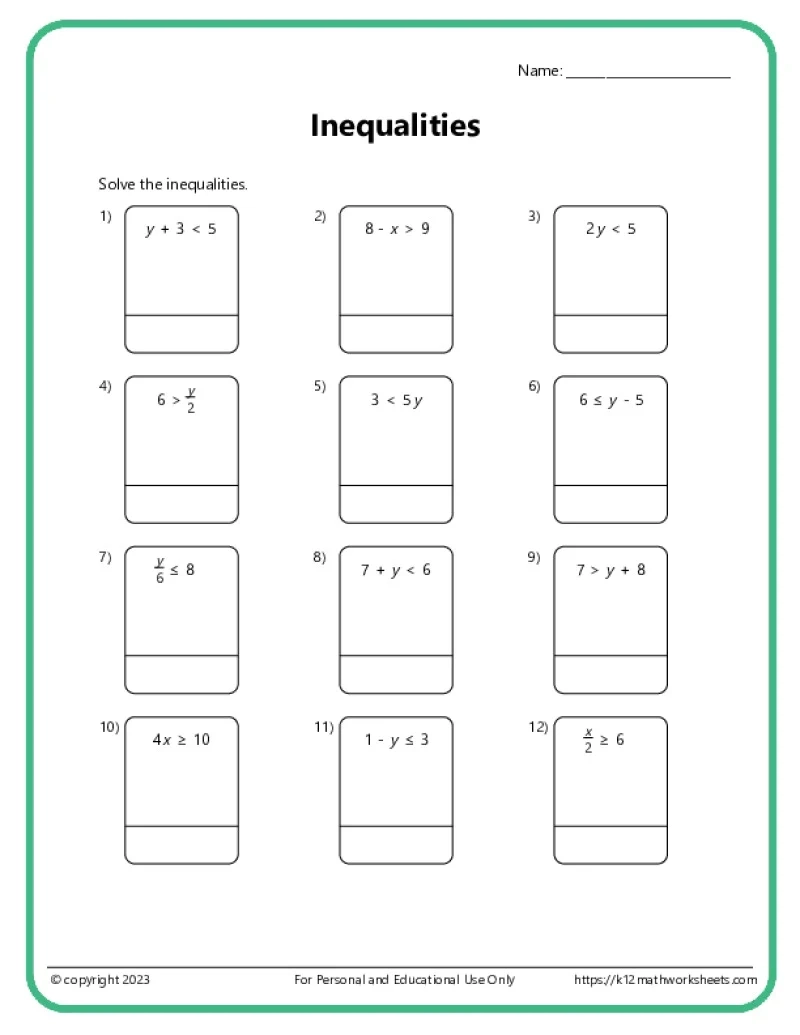
To reinforce learning outside the classroom, provide parents with suggestions for additional practice. Here are some ideas:
- Real-Life Comparisons: Encourage parents to engage their children in everyday activities that involve comparing quantities. For example, they can compare the number of snacks or toys.
- Interactive Games: Recommend simple games that involve inequalities, such as “Greater Than, Less Than” using household items. This playful approach helps solidify understanding.
- Follow-Up Worksheets: Share links to additional printable resources that parents can use at home. This allows for continued practice and helps maintain momentum in learning.
By providing structured, engaging activities, educators can effectively teach kindergarten students about inequalities. Printable Solving Inequalities Activities For Kindergarten Students make learning fun and interactive, laying the groundwork for future math success.
To get started, download a set of these activities today, and watch as students develop their understanding of inequalities through hands-on exploration and practice. Having a variety of resources ensures that learning remains fresh and exciting, promoting a lifelong love for math.