World War 1 Reading Comprehension Worksheets
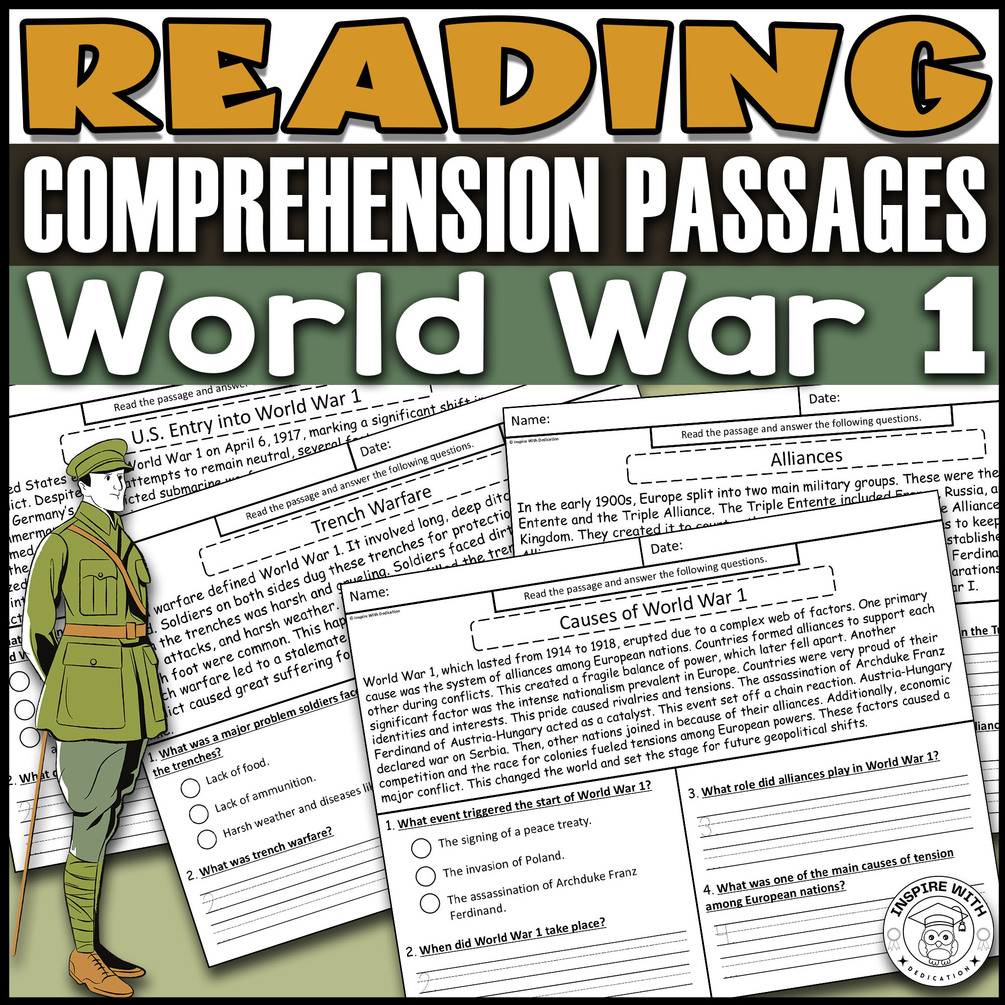
Understanding historical events like World War I can be challenging for students, but using well-crafted reading comprehension worksheets can make the process easier and more engaging. These World War 1 Reading Comprehension Worksheets are designed for various grade levels, making them suitable for both classroom and homeschool settings. With engaging content and structured questions, they help students develop critical reading skills while exploring significant historical events.
Choosing the Right Worksheets
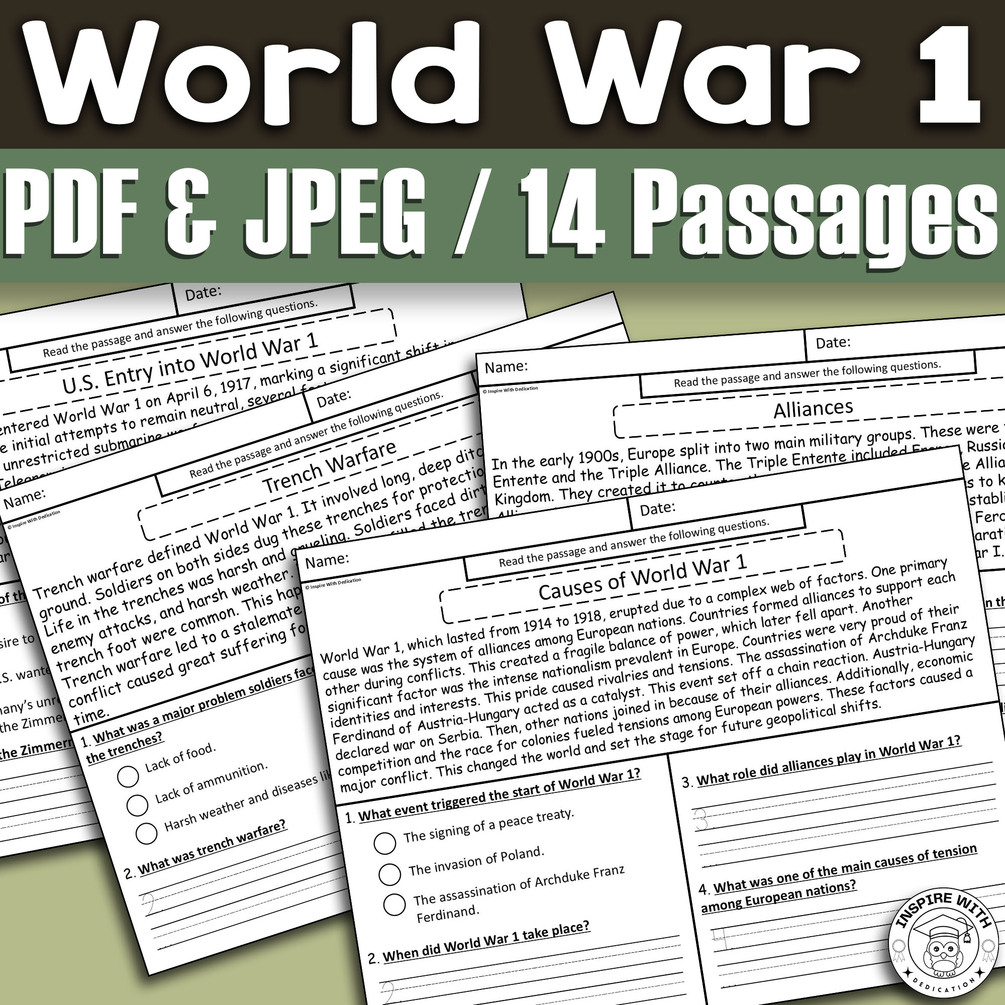
When selecting World War 1 Reading Comprehension Worksheets, consider the grade level of your students. Worksheets aimed at elementary students often include simpler texts with guiding questions, while those for middle or high school students may involve more complex narratives and analytical questions. Look for worksheets that include:
- Clear, age-appropriate language.
- A mix of multiple-choice and open-ended questions to encourage different levels of thinking.
- Contextual information about key events, figures, and themes from World War I.
By choosing the right worksheets, you ensure that your students are engaged and challenged at their respective reading levels.
Downloading and Printing the Worksheets
Once you’ve selected the appropriate World War 1 Reading Comprehension Worksheets, the next step is to download and print them. Most worksheets are available in PDF format, which preserves the layout and ensures that they print correctly. Here are some tips for this process:
- Check Printer Settings: Use standard A4 or letter-sized paper for best results. Ensure your printer settings are adjusted to print in portrait orientation, as this is the most common layout for worksheets.
- Quality Matters: If you have the option, print on heavier paper or cardstock. This can make the worksheets more durable, especially if they are going to be used in a classroom setting.
- Consider Laminating: For repeated use, consider laminating the worksheets. This allows students to write on them with dry-erase markers, making it easy to reuse the same materials without waste.
Setting Up for Classroom Use
Before distributing the worksheets to your students, take a moment to set up the classroom environment for optimal learning. Here are some practical steps:
- Group Students: Depending on the complexity of the worksheets, consider grouping students by their reading levels. This will allow you to provide targeted support where needed.
- Provide Background Context: Before handing out the worksheets, give a brief overview of World War I to activate prior knowledge. This can include discussing major events, figures, and the war’s impact on the world.
- Explain the Goals: Clearly outline what you expect from the students. Encourage them to focus on comprehension, critical thinking, and drawing connections to broader historical themes.
Monitoring Progress and Mastery
As students complete the World War 1 Reading Comprehension Worksheets, it’s essential to monitor their understanding. Here are some strategies to assess their mastery:
- Review Answers Together: After students finish, hold a discussion to review answers. This helps clarify misconceptions and reinforces learning through peer discussion.
- Check for Understanding: Ask follow-up questions to gauge their comprehension. For example, “What was the significance of the Treaty of Versailles?” encourages students to think critically about the material.
- Use Rubrics: If assessing written responses, consider using a rubric that outlines criteria such as clarity of thought, use of evidence from the text, and overall engagement with the material. This provides students with clear expectations.
By following these steps, you can effectively incorporate World War 1 Reading Comprehension Worksheets into your teaching, facilitating deeper understanding and engagement with historical content.
When selecting these resources, remember that worksheets should not only test comprehension but also inspire curiosity about history. One useful detail to consider is that incorporating visuals, such as maps or photographs from the era, alongside the worksheets can enhance the learning experience and provide additional context.