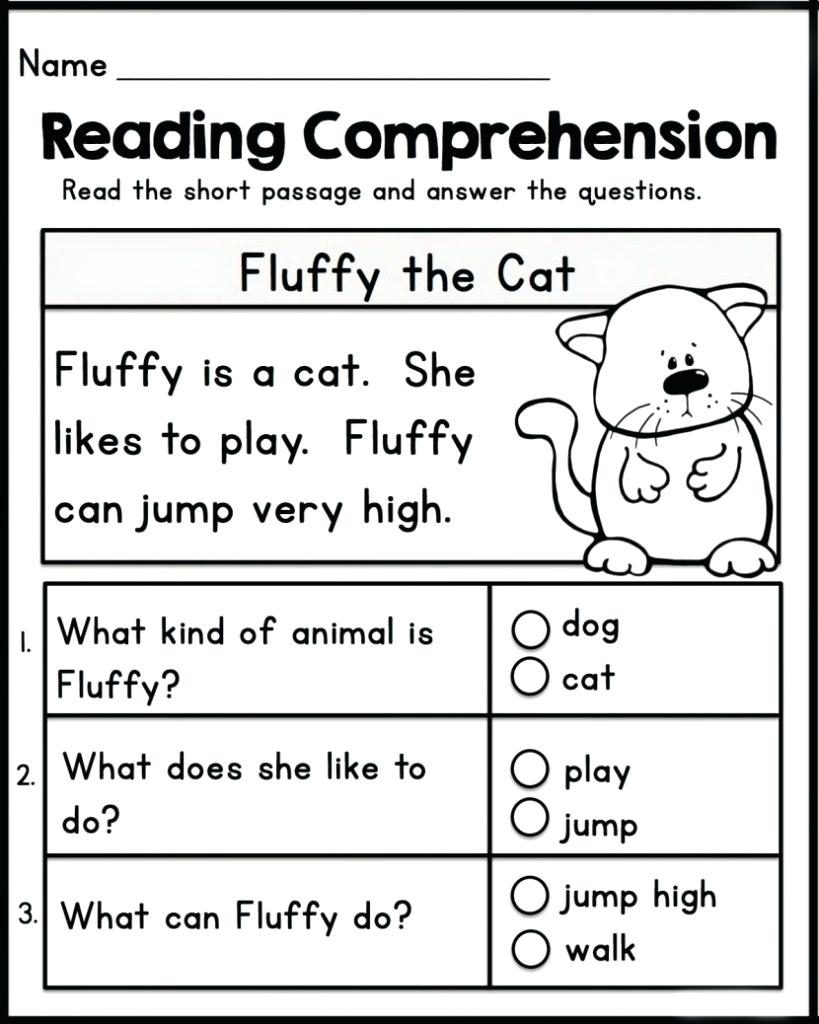
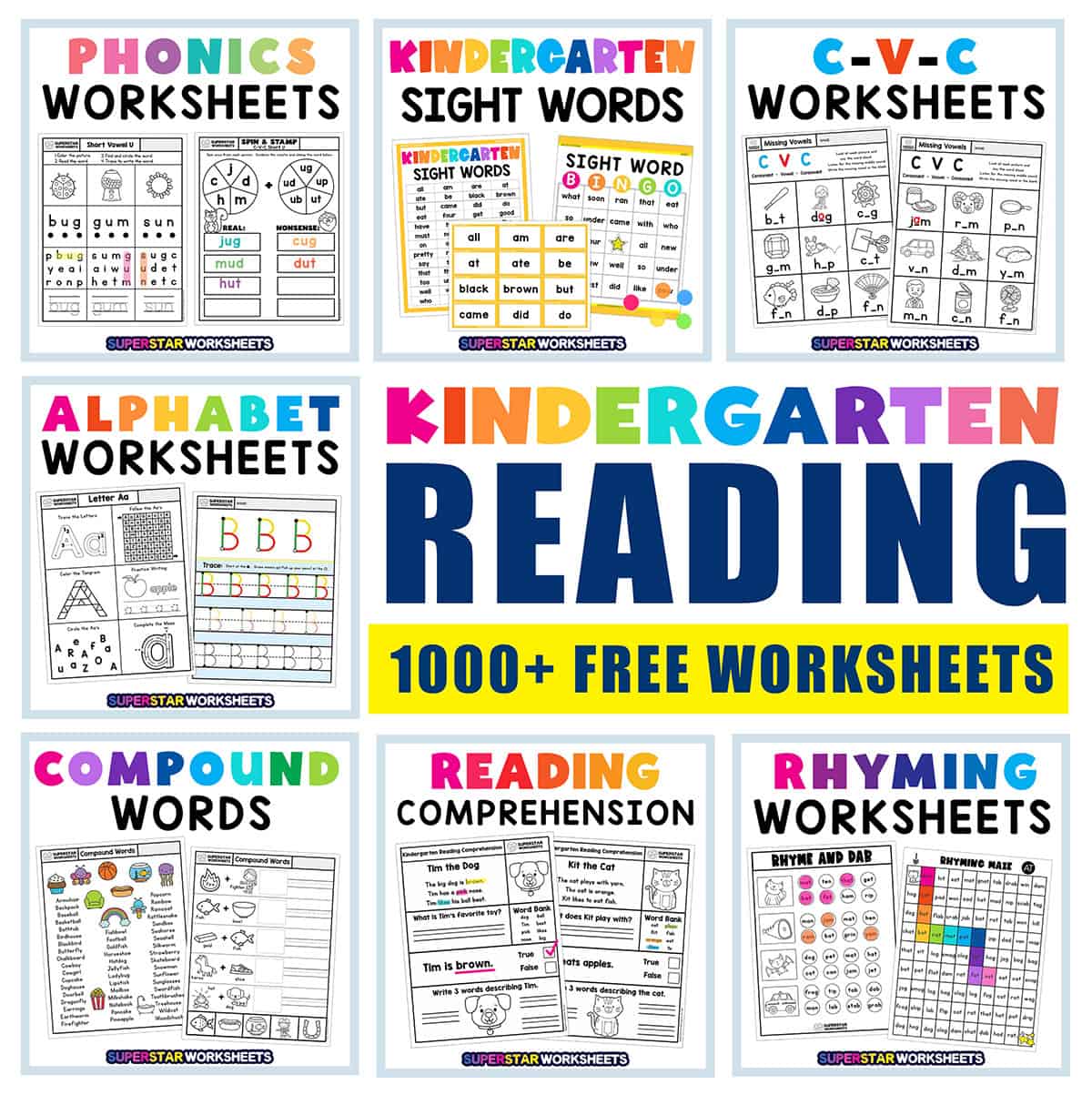
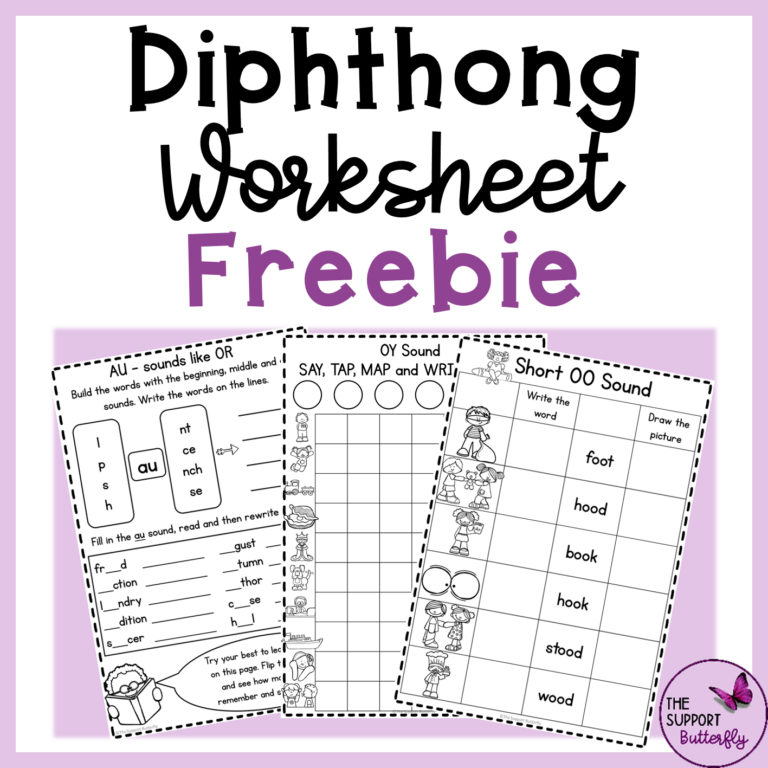
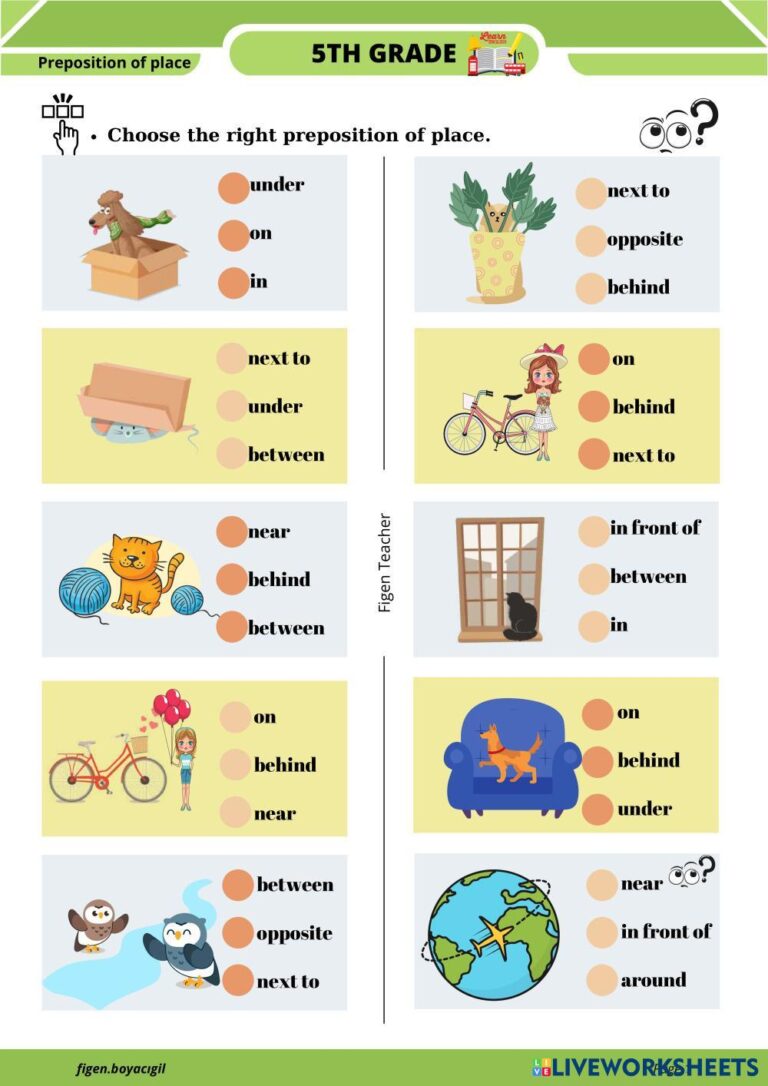
Reading Comprehension Worksheet For Kindergarten
Reading comprehension is a crucial skill for young learners, and the Reading Comprehension Worksheet For Kindergarten is an excellent tool for nurturing this ability in your little ones. If you are a parent, teacher, or caregiver, these worksheets can help children develop their understanding of texts while engaging them in a playful and educational manner.
Why Reading Comprehension Matters
As children transition from preschool to kindergarten, they encounter a variety of texts that challenge their understanding. Reading comprehension is not just about decoding words; it’s about grasping the meaning behind those words. A Reading Comprehension Worksheet For Kindergarten can help reinforce these skills by providing structured activities that encourage children to think critically about what they read.
By using these worksheets, you can assist your child in making connections between the text and their own experiences. This connection fosters a deeper understanding and retention of the material, making reading a more enjoyable experience.
What to Look for in a Reading Comprehension Worksheet
When selecting a Reading Comprehension Worksheet For Kindergarten, consider the following elements:
- Age Appropriateness: Ensure that the worksheet is designed for kindergarten-level readers. The vocabulary and content should be simple and engaging.
- Interactive Elements: Look for worksheets that include illustrations, questions, and activities that require children to interact with the text. This engagement helps keep young readers focused.
- Variety of Formats: Worksheets can include different types of exercises, such as multiple-choice questions, fill-in-the-blanks, or drawing activities. This variety can cater to different learning styles.
- Clear Instructions: The worksheets should have straightforward instructions, making it easy for both children and caregivers to understand what is expected.
Incorporating Worksheets Into Daily Learning
Using a Reading Comprehension Worksheet For Kindergarten doesn’t have to be a chore. Here are some practical tips for integrating them into your daily routine:
- Set a Regular Reading Time: Establish a specific time each day for reading activities. This could be part of your morning routine or a calming bedtime ritual. Consistency helps children know what to expect.
- Pair with Storytime: Before or after reading a story, use the worksheet to discuss the plot, characters, and setting. This can enhance comprehension and make the worksheet feel relevant and meaningful.
- Encourage Creativity: After completing the worksheet, ask your child to draw their favorite part of the story or create a new ending. This encourages them to think creatively while reinforcing their understanding of the text.
- Use as Assessment Tools: If you’re a teacher or homeschooler, these worksheets can serve as informal assessments. By reviewing your child’s responses, you can gauge their comprehension skills and identify areas that may need more focus.
Examples of Activities in a Reading Comprehension Worksheet
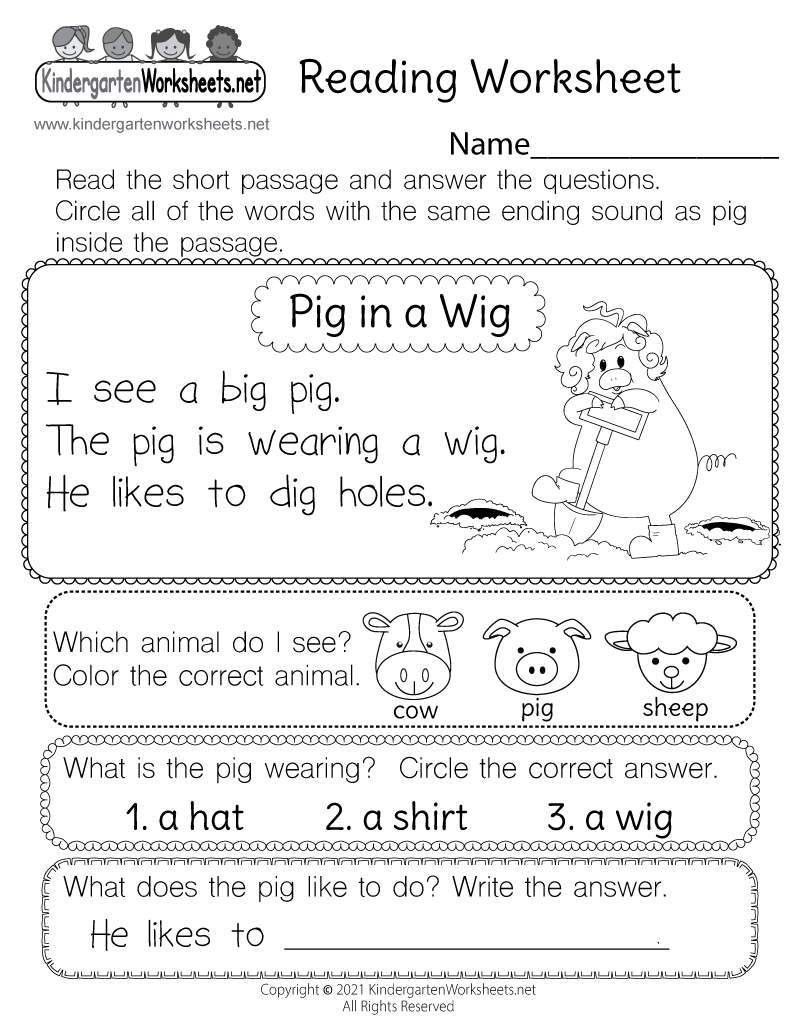
A well-designed Reading Comprehension Worksheet For Kindergarten will typically include a mix of activities that foster comprehension skills. Here are some examples of what you might find:
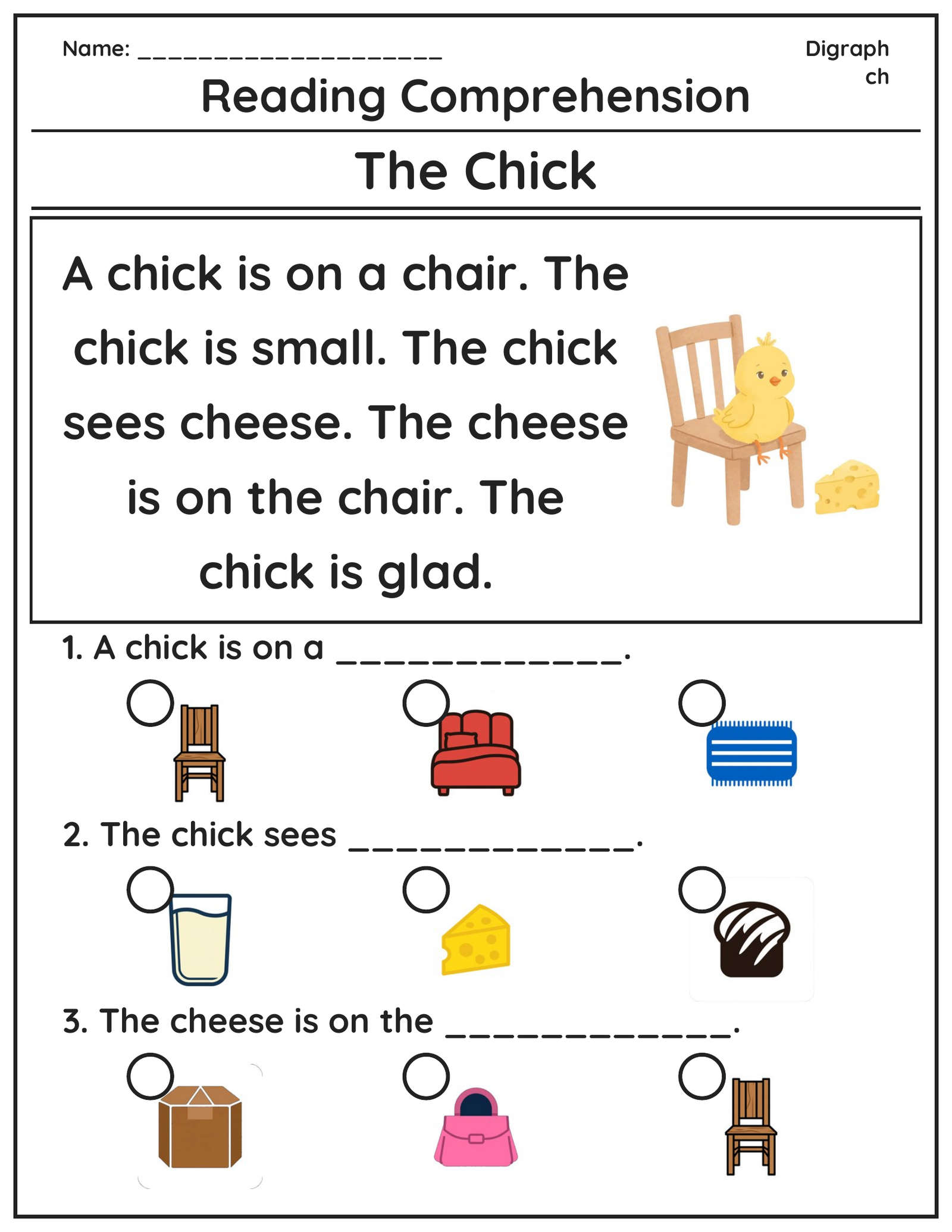
- Illustrated Questions: Questions accompanied by pictures can help children connect the text to visual elements. For example, after reading a short story about animals, a question may ask, “Which animal was your favorite?” with images of the animals mentioned.
- Story Sequencing: Worksheets may include cut-and-paste activities where children arrange story events in the correct order. This helps them understand narrative structure and causality.
- Character Analysis: Simple questions about the main character can prompt children to think about personality traits and motivations, enhancing their analytical skills.
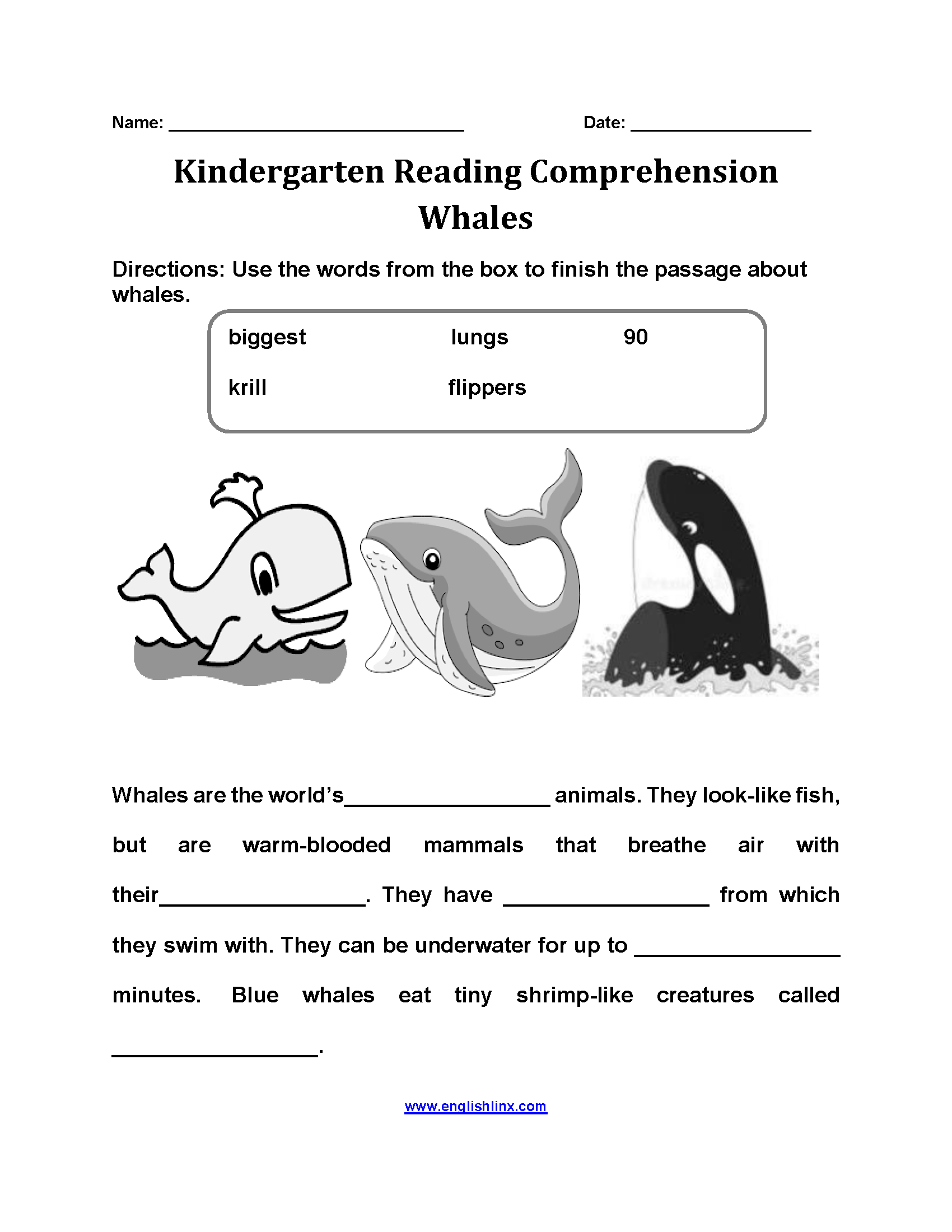
- Vocabulary Building: Some worksheets might include a word bank for children to use in fill-in-the-blank sentences. This not only reinforces new vocabulary but also encourages contextual understanding.
Tips for Parents and Educators
To maximize the benefits of a Reading Comprehension Worksheet For Kindergarten, here are some practical tips:
- Be Patient: Every child learns at their own pace. If your child struggles with a particular question, encourage them to think about it without rushing them.
- Make it Fun: Use different colored pens or markers, and let your child decorate the worksheet. This adds a playful element to the learning process.
- Discuss Answers: After completing the worksheet, go over the answers together. Discussing their thought process can help deepen their understanding and boost their confidence.
- Encourage Re-reading: If a child finds a story difficult, encourage them to read it again. Repetition can significantly improve comprehension.
Using a Reading Comprehension Worksheet For Kindergarten can be a delightful way to support your child’s reading journey. By incorporating these resources into your daily routine, you’ll not only enhance their comprehension skills but also create a love for reading that can last a lifetime.
Try printing a worksheet today and see how it sparks your child’s imagination and understanding of stories!
Reading Comprehension Worksheet For Kindergarten Gallery