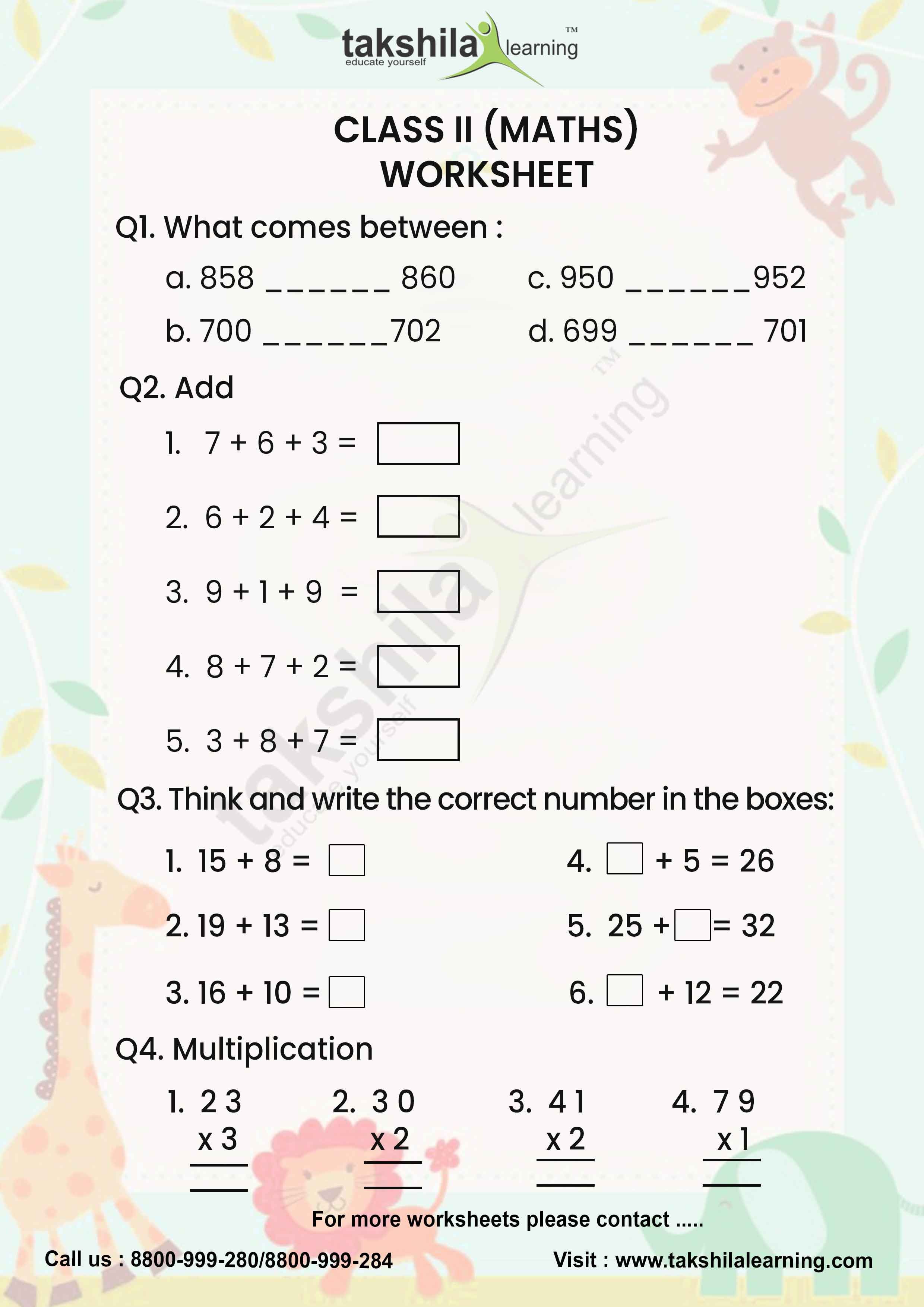
Free Printable Kindergarten Evaluating Algebraic Expressions Exercises
In a cozy classroom filled with colorful posters and eager young minds, Ms. Thompson watches as her kindergarten students explore the world of numbers. Today, she’s excited to introduce them to early algebra concepts, specifically through Free Printable Kindergarten Evaluating Algebraic Expressions Exercises. These exercises not only engage young learners but also lay the groundwork for their future mathematical understanding.
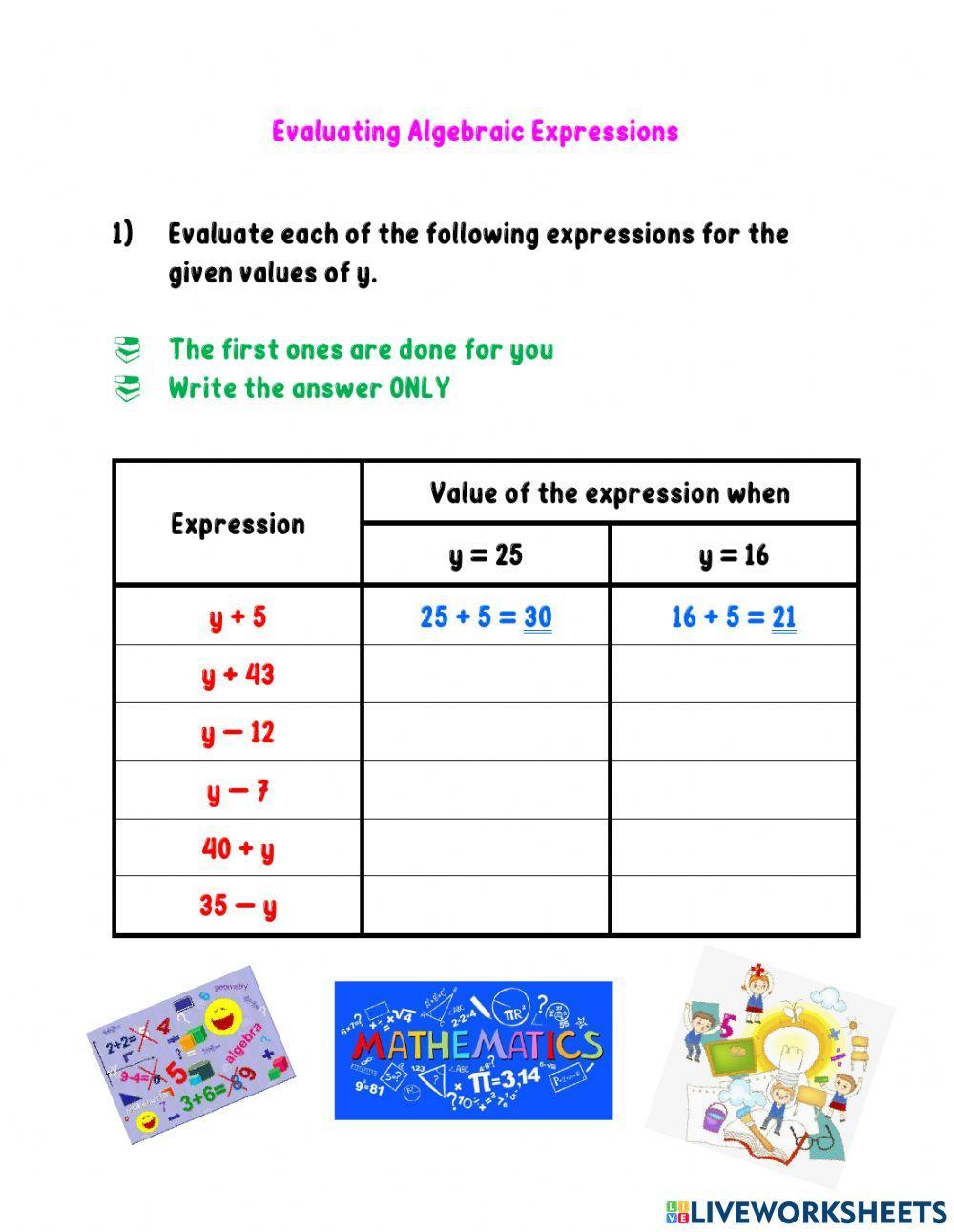
Understanding Algebraic Expressions for Young Learners
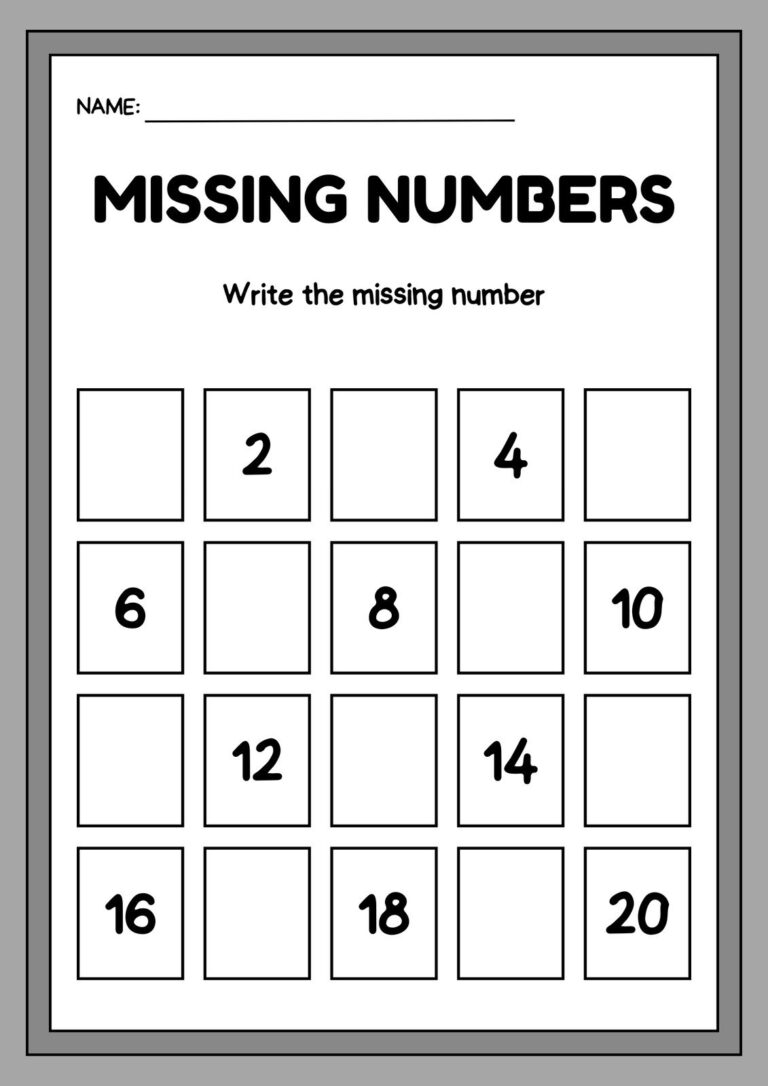
At the kindergarten level, introducing algebraic expressions may sound daunting, but it can be simplified into relatable, fun activities. Instead of complex variables, children can evaluate simple expressions using objects they can see and touch. For instance, if they have two apples and three oranges, they can learn to express this as “2 + 3” and understand the concept of combining like terms.
The printable exercises provide a visual representation of basic algebraic principles. This hands-on approach allows children to grasp the idea of evaluating expressions without feeling overwhelmed. By using everyday objects like fruits, toys, or even stickers, students can perform these activities independently, fostering confidence and excitement about math.
Features of the Printable Exercises
These Free Printable Kindergarten Evaluating Algebraic Expressions Exercises come with several features that make them user-friendly and effective for both teachers and parents:
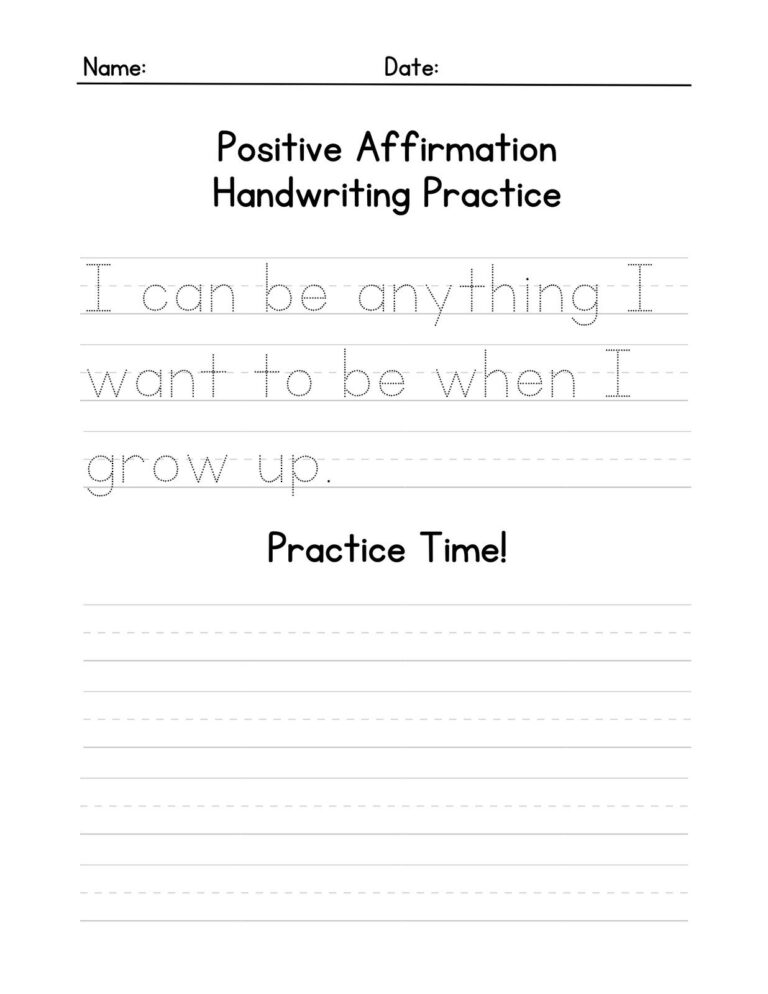
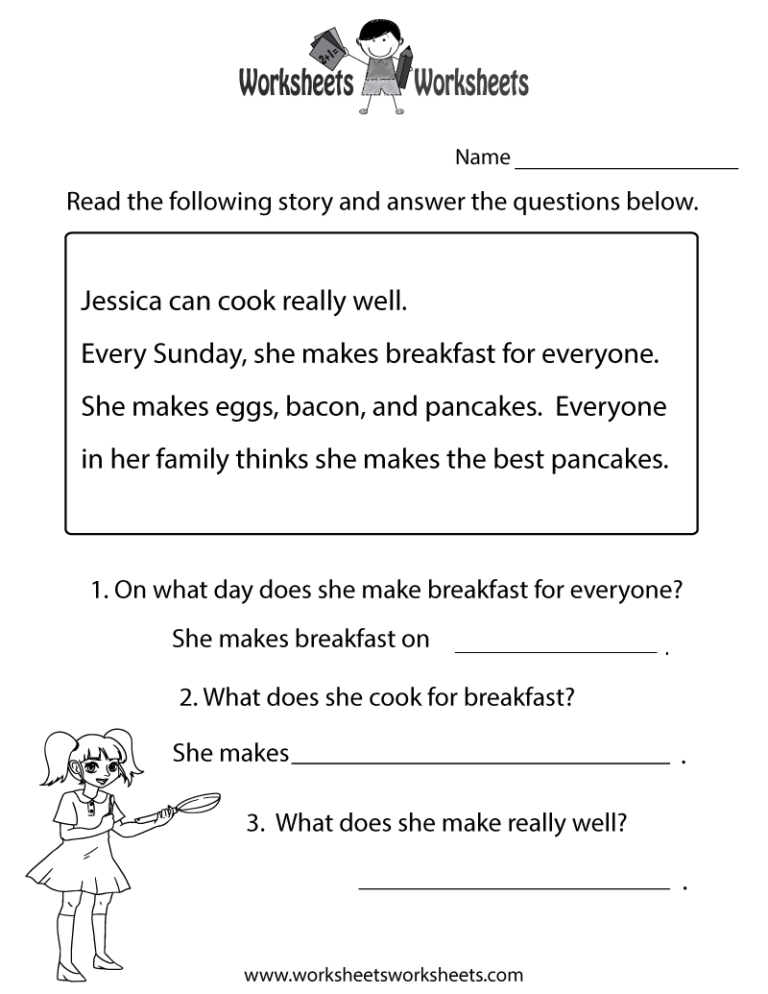
- Clear Illustrations: Each worksheet includes vibrant images that relate to the exercises, helping children visualize the problems.
- Simple Instructions: The activities are designed with straightforward guidelines, ensuring that kids can follow along with minimal supervision.
- Variety of Formats: You can find these resources in PDF format, which is easy to print and distribute. This format helps maintain the layout and prevents any unwanted reformatting issues that can arise with other file types.
These features ensure that the worksheets are accessible and appealing to young learners, promoting an engaging learning environment.
Using the Worksheets in Various Settings
These exercises are versatile and can be utilized in different educational settings, whether in a formal classroom, at home, or during tutoring sessions. Here are a few practical ways to implement them:
In the Classroom
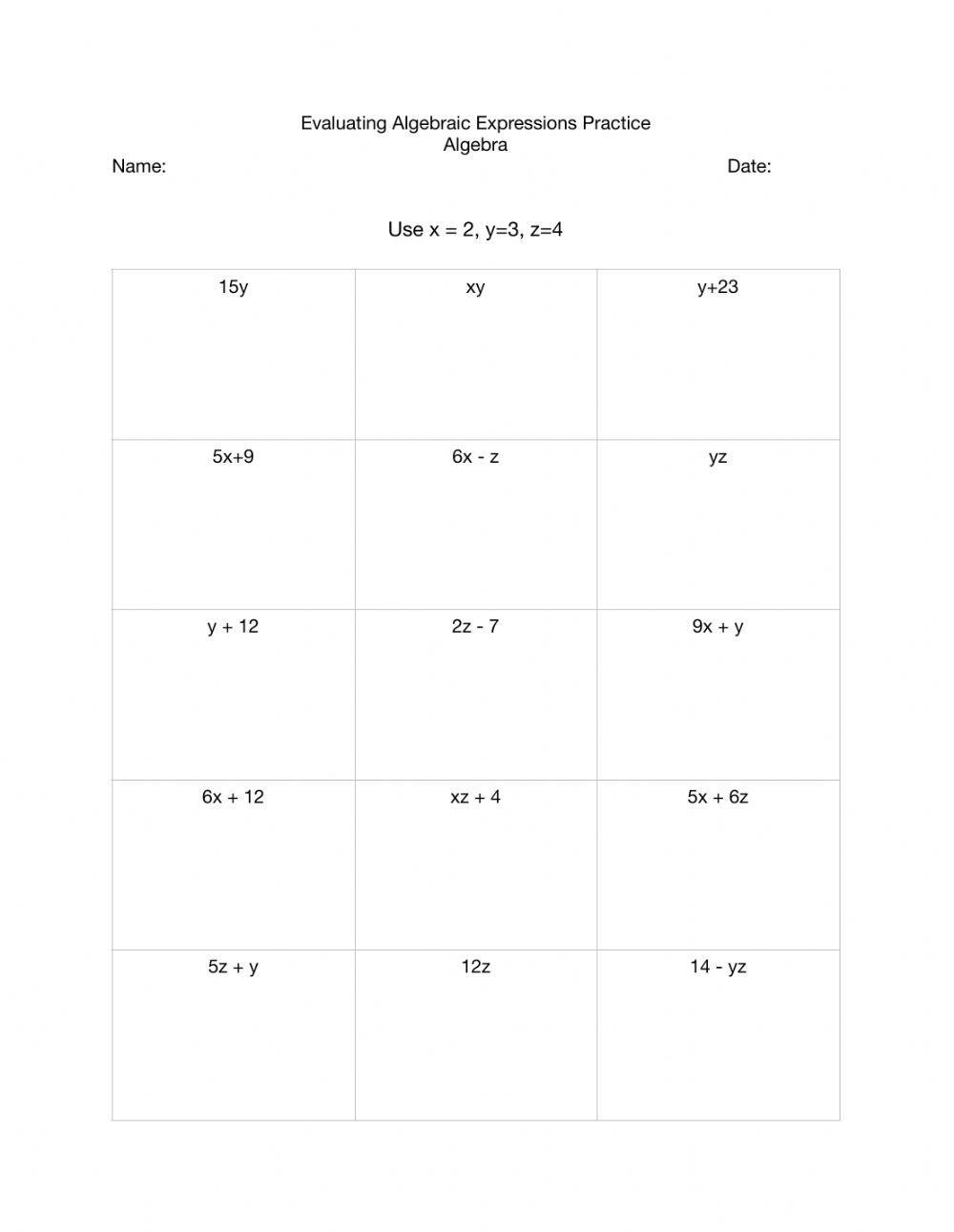
Teachers can use these worksheets as part of a math center activity. By setting up small groups, students can rotate through various stations, allowing them to engage with the exercises at their own pace. This approach not only enhances their understanding of algebraic expressions but also encourages collaboration and peer learning.
At Home
Parents can easily incorporate these worksheets into their home learning routines. A designated “math time” can be established, where children can work on these exercises alongside their parents. This shared experience not only helps reinforce their skills but also strengthens the parent-child bond through interactive learning.
During Tutoring Sessions
For tutors, these worksheets serve as excellent supplementary materials. They can tailor the exercises to fit individual students’ needs, providing additional practice where it’s most needed. This targeted approach can significantly enhance a child’s understanding of algebraic expressions before they progress to more complex concepts.
Tips for Effective Use
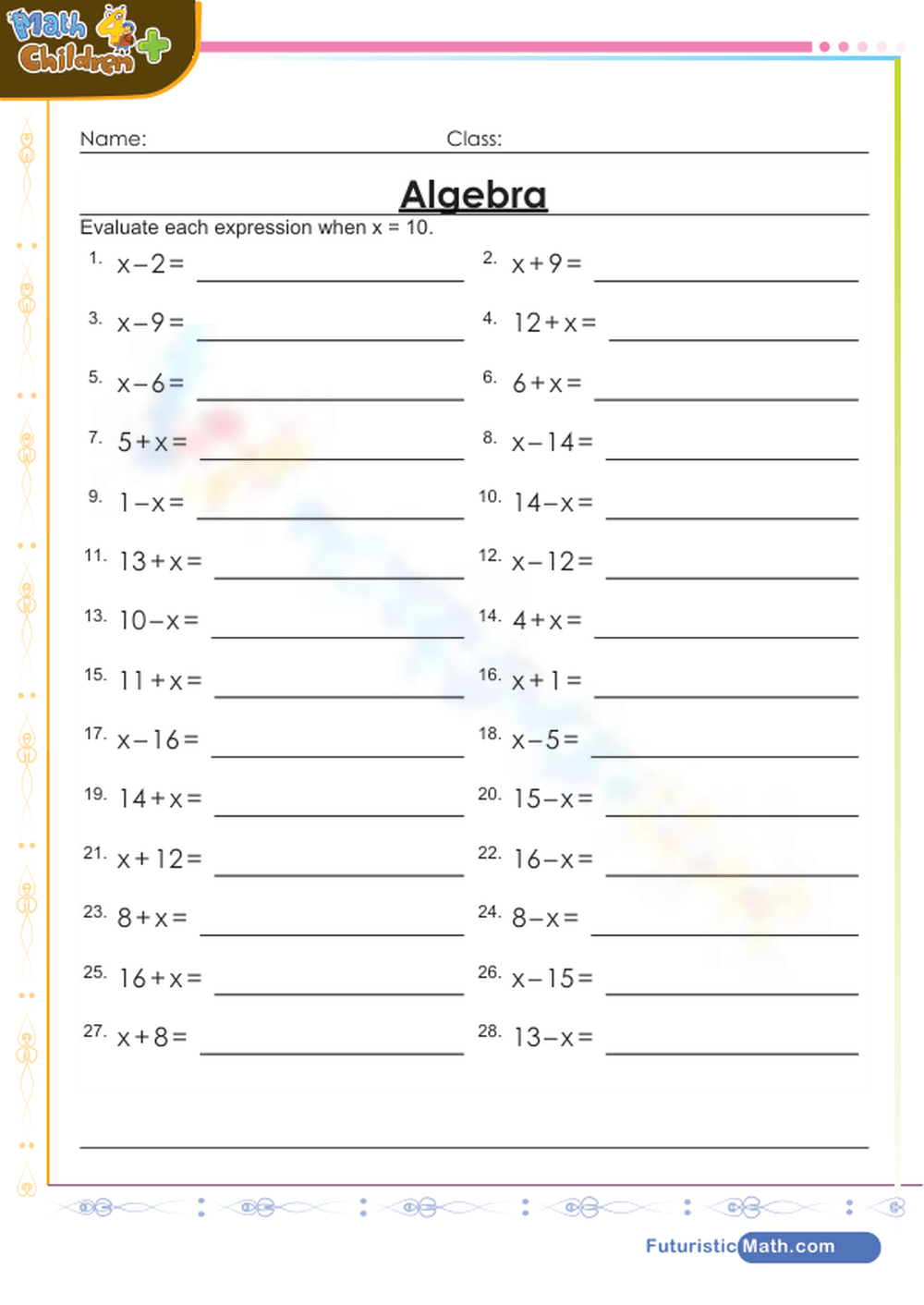
To maximize the benefits of the Free Printable Kindergarten Evaluating Algebraic Expressions Exercises, consider these practical tips:
- Use Colorful Materials: Encourage kids to use crayons or markers to fill in their worksheets. This not only makes the exercises more visually appealing but also keeps them engaged.
- Incorporate Real-Life Examples: Draw parallels between the exercises and real-life situations. For example, if a worksheet asks for evaluating “2 + 1,” relate it to sharing snacks or toys, making the math relevant to their everyday experiences.
- Encourage Independent Work: While supervision is helpful, encourage children to attempt the exercises independently. This builds confidence and problem-solving skills.
By implementing these strategies, teachers and parents can foster a supportive learning environment that encourages young learners to explore algebraic concepts confidently.