Pre Reading Worksheets For Preschoolers
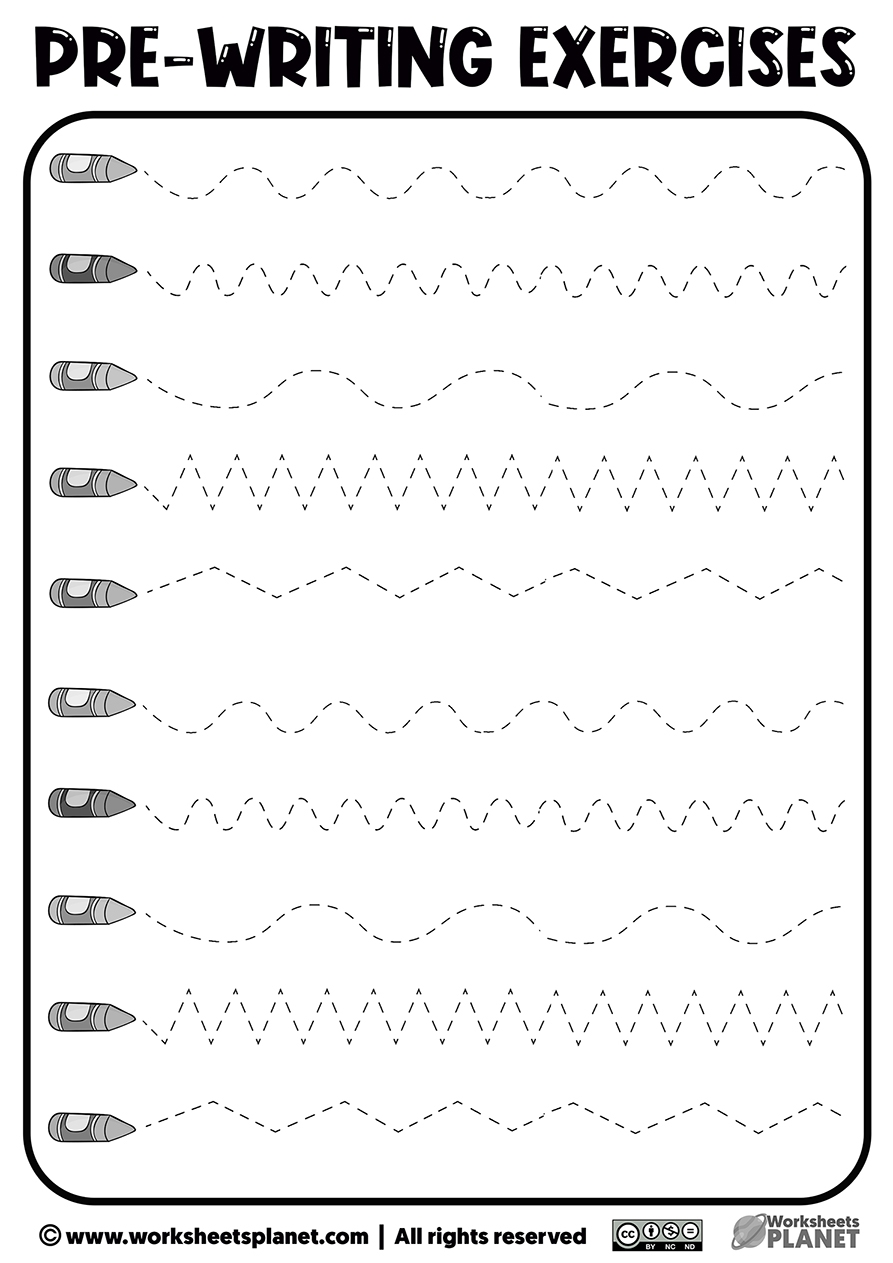
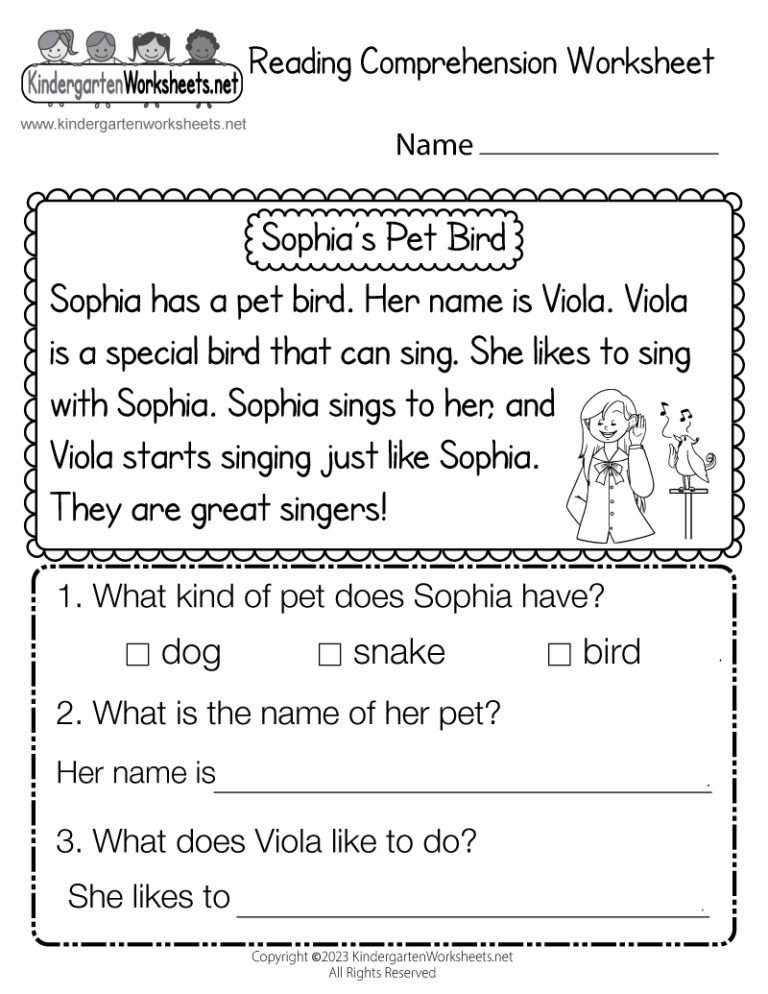
Pre Reading Worksheets For Preschoolers can be a useful option in your child’s early literacy journey. With preschoolers often facing challenges in recognizing letters and sounds, these worksheets provide structured activities to build foundational skills. They encourage young learners to engage with letters through fun, interactive exercises that fit seamlessly into your daily routine.
Understanding the Importance of Pre Reading Skills
Before diving into the specifics of worksheets, it’s essential to recognize why pre reading skills matter. Children need to develop phonemic awareness, letter recognition, and vocabulary to become successful readers. These skills are best cultivated through repetition and practice, making pre reading worksheets a valuable tool in both home and classroom settings.
By introducing activities that focus on these essential skills, you can ensure your preschooler is well-prepared for future reading. Worksheets can help reinforce concepts and provide a sense of accomplishment as your child progresses.
Choosing the Right Pre Reading Worksheets
When selecting pre reading worksheets for preschoolers, consider the following factors to make your choice easier:
- Age Appropriateness: Ensure that the worksheets are designed for preschoolers, typically ages 3-5. They should feature engaging images and simple instructions.
- Skill Level: Look for worksheets that cater to varying skill levels. Some children may need more foundational practice, while others may be ready for more advanced activities.
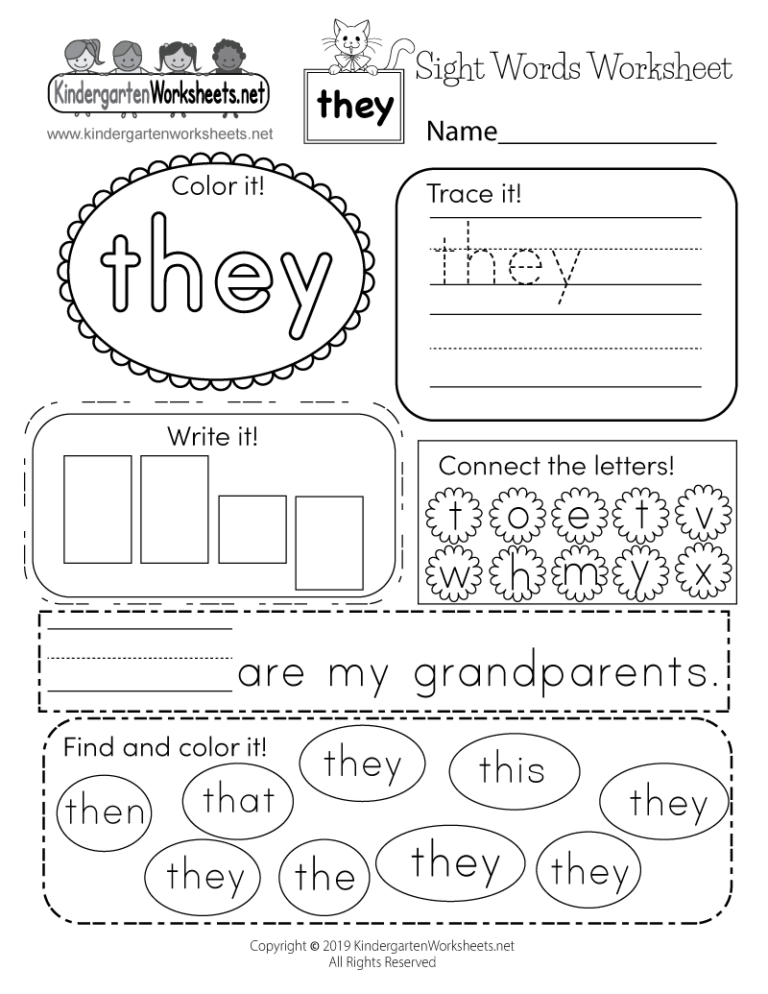
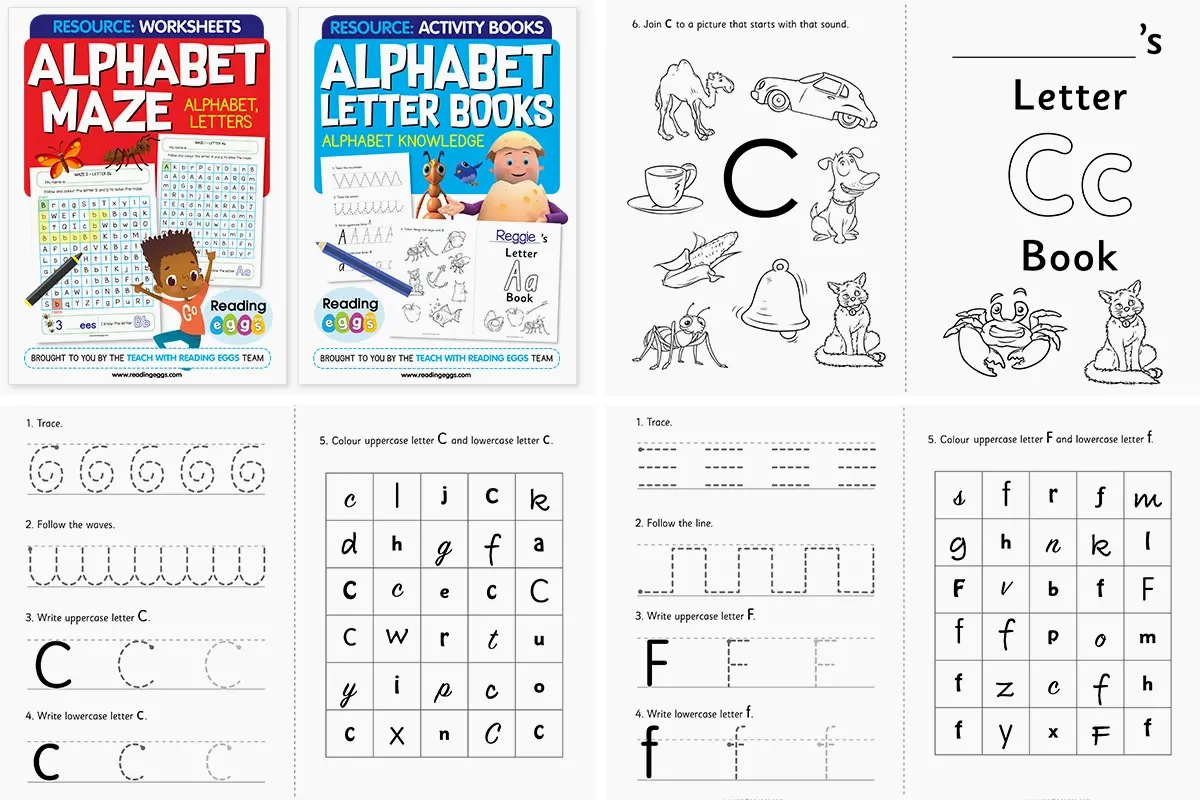
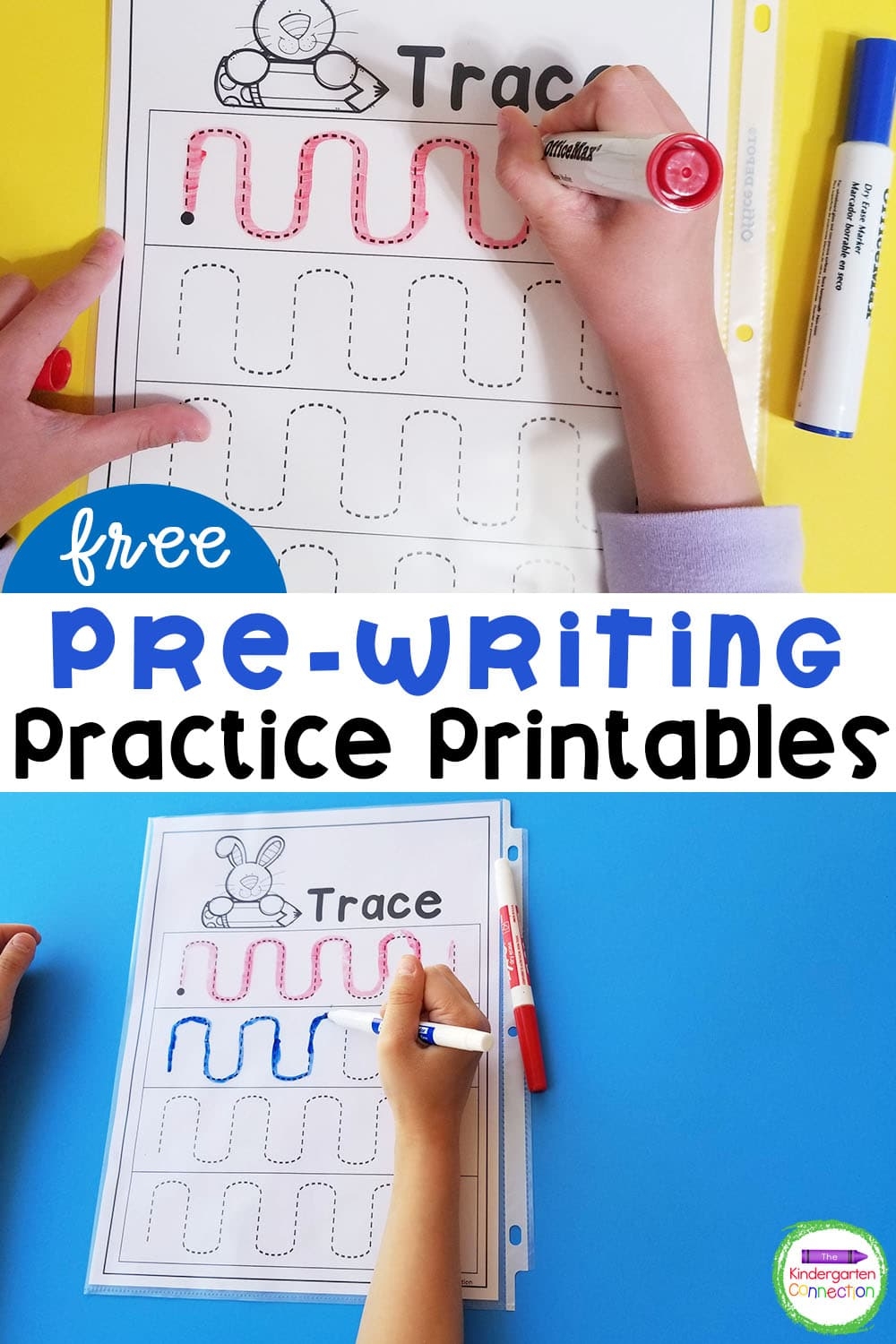
- Variety of Activities: Worksheets should include a mix of letter tracing, matching games, and sound recognition tasks. This variety keeps learning exciting and prevents boredom.
Once you have selected the right worksheets, it’s time to download and print them. Most resources are available in PDF format, which is ideal for printing without losing quality. Always use cardstock for durability, especially if your child will handle the sheets multiple times.
Setting Up a Weekly Practice Schedule
To maximize the benefits of pre reading worksheets, consider incorporating them into a weekly practice schedule. Spacing out the use of worksheets helps reinforce skills without overwhelming your preschooler. Here’s a simple plan to follow:
- Monday: Focus on letter recognition using a worksheet that highlights the alphabet. Encourage your child to say the letters aloud while tracing them.
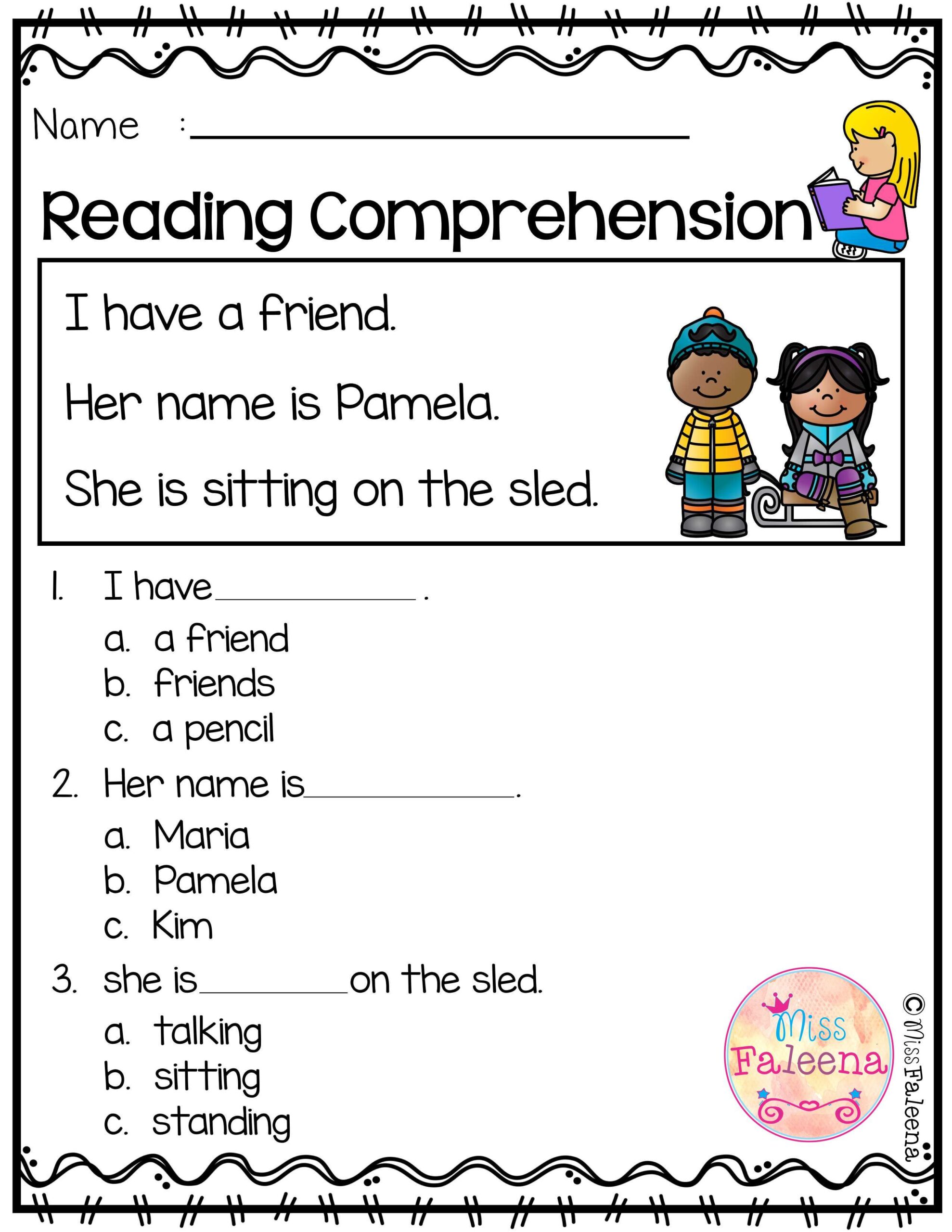
- Wednesday: Introduce a sound recognition worksheet. This could involve matching pictures with the corresponding first letter or sound. Make it interactive by using toys or objects around the house that start with the same sounds.
- Friday: Use a fun coloring page that incorporates letters. This can help your child associate letters with creative expression, making the learning process enjoyable.
This schedule promotes consistency and helps your child absorb the material better. Remember, repetition is key in early childhood education, so don’t hesitate to revisit previous worksheets throughout the week.
Engaging Activities Beyond Worksheets
While worksheets are fantastic tools, supplementing them with additional activities can enhance learning. Here are a few ideas to consider:
- Story Time: Read books together that emphasize the letters and sounds your child has been practicing. Ask them to point out letters and guess sounds as you read.
- Letter Scavenger Hunt: Create a scavenger hunt around your home where your child finds objects that begin with specific letters. This hands-on activity reinforces recognition in a fun way.
- Crafting Letters: Use materials like playdough or magnetic letters to allow your child to form letters physically. This tactile experience can solidify their understanding of letter shapes.
These activities can be easily integrated into your weekly routine and provide a well-rounded approach to literacy development.
Tracking Progress and Celebrating Achievements
Tracking your child’s progress with pre reading worksheets is vital. Consider creating a simple chart where you note completed worksheets and skills practiced. This not only helps you keep track but also allows your child to see their growth over time, which can be incredibly motivating.
Celebration of small achievements is equally important. When your preschooler completes a worksheet or masters a new letter, take a moment to celebrate! You might reward them with a sticker, a fun outing, or even a special treat. This positive reinforcement encourages a love for learning and makes them eager to tackle new challenges.
Quick Tips for Using Pre Reading Worksheets Effectively
- Keep Sessions Short: Aim for 15-20 minutes of focused worksheet time to maintain your child’s attention.
- Make It Interactive: Use colored pencils, stickers, or stamps to make the activities more engaging.
- Incorporate Movement: If possible, combine worksheets with physical activities, like jumping or dancing to letters or sounds.
- Be Patient: Every child learns at their own pace. Celebrate the effort, not just the outcome.
By following these tips, you can create an enriching learning environment that nurtures your child’s pre reading skills effectively.
This structured approach to using Pre Reading Worksheets For Preschoolers ensures that your child develops a strong foundation for literacy, setting them up for success as they progress in their educational journey. Start today by downloading your worksheets and watch as your preschooler blossoms into a confident reader!
Pre Reading Worksheets For Preschoolers Gallery