3rd Grade Reading And Writing Worksheets
For parents and educators looking to enhance their child’s literacy skills, the 3rd Grade Reading And Writing Worksheets available on printable-resource websites stand out due to their structured approach and engaging content. These worksheets are specifically designed to meet the needs of 3rd graders, making them a perfect fit for both classroom and home use. Their layout and design choices significantly enhance learning while ensuring ease of use for parents and teachers alike.
Understanding the Structure of 3rd Grade Worksheets
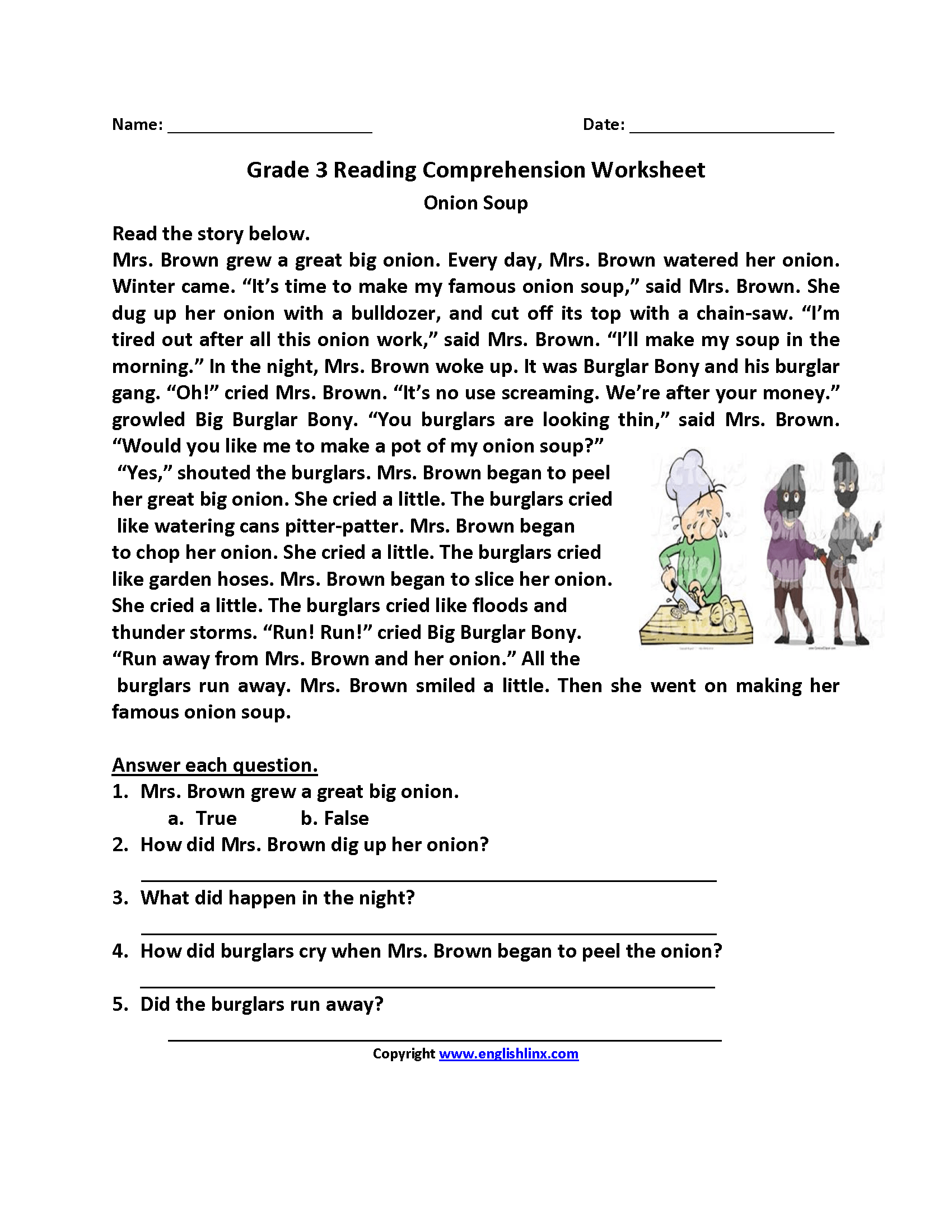
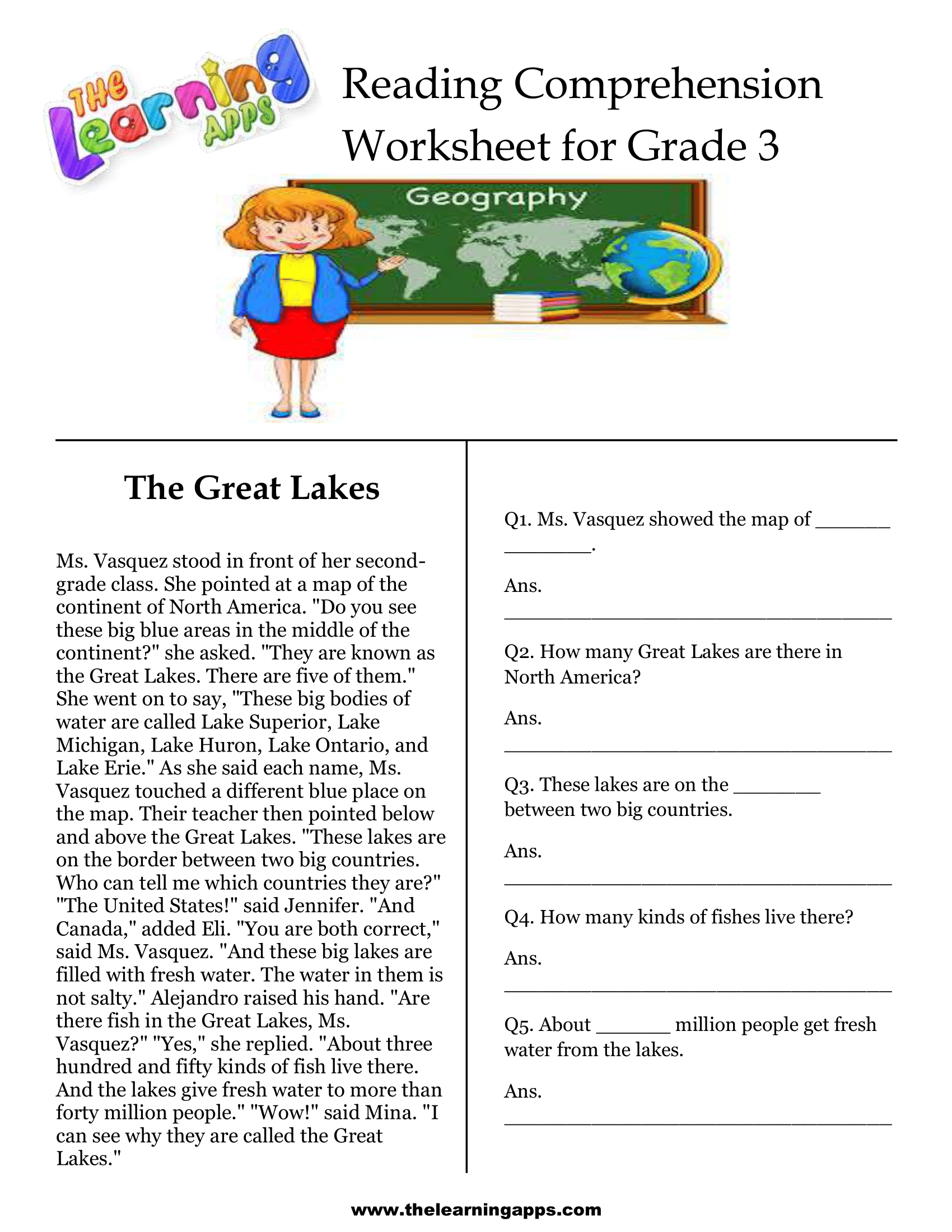
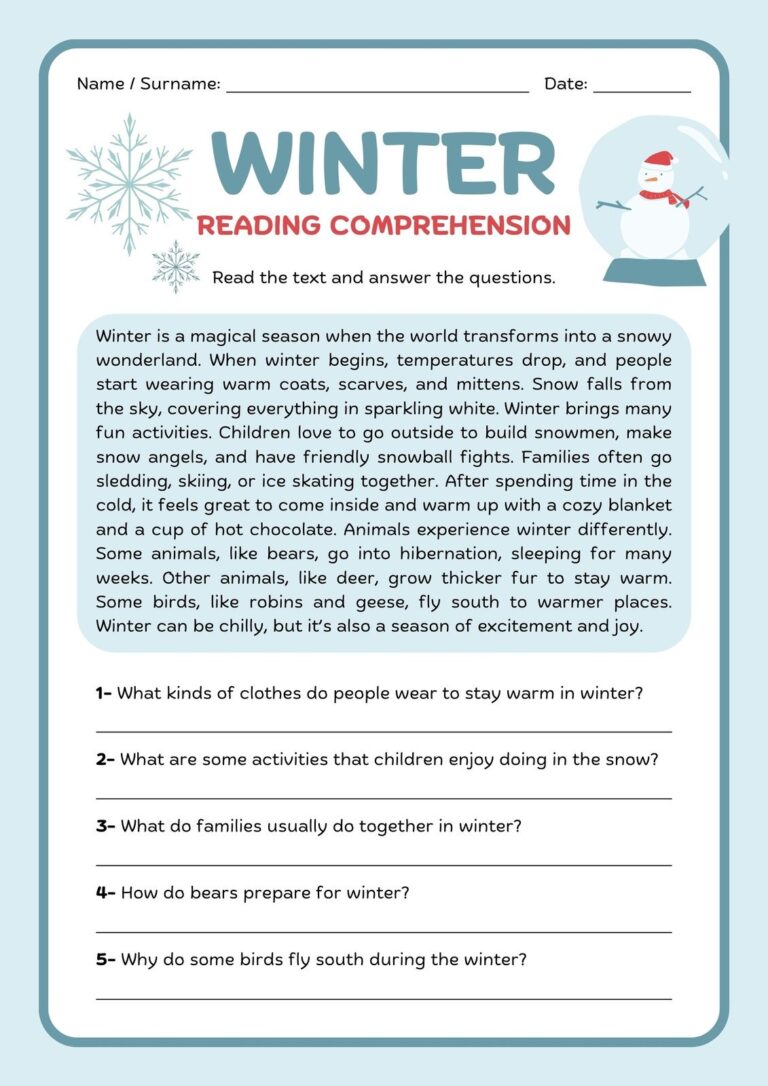
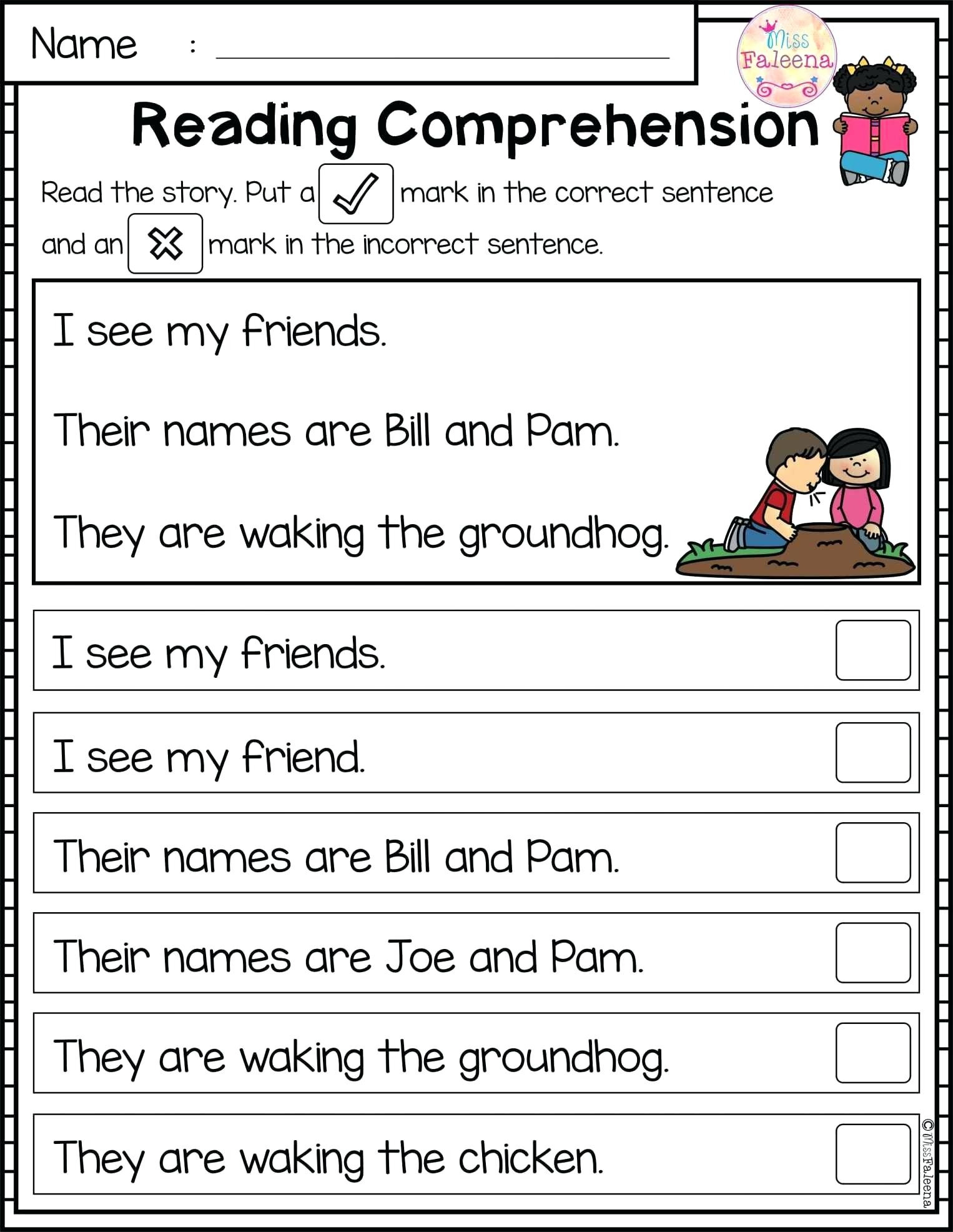
When browsing through the 3rd Grade Reading And Writing Worksheets, you’ll notice a clear and organized structure that is essential for effective learning. Each worksheet typically includes sections that focus on different skills, such as reading comprehension, vocabulary building, and writing practice.
The layout usually features:
- Title and Instructions: Clear headings guide students on what the worksheet covers and how to complete it.
- Engaging Content: Worksheets often include stories or passages followed by questions that prompt critical thinking. This combination helps children develop comprehension skills.
- Answer Spaces: Designated areas for answers encourage neatness and organization, which are crucial skills as kids progress in their education.
This thoughtful layout not only makes it easier for children to navigate the worksheets but also helps teachers and parents quickly assess their progress.
Types of Activities Included
3rd Grade Reading And Writing Worksheets encompass various activities that cater to different aspects of literacy. Here are some common types of activities you might find:
Reading Comprehension Passages
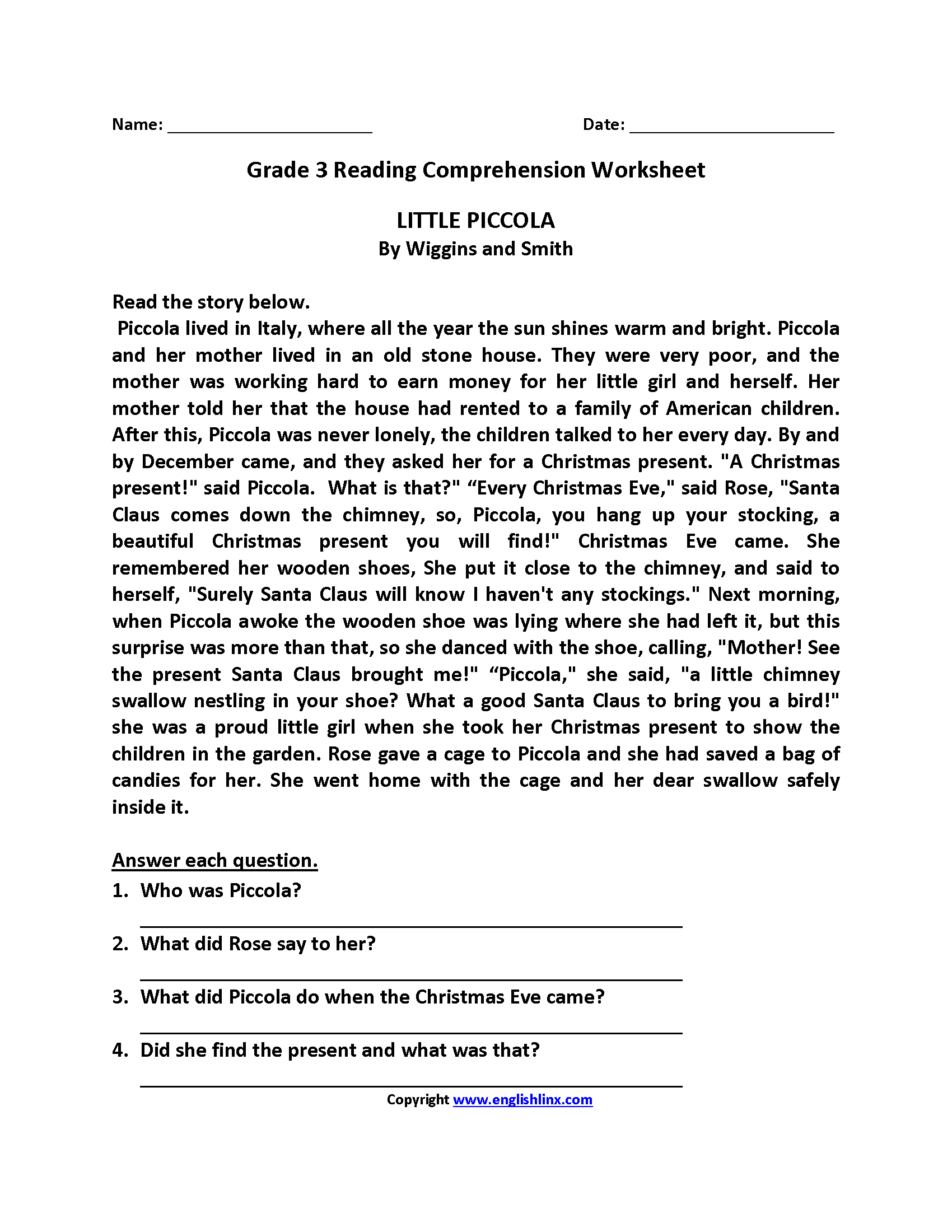
These passages are often age-appropriate and cover topics that interest 3rd graders, such as animals, adventures, and science. After reading, students are typically asked to answer questions that assess their understanding.
Vocabulary Exercises
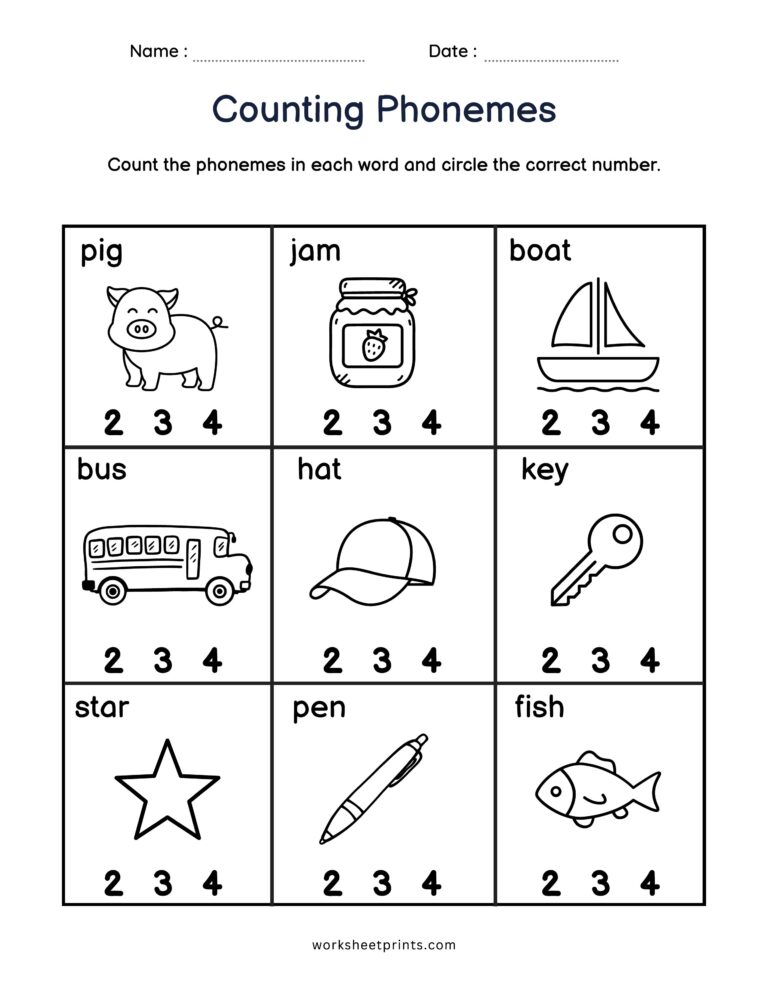
Worksheets might include word searches, fill-in-the-blank activities, or matching exercises that help students learn new words in context. This is particularly useful for expanding their vocabulary and improving their language skills.
Writing Prompts
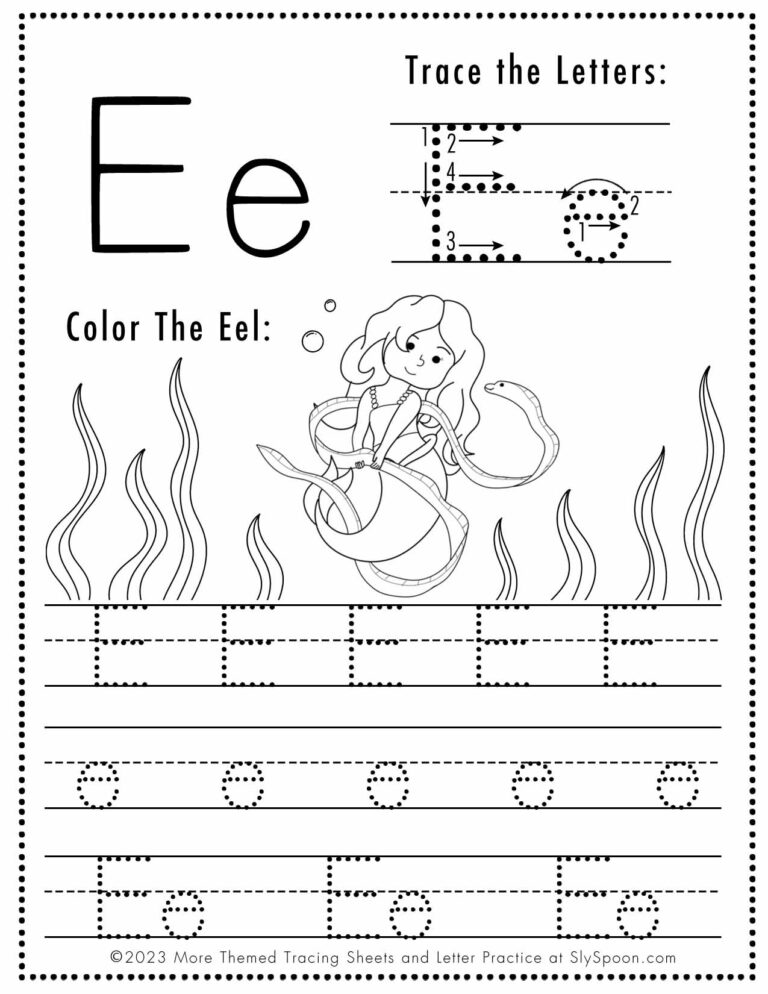
Encouraging creativity, many worksheets feature writing prompts that ask students to write short stories or descriptive paragraphs. This not only develops their writing skills but also fosters imagination and self-expression.
Practical Tips for Using Worksheets Effectively
To maximize the benefits of 3rd Grade Reading And Writing Worksheets, here are some practical tips for parents and teachers:
- Print in Bulk: If you’re teaching a class, consider printing multiple copies at once. Portrait layout typically works best for most home printers, allowing for efficient use of paper.
- Use Answer Keys: Many worksheets come with answer keys. Keep these handy for quick grading, which can save you time and help you provide timely feedback to students.
- Laminating for Durability: If you plan to use the worksheets multiple times, consider laminating them. This allows for dry-erase markers to be used, so students can write and wipe off answers easily.
Incorporating Worksheets Into Daily Learning Routines
Integrating 3rd Grade Reading And Writing Worksheets into your child’s daily routine can significantly enhance their learning experience. Here are a few strategies:
- Set a Daily Time: Designate a specific time each day for worksheet activities. This helps create a learning habit and encourages consistency.
- Combine with Other Resources: Pair worksheets with books or online resources to create a well-rounded learning experience. For instance, after completing a reading comprehension worksheet, encourage your child to read a related book.
- Incorporate Fun: Make it a game! For vocabulary exercises, you can create flashcards from the worksheets and play matching games. This keeps the learning process engaging and enjoyable.
Evaluating Progress With Worksheets
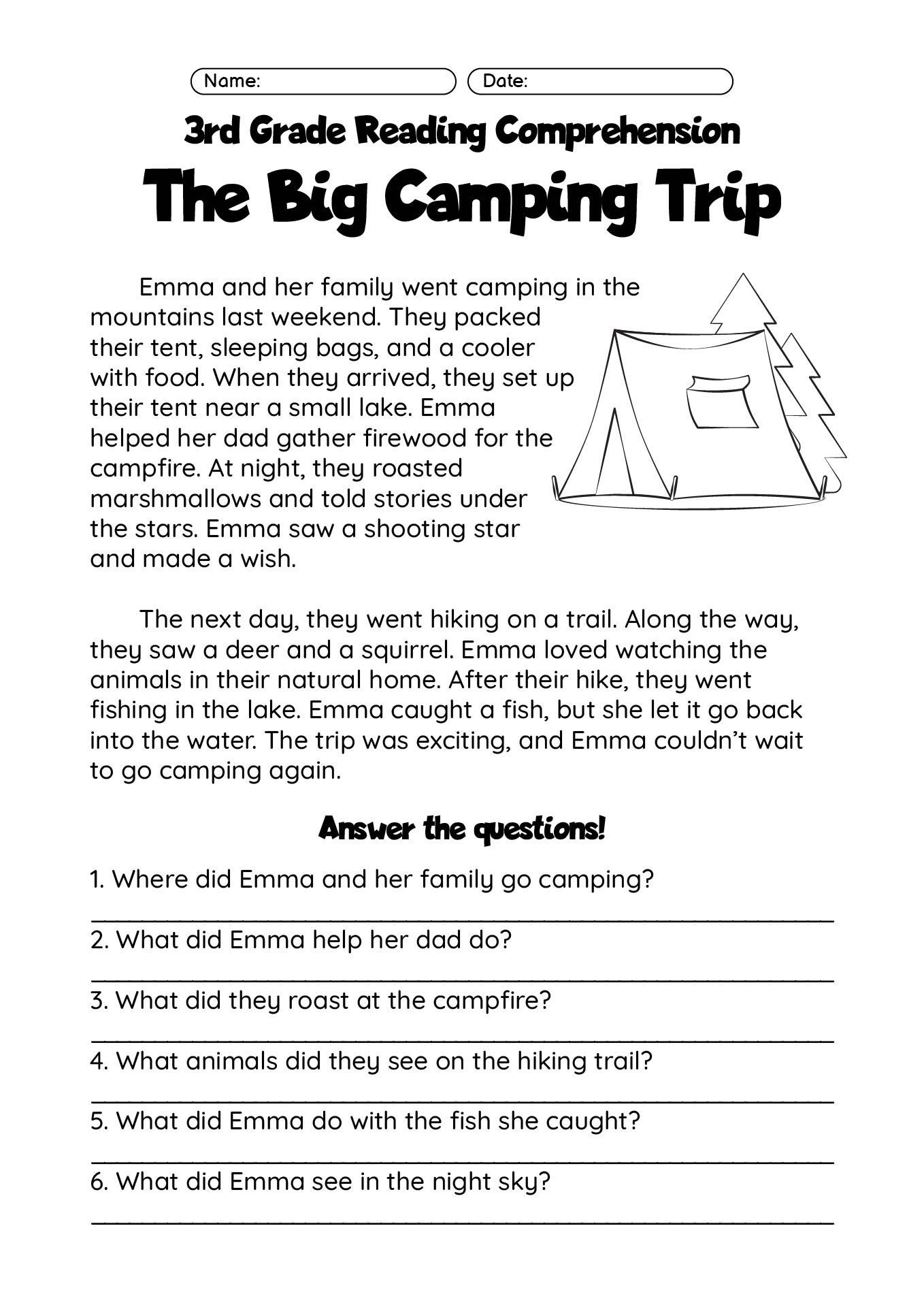
One of the key benefits of using 3rd Grade Reading And Writing Worksheets is the ability to track progress over time. As children complete more worksheets, you can observe improvements in their reading comprehension and writing abilities. Here are a few ways to evaluate their progress:
- Review Completed Worksheets: Regularly go through the worksheets to identify areas where your child excels or may need additional help.
- Create a Learning Journal: Encourage your child to keep a journal of their completed worksheets. This not only helps track progress but also allows them to reflect on what they’ve learned.
- Set Goals: Work with your child to set achievable literacy goals based on their worksheet performance. This can motivate them and give them a sense of accomplishment.
When choosing resources, look for those that are specifically tailored to 3rd graders, as age-appropriate content is crucial for engagement and effective learning. You can find various themes and styles that cater to different interests, making learning more appealing.
One detail that is particularly useful is that many of these worksheets are available in PDF format. This ensures that they maintain their layout and design regardless of the device used for printing, preventing any formatting issues that can arise with image files.
3rd Grade Reading And Writing Worksheets Gallery