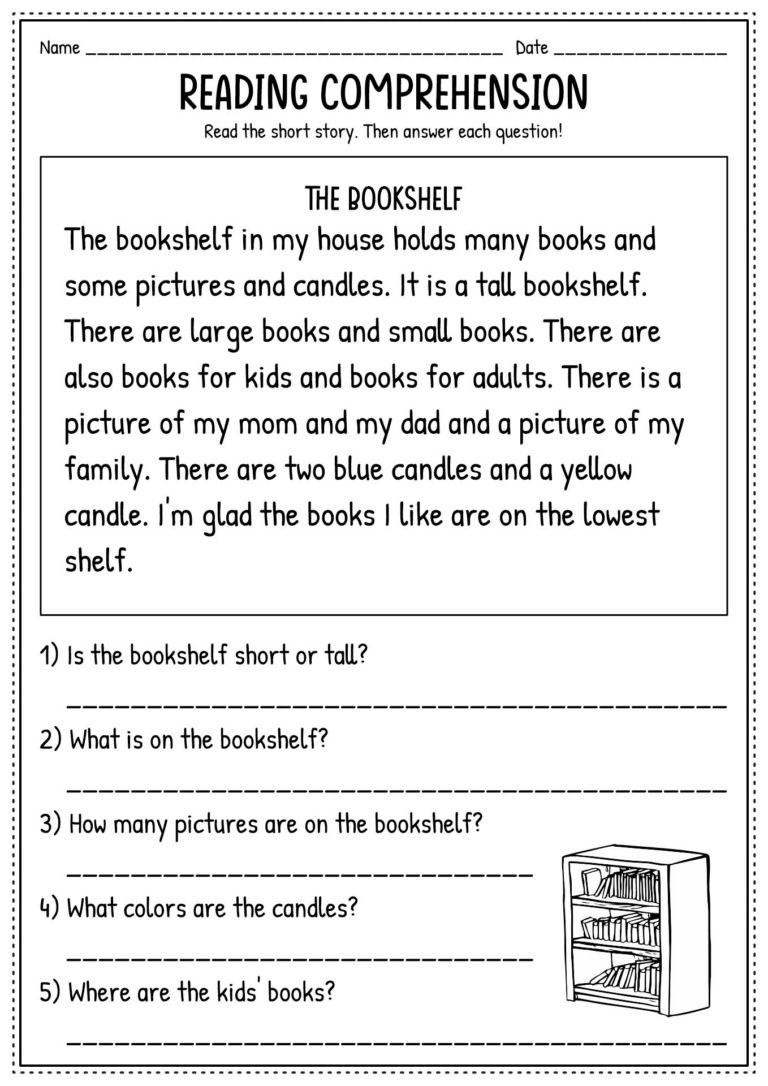
Third Grade Integer Subtraction Practice Review Worksheets
Third Grade Integer Subtraction Practice Review Worksheets are designed to help students master the skill of subtracting integers. These worksheets provide a structured approach to practicing subtraction, making it easier for third graders to grasp the concept. With varying levels of difficulty, they cater to diverse learning paces while ensuring students develop confidence in their math skills.
Understanding the Structure of the Worksheets
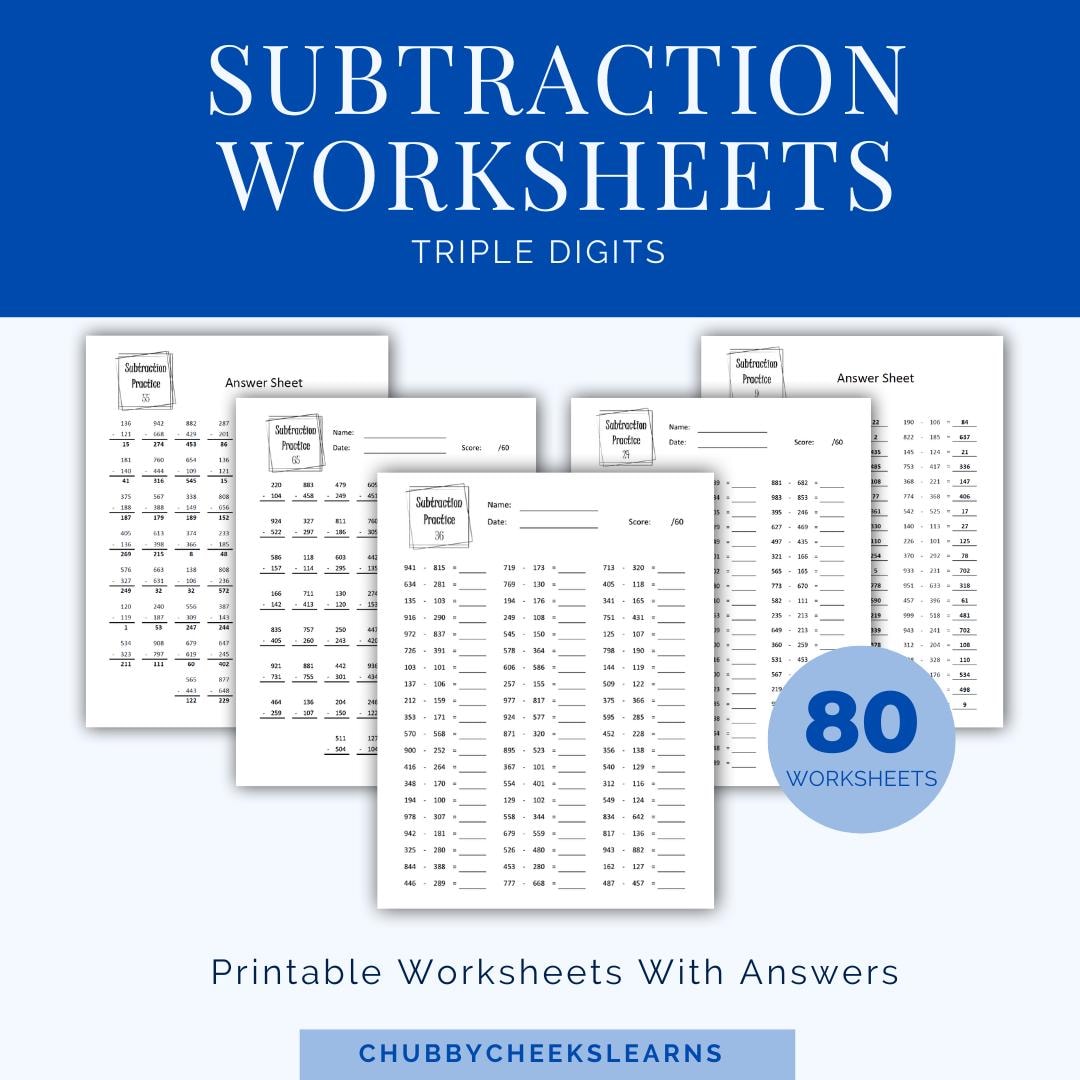
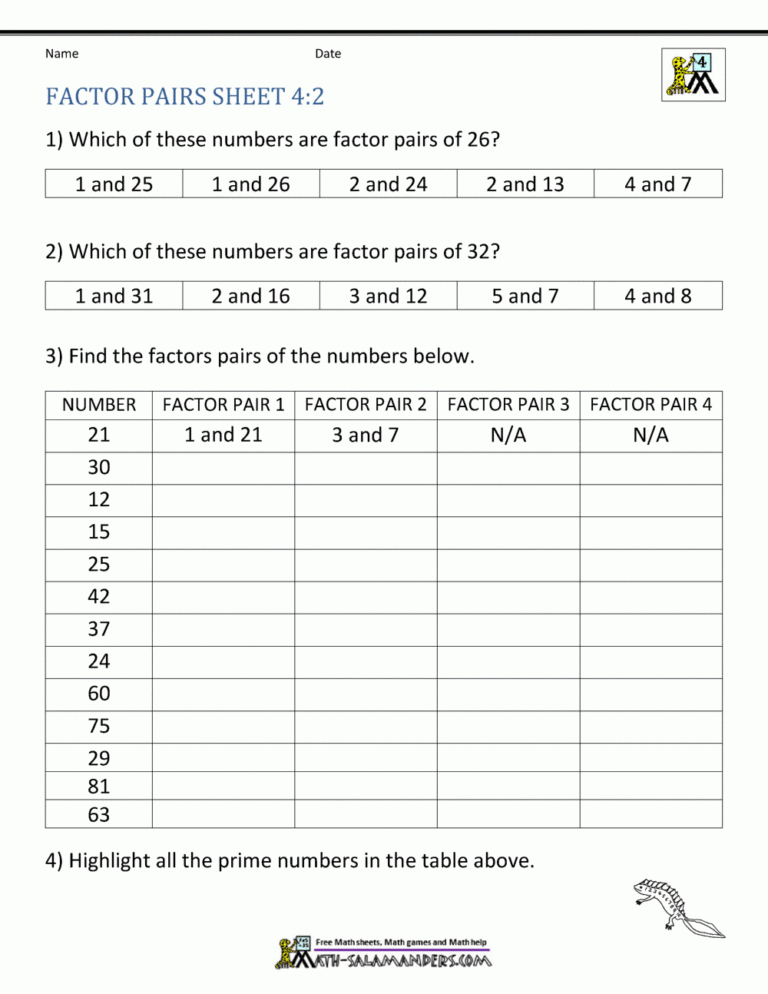
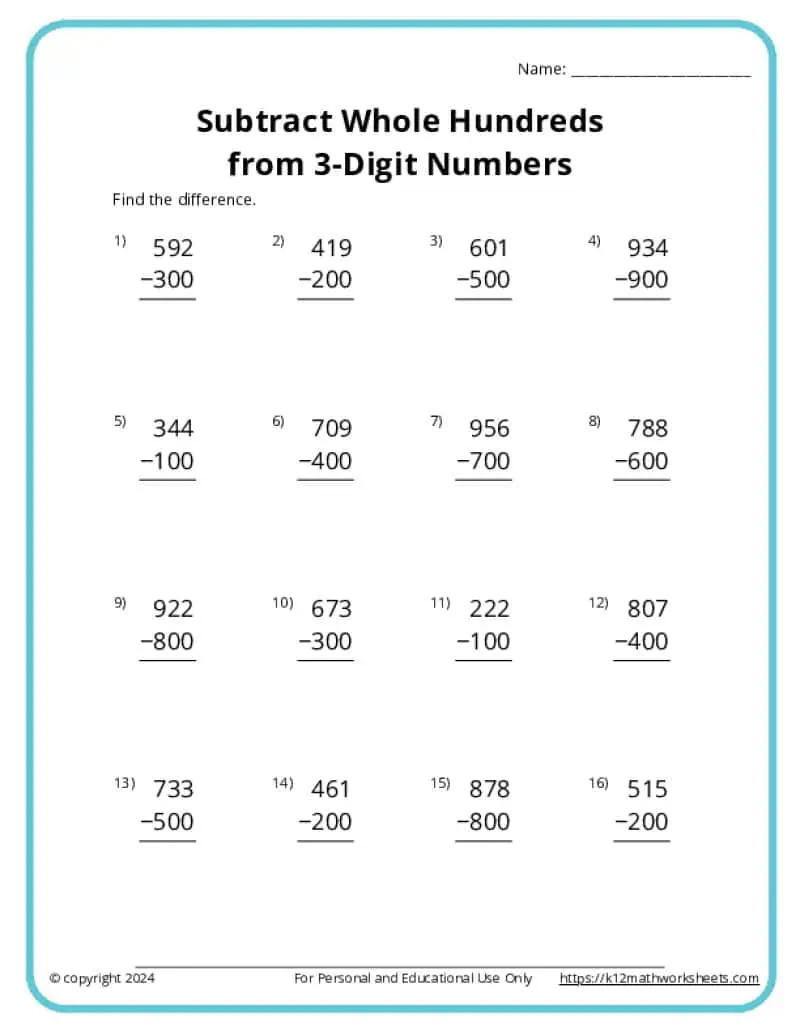
These worksheets typically feature a clean and organized layout. You’ll notice sections dedicated to different types of integer subtraction problems, such as single-digit, double-digit, and word problems. Each section is clearly labeled, which helps students focus on one type of problem at a time.
For instance, a page might start with simple problems like 5 – 3, gradually moving to more complex scenarios like 23 – 15. This progression allows students to build their skills incrementally. The use of clear fonts and ample space between problems ensures that students can write their answers comfortably.
And the inclusion of visual elements, like number lines or simple graphics, can aid in understanding. These features make the worksheets not just practical but also visually appealing, which can help retain students’ interest.
How to Use the Worksheets Effectively
To maximize the effectiveness of the Third Grade Integer Subtraction Practice Review Worksheets, it’s essential to plan how you’ll integrate them into your teaching or tutoring sessions.
- Introduce the Concept: Before handing out the worksheets, explain the concept of integer subtraction. Use real-life examples, such as counting down from a number or measuring temperature changes, to make the concept relatable.
- Guided Practice: Start with a few problems on the board, solving them together as a class. This collaborative approach allows students to ask questions and clarify their understanding before attempting the worksheets independently.
- Independent Work: Once students feel comfortable with the material, hand out the worksheets. Encourage them to work through the problems at their own pace. Remind them to show their work, as this will help you assess their understanding.
- Review and Feedback: After students complete the worksheets, take the time to review the answers together. This feedback loop is crucial for reinforcing what they’ve learned and addressing any lingering confusion.
- Reinforcement Activities: If you notice that some students are struggling, consider providing additional practice through online games or hands-on activities that reinforce the same concepts.
Assessing Mastery With the Worksheets
One of the most valuable aspects of Third Grade Integer Subtraction Practice Review Worksheets is their ability to help you gauge student mastery.
Look for trends in the answers. Are most students able to solve double-digit problems correctly, but struggling with word problems? This insight can inform your future lesson plans.
Additionally, consider using a grading rubric that not only assesses correctness but also the process. For example, if a student arrives at the right answer but shows no work, they may not fully understand the underlying concepts. Encourage students to explain their reasoning, which can provide deeper insights into their comprehension levels.
It’s also helpful to monitor how quickly students complete the worksheets. If they breeze through the problems, they may be ready to move on to the next topic. Conversely, if they take significantly longer than expected, additional practice may be necessary.
Printable Resources and Accessibility
The availability of printable resources for Third Grade Integer Subtraction Practice Review Worksheets is a significant advantage. Teachers can easily print copies for their classrooms, while parents can download worksheets for extra practice at home.
When printing, consider the following tips:
- Paper Size: Standard letter size (8.5 x 11 inches) is ideal for most home printers. However, if you’re printing for a classroom, consider using larger paper for more complex problems.
- Printer Settings: Use a high-quality setting to ensure that the text is clear and easy to read. This is particularly important for younger students who may struggle with faint or blurry text.
- Durability: If these worksheets will be used multiple times, consider printing on cardstock or laminating them. This can make them more durable and allow for dry-erase markers to be used for repeated practice.
Additional Support Materials
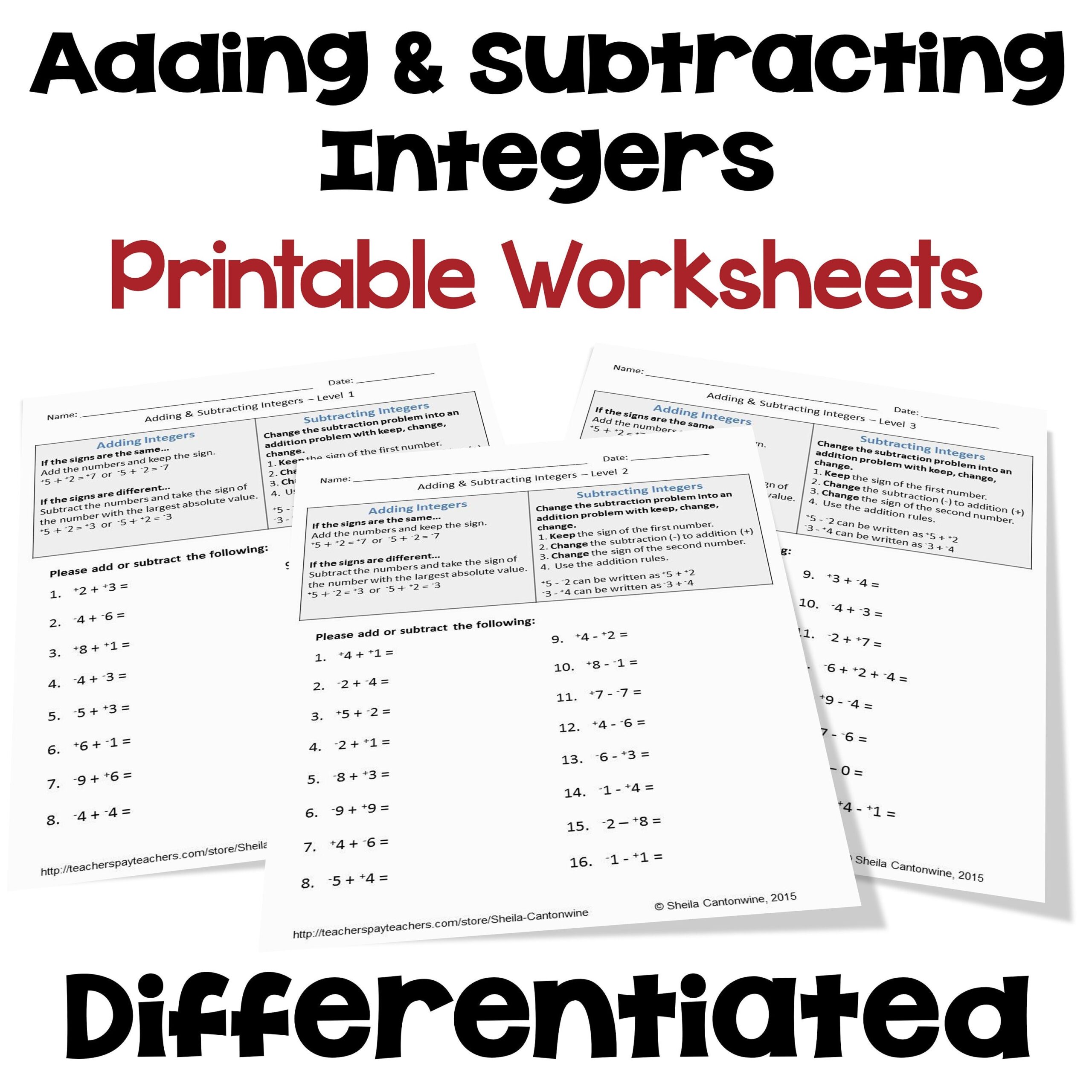
In addition to the worksheets, consider providing students with supplementary materials that can enhance their understanding of integer subtraction. These could include:
- Flashcards: Create flashcards with subtraction problems on one side and answers on the other. This allows for quick, engaging practice sessions.
- Online Resources: Recommend educational websites or apps that offer interactive subtraction games, reinforcing the skills learned through the worksheets.
- Math Centers: Set up a math center in your classroom where students can explore subtraction through manipulatives, such as blocks or counters, alongside their worksheet practice.
These additional resources can help cater to different learning styles and reinforce the skills being taught through the worksheets.
Using Third Grade Integer Subtraction Practice Review Worksheets effectively can make a significant difference in your students’ understanding of subtraction. With a structured approach and the right support materials, you can help them build a solid foundation in math that will serve them well as they progress in their education. Whether in a classroom or at home, these worksheets provide an invaluable tool for fostering mathematical skills and confidence.