Cross Curricular Reading Comprehension Worksheets Answers
Reading comprehension is a fundamental skill that supports learning across various subjects. Cross Curricular Reading Comprehension Worksheets Answers can be a valuable tool for parents and educators looking to enhance students’ understanding and retention of material. These worksheets are designed to engage students in different subjects, fostering a deeper connection between reading and the content of their classes.
What Are Cross Curricular Reading Comprehension Worksheets?
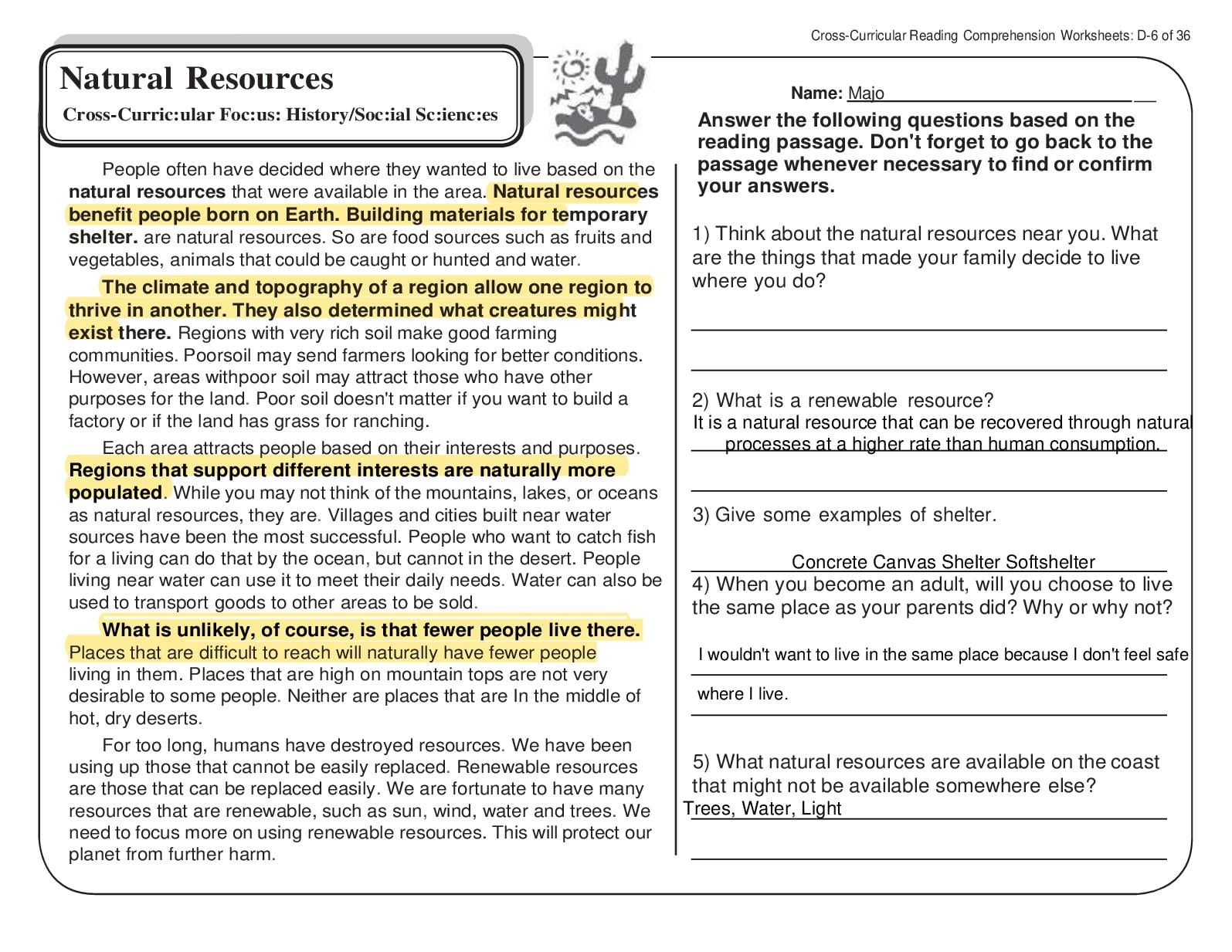
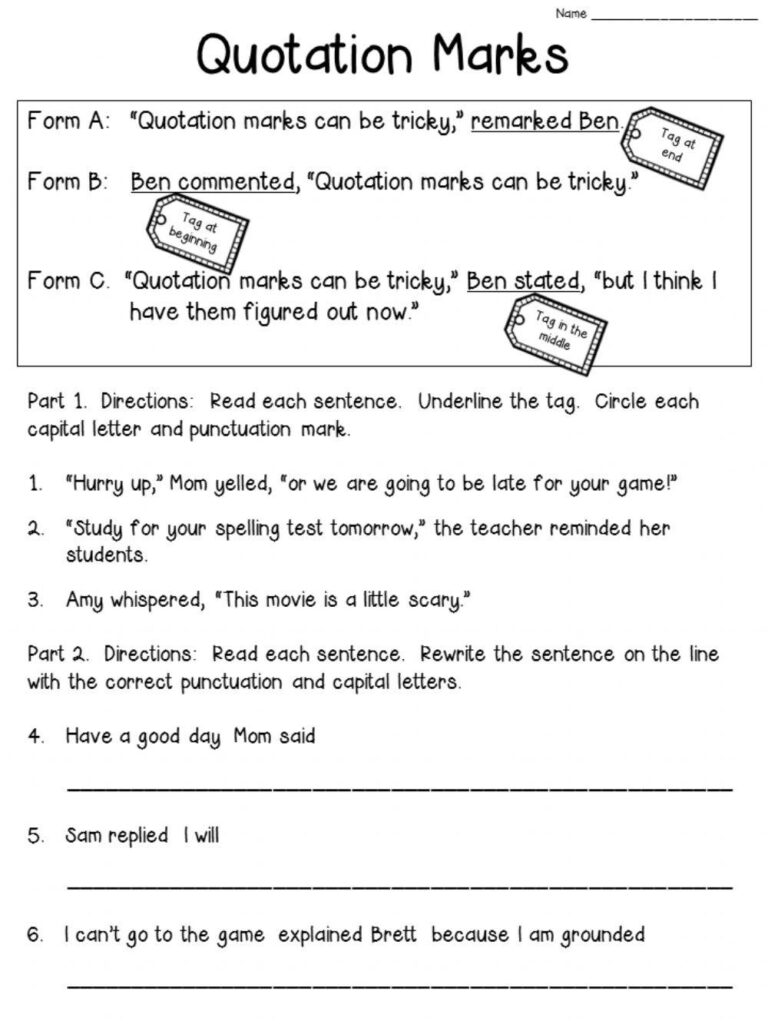
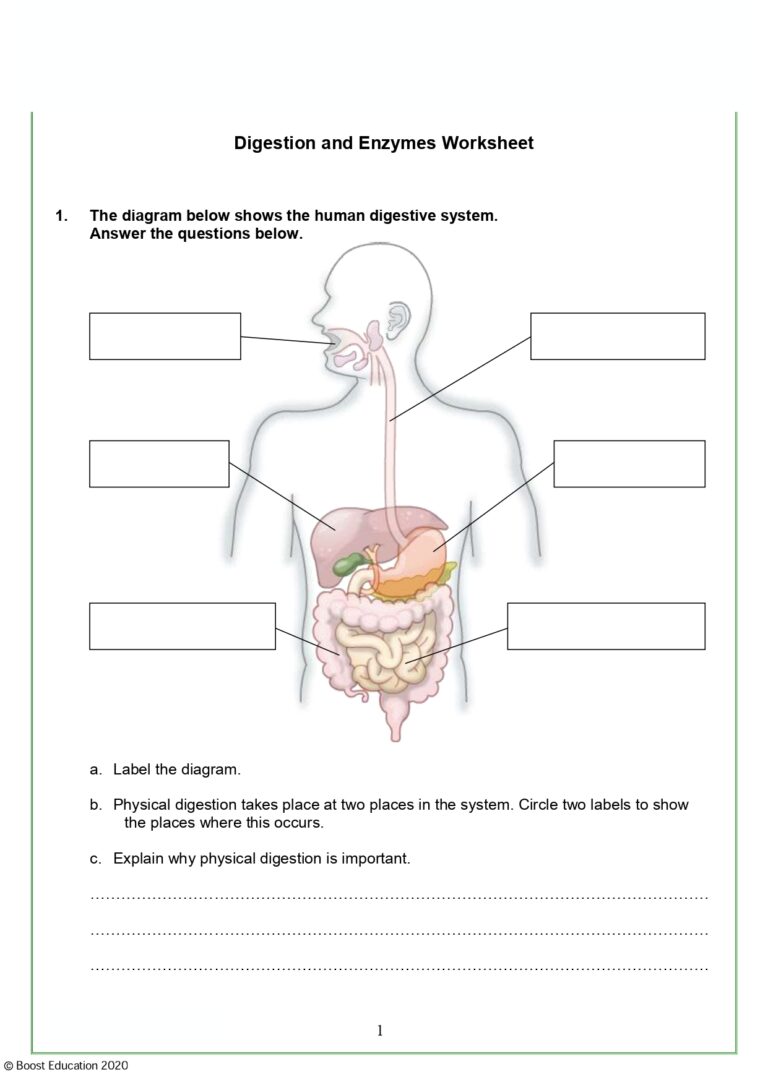
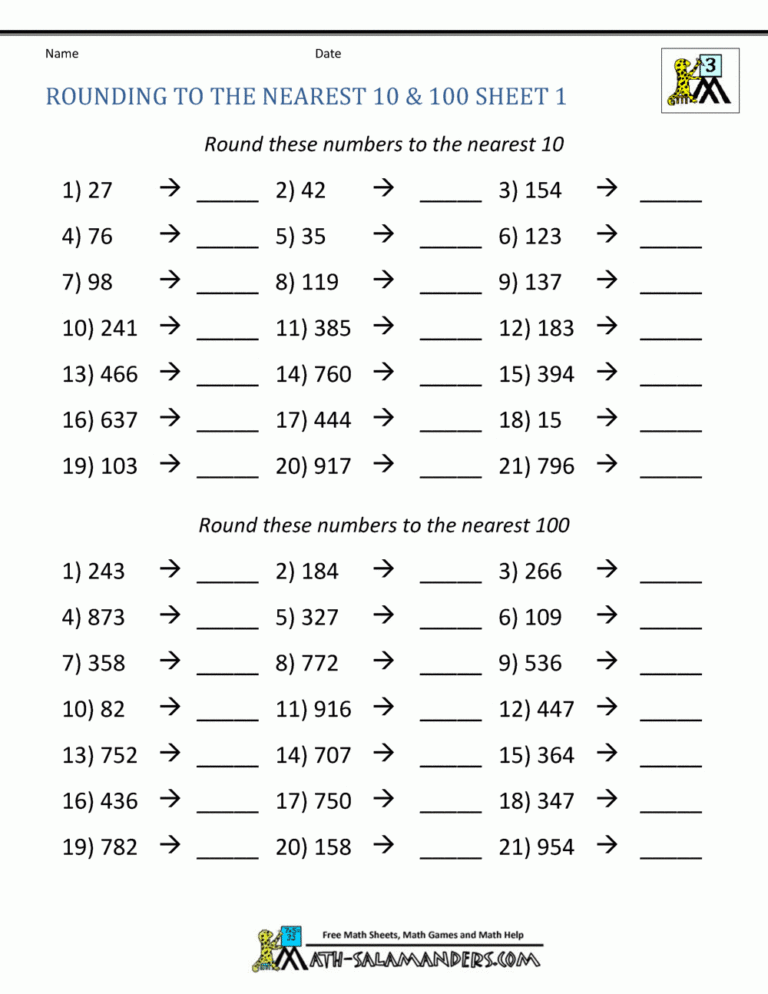
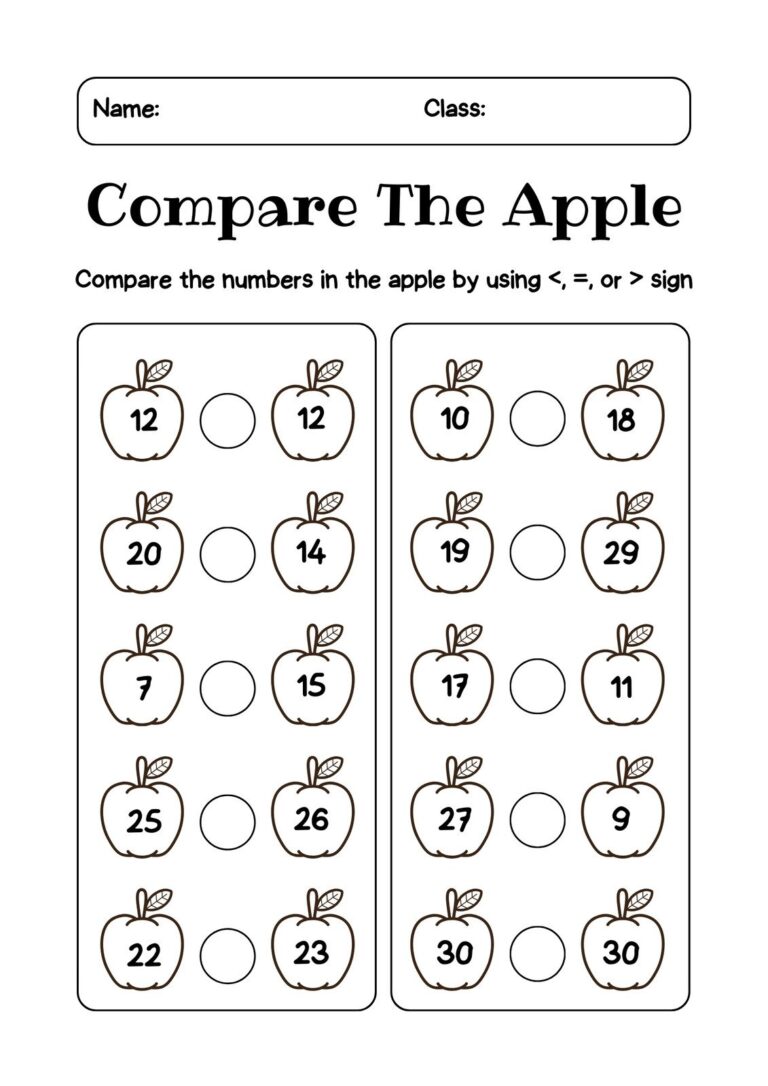
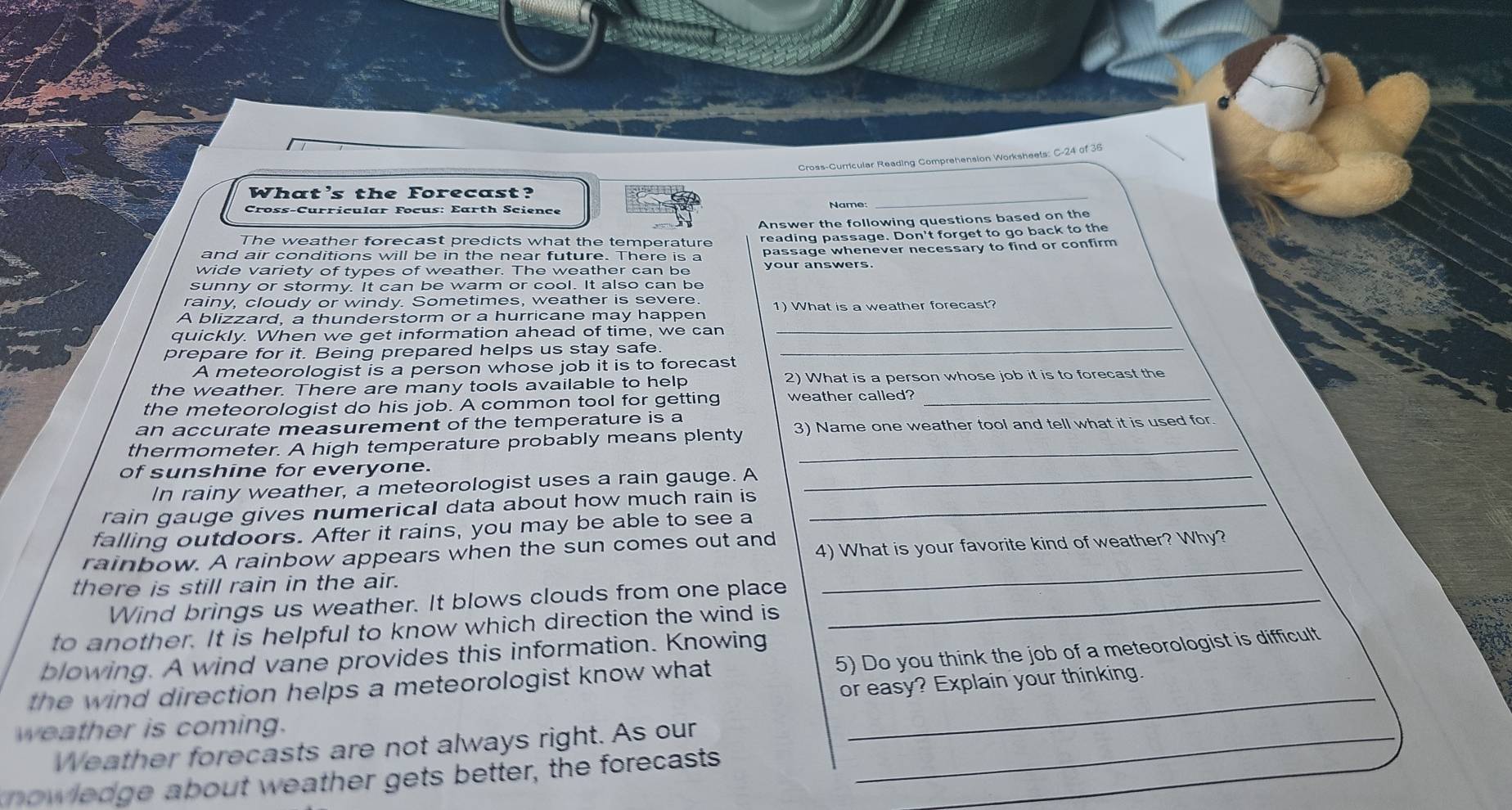
These worksheets typically combine reading passages with questions that relate to multiple subject areas, such as science, history, and mathematics. The goal is to help children see the connections between what they read and the knowledge they acquire in other subjects. This approach not only improves reading skills but also enhances critical thinking and analytical skills.
Features of Cross Curricular Worksheets
When you look at these worksheets, you’ll notice several distinct features designed to aid comprehension:
- Variety of Topics: Each worksheet usually covers a different topic, whether it’s a science experiment, a historical event, or a mathematical concept applied in real life. This variety keeps students engaged.
- Structured Layout: The worksheets are often divided into sections that include a reading passage followed by comprehension questions. Clear headings and numbering help guide students through the material.
- Question Types: You will find different types of questions, such as multiple choice, short answer, and open-ended questions. This variety allows students to demonstrate their understanding in multiple ways.
- Answer Key: Many resources provide an answer key, making it easier for parents or teachers to assess students’ understanding without having to interpret answers themselves.
- Printable Format: These worksheets are typically available in PDF format for easy printing, allowing you to use them in both classroom and home settings.
Age and Grade Suitability
Cross Curricular Reading Comprehension Worksheets are generally suitable for students in grades 2 through 6. However, the complexity of the content can vary significantly. For example, worksheets aimed at younger students might focus on simpler texts and questions, while those for older students could include more complex ideas and vocabulary. Always check the grade recommendations before selecting a worksheet to ensure it’s appropriate for your child’s reading level.
How to Use These Worksheets Effectively
To maximize the benefits of these worksheets, consider the following tips:
- Set a Routine: Incorporate these worksheets into your child’s daily or weekly routine. Regular practice helps reinforce skills and builds confidence.
- Encourage Independent Work: While it’s great to be available for questions, allow your child to attempt the worksheets independently first. This promotes self-reliance and critical thinking.
- Discuss Answers Together: After completing a worksheet, review the answers together. This can lead to valuable discussions about the reading material and its relevance to other subjects.
- Integrate with Other Learning: Use the topics from the worksheets to spark further interest. For instance, if a worksheet covers a historical event, consider exploring that topic more deeply through books, documentaries, or online resources.
Where to Find Printable Worksheets
There are numerous websites offering free or paid Cross Curricular Reading Comprehension Worksheets. Look for resources that provide a variety of topics and formats. Many of these worksheets are designed to be user-friendly, with clear instructions and visually appealing layouts. Consider checking out educational websites, teacher resource platforms, or even local educational supply stores.
Benefits of Using Cross Curricular Worksheets
These worksheets provide a range of benefits for young learners:
- Enhanced Comprehension Skills: By reading across different subjects, students learn to extract relevant information and apply it in various contexts.
- Increased Engagement: The integration of subjects keeps students interested and motivated, as they see the relevance of reading to their overall education.
- Improved Critical Thinking: Answering diverse questions fosters analytical skills, as students learn to interpret information and articulate their thoughts.
- Support for Diverse Learning Styles: The variety of question formats caters to different learning preferences, making it easier for all students to succeed.