Reading Worksheets For 2nd Graders
Finding effective ways to boost your child’s reading skills can be challenging. You want resources that are both engaging and educational. That’s where Reading Worksheets For 2nd Graders come into play. These worksheets are designed to help your child practice and enhance their reading abilities in a fun and interactive way. Let’s explore how you can effectively use these worksheets at home.
Understanding the Value of Reading Worksheets
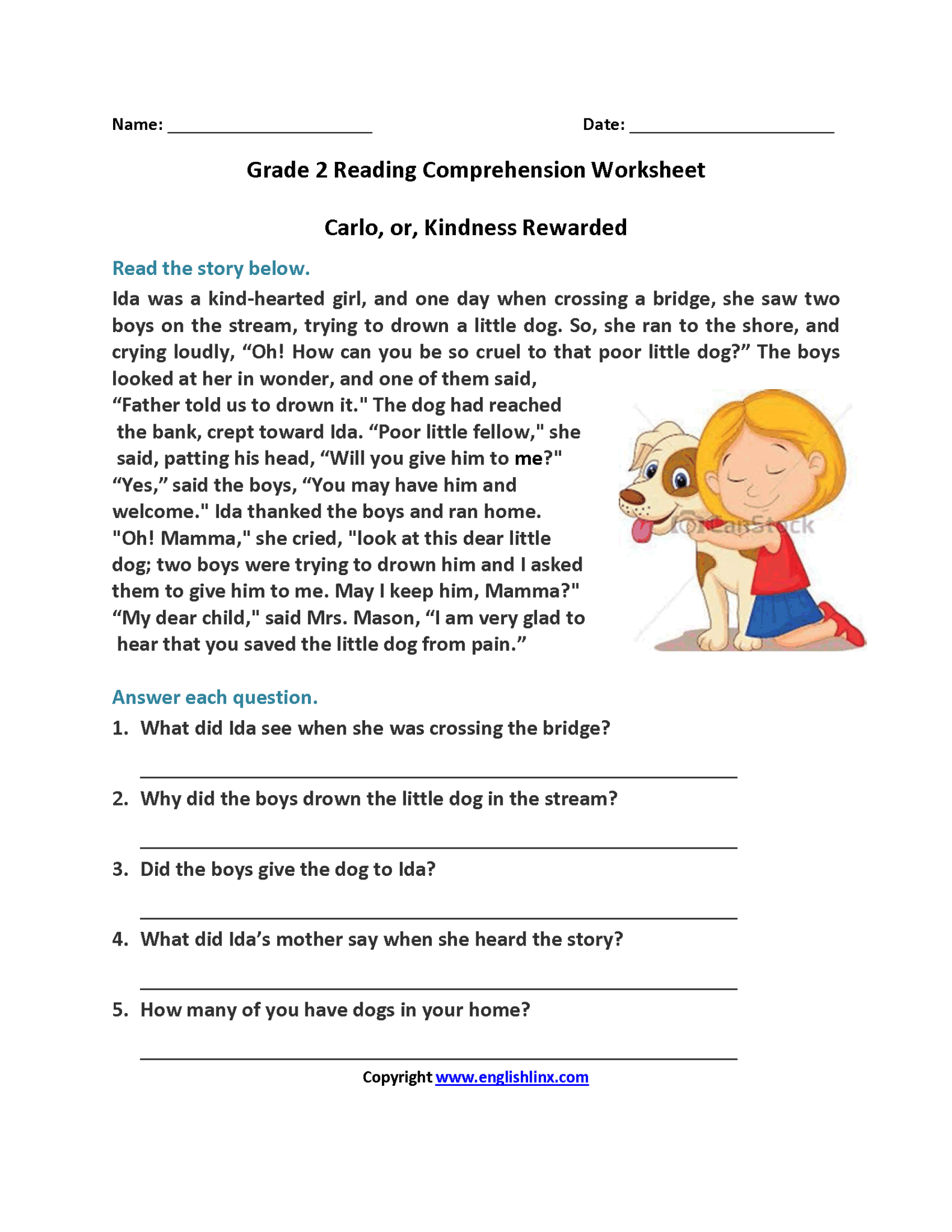
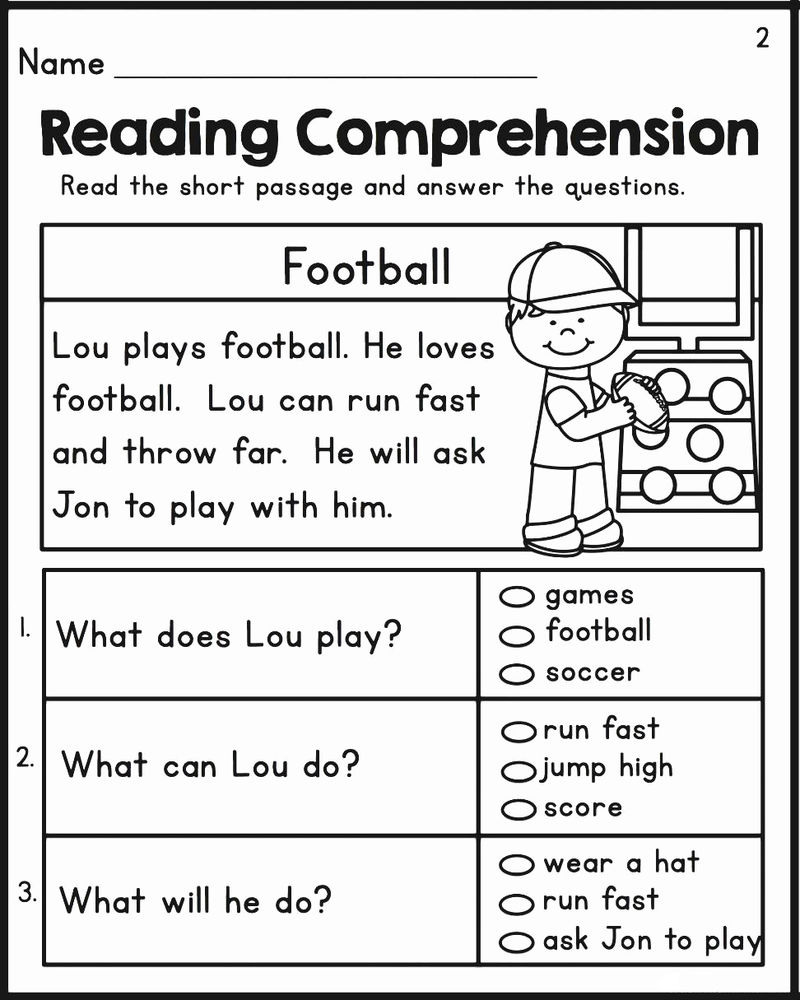
Reading worksheets are an excellent tool for 2nd graders as they work on comprehension, vocabulary, and fluency. These worksheets are tailored to meet the developmental needs of children in this age group, making them ideal for home or homeschool use. They often include a variety of activities such as reading passages, comprehension questions, and vocabulary exercises.
When your child engages with these worksheets, they are not just practicing reading; they are also learning to think critically about what they read. This skill is essential for academic success as they progress through school.
Choosing the Right Worksheets
Selecting the right Reading Worksheets For 2nd Graders is crucial. Look for worksheets that cover different aspects of reading. Here are some types to consider:
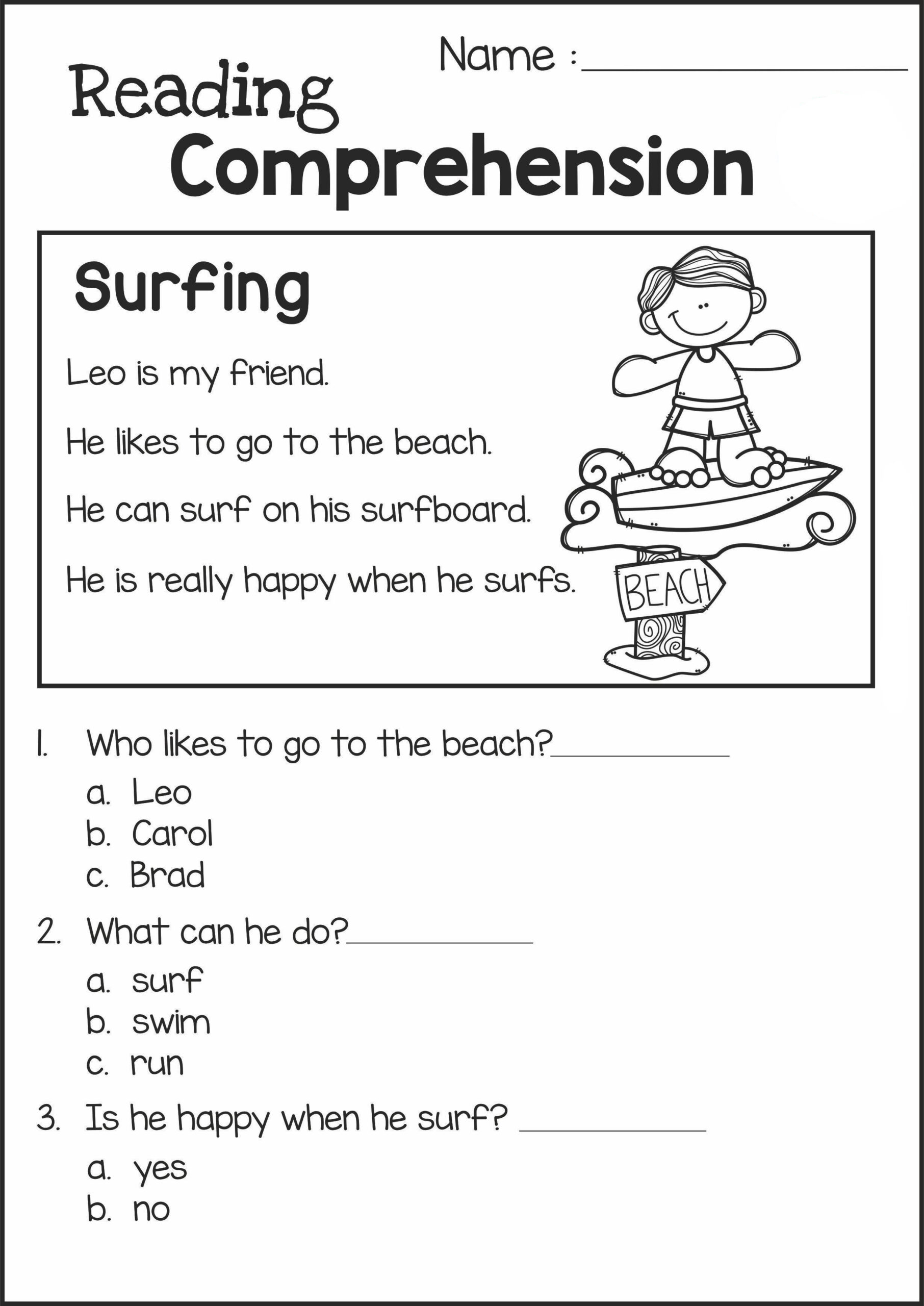
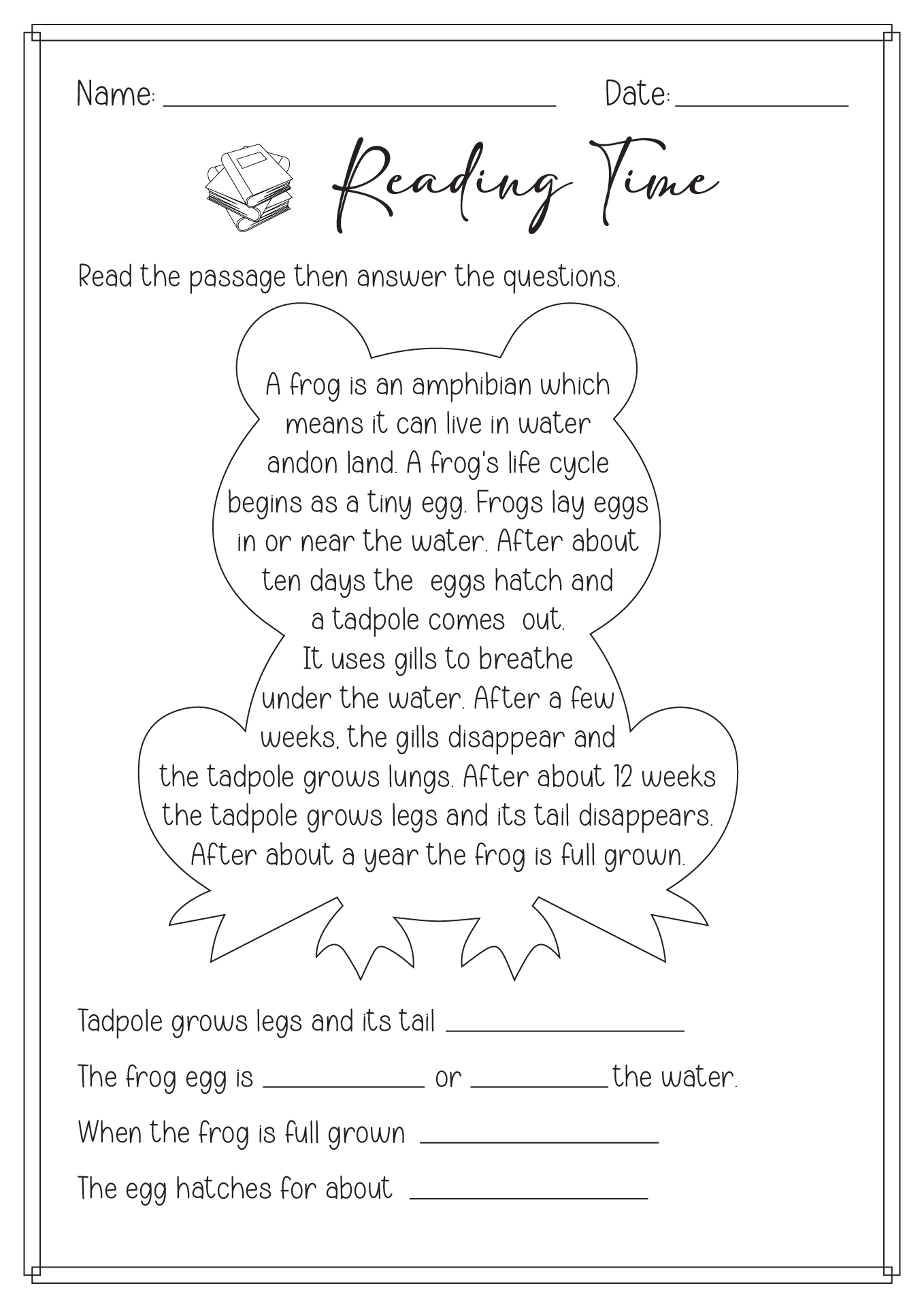
- Comprehension Worksheets: These often include short stories followed by questions that test understanding. They help children practice summarizing and making inferences.
- Vocabulary Builders: Worksheets that focus on new words can expand your child’s language skills. Activities may include matching words to definitions or using them in sentences.
- Fluency Practice Sheets: These worksheets encourage reading aloud, helping with pace and expression. They may include poems or short passages that are fun to read.
When choosing worksheets, consider your child’s interests and reading level. If they enjoy animals, for instance, find worksheets that feature stories or activities about animals. This connection can motivate them to engage more with the material.
Downloading and Printing the Worksheets
Once you’ve selected the appropriate Reading Worksheets For 2nd Graders, the next step is downloading and printing them. Here are some tips to ensure a smooth process:
- File Format: Most worksheets are available in PDF format. This format ensures that the layout remains consistent when printed.
- Printer Settings: Use standard paper size (8.5 x 11 inches) for printing. If your printer has a portrait and landscape option, portrait is most commonly used for worksheets.
- Quality Paper: Consider using heavier paper or cardstock. This type of paper is more durable, especially if your child likes to write or color on the worksheets.
After printing, you might want to laminate the sheets if you plan to reuse them. This can be particularly useful for vocabulary sheets, where your child can write and erase answers easily.
Setting Up a Reading Routine
Incorporating worksheets into a daily routine can yield great benefits for your child’s reading skills. Here’s how to effectively set it up:
- Choose a Specific Time: Schedule a regular time each day dedicated to reading practice. This can be during the afternoon or right after school.
- Create a Reading Space: Set up a cozy, quiet area in your home where your child can focus on their worksheets without distractions. A comfortable chair and good lighting can make a big difference.
- Mix Activities: Alternate between different types of worksheets to keep the sessions engaging. One day could focus on comprehension, while another could emphasize vocabulary building.
Encouraging your child to read aloud during these sessions can also enhance their fluency. You might consider taking turns reading passages together, which can make the experience more interactive.
Tracking Progress and Encouraging Improvement
To keep your child motivated, it’s important to track their progress. Here are a few practical ways to do this:
- Create a Progress Chart: Use a simple chart to note which worksheets your child completes each week. This visual representation can be motivating.
- Celebrate Achievements: Acknowledge improvements, no matter how small. Celebrate when your child completes a challenging worksheet or learns new vocabulary.
- Set Goals: Work with your child to set achievable reading goals. For instance, completing a certain number of worksheets each week can provide a clear target to work towards.
Incorporating rewards, like extra reading time or a small treat, can also boost motivation.
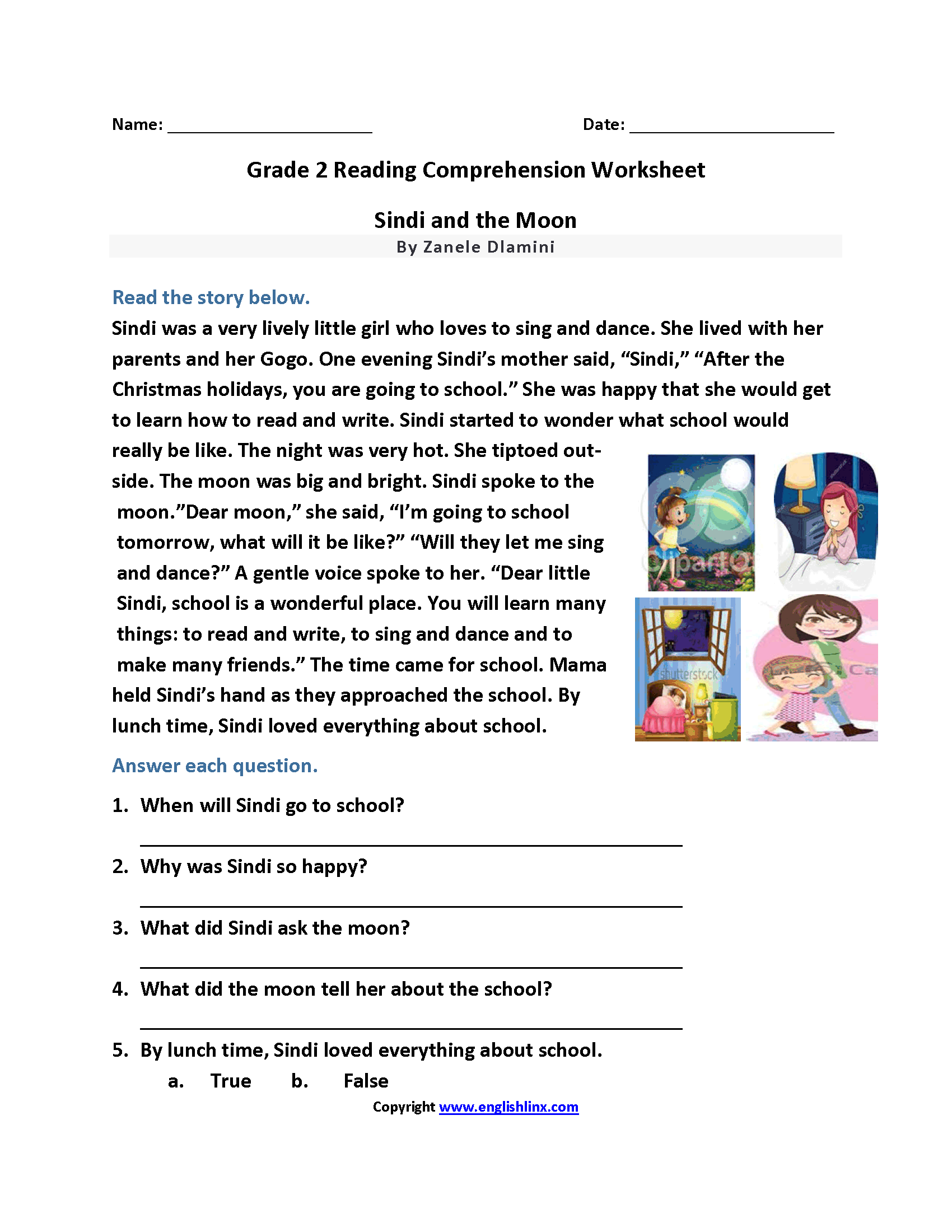
Making Learning Fun With Interactive Activities
While worksheets are beneficial, supplementing them with interactive activities can enhance your child’s learning experience. Here are some ideas:
- Reading Games: Create games using vocabulary words from the worksheets. For example, you could play a memory game where your child matches words with their definitions.
- Storytelling Sessions: Encourage your child to create their own stories using new words they’ve learned. This not only reinforces vocabulary but also fosters creativity.
- Coloring Pages: Pair reading worksheets with related coloring pages to make the learning process more enjoyable. Children can color scenes from a story they read or pictures that relate to new vocabulary.
By integrating these activities, you create a holistic reading experience that keeps your child engaged and excited about learning.
Using Reading Worksheets For 2nd Graders can significantly enhance your child’s reading skills when approached thoughtfully. Choose the right worksheets, establish a routine, and track progress to create a productive learning environment. One immediate tip: after downloading your chosen worksheets, print them on heavier paper to ensure durability during use.
Reading Worksheets For 2nd Graders Gallery